

Bobwhite vs Californische kuifkwartel
Colinus virginianus versus Callipepla californica
Speel een quiz met Bobwhite en Californische kuifkwartel
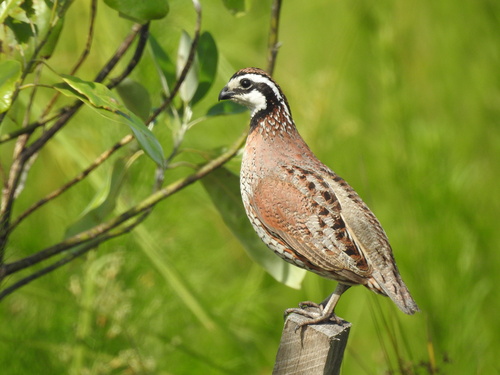 Bobwhite
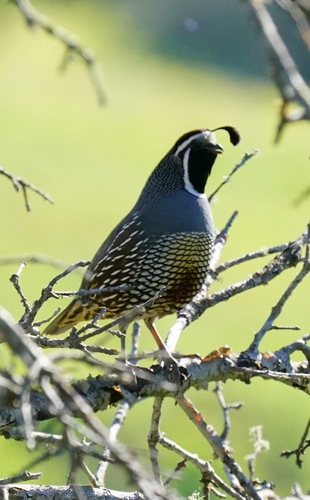 Californische kuifkwartel
Kort gezegd
Het meest betrouwbare veldkenmerk tussen Bobwhite en Californische kuifkwartel is het koppatroon: mannelijke Bobwhite toont een scherpe witte keel en wenkbrauwstreep omzoomd door zwart, terwijl mannelijke Californische kuifkwartel een opvallend zwart gezicht heeft met gedurfde witte omtrekken en een prominente naar voren gebogen kuif. Vrouwelijke exemplaren van beide zijn eenvoudiger, maar vrouwelijke Californische kuifkwartels tonen nog steeds de kuif, die afwezig is bij bobwhite. In de vlucht of in rust is Bobwhite roder en mist het de grijze en geschubde uitstraling van Californische kuifkwartel. Beide zijn grondbewonende, stevige kwartels, maar hun kopvormen en gezichts patronen zijn de snelste manier om ze te scheiden, vooral op afstand of in gemengde groepen.
Herkenningstips
- Kop patroon (volwassen mannetjes): Kijk naar de witte keel en wenkbrauwstreep omzoomd door zwart op mannelijke Bobwhite; mannelijke Californische kuifkwartels hebben een zwart gezicht met gedurfde witte omtrekken en een prominente zwarte kuif. Dit is het snelste veldkenmerk op elke afstand.
- Kuif/pluim: Californische kuifkwartels van beide geslachten hebben een naar voren gebogen kuif (langer bij mannetjes, korter bij vrouwtjes), volledig afwezig bij Bobwhite. Zelfs een korte, bruinachtige kuif op een vrouwelijke kwartel sluit bobwhite uit.
- Gezichtspatroon (vrouwen): Vrouwelijke Californische kuifkwartels hebben een eenvoudige bruine gezicht en kuif; vrouwelijke bobwhites hebben een buffy keel en wenkbrauwstreep maar geen pluim. Als je een eenvoudig gezicht, bruinachtige kwartel met een kleine kuif ziet, is het een Californische kuifkwartel.
- Lichaamskleur en patroon: Bobwhite is meer roestkleurig over het algemeen, met grijze vlekken op de vleugels en witte geschubde strepen op de flanken. Californische kuifkwartel is grijzer, met een geschubde uitstraling op de buik en zijkanten.
- Staartkleur: Bobwhite heeft een grijze staart; de staart van Californische kuifkwartel is minder duidelijk gekleurd maar mengt zich met het grijze en bruine lichaam.
- Buikpatroon: Californische kuifkwartel toont een geschubd patroon op de buik, vooral bij mannetjes; bobwhite onderdelen zijn witachtig met zwarte schubben maar missen de sterke schubben.
- Grootte en vorm: Beide zijn stevige, ronde kwartels, vergelijkbaar in grootte. Vertrouw niet op grootte voor scheiding.
- Vlucht en jizz: Beide vliegen explosief op wanneer ze worden geschrokken. Californische kuifkwartel kan de voorkeur geven aan rennen als dat mogelijk is, maar dit is niet diagnostisch.
- Habitat en verspreiding: In inheemse gebieden wordt Bobwhite gevonden in het oosten/centrale VS, Californische kuifkwartel in het westen. Beide kunnen worden gevonden in geïntroduceerde populaties elders, dus controleer altijd het verenkleed en het koppatroon.
- Groepsgedrag: Californische kuifkwartels verzamelen zich vaak voor gezamenlijke stofbaden, waardoor cirkelvormige plekken in zachte aarde ontstaan; dit is minder typisch voor bobwhite.
- Vocalisaties: De duidelijke, oplopende "bob-WHITE" roep is uniek voor Bobwhite. Als je dit hoort, zie je geen Californische kuifkwartel.
- Snavel: Beide hebben korte, gebogen snavels die typisch zijn voor kwartels; niet een nuttige scheider in het veld.
- Seizoensvariatie: Er zijn geen sterke seizoensgebonden verenkleedveranderingen opgemerkt voor beide soorten; koppatroon en kuif zijn het hele jaar door betrouwbaar.
- Jong/immatuur vogels: Er zijn geen onderscheidende bovenvleugel- of vluchtkenmerken beschreven voor jonge vogels van beide soorten; vertrouw op het hoofd- en lichaamspatroon, zelfs bij onvolwassen vogels.
- Valstrikken: Vrouwelijke en onvolwassen Californische kuifkwartels kunnen eenvoudig en bruin lijken, maar de aanwezigheid van zelfs een kleine kuif is diagnostisch. Bobwhites tonen nooit een kuif.
Grootte
Beide soorten zijn vergelijkbaar in lengte, met Bobwhite die 24–28 cm meet en Californische kuifkwartel 24–27 cm. Bobwhite weegt gemiddeld 171 g [wikidata], terwijl Californische kuifkwartel varieert van 140–230 g [wikipedia], dus er is aanzienlijke overlap, maar Californische kuifkwartel kan iets zwaarder zijn aan de bovenkant. De vleugelspanwijdtes zijn ook dicht bij elkaar: 33–38 cm voor bobwhite, 32–37 cm voor Californische kuifkwartel. In het veld is grootte alleen geen betrouwbare scheider.
Verenkleed
-
Jong/immatuur bovenvleugel patroon: Geen specifieke aantekeningen over onderscheidende jonge of onvolwassen bovenvleugelmerken voor beide soorten, dus dit is geen betrouwbaar scheidingspunt in de vlucht voor jonge vogels.
-
Volwassen mannetjes: Mannen van Bobwhite hebben een witte keel en wenkbrauwstreep omzoomd door zwart, met over het algemeen roestkleurig verenkleed, grijze vlekken op de vleugels en een grijze staart. Mannen van Californische kuifkwartel hebben een zwart gezicht omlijnd door gedurfde witte strepen en een opvallende naar voren gebogen zwarte kuif (pluim), met grijs en bruin lichaamsverenkleed en een geschubde uitstraling op de buik.
-
Volwassen vrouwtjes: Beide zijn eenvoudiger dan mannetjes, maar vrouwelijke Californische kuifkwartels tonen nog steeds een kortere, bruinachtige kuif en een bruin gezicht zonder het scherpe witte en zwarte patroon van mannelijke bobwhite. Vrouwelijke bobwhites zijn roestkleurig met een buffy keel en wenkbrauwstreep, zonder enige kuif.
-
Algemeen: Bobwhite lijkt roder en minder gepatterned op de buik en flanken, terwijl Californische kuifkwartel grijzer en meer geschubd is, vooral onderaan.
Gedrag
Beide soorten zijn grondbewonend en vaak te vinden in groepen. Californische kuifkwartel staat vooral bekend om zijn sociabiliteit, vaak verzamelt in groepen voor gezamenlijke stofbaden, die onderscheidende cirkelvormige indrukken in zachte aarde achterlaten. Beide soorten vliegen explosief op wanneer ze worden geschrokken, maar Californische kuifkwartel wordt beschreven als de voorkeur te geven aan ontsnappen te voet wanneer mogelijk. Bobwhite is ook een grondforager, maar wordt niet specifiek genoemd voor gezamenlijke stofbaden.
Habitat
Bobwhite is inheems in het oosten van Noord-Amerika, met een voorkeur voor landbouwvelden, graslanden, open bossen, wegen en bosranden. Californische kuifkwartel is inheems in het westen van Noord-Amerika maar is op grote schaal elders geïntroduceerd; het wordt gevonden in een verscheidenheid aan open habitats, inclusief randen van stedelijke gebieden, en past zich goed aan verstoorde omgevingen aan. In het veld is locatie een sterke aanwijzing: bobwhite in het oosten/centrale VS, Californische kuifkwartel in het westen, maar beide kunnen voorkomen in geïntroduceerde populaties buiten hun inheemse gebieden.
Geluid
Bobwhite heeft een onderscheidende, langzame, oplopende fluit: "bob-WHITE" of "bob-bob-WHITE," met lettergrepen die spaced zijn en oplopen in toonhoogte met een volledige octaaf. Andere roepen zijn gesis, piepjes en snelle waarschuwingsfluiten. De vocalisaties van Californische kuifkwartel zijn niet gedetailleerd in de aantekeningen, maar de kenmerkende roep van bobwhite is een sterke scheider waar gehoord.