

Motmot

コリンウズラ 対 カンムリウズラ

Colinus virginianus 対 Callipepla californica

コリンウズラとカンムリウズラのクイズ
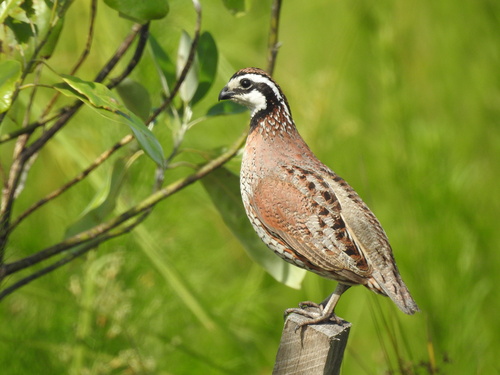
コリンウズラ (Colinus virginianus) コリンウズラ
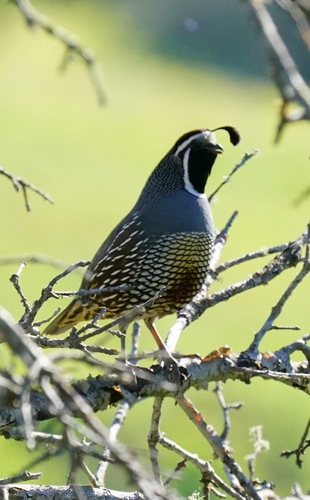
カンムリウズラ (Callipepla californica) カンムリウズラ

メディア

読み込み中…

要点

ノーザンボブホワイトとカンムリウズラの最も信頼できるフィールドマークは頭の模様です:オスのノーザンボブホワイトは、黒で縁取られた鮮明な白い喉と眉のストライプを示し、オスのカンムリウズラは、際立った白いアウトラインと目立つ前方に曲がったトプノットを持つ印象的な黒い顔をしています。両方のメスは地味ですが、カンムリウズラのメスはトプノットを示し、ボブホワイトにはありません。飛行中または静止中、ノーザンボブホワイトはより赤褐色で、カンムリウズラの灰色で鱗状の外観が欠けています。両者は地面に生息するずんぐりしたウズラですが、頭の形と顔の模様が最も早く区別する方法であり、特に距離がある場合や混合した群れの中で際立ちます。

識別のコツ

  1. 頭の模様(成鳥のオス): ノーザンボブホワイトのオスの白い喉と黒で縁取られた眉のストライプを探してください;カンムリウズラのオスは、際立った白いアウトラインと目立つ黒いトプノットを持つ黒い顔をしています。これはどんな距離でも最も早いフィールドマークです。
  2. トプノット/羽毛: カンムリウズラの両性は前方に曲がったトプノットを持ち(オスは長く、メスは短い)、ノーザンボブホワイトには完全に欠けています。メスのウズラに短い茶色のトプノットがあれば、ボブホワイトではありません。
  3. 顔の模様(メス): メスのカンムリウズラは地味な茶色の顔とトプノットを持っています;メスのボブホワイトは、バフィーな喉と眉のストライプを持っていますが、羽毛はありません。地味な顔の茶色のウズラに小さなトプノットがあれば、それはカンムリウズラです。
  4. 体の色と模様: ノーザンボブホワイトは全体的により赤褐色で、灰色のまだら模様の翼と白いスカロップストライプを持っています。カンムリウズラはより灰色で、腹部と側面には鱗状の外観があります。
  5. 尾の色: ノーザンボブホワイトは灰色の尾を持っています;カンムリウズラの尾はあまり明確な色ではなく、灰色と茶色の体と混ざり合っています。
  6. 腹部の模様: カンムリウズラは特にオスにおいて腹部に鱗状の模様を示します;ボブホワイトの下部は白っぽく、黒いスカロップがありますが、強い鱗状の模様はありません。
  7. サイズと形: 両者はずんぐりした丸いウズラで、サイズは似ています。区別するためにサイズに頼らないでください。
  8. 飛行と動き: 両者は驚かされると爆発的に飛び立ちます。カンムリウズラは可能であれば走ることを好むかもしれませんが、これは診断的ではありません。
  9. 生息地と範囲: 原産地では、ノーザンボブホワイトは東部/中央アメリカで見られ、カンムリウズラは西部にいます。両者は他の場所で導入された個体群でも見られることがあるので、常に羽毛と頭の模様を確認してください。
  10. 群れの行動: カンムリウズラはしばしば共同の砂浴びのために集まり、柔らかい土に円形の跡を残します;これはボブホワイトにはあまり典型的ではありません。
  11. 鳴き声: 明瞭で上昇する「ボブ-ホワイト」という呼び声はノーザンボブホワイトに特有です。これを聞いたら、カンムリウズラは見ていません。
  12. くちばし: 両者はウズラに典型的な短く曲がったくちばしを持っています;フィールドでの有用な区別にはなりません。
  13. 季節的変化: どちらの種にも強い季節的羽毛の変化は見られません;頭の模様とトプノットは年間を通じて信頼できます。
  14. 幼鳥/未成熟の鳥: どちらの種の幼鳥に特有の上翼や飛行のマークは記載されていないため、未成熟の鳥でも頭と体の模様に頼ってください。
  15. 落とし穴: メスと未成熟のカンムリウズラは地味で茶色に見えることがありますが、小さなトプノットの存在は診断的です。ボブホワイトは決してトプノットを示しません。

大きさ

両種は長さが似ており、ノーザンボブホワイトは24–28 cm、カンムリウズラは24–27 cmです。ノーザンボブホワイトの平均体重は171 g [wikidata]で、カンムリウズラは140–230 g [wikipedia]の範囲ですので、かなりの重複がありますが、カンムリウズラは上限でわずかに重いことがあります。翼幅も近いです:ボブホワイトは33–38 cm、カンムリウズラは32–37 cmです。フィールドでは、サイズだけでは信頼できる区別にはなりません。

羽色

行動

両種は地面に生息し、しばしば群れで見られます。カンムリウズラは特に社交的で、共同の砂浴びのためにしばしばグループで集まり、柔らかい土に特有の円形の凹みを残します。両者は驚かされると爆発的に飛び立ちますが、カンムリウズラは可能であれば足で逃げることを好むとされています。ノーザンボブホワイトも地面で餌を探しますが、共同の砂浴びについて特に言及されていません。

生息環境

ノーザンボブホワイトは北アメリカの東部に自生し、農業地、草原、開けた森林、道路脇、森林の縁を好みます。カンムリウズラは北アメリカの西部に自生していますが、広く他の場所に導入されています;都市部の縁など、さまざまな開けた生息地で見られ、乱れた環境にもよく適応します。フィールドでは、場所が強い手がかりです:東部/中央アメリカのボブホワイト、西部のカンムリウズラですが、両者は原産地外の導入された個体群でも見られることがあります。

声

ノーザンボブホワイトは特有の遅く上昇する口笛を持っています:「ボブ-ホワイト」または「ボブ-ボブ-ホワイト」で、音節は間隔を置いており、音程は完全なオクターブで上昇します。他の呼び声は、ささやき、ピーピー音、迅速な警告の口笛です。カンムリウズラの鳴き声はメモに詳細がありませんが、ボブホワイトの特徴的な呼び声は、聞こえたときの強力な区別点です。

より良い説明を送る

比較と同じ項目を使ってください。文章はすぐに公開されます。

The most reliable field mark between Northern Bobwhite and California Quail is the head pattern: male Northern Bobwhite shows a crisp white throat and brow stripe bordered by black, while male California Quail has a striking black face with bold white outlines and a prominent forward-curving topknot. Females of both are plainer, but California Quail females still show the topknot, absent in bobwhite. In flight or at rest, Northern Bobwhite is more rufous and lacks the gray and scaled look of California Quail. Both are ground-dwelling, chunky quail, but their head shapes and facial patterns are the quickest way to separate them, especially at a distance or in mixed coveys.

  1. Head pattern (adult males): Look for the white throat and brow stripe bordered by black on Northern Bobwhite males; California Quail males have a black face with bold white outlines and a prominent black topknot. This is the fastest field mark at any distance.
  2. Topknot/plume: California Quail of both sexes have a forward-curving topknot (longer in males, shorter in females), completely absent in Northern Bobwhite. Even a short, brownish topknot on a female quail rules out bobwhite.
  3. Facial pattern (females): Female California Quail have a plain brown face and topknot; female bobwhites have a buffy throat and brow stripe but no plume. If you see a plain-faced, brownish quail with a small topknot, it's a California Quail.
  4. Body color and pattern: Northern Bobwhite is more rufous overall, with gray mottling on the wings and white scalloped stripes on the flanks. California Quail is grayer, with a scaled appearance on the belly and sides.
  5. Tail color: Northern Bobwhite has a gray tail; California Quail's tail is less distinctly colored but blends with the gray and brown body.
  6. Belly pattern: California Quail shows a scaled pattern on the belly, especially in males; bobwhite underparts are whitish with black scallops but lack the strong scaling.
  7. Size and shape: Both are chunky, rounded quail, similar in size. Do not rely on size for separation.
  8. Flight and jizz: Both flush explosively when startled. California Quail may prefer to run if possible, but this is not diagnostic.
  9. Habitat and range: In native ranges, Northern Bobwhite is found in the eastern/central US, California Quail in the west. Both can be found in introduced populations elsewhere, so always check plumage and head pattern.
  10. Covey behavior: California Quail often gather for communal dust baths, leaving circular patches in soft dirt; this is less typical of bobwhite.
  11. Vocalizations: The clear, rising "bob-WHITE" call is unique to Northern Bobwhite. If you hear this, you are not seeing a California Quail.
  12. Bill: Both have short, curved bills typical of quail; not a useful separator in the field.
  13. Seasonal variation: No strong seasonal plumage changes are noted for either species; head pattern and topknot are reliable year-round.
  14. Juvenile/immature birds: No distinctive upperwing or flight marks are described for young birds of either species; rely on head and body pattern even in immature birds.
  15. Pitfalls: Female and immature California Quail can appear plain and brown, but the presence of even a small topknot is diagnostic. Bobwhites never show a topknot.

Both species are similar in length, with Northern Bobwhite measuring 24–28 cm and California Quail 24–27 cm. Northern Bobwhite averages 171 g in body mass [wikidata], while California Quail ranges from 140–230 g [wikipedia], so there is considerable overlap, but California Quail can be slightly heavier at the upper end. Wingspans are also close: 33–38 cm for bobwhite, 32–37 cm for California Quail. In the field, size alone is not a reliable separator.

  • Juvenile/immature upperwing pattern: No specific notes on distinctive juvenile or immature upperwing marks for either species, so this is not a reliable separation point in flight for young birds.

  • Adult males: Northern Bobwhite males have a white throat and brow stripe bordered by black, with overall rufous plumage, gray mottling on the wings, and a gray tail. California Quail males have a black face outlined by bold white stripes and a conspicuous forward-curving black topknot (plume), with gray and brown body plumage and a scaled appearance on the belly.

  • Adult females: Both are plainer than males, but female California Quail still show a shorter, brownish topknot and a brown face lacking the crisp white and black pattern of male bobwhite. Female bobwhites are rufous with a buffy throat and brow stripe, lacking any topknot.

  • General: Northern Bobwhite appears more rufous and less patterned on the belly and flanks, while California Quail is grayer and more scaled, especially below.

Both species are ground-dwelling and often found in coveys. California Quail is especially noted for its sociability, often gathering in groups for communal dust baths, which leave distinctive circular indentations in soft dirt. Both species flush explosively when startled, but California Quail is described as preferring to escape on foot when possible. Northern Bobwhite is also a ground forager but is not specifically noted for communal dust bathing.

Northern Bobwhite is native to eastern North America, favoring agricultural fields, grasslands, open woodlands, roadsides, and wood edges. California Quail is native to western North America but has been widely introduced elsewhere; it is found in a variety of open habitats, including edges of urban areas, and adapts well to disturbed environments. In the field, location is a strong clue: bobwhite in the east/central US, California Quail in the west, but both can occur in introduced populations outside their native ranges.

Northern Bobwhite has a distinctive, slow, rising whistle: "bob-WHITE" or "bob-bob-WHITE," with syllables spaced and rising in pitch by a full octave. Other calls are lisps, peeps, and rapid warning whistles. California Quail's vocalizations are not detailed in the notes, but the bobwhite's signature call is a strong separator where heard.

変更を破棄しますか?

保存していない編集があります。今離れると失われます。

コリンウズラ · カンムリウズラ · 苦手な鳥