

Muskuseend vs Brilzee-eend
Cairina moschata versus Melanitta perspicillata
Speel een quiz met Muskuseend en Brilzee-eend
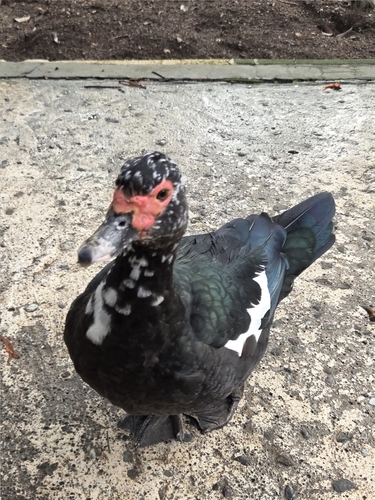 Muskuseend
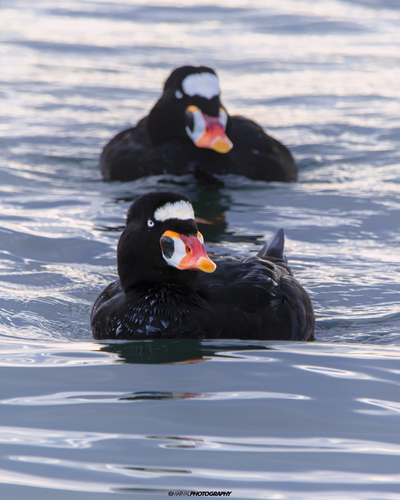 Brilzee-eend
Kort gezegd
Het meest betrouwbare veldkenmerk om Muskuseend van Brilzee-eend te scheiden is de aanwezigheid van een blote, rode, gekarbonkete gezicht en grote witte vleugelvlekken (vooral in de vlucht) bij volwassen Muskuseenden, versus de volledig donkere vleugels en kenmerkende witte hoofdplekken van volwassen mannelijke Brilzee-eenden. Juveniele Muskuseenden zijn doffer en kunnen duidelijke wit in de vleugel missen, maar tonen nog steeds een grotere, zwaardere structuur en een kale gezichtsvlek, terwijl juveniele Brilzee-eenden compact, bruinachtig zijn en nooit blote huid op het gezicht vertonen. In de vlucht tonen Muskuseenden (behalve doffe juvenielen) prominente witte op de vleugels, terwijl Brilzee-eenden altijd volledig donkere vleugels hebben. De vorm en kleur van de snavel, de lichaamsgrootte en de context van de habitat helpen ook: Muskuseend is een massieve, vlakstaartige, breedbekkende eend van zoet water of stedelijke vijvers, terwijl Brilzee-eend een kleinere zee-eend is met een gezwollen, veelkleurige snavel en een compactere silhouet.
Herkenningstips
- Vleugelpatroon in vlucht: Volwassen en de meeste onvolwassen Muskuseenden tonen grote witte vlekken of strepen op de vleugels, vooral duidelijk in de vlucht. Brilzee-eenden van alle leeftijden hebben volledig donkere vleugels—geen witte vlekken of strepen.
- Kale gezichtshuid: Muskuseenden (alle leeftijden) hebben een blote, rode of donkere gekarbonkete gebied rond de snavel en ogen. Dit ontbreekt bij Brilzee-eend, die altijd een volledig verenkleed gezicht heeft.
- Vorm en kleur van de snavel: Muskuseend heeft een brede, platte snavel, meestal zwart met wat roze spikkeling (variabel bij verwilderde/thuis gehouden vogels). Brilzee-eend heeft een kenmerkende gezwollen snavel met een vierkante basis, gemusterd in wit, rood, geel en zwart bij mannelijke vogels, en zwartachtig met een groene/blauwe tint bij vrouwelijke vogels.
- Hoofdpatroon: Volwassen mannelijke Brilzee-eend toont gedurfde witte vlekken op het voorhoofd en de nek, die nooit aanwezig zijn bij Muskuseend. Vrouwelijke en juveniele Brilzee-eend hebben blekere wangvlekken en soms een witachtige nek, maar nooit blote huid. Muskuseend kan wit op het hoofd/nek hebben bij verwilderde vogels, maar het is nooit in de vorm van nette voorhoofd/nek vlekken.
- Lichaamsgrootte en -vorm: Muskuseend is veel groter en zwaarder, met een lange nek en een brede, platte staart. Brilzee-eend is compacter, met een kortere nek en een ronde staart.
- Glans van het verenkleed: Volwassen mannelijke Muskuseend is glanzend zwart met iriserende rug- en vleugelveren; Brilzee-eend is fluweelachtig zwart zonder iridescentie.
- Seksueel dimorfisme: Mannelijke Muskuseenden zijn veel groter dan vrouwelijke, met een prominente knobbel aan de basis van de snavel en een korte kuif. Mannelijke en vrouwelijke Brilzee-eenden verschillen voornamelijk in kleur en hoofdpatroon, niet in grootte.
- Verwarring bij juvenielen: Juveniele Muskuseend is dof en kan wit in de vleugel missen, maar toont nog steeds blote gezichtshuid en een zware bouw. Juveniele Brilzee-eend is uniform bruinachtig met een witachtige buik, geen blote huid, en altijd donkere vleugels.
- Staart: Muskuseend heeft een brede, platte staart, vaak uitgestoken of gezwaaid. De staart van Brilzee-eend is korter en minder opvallend.
- Voeten en klauwen: Muskuseend heeft lange klauwen op de voeten, soms zichtbaar wanneer ze zitten of lopen. De voeten van Brilzee-eend zijn typisch voor duikeenden.
- Habitat: Muskuseend wordt gevonden in zoet water, vaak stedelijke of landbouwvijvers, soms zittend in bomen of op structuren. Brilzee-eend is bijna altijd in zoutwater, zelden binnenslands.
- Gedrag: Muskuseend is langzaam bewegend, vaak rustend op het land of zittend. Brilzee-eend is actief op water, duikt vaak, en komt zelden aan land behalve om te broeden.
- Vocalisaties: Mannelijke Muskuseenden geven een lage ademende roep, vrouwelijke een trillerige coo. De roepen van Brilzee-eend worden meestal niet gehoord in het veld.
- Variatie in gedomesticeerde/verwilderde Muskuseend: Verwilderde Muskuseend kan een breed scala aan wit op het hoofd en de nek vertonen, maar controleer altijd op het blote rode gezicht en de zware structuur.
- Context: Als je een grote, zware eend met een blote rode gezicht in een stadspark ziet, is het een Muskuseend. Een zwarte eend met witte hoofdplekken en een gezwollen snavel op de oceaan is een Brilzee-eend.
Grootte
Muskuseend is dramatically larger and heavier than Brilzee-eend. Adult Muscovy males can weigh over 2,000 g (often up to 3–4 kg), with females about half that, while Brilzee-eend averages about 950 g. Muscovy is also much longer (males 76–84 cm, females 71–76 cm) and has a much broader wingspan (137–152 cm) compared to Brilzee-eend’s 44–48 cm length and 76–77 cm wingspan. Even a female or juvenile Muscovy will look bulkier and longer-necked than any Brilzee-eend.
Verenkleed
-
Juvenile/immature birds in flight: Juvenile Muscovy Ducks are dull overall and may lack the white wing patches typical of adults, but still show a large, heavy body and bare facial skin. Juvenile Surf Scoters are paler brown with a whitish belly and breast, but always have completely dark wings in flight—no white patches or bars. This is a key separation for flying birds of any age: Muscovy (except dull juveniles) shows obvious white in the wings, Brilzee-eend never does.
-
Adult males: Muscovy males are glossy black with large white patches on the wings (especially visible in flight), a naked red or dark carunculated face, and a short crest. Brilzee-eend males are velvety black overall with distinctive white patches on the forehead and nape, but no white in the wings or on the face. The bill is swollen and multicolored in Brilzee-eend, black with a pinkish speckling in Muscovy.
-
Adult females: Female Muscovy is smaller, drabber, but still has a feathered face and may show some white in the wings. Female Brilzee-eend is brownish, with paler cheek patches and sometimes a whitish nape, but no white in the wings and no bare facial skin.
-
Domesticated/feral Muscovy: Plumage is variable, but always look for the bare red facial skin and heavy structure. White patches on the neck and head may be extensive, but the wing pattern remains a key mark.
Gedrag
Muskuseenden worden vaak gezien terwijl ze op het land rusten, zittend op stammen of zelfs in bomen, en kunnen nestelen in boomholtes of op de grond in stedelijke parken of boerderijen. Ze bewegen langzaam, met een zware, waggelende gang, en slapen vaak 's nachts op het water. Brilzee-eenden zijn zee-eenden, meestal gezien in groepen op open water, duiken vaak voor voedsel. Hun vlucht is direct en snel, met snelle vleugelslagen, en ze zitten zelden op het land of in bomen. De vlucht van Muskuseend is zwaar en moeizaam in vergelijking met de snelle, laagvliegende vlucht van Brilzee-eend.
Habitat
Muskuseenden zijn vogels van zoetwaterhabitats—vijvers, meren, rivieren en stedelijke parken, vooral in warme klimaten. Verwilderde vogels zijn gebruikelijk in stadsparken en boerderijen. Brilzee-eenden zijn strikt verbonden met grote zoutwaterlichamen in de winter—kustbaaien, estuaria en de open zee. Ze broeden ver in het noorden in Canada en Alaska, maar zijn tijdens migratie en in de winter bijna nooit weg van zoutwater te vinden. Als je een grote eend met een blote rode gezicht in een stadsvijver ziet, is het een Muskuseend; een zwarte eend met witte hoofdplekken op de oceaan is een Brilzee-eend.
Geluid
Mannelijke Muskuseenden geven een lage, ademende roep, terwijl vrouwelijke een stille trillerige coo hebben. De vocalisaties van Brilzee-eend zijn niet beschreven in de gegeven bronnen, maar zijn waarschijnlijk geen praktische veldscheiding in de meeste omstandigheden.