

Motmot

ノバリケン 対 アラナミキンクロ

Cairina moschata 対 Melanitta perspicillata

ノバリケンとアラナミキンクロのクイズ
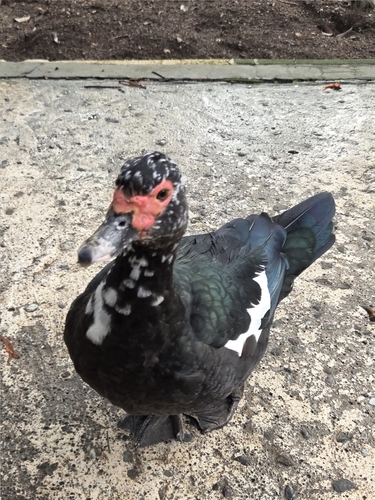
ノバリケン (Cairina moschata) ノバリケン
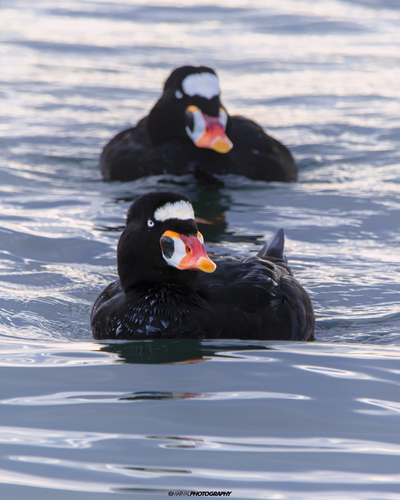
アラナミキンクロ (Melanitta perspicillata) アラナミキンクロ

メディア

読み込み中…

要点

ノバリケンとアラナミキンクロを区別する最も信頼できるフィールドマークは、成鳥のノバリケンに見られる裸の赤い肉垂れの顔と大きな白い翼の斑点(特に飛行中)であり、対してアラナミキンクロは成鳥のオスに特徴的な白い頭の斑点と全体が暗い翼を持っています。幼鳥のノバリケンは鈍い色合いで、翼に明らかな白が欠けている場合がありますが、依然として大きくて重い構造と裸の顔の斑点を示します。一方、アラナミキンクロの幼鳥はコンパクトで茶色がかっており、顔に裸の皮膚を見せることはありません。飛行中、ノバリケン(鈍い幼鳥を除く)は翼に目立つ白を示しますが、アラナミキンクロは常に完全に暗い翼を持っています。くちばしの形と色、体のサイズ、そして生息環境も役立ちます:ノバリケンは淡水や都市の池に生息する巨大で平たい尾を持つ広いくちばしのカモであり、アラナミキンクロは腫れた多色のくちばしとよりコンパクトなシルエットを持つ小型の海カモです。

識別のコツ

  1. Wing pattern in flight: 成鳥とほとんどの未成熟なノバリケンは、特に飛行中に翼に大きな白い斑点や帯を示します。すべての年齢のアラナミキンクロは完全に暗い翼を持ち、白い斑点や帯はありません。
  2. Bare facial skin: ノバリケン(すべての年齢)は、くちばしと目の周りに裸の赤または暗い肉垂れの部分を持っています。これはアラナミキンクロにはなく、常に完全に羽毛のある顔を持っています。
  3. Bill shape and color: ノバリケンは広く平たいくちばしを持ち、通常は黒にいくつかのピンクの斑点があります(野生/飼いならされた鳥によって変動)。アラナミキンクロは、オスに白、赤、黄色、黒の模様があり、雌は黒っぽく緑/青の色合いを持つ特徴的な腫れたくちばしを持っています。
  4. Head pattern: 成鳥のオスのアラナミキンクロは、額と後頭部に大胆な白い斑点を示しますが、これはノバリケンには存在しません。雌と幼鳥のアラナミキンクロは、より淡い頬の斑点と時折白っぽい後頭部を持っていますが、裸の皮膚はありません。ノバリケンは野生の鳥に頭/首に白がある場合がありますが、整然とした額/後頭部の斑点の形ではありません。
  5. Body size and shape: ノバリケンははるかに大きくて重く、長い首と広く平たい尾を持っています。アラナミキンクロはよりコンパクトで、短い首と丸い尾を持っています。
  6. Plumage gloss: 成鳥のオスのノバリケンは光沢のある黒で、虹色の背中と翼の羽毛を持っています;アラナミキンクロは光沢のないベルベットのような黒です。
  7. Sexual dimorphism: ノバリケンのオスは雌よりもはるかに大きく、くちばしの基部に目立つこぶと短い冠を持っています。アラナミキンクロのオスと雌は、主に色と頭の模様で異なり、サイズではありません。
  8. Juvenile confusion: 幼鳥のノバリケンは鈍く、翼に白が欠けている場合がありますが、依然として裸の顔の皮膚と重い体格を示します。幼鳥のアラナミキンクロは均一に茶色がかっており、白っぽい腹を持ち、裸の皮膚はなく、常に暗い翼を持っています。
  9. Tail: ノバリケンは広く平たい尾を持ち、しばしば外に持ち出したり振ったりします。アラナミキンクロの尾は短く、目立たないです。
  10. Feet and claws: ノバリケンは足に長い爪を持ち、時々止まっているときや歩いているときに見えることがあります。アラナミキンクロの足は潜水カモに典型的です。
  11. Habitat: ノバリケンは淡水に生息し、しばしば都市や農場の池に見られ、時には木や構造物に止まります。アラナミキンクロはほぼ常に塩水に生息し、内陸に出ることは稀です。
  12. Behavior: ノバリケンはゆっくりと動き、しばしば陸でくつろいだり止まったりします。アラナミキンクロは水の上で活発で、頻繁に潜水し、繁殖のために陸に来ることは稀です。
  13. Vocalizations: ノバリケンのオスは低く息を吐くような鳴き声を出し、雌はトリルのようなクー音を出します。アラナミキンクロの鳴き声は通常フィールドでは聞かれません。
  14. Domesticated/feral Muscovy variation: 野生のノバリケンは頭と首に広範囲の白を示す場合がありますが、常に裸の赤い顔と重い構造を確認してください。
  15. Context: もし都市公園で裸の赤い顔を持つ大きくて重いカモを見たら、それはノバリケンです。海で白い頭の斑点と腫れたくちばしを持つ黒いカモはアラナミキンクロです。

大きさ

ノバリケンはアラナミキンクロよりも劇的に大きくて重いです。成鳥のノバリケンのオスは2,000 gを超えることがあり(しばしば3〜4 kgまで)、雌はその半分程度です。一方、アラナミキンクロは平均約950 gです。ノバリケンはまた、はるかに長く(オス76〜84 cm、雌71〜76 cm)、翼幅もはるかに広い(137〜152 cm)です。アラナミキンクロの長さは44〜48 cm、翼幅は76〜77 cmです。たとえ雌や幼鳥のノバリケンでも、どのアラナミキンクロよりも重くて長い首に見えるでしょう。

羽色

行動

ノバリケンはしばしば陸でくつろいでいるのが見られ、丸太や木に止まったり、都市公園や農場の地面に巣を作ることがあります。彼らはゆっくりと動き、重い waddling gait を持ち、夜は水の上で眠ることが多いです。アラナミキンクロは海のカモで、通常は開けた水面で群れを成して見られ、頻繁に食べ物のために潜ります。彼らの飛行は直接的で速く、急速な翼の動きで、陸や木に止まることは稀です。ノバリケンの飛行は、アラナミキンクロの速くて低い飛行に比べて重くて労力を要します。

生息環境

ノバリケンは淡水の生息地—池、湖、川、都市公園、特に温暖な気候に生息する鳥です。野生の鳥は都市公園や農場で一般的です。アラナミキンクロは冬に大きな塩水の水域に厳密に関連しており、沿岸の入り江、河口、そして開けた海に生息しています。彼らはカナダやアラスカの北部で繁殖しますが、移動中や冬にはほとんど塩水から離れて見つかることはありません。もし都市の池で裸の赤い顔を持つ大きなカモを見たら、それはノバリケンです。海で白い頭の斑点を持つ黒いカモはアラナミキンクロです。

声

ノバリケンのオスは低く息を吐くような鳴き声を出し、雌は静かなトリルのようなクー音を出します。アラナミキンクロの鳴き声は提供された情報源には記載されていませんが、ほとんどの状況で実用的なフィールドの区別にはならないでしょう。

より良い説明を送る

比較と同じ項目を使ってください。文章はすぐに公開されます。

The most reliable field mark to separate Muscovy Duck from Surf Scoter is the presence of a naked, red carunculated face and large white wing patches (especially in flight) on adult Muscovy, versus the Surf Scoter’s all-dark wings and distinctive white head patches in adult males. Juvenile Muscovy Ducks are duller and may lack obvious white in the wing, but still show a larger, bulkier structure and a bare facial patch, while Surf Scoter juveniles are compact, brownish, and never show bare skin on the face. In flight, Muscovy Ducks (except dull juveniles) show prominent white on the wings, while Surf Scoters always have completely dark wings. Bill shape and color, body size, and habitat context also help: Muscovy is a massive, flat-tailed, broad-billed duck of fresh water or urban ponds, while Surf Scoter is a smaller, sea duck with a swollen, multicolored bill and a more compact silhouette.

  1. Wing pattern in flight: Adult and most immature Muscovy Ducks show large white patches or bars on the wings, especially obvious in flight. Surf Scoters of all ages have completely dark wings—no white patches or bars.
  2. Bare facial skin: Muscovy Ducks (all ages) have a naked, red or dark carunculated area around the bill and eyes. This is absent in Surf Scoter, which always has a fully feathered face.
  3. Bill shape and color: Muscovy has a broad, flat bill, usually black with some pink speckling (variable in feral/domestic birds). Surf Scoter has a distinctive swollen bill with a squarish base, patterned in white, red, yellow, and black in males, and blackish with green/blue tinge in females.
  4. Head pattern: Adult male Surf Scoter shows bold white patches on the forehead and nape, which are never present in Muscovy. Female and juvenile Surf Scoter have paler cheek patches and sometimes a whitish nape, but never bare skin. Muscovy may have white on the head/neck in feral birds, but it is never in the form of neat forehead/nape patches.
  5. Body size and shape: Muscovy is much larger and bulkier, with a long neck and a broad, flat tail. Surf Scoter is more compact, with a shorter neck and a rounded tail.
  6. Plumage gloss: Adult male Muscovy is glossy black with iridescent back and wing feathers; Surf Scoter is velvety black without iridescence.
  7. Sexual dimorphism: Muscovy males are much larger than females, with a prominent knob at the bill base and a short crest. Surf Scoter males and females differ mainly in color and head pattern, not size.
  8. Juvenile confusion: Juvenile Muscovy is dull and may lack white in the wing, but still shows bare facial skin and a heavy build. Juvenile Surf Scoter is uniformly brownish with a whitish belly, no bare skin, and always dark wings.
  9. Tail: Muscovy has a wide, flat tail, often held out or wagged. Surf Scoter’s tail is shorter and less conspicuous.
  10. Feet and claws: Muscovy has long claws on the feet, sometimes visible when perched or walking. Surf Scoter’s feet are typical for diving ducks.
  11. Habitat: Muscovy is found on fresh water, often urban or farm ponds, sometimes perching in trees or on structures. Surf Scoter is almost always on saltwater, rarely venturing inland.
  12. Behavior: Muscovy is slow-moving, often loafing on land or perching. Surf Scoter is active on water, diving frequently, and rarely comes to land except to breed.
  13. Vocalizations: Muscovy males give a low breathy call, females a trilling coo. Surf Scoter’s calls are not usually heard in the field.
  14. Domesticated/feral Muscovy variation: Feral Muscovy may show a wide range of white on the head and neck, but always check for the bare red face and heavy structure.
  15. Context: If you see a large, heavy duck with a bare red face in a city park, it is a Muscovy. A black duck with white head patches and a swollen bill on the ocean is a Surf Scoter.

Muscovy Duck is dramatically larger and heavier than Surf Scoter. Adult Muscovy males can weigh over 2,000 g (often up to 3–4 kg), with females about half that, while Surf Scoter averages about 950 g. Muscovy is also much longer (males 76–84 cm, females 71–76 cm) and has a much broader wingspan (137–152 cm) compared to Surf Scoter’s 44–48 cm length and 76–77 cm wingspan. Even a female or juvenile Muscovy will look bulkier and longer-necked than any Surf Scoter.

  • Juvenile/immature birds in flight: Juvenile Muscovy Ducks are dull overall and may lack the white wing patches typical of adults, but still show a large, heavy body and bare facial skin. Juvenile Surf Scoters are paler brown with a whitish belly and breast, but always have completely dark wings in flight—no white patches or bars. This is a key separation for flying birds of any age: Muscovy (except dull juveniles) shows obvious white in the wings, Surf Scoter never does.

  • Adult males: Muscovy males are glossy black with large white patches on the wings (especially visible in flight), a naked red or dark carunculated face, and a short crest. Surf Scoter males are velvety black overall with distinctive white patches on the forehead and nape, but no white in the wings or on the face. The bill is swollen and multicolored in Surf Scoter, black with a pinkish speckling in Muscovy.

  • Adult females: Female Muscovy is smaller, drabber, but still has a feathered face and may show some white in the wings. Female Surf Scoter is brownish, with paler cheek patches and sometimes a whitish nape, but no white in the wings and no bare facial skin.

  • Domesticated/feral Muscovy: Plumage is variable, but always look for the bare red facial skin and heavy structure. White patches on the neck and head may be extensive, but the wing pattern remains a key mark.

Muscovy Ducks are often seen loafing on land, perching on logs or even in trees, and may nest in tree cavities or on the ground in urban parks or farms. They are slow-moving, with a heavy, waddling gait, and often sleep on water at night. Surf Scoters are sea ducks, usually seen in flocks on open water, diving frequently for food. Their flight is direct and fast, with rapid wingbeats, and they rarely perch on land or in trees. Muscovy’s flight is heavy and labored compared to the swift, low-slung flight of Surf Scoter.

Muscovy Ducks are birds of freshwater habitats—ponds, lakes, rivers, and urban parks, especially in warm climates. Feral birds are common in city parks and farmyards. Surf Scoters are strictly associated with large bodies of saltwater in winter—coastal bays, estuaries, and the open sea. They breed far north in Canada and Alaska, but in migration and winter are almost never found away from saltwater. If you see a large duck with a bare red face in a city pond, it is a Muscovy; a black duck with white head patches on the ocean is a Surf Scoter.

Muscovy males give a low, breathy call, while females have a quiet trilling coo. Surf Scoter vocalizations are not described in the provided sources, but are not likely to be a practical field separation in most circumstances.

変更を破棄しますか?

保存していない編集があります。今離れると失われます。

ノバリケン · アラナミキンクロ · 苦手な鳥