

Livingstones toerako vs Knysnatoerako
Tauraco livingstonii versus Tauraco corythaix
Speel een quiz met Livingstones toerako en Knysnatoerako
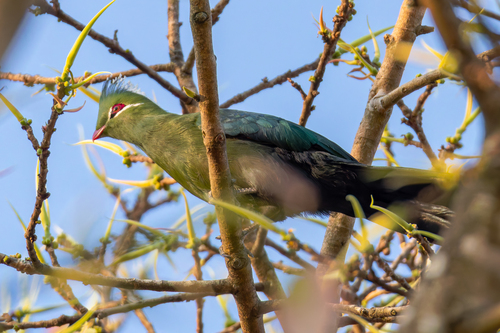 Livingstones toerako
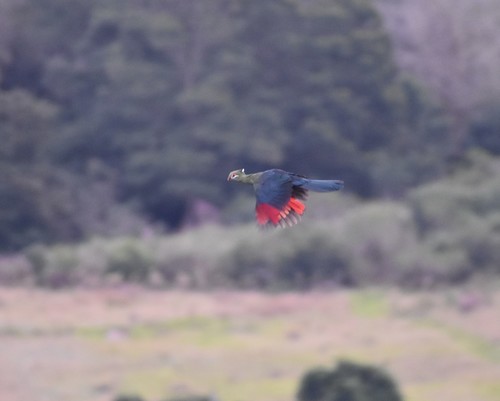 Knysnatoerako
Kort gezegd
Het meest betrouwbare veldkenmerk tussen Livingstones toerako en Knysnatoerako is de kenmerkende witgetipte groene kuif van Knysna en de gedurfde witte lijn onder het oog, kenmerken die niet te zien zijn bij Livingstone's. In de vlucht tonen beide een karmijnrode primaire veren, maar de rode kleur van Knysna is bijzonder opvallend en wordt gebruikt als afleiding voor roofdieren. Juveniele Knysnatoerako's hebben een kortere, niet-getipte kuif, terwijl volwassen vogels altijd de witte tip tonen. Beide zijn voornamelijk groene vogels met lange staarten en rood in de vleugels, maar aandacht voor het gezichts patroon en de vorm van de kuif is essentieel. Bereik en habitat helpen ook: Knysna is verbonden met volwassen altijd groene bossen in het zuiden/oosten van Zuid-Afrika en Eswatini, terwijl Livingstone's verder noord en oost wordt aangetroffen, van Tanzania tot Mozambique en de kust van Zuid-Afrika.
Herkenningstips
- Vorm en kleur van de kuif: Knysnatoerako toont altijd een hoge groene kuif met een duidelijke witte tip bij volwassenen; juvenielen hebben een kortere, niet-getipte kuif. Livingstones toerako mist de witgetipte kuif op alle leeftijden.
- Witte gezichts lijn: Alleen Knysnatoerako heeft een gedurfde witte lijn die net onder het oog loopt, een zeer zichtbaar kenmerk van dichtbij of in goed licht. Livingstones toerako heeft deze eigenschap niet.
- Kleur van de oogring: Knysnatoerako heeft een diepe rode oogring rond een bruine oog, die van dichtbij te zien is. Oogkleur en ring zijn niet gespecificeerd voor Livingstone's, dus de afwezigheid van een sterke rode ring kan op Livingstone's wijzen.
- Snavel: Beide hebben oranje-rode snavels, maar de snavel van Knysna wordt beschreven als klein en dik. Dit is subtiel en niet altijd betrouwbaar in het veld.
- Vluchtpatroon: Beide soorten tonen karmijnrode primaire veren in de vlucht, maar de rode kleur van Knysna is bijzonder levendig en wordt gebruikt als afleiding voor roofdieren. Let op de plotselinge verdwijning van rood wanneer Knysna landt en zijn vleugels vouwt.
- Juveniele kuif: Juveniele Knysnatoerako's missen de witte tip op de kuif, maar tonen nog steeds de witte gezichts lijn en rood in de vleugels. Juvenielen van Livingstone's worden niet in detail beschreven, maar zouden zowel de witgetipte kuif als de witte gezichts lijn moeten missen.
- Vederdracht: Beide zijn voornamelijk groen, maar de combinatie van de witgetipte kuif en de witte gezichts lijn van Knysna is uniek. Livingstone's is groen zonder deze gezichtsaccenten.
- Habitat: Knysnatoerako is bijna altijd in volwassen altijd groene bossen in het zuiden/oosten van Zuid-Afrika en Eswatini. Livingstones is in subtropische laaglanden van Tanzania tot Mozambique en de kust van Zuid-Afrika. Als ze buiten diep bos worden gezien, vooral verder naar het noorden, is de kans groter dat het Livingstone's is.
- Bereik: Als je in het zuidelijkste deel van Zuid-Afrika of Eswatini in altijd groen bos bent, wordt Knysna verwacht. In Mozambique, Malawi of Tanzania zal het Livingstone's zijn.
- Gedrag: Het gedrag van Knysna om roofdieren te vermijden (flitsende rode vleugels in de vlucht, en ze dan verbergen bij het landen) is een subtiele gedrags aanwijzing, maar niet exclusief.
- Staart en structuur: Beide zijn langstaartig en robuust, met een vergelijkbare uitstraling. De vorm van de staart is geen scheiding.
- Seizoen en geslacht: Beide geslachten zijn vergelijkbaar in beide soorten; de witgetipte kuif van Knysna is het hele jaar door aanwezig bij volwassenen. Er is geen seizoensgebonden of seksuele dimorfisme beschreven voor beide.
- Vocalisatie: Niet beschreven in de beschikbare notities; vertrouw niet op stem voor scheiding.
- Valkuilen: In slecht licht kan de groene vederdracht en de rode vleugels beide soorten vergelijkbaar laten lijken. Kijk altijd naar de witgetipte kuif en gezichts lijn voor Knysna, en onthoud dat juvenielen de kuif tip kunnen missen maar nog steeds de gezichts lijn tonen.
- Museum specimens: De groene en rode pigmenten in beide soorten verdiepen met de leeftijd in bewaarde specimens, maar dit beïnvloedt de veldidentificatie niet.
Grootte
Livingstones toerako weegt gemiddeld 318g [wikidata], terwijl er geen specifieke massa wordt gegeven voor Knysnatoerako, maar beide worden beschreven als grote toerako's met een vergelijkbare algehele structuur. Knysnatoerako is 40–42 cm lang inclusief de staart [wikipedia], wat typisch is voor het geslacht. In het veld is grootte geen betrouwbare scheiding tussen deze twee, aangezien beide robuuste, langstaartige vogels zijn met vergelijkbare verhoudingen.
Verenkleed
- Juveniele/onvolwassen vogels: Juveniele Knysnatoerako's hebben een kortere kuif zonder de witte tip die bij volwassenen te zien is, maar tonen nog steeds de witte lijn onder het oog en de rode primaire veren in de vlucht. Er zijn geen specifieke juvenile kenmerken beschreven voor Livingstones toerako, dus neem aan dat ze op volwassenen lijken maar de kenmerkende gezichts- en kuifkenmerken van Knysna missen.
- Volwassen vogels: Knysnatoerako valt op met een hoge groene kuif met een witte tip, een prominente witte lijn onder het oog, en een diepe rode oogring. Livingstones mist zowel de witgetipte kuif als de witte gezichts lijn. Beide soorten hebben voornamelijk groene vederdracht en tonen karmijn in de vleugels tijdens het vliegen, maar de rode kleur van Knysna is bijzonder opvallend en wordt gedacht als afleiding voor roofdieren. De kleur van de snavel is oranje-rood en vergelijkbaar in beide, maar de snavel van Knysna wordt beschreven als dik en klein. De oogkleur is bruin bij Knysna, met een diepe rode oogring, niet gespecificeerd voor Livingstone's.
Gedrag
Beide soorten zijn vaak onopvallend in de boomtoppen, bewegend door dichte begroeiing. Knysnatoerako staat bekend om het gebruik van zijn rode vleugels als lokaas wanneer het aan roofdieren ontsnapt: de rode kleur is zeer zichtbaar in de vlucht maar verdwijnt wanneer de vogel landt en zijn vleugels vouwt. Dit gedrag wordt minder benadrukt voor Livingstones toerako. Beide zijn boombewonend en zelden op de grond te zien.
Habitat
Knysnatoerako is een resident broedvogel in volwassen altijd groene bossen van Zuid-Afrika en Eswatini, en dwaalt zelden ver van deze habitat. Livingstones toerako wordt aangetroffen in subtropische laaglanden verder noord en oost, van het zuiden van Tanzania via Malawi, Mozambique, oostelijk Zimbabwe, en de subtropische kust van Zuid-Afrika. Overlap is beperkt tot het uiterste zuidoosten, en de voorkeur voor habitat (diepe altijd groene bossen voor Knysna versus bredere subtropische laaglanden voor Livingstone's) is een sterke aanwijzing.