

Livingstone's Turaco vs Knysna Turaco
Tauraco livingstonii contro Tauraco corythaix
Fai un quiz con Livingstone's Turaco e Knysna Turaco
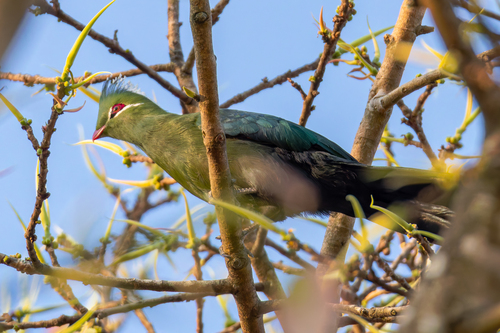 Livingstone's Turaco
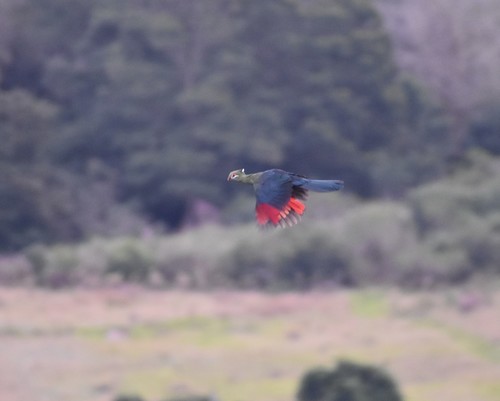 Knysna Turaco
In breve
Il segno distintivo più affidabile tra Livingstone's Turaco e Knysna Turaco è la cresta verde con punta bianca distintiva di Knysna e la linea bianca audace sotto l'occhio, caratteristiche non visibili in Livingstone's. In volo, entrambi mostrano piume primarie cremisi, ma il rosso di Knysna è particolarmente evidente e usato come distrazione per i predatori. I giovani Knysna Turacos hanno una cresta più corta e senza punta, mentre gli adulti mostrano sempre la punta bianca. Entrambi sono principalmente uccelli verdi con lunghe code e rosso nelle ali, ma prestare attenzione al motivo facciale e alla forma della cresta è fondamentale. L'areale e l'habitat aiutano anche: Knysna è legato a foreste sempreverdi mature nel sud/est del Sudafrica e in Eswatini, mentre Livingstone's si trova più a nord e a est, dalla Tanzania al Mozambico e al Sudafrica costiero.
Consigli di identificazione
- Forma e colore della cresta: Knysna Turaco mostra sempre una cresta verde alta con una punta bianca distintiva negli adulti; i giovani hanno una cresta più corta e senza punta. Livingstone's Turaco non ha mai la cresta con punta bianca in nessuna età.
- Linea facciale bianca: Solo Knysna Turaco ha una linea bianca audace che corre appena sotto l'occhio, un segno altamente visibile a distanza ravvicinata o in buona luce. Livingstone's Turaco non ha questa caratteristica.
- Colore dell'anello oculare: Knysna Turaco ha un anello oculare rosso scuro attorno a un occhio marrone, visibile a distanza ravvicinata. Il colore e l'anello dell'occhio non sono specificati per Livingstone's, quindi l'assenza di un forte anello rosso potrebbe suggerire Livingstone's.
- Becco: Entrambi hanno becchi rosso-arancio, ma quello di Knysna è descritto come piccolo e spesso. Questo è sottile e non sempre affidabile sul campo.
- Schema di volo: Entrambe le specie mostrano piume primarie cremisi in volo, ma il rosso di Knysna è particolarmente vivido e usato come distrazione per i predatori. Fai attenzione alla scomparsa improvvisa del rosso quando Knysna atterra e piega le ali.
- Cresta giovanile: I giovani Knysna Turacos non hanno la punta bianca sulla cresta, ma mostrano comunque la linea facciale bianca e il rosso nelle ali. I giovani di Livingstone's non sono descritti in dettaglio ma dovrebbero mancare sia della cresta con punta bianca che della linea facciale bianca.
- Piumaggio: Entrambi sono principalmente verdi, ma la combinazione di cresta con punta bianca e linea facciale bianca di Knysna è unica. Livingstone's è verde senza questi evidenti tratti facciali.
- Habitat: Knysna Turaco si trova quasi sempre in foreste sempreverdi mature nel sud/est del Sudafrica e in Eswatini. Livingstone's si trova in pianure subtropicali dal Tanzania al Mozambico e al Sudafrica costiero. Se visto al di fuori delle foreste profonde, specialmente più a nord, è più probabile che si tratti di Livingstone's.
- Areale: Se ti trovi nel sud del Sudafrica o in Eswatini in una foresta sempreverde, ci si aspetta di vedere Knysna. In Mozambico, Malawi o Tanzania, sarà Livingstone's.
- Comportamento: Il comportamento di evitamento dei predatori di Knysna (ali rosse lampeggianti in volo, poi nascondendole all'atterraggio) è un indizio comportamentale sottile, ma non esclusivo.
- Coda e struttura: Entrambi hanno code lunghe e robuste, con simile jizz. La forma della coda non è un separatore.
- Stagione e sesso: Entrambi i sessi sono simili in entrambe le specie; la cresta con punta bianca di Knysna è presente tutto l'anno negli adulti. Non è descritto dimorfismo stagionale o sessuale per nessuna delle due.
- Vocalizzazione: Non descritta nelle note disponibili; non fare affidamento sulla voce per la separazione.
- Trappole: In scarsa luce, il piumaggio verde e le ali rosse possono far sembrare simili entrambe le specie. Cerca sempre la cresta con punta bianca e la linea facciale per Knysna, e ricorda che i giovani potrebbero mancare della punta della cresta ma mostrano comunque la linea facciale.
- Campioni di museo: I pigmenti verdi e rossi in entrambe le specie si intensificano con l'età nei campioni conservati, ma questo non influisce sull'identificazione sul campo.
Taglia
Livingstone's Turaco pesa in media 318g [wikidata], mentre non è specificato il peso per Knysna Turaco, ma entrambi sono descritti come grandi turacos di struttura simile. Knysna Turaco è lungo 40–42 cm compresa la coda [wikipedia], che è tipico per il genere. Sul campo, la dimensione non è un separatore affidabile tra questi due, poiché entrambi sono uccelli robusti e dalla lunga coda con proporzioni simili.
Piumaggio
- Uccelli giovani/immaturi: I giovani Knysna Turacos hanno una cresta più corta priva della punta bianca vista negli adulti, ma mostrano comunque la linea bianca sotto l'occhio e le piume primarie rosse in volo. Non sono descritti segni specifici per i giovani di Livingstone's Turaco, quindi si presume che assomiglino agli adulti ma manchino delle caratteristiche facciali e di cresta distintive di Knysna.
- Uccelli adulti: Knysna Turaco si distingue per una cresta verde alta con punta bianca, una prominente linea bianca sotto l'occhio e un anello oculare rosso scuro. Livingstone's manca sia della cresta con punta bianca che della linea facciale bianca. Entrambe le specie hanno piumaggio principalmente verde e mostrano cremisi nelle ali quando volano, ma il rosso di Knysna è particolarmente audace e si pensa serva come distrazione per i predatori. Il colore del becco è rosso-arancio e simile in entrambi, ma quello di Knysna è descritto come spesso e piccolo. Il colore dell'occhio è marrone in Knysna, con un anello oculare rosso scuro, non specificato per Livingstone's.
Comportamento
Entrambe le specie sono spesso poco appariscenti nei rami degli alberi, muovendosi silenziosamente attraverso la fitta vegetazione. Knysna Turaco è noto per usare le sue piume rosse delle ali come esca quando scappa dai predatori: il rosso è altamente visibile in volo ma scompare quando l'uccello atterra e piega le ali. Questo comportamento è meno enfatizzato per Livingstone's Turaco. Entrambi sono arboricoli e raramente visti a terra.
Habitat
Knysna Turaco è un riproduttore residente in foreste sempreverdi mature del sud e dell'est del Sudafrica e in Eswatini, raramente allontanandosi da questo habitat. Livingstone's Turaco si trova in pianure subtropicali più a nord e a est, dalla Tanzania meridionale attraverso il Malawi, il Mozambico, lo Zimbabwe orientale e la costa subtropicale del Sudafrica. L'overlap è limitato al sud-est estremo, e la preferenza per l'habitat (foresta sempreverde profonda per Knysna vs. pianura subtropicale più ampia per Livingstone's) è un forte indizio.
Livingstone's Turaco · Knysna Turaco · I miei uccelli difficili