

Motmot

リビングストンエボシドリ 対 エボシドリ

Tauraco livingstonii 対 Tauraco corythaix

リビングストンエボシドリとエボシドリのクイズ
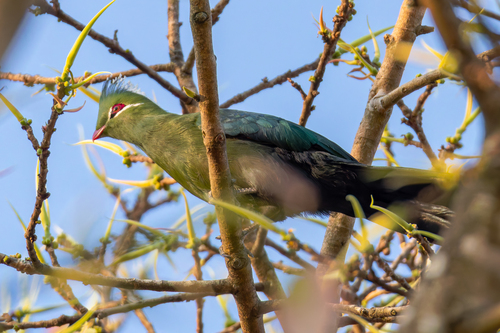
リビングストンエボシドリ (Tauraco livingstonii) リビングストンエボシドリ
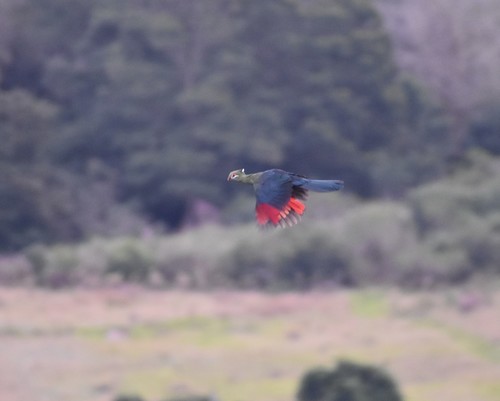
エボシドリ (Tauraco corythaix) エボシドリ

メディア

読み込み中…

要点

リビングストンエボシドリとエボシドリの最も信頼できるフィールドマークは、エボシドリの特徴的な白い先端の緑の冠と目の下の太い白い線であり、リビングストンエボシドリには見られない特徴です。飛行中、両者は深紅の初級羽を示しますが、エボシドリの赤は特に目立ち、捕食者の気をそらすために使用されます。幼鳥のエボシドリは短く、先端のない冠を持ち、成鳥は常に白い先端を示します。両者は主に緑色の鳥で、長い尾と翼に赤を持っていますが、顔の模様と冠の形に注意を払うことが重要です。分布と生息地も役立ちます:エボシドリは南アフリカの南部/東部およびエスワティニの成熟した常緑樹林に結びついていますが、リビングストンエボシドリはタンザニアからモザンビーク、南アフリカの沿岸部まで、さらに北と東に見られます。

識別のコツ

  1. Crest shape and color: エボシドリは常に成鳥において特徴的な白い先端を持つ高い緑の冠を示し、幼鳥は短く、先端のない冠を持ちます。リビングストンエボシドリはすべての年齢で白い先端の冠を欠いています。
  2. White facial line: エボシドリだけが目のすぐ下に太い白い線を持ち、近距離または良好な光の中で非常に目立つマークです。リビングストンエボシドリにはこの特徴がありません。
  3. Eye-ring color: エボシドリは茶色の目の周りに深紅のアイリングを持ち、近距離で見ることができます。リビングストンエボシドリの目の色とリングは指定されていないため、強い赤いリングがない場合はリビングストンエボシドリの可能性があります。
  4. Bill: 両者はオレンジ赤のくちばしを持っていますが、エボシドリのくちばしは小さくて太いと説明されています。これは微妙で、フィールドでは常に信頼できるわけではありません。
  5. Flight pattern: 両種は飛行中に深紅の初級羽を示しますが、エボシドリの赤は特に鮮やかで、捕食者の気をそらすために使用されます。エボシドリが着陸して翼をたたむときに赤が突然消えるのを観察してください。
  6. Juvenile crest: 幼鳥のエボシドリは冠の白い先端を欠いていますが、目の下の白い線と翼の赤を示します。リビングストンエボシドリの幼鳥は詳細に説明されていませんが、白い先端の冠と白い顔の線の両方を欠いているはずです。
  7. Plumage: 両者は主に緑色ですが、エボシドリの白い先端の冠と白い顔の線の組み合わせはユニークです。リビングストンエボシドリはこれらの顔のハイライトなしで緑色です。
  8. Habitat: エボシドリは南アフリカの南部/東部およびエスワティニの成熟した常緑樹林にほぼ常にいます。リビングストンエボシドリはタンザニアからモザンビーク、南アフリカの沿岸部までの亜熱帯低地にいます。深い森の外で見られた場合、特に北に行くほど、リビングストンエボシドリの可能性が高くなります。
  9. Range: 南アフリカの最南部またはエスワティニの常緑樹林にいる場合、エボシドリが期待されます。モザンビーク、マラウイ、またはタンザニアではリビングストンエボシドリになります。
  10. Behavior: エボシドリの捕食者回避行動(飛行中に赤い翼を見せ、その後着陸時に隠す)は微妙な行動の手がかりですが、独占的ではありません。
  11. Tail and structure: 両者は長い尾を持ち、頑丈で、似たような印象を与えます。尾の形は区別要因ではありません。
  12. Season and sex: 両性は両種で似ており、エボシドリの白い先端の冠は成鳥において一年中存在します。どちらにも季節的または性的二形性は説明されていません。
  13. Vocalization: 利用可能なメモには記載されていません。声に頼って区別しないでください。
  14. Pitfalls: 光が悪い場合、緑の羽毛と赤い翼が両種を似たように見せることがあります。常にエボシドリの白い先端の冠と顔の線を探し、幼鳥は冠の先端を欠いている可能性があるが、顔の線は示すことを覚えておいてください。
  15. Museum specimens: 両種の緑と赤の色素は保存された標本で年齢とともに深まりますが、これはフィールド識別には影響しません。

大きさ

リビングストンエボシドリは平均318gの体重を持ちますが、エボシドリの特定の体重は示されていませんが、両者は同様の全体構造の大きなエボシドリとして説明されています。エボシドリは尾を含めて40〜42 cmの長さです。フィールドでは、サイズはこれら二つの間の信頼できる区別要因ではなく、両者は頑丈で長い尾を持つ鳥で、似たような比率を持っています。

羽色

行動

両種はしばしば樹冠の中で目立たず、密な葉の中を静かに移動します。エボシドリは捕食者から逃げる際に赤い翼の羽を囮として使用することで知られています:赤は飛行中に非常に目立ちますが、鳥が着陸して翼をたたむと消えます。この行動はリビングストンエボシドリにはあまり強調されていません。両者は樹上性で、地面にいることは稀です。

生息環境

エボシドリは南アフリカの南部および東部の成熟した常緑樹林に生息する繁殖者であり、この生息地から遠く離れることはほとんどありません。リビングストンエボシドリは、南タンザニアからマラウイ、モザンビーク、東ジンバブエ、南アフリカの亜熱帯沿岸までの亜熱帯低地に見られます。重なりは極東南部に限られ、エボシドリの深い常緑樹林とリビングストンエボシドリの広い亜熱帯低地の生息地の好みは強い手がかりです。

より良い説明を送る

比較と同じ項目を使ってください。文章はすぐに公開されます。

The most reliable field mark between Livingstone's Turaco and Knysna Turaco is the Knysna's distinctive white-tipped green crest and bold white line under the eye, features not seen on Livingstone's. In flight, both show crimson primary feathers, but Knysna's red is especially conspicuous and used as a predator distraction. Juvenile Knysna Turacos have a shorter, untipped crest, while adults always show the white tip. Both are mainly green birds with long tails and red in the wings, but careful attention to facial pattern and crest shape is key. Range and habitat also help: Knysna is tied to mature evergreen forests in southern/eastern South Africa and Eswatini, while Livingstone's is found further north and east, from Tanzania to Mozambique and coastal South Africa.

  1. Crest shape and color: Knysna Turaco always shows a tall green crest with a distinct white tip in adults; juveniles have a shorter, untipped crest. Livingstone's Turaco lacks the white-tipped crest at all ages.
  2. White facial line: Only Knysna Turaco has a bold white line running just under the eye, a highly visible mark at close range or in good light. Livingstone's Turaco does not have this feature.
  3. Eye-ring color: Knysna Turaco has a deep red eye-ring around a brown eye, which can be seen at close range. Eye color and ring are not specified for Livingstone's, so absence of a strong red ring may suggest Livingstone's.
  4. Bill: Both have orange-red bills, but Knysna's is described as small and thick. This is subtle and not always reliable in the field.
  5. Flight pattern: Both species show crimson primary feathers in flight, but Knysna's red is especially vivid and is used as a predator distraction. Watch for the sudden disappearance of red as Knysna lands and folds its wings.
  6. Juvenile crest: Juvenile Knysna Turacos lack the white tip on the crest, but still show the white facial line and red in the wings. Livingstone's juveniles are not described in detail but should lack both the white-tipped crest and white facial line.
  7. Plumage: Both are mainly green, but Knysna's combination of white-tipped crest and white facial line is unique. Livingstone's is green without these facial highlights.
  8. Habitat: Knysna Turaco is almost always in mature evergreen forest in southern/eastern South Africa and Eswatini. Livingstone's is in subtropical lowlands from Tanzania to Mozambique and coastal South Africa. If seen outside deep forest, especially further north, Livingstone's is more likely.
  9. Range: If you are in southernmost South Africa or Eswatini in evergreen forest, Knysna is expected. In Mozambique, Malawi, or Tanzania, it will be Livingstone's.
  10. Behavior: Knysna's predator-avoidance behavior (flashing red wings in flight, then hiding them on landing) is a subtle behavioral clue, but not exclusive.
  11. Tail and structure: Both are long-tailed and robust, with similar jizz. Tail shape is not a separator.
  12. Season and sex: Both sexes are similar in both species; Knysna's white-tipped crest is present year-round in adults. No seasonal or sexual dimorphism is described for either.
  13. Vocalization: Not described in the available notes; do not rely on voice for separation.
  14. Pitfalls: In poor light, the green plumage and red wings can make both species appear similar. Always look for the white-tipped crest and facial line for Knysna, and remember that juveniles may lack the crest tip but still show the facial line.
  15. Museum specimens: The green and red pigments in both species deepen with age in preserved specimens, but this does not affect field identification.

Livingstone's Turaco averages 318g in body mass [wikidata], while no specific mass is given for Knysna Turaco, but both are described as large turacos of similar overall structure. Knysna Turaco is 40–42 cm long including the tail [wikipedia], which is typical for the genus. In the field, size is not a reliable separator between these two, as both are robust, long-tailed birds with similar proportions.

  • Juvenile/immature birds: Juvenile Knysna Turacos have a shorter crest lacking the white tip seen in adults, but still show the white line under the eye and the red primary feathers in flight. No specific juvenile marks are described for Livingstone's Turaco, so assume they resemble adults but lack the Knysna's distinctive facial and crest features.
  • Adult birds: Knysna Turaco stands out with a tall green crest tipped white, a prominent white line under the eye, and a deep red eye-ring. Livingstone's lacks both the white-tipped crest and the white facial line. Both species have mainly green plumage and show crimson in the wings when flying, but Knysna's red is especially bold and is thought to serve as a predator distraction. Bill color is orange-red and similar in both, but Knysna's is described as thick and small. Eye color is brown in Knysna, with a deep red eye-ring, not specified for Livingstone's.

Both species are often inconspicuous in the treetops, moving quietly through dense foliage. Knysna Turaco is noted for using its red wing feathers as a decoy when escaping predators: the red is highly visible in flight but disappears when the bird lands and folds its wings. This behavior is less emphasized for Livingstone's Turaco. Both are arboreal and rarely seen on the ground.

Knysna Turaco is a resident breeder in mature evergreen forests of southern and eastern South Africa and Eswatini, rarely straying far from this habitat. Livingstone's Turaco is found in subtropical lowlands further north and east, from southern Tanzania through Malawi, Mozambique, eastern Zimbabwe, and the subtropical coast of South Africa. Overlap is limited to the far southeast, and habitat preference (deep evergreen forest for Knysna vs. broader subtropical lowland for Livingstone's) is a strong clue.

変更を破棄しますか?

保存していない編集があります。今離れると失われます。

リビングストンエボシドリ · エボシドリ · 苦手な鳥