

Breedstaartnachtzwaluw vs Indische nachtzwaluw
Caprimulgus macrurus versus Caprimulgus atripennis
Speel een quiz met Breedstaartnachtzwaluw en Indische nachtzwaluw
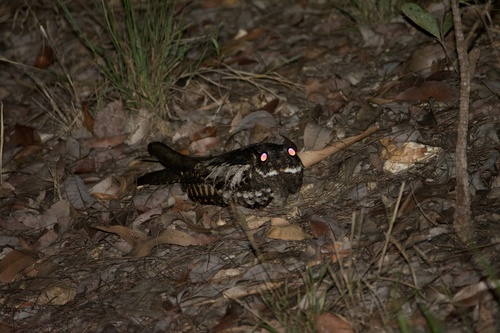 Breedstaartnachtzwaluw
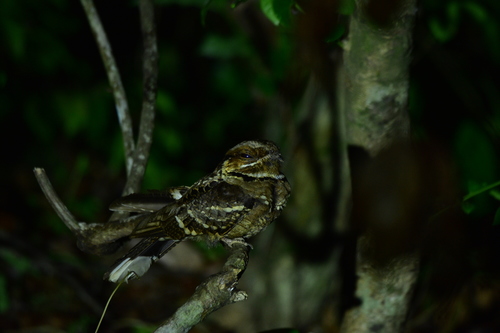 Indische nachtzwaluw
Kort gezegd
Het meest betrouwbare veldkenmerk om de Breedstaartnachtzwaluw van de Indische nachtzwaluw te scheiden, is de staart: de Breedstaartnachtzwaluw heeft een duidelijk langere, bredere staart met opvallende witte vlekken op de buitenste veren (vooral in de vlucht), terwijl de Indische nachtzwaluw een merkbaar kortere staart heeft met minder uitgebreide witte vlekken. In de vlucht tonen volwassen mannelijke Breedstaartnachtzwaluwen grote witte vlekken op zowel de handveren als de buitenste staartveren, terwijl de mannelijke Indische nachtzwaluw een witte vleugelvlek heeft, maar een kortere, minder opvallende staart. Zittend lijkt de Breedstaartnachtzwaluw robuuster en met een langere staart, met een bleke kroon en een gedurfde schouderpatroon, terwijl de Indische nachtzwaluw compacter is, met een uniforme kroon en een zwartachtige kraag. Vocalisaties zijn ook zeer verschillend en kunnen diagnostisch zijn als ze worden gehoord. Beide soorten zijn cryptisch en kunnen moeilijk te scheiden zijn op basis van het verenkleed alleen, vooral de vrouwtjes en onvolwassen vogels, maar structurele en vluchtkenmerken zijn essentieel.
Herkenningstips
- Staartlengte en -structuur: De Breedstaartnachtzwaluw heeft een veel langere en bredere staart dan de Indische nachtzwaluw. Dit is vooral duidelijk in de vlucht of wanneer de staart is uitgespreid; gebruik dit als je eerste controle bij alle leeftijden en geslachten.
- Staartpatroon in de vlucht: Volwassen mannelijke Breedstaartnachtzwaluw toont grote witte vlekken op de buitenste staartveren, terwijl de staart van de Indische nachtzwaluw korter is met minder uitgebreide witte vlekken. Vrouwtjes van beide soorten hebben minder wit, maar het verschil in staartlengte blijft betrouwbaar.
- Primairvlek in de vlucht: Mannelijke Breedstaartnachtzwaluwen hebben grote witte vlekken op de handveren, zichtbaar als gedurfde flitsen in de vlucht. Mannelijke Indische nachtzwaluwen hebben een witte vleugelvlek, maar deze is minder uitgebreid en de kortere staart is een aanwijzing.
- Kroon en schouderveren (zittend): Mannelijke Breedstaartnachtzwaluwen hebben een bleke kroon met een donkere mediane streep en een prominente rij zwarte schouderveren met brede buff- of witachtige randen. De Indische nachtzwaluw heeft een meer uniforme kroon met fijne vernevelingen en een zwartachtige kraag, zonder de gedurfde schoudercontrasten.
- Gorget en kraag: Beide soorten hebben een witte gorget, maar de gorget van de Indische nachtzwaluw is ononderbroken en omrand door een zwartachtige kraag, terwijl die van de Breedstaartnachtzwaluw wordt afgezet door een blekere kroon en meer contrasterende schouderveren.
- Lichaamsgrootte en jizz: De Breedstaartnachtzwaluw is merkbaar groter en robuuster, met een meer langwerpige silhouet en langere staart. De Indische nachtzwaluw is kleiner, compacter en kortstaartiger. Dit is zowel zittend als in de vlucht duidelijk.
- Seksueel dimorfisme: Vrouwelijke Breedstaartnachtzwaluwen zijn bleker en grijzer met kleinere buffkleurige vleugelvlekken en minder levendige staartvlekken, maar zijn nog steeds langer van staart dan vrouwelijke Indische nachtzwaluwen. Vrouwelijke Indische nachtzwaluwen zijn doffer en kortstaartiger.
- Vluchtstijl: Beide soorten hebben een stille, fladderende vlucht, maar de langere staart van de Breedstaartnachtzwaluw geeft een meer langzame, slepende indruk, terwijl de Indische nachtzwaluw meer motachtig en compact lijkt.
- Habitatcontext: Als je ze ziet in dichte bossen, plantages of landbouwgrond in Zuidoost-Azië of Australië, is de kans groter dat je de Breedstaartnachtzwaluw ziet. In Zuid-India of Sri Lanka, vooral in open bos of struikgewas, is de kans groter dat je de Indische nachtzwaluw ziet.
- Rustgedrag: De Indische nachtzwaluw is minder waarschijnlijk op wegen 's nachts te vinden en kan op struiken zitten, terwijl de Breedstaartnachtzwaluw vaker op de grond of op lage zitplaatsen wordt aangetroffen.
- Vocalisaties: Het lied van de Breedstaartnachtzwaluw is een monotone, diepe 'wroww' of 'wrrrog', terwijl de Indische nachtzwaluw een houten-plankachtige roep of snelle 'ch-woo-woo' geeft. Als je de roep hoort, is dit diagnostisch.
- Geografisch bereik: Als je buiten Zuid-India/Sri Lanka bent, is de kans veel groter dat je de Breedstaartnachtzwaluw ziet. In gebieden van overlap (noordoostelijke Indische schiereiland), vertrouw op structuur en vocalisaties.
- Verenkleed valkuilen: Beide zijn cryptisch en kunnen vergelijkbaar lijken wanneer ze rusten. Focus op staartlengte, vleugelvlekken en kroonpatroon voor betrouwbare scheiding.
- Leeftijd/seizoen: Er zijn geen onderscheidende juvenile/onvolwassen bovenvleugelpatronen beschreven voor beide soorten, dus gebruik volwassen kenmerken voor alle leeftijden, tenzij er meer details beschikbaar zijn.
- Bij twijfel: Als de vogel stil is en gedeeltelijk verborgen, geef dan prioriteit aan staartlengte en -structuur, kijk dan naar kroon- en schoudercontrast, en overweeg uiteindelijk habitat en bereik.
Grootte
De Breedstaartnachtzwaluw is de grotere van de twee, met een lengte van ongeveer 31,5–33 cm [wikipedia], terwijl de Indische nachtzwaluw kleiner is met ongeveer 26 cm [wikipedia]. Dit formaatverschil is merkbaar in het veld, vooral bij het vergelijken van zittende vogels of vogels in de vlucht naast elkaar. De Breedstaartnachtzwaluw lijkt ook robuuster en met een langere staart, wat bijdraagt aan een meer langwerpig silhouet, terwijl de Indische nachtzwaluw compacter en proportioneel kortstaartiger is.
Verenkleed
- Juveniel/Onvolwassen/Eerste-winter (waar bekend): Er zijn geen expliciete verschillen in vleugelpatronen voor juvenielen/onvolwassenen beschreven voor deze soorten in de bronnen, dus de focus ligt op volwassen en geslachtsgebonden verschillen.
- Volwassen mannetjes: Mannelijke Breedstaartnachtzwaluwen hebben een bleke kroon met een donkere mediane streep, een prominente rij zwarte schouderveren met brede buff- of witachtige randen, een witte keelvlek, en een lange, brede bruine staart met ongelijke donkere strepen en grote witte vlekken op de handveren en buitenste staartveren (vooral zichtbaar in de vlucht). Mannelijke Indische nachtzwaluwen hebben een meer uniforme kroon met fijne vernevelingen, een zwartachtige kraag, een witte vleugelvlek, en een kortere, gestreepte staart met minder uitgebreide witte vlekken. Beide soorten hebben cryptisch, gevarieerd bruin en buff verenleed, maar de Breedstaartnachtzwaluw is over het algemeen gedurfder gemarkeerd.
- Volwassen vrouwtjes: Vrouwelijke Breedstaartnachtzwaluwen zijn bleker en grijzer dan mannetjes, met kleinere buffkleurige vleugelvlekken en minder levendige staartvlekken, wat een doffer uiterlijk geeft. Vrouwelijke Indische nachtzwaluwen zijn ook cryptisch en gevarieerd, maar met een kortere staart en minder contrast in het algemeen. Beide soorten hebben een witte gorget, maar die van de Indische nachtzwaluw is ononderbroken en de kraag is zwartachtig.
- In de vlucht: De Breedstaartnachtzwaluw toont grote witte vlekken op de handveren en buitenste staartveren (vooral bij mannetjes), terwijl de Indische nachtzwaluw een witte vleugelvlek toont maar een kortere staart met minder wit. De staartlengte en het patroon zijn de meest betrouwbare kenmerken in de vlucht.
Gedrag
Beide soorten zijn nachtactief en zeer cryptisch, rustend op de grond gedurende de dag en vertrouwend op camouflage. De Breedstaartnachtzwaluw wordt vaker aangetroffen in secundaire bossen, bosranden, plantages en zelfs landbouwgebieden, soms zittend in open of semi-open plekken. De Indische nachtzwaluw geeft de voorkeur aan open bos, struikgewas en teelt, maar is minder waarschijnlijk om 's nachts op wegen te rusten (in tegenstelling tot sommige andere nachtzwaluwen), vaak zittend op struiken en roepend vanuit bomen. Beide soorten voeden zich met nachtelijke insecten, maar de gewoonte van de Indische nachtzwaluw om 's nachts van de grond te zitten kan een subtiele gedragsindicatie zijn.
Habitat
De Breedstaartnachtzwaluw heeft een veel breder bereik, van de zuidelijke Himalaya-voeten door Zuidoost-Azië tot Noord-Australië, en wordt aangetroffen in een verscheidenheid aan vochtige laagland-, mangrove- en bergbossen, evenals bosranden, plantages en zelfs landbouwlandschappen. De Indische nachtzwaluw is beperkt tot Zuid-India en Sri Lanka, met een voorkeur voor open bos, struikgewas en gecultiveerde gebieden. Als je je in het kerngebied van één soort bevindt, kan dit helpen om de identificatie te verfijnen, maar er is enige overlap in het noordoosten van India. Beide soorten zijn grondnester, leggen eieren direct op bladafval of blote grond.
Geluid
Vocalisaties zijn zeer diagnostisch. De Breedstaartnachtzwaluw geeft een onderscheidend, monotone territoriale zang (vaak beschreven als een herhaalde 'wroww' of snelle 'wrrrog/grrrog'), met diepe, lage tonen en af en toe knorrende roepen. De Indische nachtzwaluw daarentegen heeft een unieke roep die lijkt op een houten plank die wordt geslagen, waarbij elke noot eindigt in een trilling; een andere roep is een snelle herhalende 'ch-woo-woo' en een kikkerachtige kwaak. Als je de roep hoort, is de scheiding eenvoudig.
Breedstaartnachtzwaluw · Indische nachtzwaluw · Mijn lastige vogels