

Grijze nachtzwaluw vs Breedstaartnachtzwaluw
Caprimulgus jotaka versus Caprimulgus macrurus
Speel een quiz met Grijze nachtzwaluw en Breedstaartnachtzwaluw
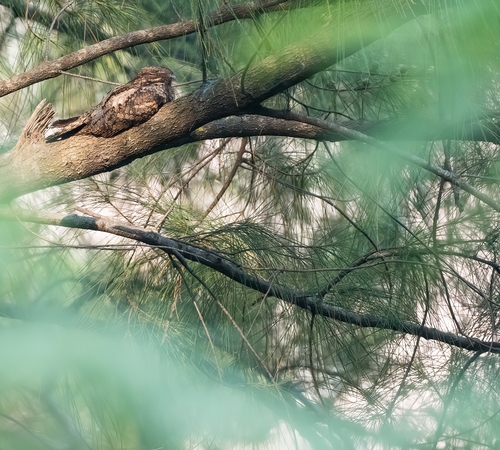 Grijze nachtzwaluw
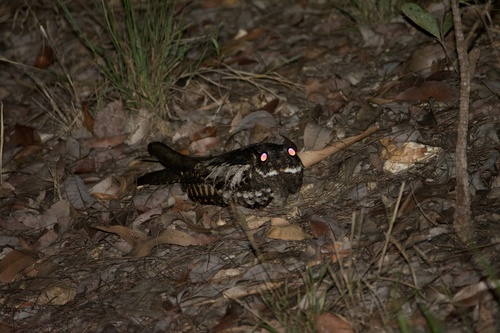 Breedstaartnachtzwaluw
Kort gezegd
Het meest betrouwbare veldkenmerk tussen Grijze nachtzwaluw en Breedstaartnachtzwaluw is het patroon en de omvang van wit in de vleugels en staart, vooral in de vlucht en bij volwassen mannetjes. Mannetjes van de Breedstaartnachtzwaluw tonen grote, duidelijke witte vlekken op de primaire vleugels en de buitenste staartveren, terwijl mannetjes van de Grijze nachtzwaluw meer beperkte witte vlekken hebben: een enkele witte vlek op de eerste primaire en kleinere subterminal staartvlekken. Vrouwtjes van beide soorten missen of verminderen deze witte gebieden sterk, maar de Breedstaartnachtzwaluw lijkt nog steeds een langere staart en een robuustere bouw te hebben. Structuur en staartvorm zijn ook nuttig: de Breedstaartnachtzwaluw heeft een opvallend langere staart en bredere vleugels, terwijl de Grijze nachtzwaluw compacter is. Beide soorten zijn cryptisch wanneer ze zitten, maar subtiele verschillen in kroon-, schouder- en keelpatronen kunnen helpen bij close-ups.
Herkenningstips
- Witte vleugel- en staartvlekken in vlucht (volwassen mannetjes): Mannetjes van de Breedstaartnachtzwaluw hebben grote, duidelijke witte vlekken op de primaire vleugels en de buitenste staartveren, gemakkelijk te zien in de vlucht of wanneer de vogel zijn staart opent. Mannetjes van de Grijze nachtzwaluw hebben een enkele witte vlek op de eerste primaire en kleinere, meer beperkte witte vlekken op de staart. Vrouwtjes van beide soorten missen of verminderen deze markeringen sterk, maar het contrast is nog steeds nuttig voor mannetjes en sommige jonge vogels.
- Staartlengte en -vorm: De Breedstaartnachtzwaluw heeft een opvallend langere staart en bredere staart dan de Grijze nachtzwaluw. In de vlucht of wanneer ze zitten, let op een staart die goed voorbij de vleugeltips steekt en breed en rond lijkt bij de Breedstaart; de staart van de Grijze nachtzwaluw is korter en meer vierkant.
- Kroon- en schouderpatroon: Mannetjes van de Breedstaartnachtzwaluw hebben een bleke kroon met een donkere mediane streep en een prominente rij zwarte schouderveren met brede buff- of witachtige randen. De kroon van de Grijze nachtzwaluw is ingewikkelder gevlekt met een centrale zwarte streep, en de schouderveren zijn zwart met bruinachtige gele vlekken, minder opvallend afgezet.
- Keelvlek: Beide mannetjes hebben een witte keelvlek, maar deze is groter en helderder bij de Breedstaartnachtzwaluw. Bij de Grijze nachtzwaluw is de vlek kleiner, vooral bij vrouwtjes, en kan deze bruinachtig getint zijn.
- Onderzijde: De Grijze nachtzwaluw is dichter gebarricadeerd en gevlekt aan de onderzijde, met donkerbruine en bleke bruinachtige gele horizontale strepen. De Breedstaartnachtzwaluw is minder zwaar gemarkeerd, en lijkt schoner aan de onderzijde, vooral bij mannetjes.
- Vrouwtjespluim: Vrouwelijke Breedstaartnachtzwaluwen zijn bleker en grijzer, met kleinere buffkleurige vleugelpuntjes en minder levendige staartvlekken. Vrouwelijke Grijze nachtzwaluwen zijn slechts iets bleker dan mannetjes, en missen wit in vleugel en staart; hun keelvlek is kleiner en bruiner.
- Rusthouding: De Grijze nachtzwaluw zit vaak lengterichting op takken, waardoor hij goed opgaat in de schors. De Breedstaartnachtzwaluw wordt vaker op de grond of in bladeren aangetroffen, maar beide kunnen elk substraat gebruiken.
- Vluchtstijl: De Grijze nachtzwaluw heeft langzame vleugelslagen, glijdt of zweeft vaak, en kan scherpe bochten maken. De langere staart van de Breedstaartnachtzwaluw kan een meer langzame, glijdende vlucht geven, maar directe vergelijking is nodig voor zekerheid.
- Habitatcontext: In dichte, vochtige laagland- of mangrovebossen, vooral in Zuidoost-Azië of Australië, is de Breedstaartnachtzwaluw waarschijnlijker. In open bossen, grashellingen of op de rand van gematigde bossen in Oost-Azië, heeft de Grijze nachtzwaluw de voorkeur.
- Geografisch bereik: Als je in Japan, Korea of het Russische Verre Oosten bent, is het de Grijze nachtzwaluw. In Australië of Wallacea is het de Breedstaartnachtzwaluw. In de Himalaya en Zuidoost-Azië zijn beide mogelijk; gebruik structuur en pluim.
- Stem: Het diepe, repetitieve 'wroww' of 'wrrrog' lied van de Breedstaartnachtzwaluw is kenmerkend. De roep van de Grijze nachtzwaluw verschilt (niet hier beschreven), maar het ontbreken van zang is niet diagnostisch.
- Camouflage en detectie: Beide zijn extreem cryptisch wanneer ze rusten; zorgvuldige scanning op vorm, staartlengte en schouderpatroon is essentieel.
- Jizz: De Breedstaartnachtzwaluw geeft een zwaardere, langere indruk in het algemeen, vooral wanneer hij zit of in de vlucht is. De Grijze nachtzwaluw is compacter en minder fors.
- Geslacht en leeftijd: Het meeste wit in vleugel en staart is te vinden bij volwassen mannetjes; vrouwtjes en jonge vogels zijn lastiger en vereisen aandacht voor structuur en subtiele pluimverschillen.
- Overlap en valkuilen: In gebieden van overlap, vooral in de Himalaya en Zuidoost-Azië, verwacht verwarring. Gebruik een combinatie van staartlengte, omvang van de witte vlek, schouderpatroon en habitat om ze te scheiden.
Grootte
De Breedstaartnachtzwaluw is de grotere soort, met een lengte van ongeveer 31,5–33 cm [wikipedia], met een proportioneel langere en bredere staart. De Grijze nachtzwaluw is gemiddeld van grootte voor een nachtzwaluw, maar duidelijk kleiner en compacter dan de Breedstaart. In het veld lijkt de Breedstaartnachtzwaluw vaak zwaarder en langer van snavel tot staartpunt, vooral wanneer hij zit of in de vlucht is. Beide hebben grote hoofden en ogen die typisch zijn voor nachtzwaluwen, maar de algehele indruk is robuuster voor de Breedstaart.
Verenkleed
- Jonge en volwassen mannetjes in vlucht: Mannetjes van de Breedstaartnachtzwaluw tonen grote witte vlekken op de primaire vleugels (buitenvleugel) en brede witte vlekken op de buitenste staartveren, gemakkelijk zichtbaar in de vlucht. Mannetjes van de Grijze nachtzwaluw hebben een enkele witte cirkelvormige vlek op de eerste primaire en kleinere, meer beperkte witte subterminal vlekken op de buitenste staartveren. Vrouwtjes van beide soorten verminderen of missen deze witte gebieden, maar bij vrouwtjes van de Grijze nachtzwaluw is het wit bijna afwezig in zowel vleugel als staart, en de keelvlek is kleiner en bruiner.
- Kroon en schouderveren: Beide soorten hebben een donkere mediane kroonstreep, maar mannetjes van de Breedstaartnachtzwaluw hebben een blekere kroon en een zeer prominente rij zwarte schouderveren met brede buff- of witachtige randen. De schouderveren van de Grijze nachtzwaluw zijn zwart met bruinachtige gele vlekken en minder contrasterend.
- Keel en onderzijde: Beide mannetjes hebben een witte keelvlek, maar deze is groter en helderder bij de Breedstaartnachtzwaluw. De keelvlek van de Grijze nachtzwaluw is kleiner, vooral bij vrouwtjes, en kan bruinachtig getint zijn. De onderzijde van de Grijze nachtzwaluw is dicht gebarricadeerd en gevlekt, terwijl de Breedstaartnachtzwaluw minder zwaar gemarkeerd is aan de onderzijde.
- Staartpatroon: De staart van de Breedstaartnachtzwaluw is langer, met ongelijke donkere strepen en brede witte vlekken (man). De staart van de Grijze nachtzwaluw is korter, met dichte vlekken en 6–7 zwarte golvende banden; wit is kleiner en meer beperkt.
- Vrouwtjes: Vrouwtjes van beide soorten zijn doffer, maar vrouwelijke Breedstaartnachtzwaluwen zijn over het algemeen bleker en grijzer, met kleinere buffkleurige vleugelpuntjes en minder levendige staartvlekken, terwijl vrouwelijke Grijze nachtzwaluwen slechts iets bleker zijn dan mannetjes en wit missen in vleugel en staart.
Gedrag
Beide soorten zijn nachtactief en cryptisch overdag, vaak rustend op de grond of op lage takken. De Grijze nachtzwaluw staat vooral bekend om het parallel zitten aan takken, waardoor hij goed opgaat in de schors. In de vlucht is de Grijze nachtzwaluw stil, met langzame vleugelslagen en af en toe glijden of zweven, vaak in cirkels vliegend maar in staat om scherpe bochten te maken bij het achtervolgen van insecten. De Breedstaartnachtzwaluw vliegt ook 's nachts, maar wordt minder gedetailleerd beschreven; zijn langere staart kan een meer langzame, glijdende vlucht geven. Beide zijn moeilijk te detecteren wanneer ze rusten vanwege hun camouflage.
Habitat
De Grijze nachtzwaluw broedt in Oost-Azië (zuid-oost Rusland, China, Korea, Japan, noordelijk Indochina, Himalaya) en is migrerend in het noorden, winterend tot Java. Hij geeft de voorkeur aan open bossen, grashellingen en bosranden. De Breedstaartnachtzwaluw heeft een veel breder bereik, van de zuidelijke Himalaya door Zuidoost-Azië naar noordelijk Australië, en is er het hele jaar door resident. Hij gebruikt een breder scala aan habitats, waaronder laagland- en bergbossen, mangroven, plantages, beboste parken en zelfs landbouwgrond. Overlap is mogelijk in Zuidoost-Azië en de Himalaya-voeten, maar de Breedstaart is waarschijnlijker in dichte bossen en vochtige laaglanden, terwijl de Grijze nachtzwaluw de voorkeur geeft aan meer open of gematigde habitats.
Geluid
De Breedstaartnachtzwaluw heeft een kenmerkend, monotoon territoriaal lied, beschreven als een reeks diepe 'wroww' of snelle 'wrrrog' noten, en geeft ook gruntende roepen. De vocalisaties van de Grijze nachtzwaluw zijn niet beschreven in de gegeven notities, maar de twee soorten werden deels gesplitst door verschillen in roep. In het veld is het horen van een klassiek lied van de Breedstaartnachtzwaluw een sterke aanwijzing, maar stilte of afwezigheid van zang is niet diagnostisch.
Grijze nachtzwaluw · Breedstaartnachtzwaluw · Mijn lastige vogels