

Gray Nightjar vs Large-tailed Nightjar
Caprimulgus jotaka contro Caprimulgus macrurus
Fai un quiz con Gray Nightjar e Large-tailed Nightjar
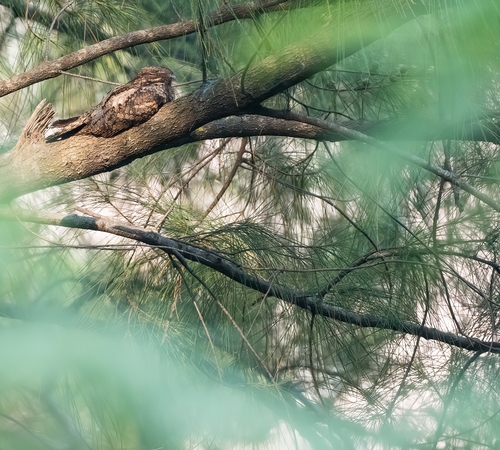 Gray Nightjar
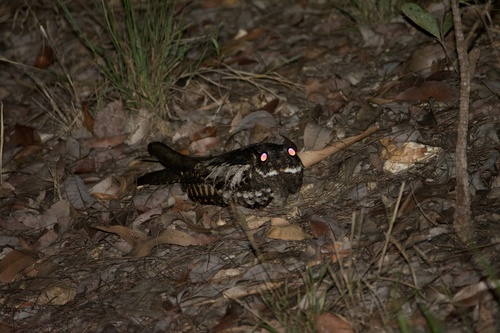 Large-tailed Nightjar
In breve
Il segno di campo più affidabile tra Gray Nightjar e Large-tailed Nightjar è il modello e l'estensione del bianco nelle ali e nella coda, specialmente in volo e nei maschi adulti. I maschi di Large-tailed Nightjar mostrano grandi e ovvie macchie bianche sulle primarie e sulle piume esterne della coda, mentre i maschi di Gray Nightjar hanno un bianco più limitato: una singola macchia bianca sulla prima primaria e macchie subterminali più piccole sulla coda. Le femmine di entrambe le specie mancano o riducono notevolmente queste aree bianche, ma il Large-tailed Nightjar appare comunque con una coda più lunga e più robusta. La struttura e la forma della coda sono anche utili: il Large-tailed Nightjar ha una coda notevolmente più lunga e ali più larghe, mentre il Gray Nightjar è più compatto. Entrambe le specie sono criptiche quando sono posate, ma sottili differenze nei modelli di corona, scapolare e gola possono aiutare con osservazioni ravvicinate.
Consigli di identificazione
- Macchie bianche nelle ali e nella coda in volo (maschi adulti): I maschi di Large-tailed Nightjar hanno grandi e ovvie macchie bianche sulle primarie e sulle piume esterne della coda, facilmente visibili in volo o quando l'uccello apre la coda. I maschi di Gray Nightjar hanno una singola macchia bianca sulla prima primaria e un bianco più piccolo e più ristretto sulla coda. Le femmine di entrambe le specie mancano o riducono notevolmente questi segni, ma il contrasto è comunque utile per i maschi e alcuni immaturi.
- Lunghezza e forma della coda: Il Large-tailed Nightjar ha una coda notevolmente più lunga e più larga rispetto al Gray Nightjar. In volo o posato, cerca una coda che si proietta bene oltre le punte delle ali e appare larga e arrotondata nel Large-tailed; la coda del Gray Nightjar è più corta e più squadrata.
- Modello di corona e scapolare: I maschi di Large-tailed Nightjar hanno una corona chiara con una striscia mediana scura e una fila prominente di scapolari neri con ampie frange color buff o biancastre. La corona del Gray Nightjar è più intricatamente vermicolata con una striscia centrale nera, e gli scapolari sono neri con macchie giallo-brune, meno audacemente bordati.
- Macchia della gola: Entrambi i maschi hanno una macchia bianca sulla gola, ma è più grande e più luminosa nel Large-tailed Nightjar. Nel Gray Nightjar, la macchia è più piccola, specialmente nelle femmine, e può essere tinta di marrone.
- Parte inferiore: Il Gray Nightjar è più densamente barrato e vermicolato sotto, con strisce orizzontali di marrone scuro e giallo pallido. Il Large-tailed Nightjar è meno pesantemente marcato, apparendo più pulito sotto, specialmente nei maschi.
- Piumaggio femminile: Le femmine di Large-tailed Nightjar sono più chiare e grigie, con macchie di ali color buff più piccole e macchie di coda meno vivaci. Le femmine di Gray Nightjar sono solo leggermente più chiare dei maschi, e mancano di bianco nelle ali e nella coda; la loro macchia sulla gola è più piccola e più marrone.
- Postura di riposo: Il Gray Nightjar spesso si posa lungo i rami, mimetizzandosi bene con la corteccia. Il Large-tailed Nightjar è più probabile trovarlo a terra o nel fogliame, ma entrambi possono utilizzare entrambi i substrati.
- Stile di volo: Il Gray Nightjar ha battiti d'ala lenti, spesso plana o sospende, e può fare curve brusche. La coda più lunga del Large-tailed Nightjar può dare un volo più languido e planante, ma è necessaria una comparazione diretta per certezza.
- Contesto habitat: In foreste dense e umide di pianura o mangrovie, specialmente nel Sud-est asiatico o in Australia, è più probabile trovare il Large-tailed Nightjar. In boschi aperti, pendii erbosi o ai margini di foreste temperate nell'Asia orientale, è favorito il Gray Nightjar.
- Gamma geografica: Se ci si trova in Giappone, Corea o nel Far East russo, è il Gray Nightjar. In Australia o Wallacea, è il Large-tailed. Nelle Himalaya e nel Sud-est asiatico, entrambe le specie sono possibili; usa la struttura e il piumaggio.
- Voce: Il canto profondo e ripetitivo del Large-tailed Nightjar è distintivo. I richiami del Gray Nightjar differiscono (non descritti qui), ma l'assenza di canto non è diagnostica.
- Camuffamento e rilevamento: Entrambi sono estremamente criptici quando si riposano; è essenziale un attento esame della forma, della lunghezza della coda e del modello scapolare.
- Jizz: Il Large-tailed Nightjar dà un'impressione complessiva più pesante e lunga, specialmente quando è posato o in volo. Il Gray Nightjar è più compatto e meno ingombrante.
- Sesso e età: La maggior parte del bianco nelle ali e nella coda è sui maschi adulti; le femmine e gli immaturi sono più difficili e richiedono attenzione alla struttura e a sottili differenze nel piumaggio.
- Sovrapposizione e insidie: Nelle aree di sovrapposizione dell'areale, specialmente nelle Himalaya e nel Sud-est asiatico, ci si aspetta confusione. Usa una combinazione di lunghezza della coda, estensione della macchia bianca, modello scapolare e habitat per separarli.
Taglia
Il Large-tailed Nightjar è la specie più grande, misurando circa 31,5–33 cm di lunghezza [wikipedia], con una coda proporzionalmente più lunga e più larga. Il Gray Nightjar è di dimensioni medie per un nightjar, ma decisamente più piccolo e compatto rispetto al Large-tailed. Sul campo, il Large-tailed Nightjar appare spesso con un corpo più pesante e più lungo dal becco alla punta della coda, specialmente quando è posato o in volo. Entrambi hanno teste e occhi grandi tipici dei nightjar, ma l'impressione generale è più robusta per il Large-tailed.
Piumaggio
- Maschi immaturi e adulti in volo: I maschi di Large-tailed Nightjar mostrano grandi macchie bianche sulle primarie (ala esterna) e ampie macchie bianche sulle piume esterne della coda, facilmente visibili in volo. I maschi di Gray Nightjar hanno una singola macchia bianca circolare sulla prima primaria e macchie subterminali bianche più piccole e più ristrette sulle piume esterne della coda. Le femmine di entrambe le specie riducono o mancano di queste aree bianche, ma nelle femmine di Gray Nightjar, il bianco è quasi assente sia nelle ali che nella coda, e la macchia sulla gola è più piccola e marrone.
- Corona e scapolari: Entrambe le specie hanno una striscia mediana scura sulla corona, ma i maschi di Large-tailed Nightjar hanno una corona più chiara e una fila molto prominente di scapolari neri con ampie frange color buff o biancastre. Gli scapolari del Gray Nightjar sono neri con macchie giallo-brune e meno contrastanti.
- Gola e parte inferiore: Entrambi i maschi hanno una macchia bianca sulla gola, ma è più grande e più luminosa nel Large-tailed Nightjar. La macchia sulla gola del Gray Nightjar è più piccola, specialmente nelle femmine, e può essere tinta di marrone. Le parti inferiori del Gray Nightjar sono densamente barrate e vermicolate, mentre il Large-tailed Nightjar è meno marcato sotto.
- Modello della coda: La coda del Large-tailed Nightjar è più lunga, con barre scure irregolari e ampie macchie bianche (maschio). La coda del Gray Nightjar è più corta, con dense vermicolazioni e 6–7 bande ondulate nere; il bianco è più piccolo e più ristretto.
- Femmine: Le femmine di entrambe le specie sono più opache, ma le femmine di Large-tailed Nightjar sono più chiare e grigie nel complesso, con macchie di ali color buff più piccole e macchie di coda meno vivaci, mentre le femmine di Gray Nightjar sono solo leggermente più chiare dei maschi e mancano di bianco nelle ali e nella coda.
Comportamento
Entrambe le specie sono notturne e criptiche durante il giorno, spesso riposando a terra o su rami bassi. Il Gray Nightjar è particolarmente noto per riposare parallelo ai rami, mimetizzandosi con la corteccia. In volo, il Gray Nightjar è silenzioso, con battiti d'ala lenti e occasionali planate o sospensioni, spesso volando in cerchi ma capace di curve brusche quando insegue insetti. Anche il Large-tailed Nightjar vola di notte ma è meno descritto in dettaglio; la sua coda più lunga può dare un volo più languido e planante. Entrambi sono difficili da rilevare quando si riposano a causa del loro camuffamento.
Habitat
Il Gray Nightjar nidifica nell'Asia orientale (Russia sud-orientale, Cina, Corea, Giappone, Indocina settentrionale, Himalaya) ed è migratorio a nord, svernando a sud fino a Giava. Favorisce boschi aperti, pendii erbosi e margini di foreste. Il Large-tailed Nightjar ha un'area molto più ampia, dalle Himalaya meridionali attraverso il Sud-est asiatico fino all'Australia settentrionale, ed è residente in tutto. Utilizza una varietà più ampia di habitat, comprese foreste di pianura e montane, mangrovie, piantagioni, parchi boschivi e persino terreni agricoli. È possibile una sovrapposizione nel Sud-est asiatico e ai piedi dell'Himalaya, ma il Large-tailed è più probabile in foreste dense e umide, mentre il Gray Nightjar preferisce habitat più aperti o temperati.
Voce
Il Large-tailed Nightjar ha un canto territoriale distintivo e monotono, descritto come una serie di note profonde 'wroww' o veloci 'wrrrog', e produce anche richiami gutturali. Le vocalizzazioni del Gray Nightjar non sono descritte nelle note fornite, ma le due specie sono state separate in parte da differenze nei richiami. Sul campo, sentire un canto classico del Large-tailed Nightjar è un forte indizio, ma il silenzio o l'assenza di canto non è diagnostico.
Gray Nightjar · Large-tailed Nightjar · I miei uccelli difficili