

Ethiopische zwaluw vs Roodkruinzwaluw
Hirundo aethiopica versus Hirundo smithii
Speel een quiz met Ethiopische zwaluw en Roodkruinzwaluw
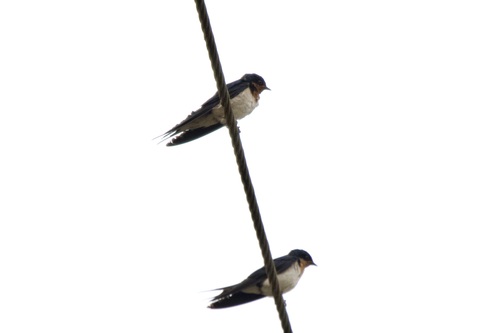 Ethiopische zwaluw
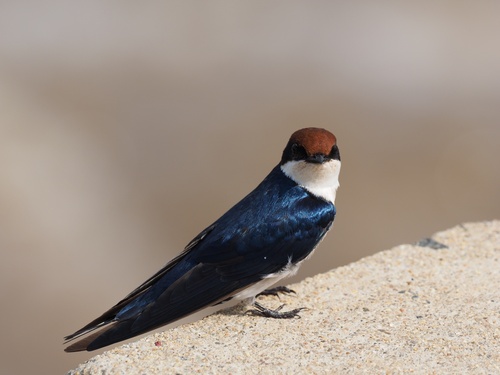 Roodkruinzwaluw
Kort gezegd
Het meest betrouwbare veldkenmerk om de Ethiopische zwaluw van de Roodkruinzwaluw te scheiden, is de aanwezigheid van extreem lange, filamentachtige buitenste staartveren ('draden') bij volwassen Roodkruinzwaluwen, die afwezig zijn bij de Ethiopische zwaluw. Juveniele Roodkruinzwaluwen missen deze draden, maar kunnen worden herkend aan hun bruine kroon en rug, in contrast met de meer uniforme verenkleed van jonge Ethiopische zwaluwen. Beide soorten zijn kleine, blauw-witte zwaluwen met kastanjebruine of bruinachtige petten, maar de staartvorm en petkleur van de Roodkruinzwaluw (vooral bij volwassenen) zijn cruciaal. Onvolwassen vogels worden vaak verward, dus let goed op de kleur van de kroon en de staartstructuur.
Herkenningstips
- Staartdraden bij volwassenen: Volwassen Roodkruinzwaluwen hebben extreem lange, filamentachtige buitenste staartveren ('draden') die ver voorbij de staartpunt hangen. De Ethiopische zwaluw toont deze draden nooit, ongeacht leeftijd of geslacht.
- Kleur van de kroon bij juvenielen: Juveniele Roodkruinzwaluwen hebben een bruine kroon, rug en staart, in contrast met hun witte onderzijde. Juveniele Ethiopische zwaluwen missen deze sterke bruine kroon en zijn boven meer uniform gekleurd.
- Kleur van de pet bij volwassenen: Volwassen Roodkruinzwaluwen hebben een heldere kastanjebruine pet die opvalt tegen de blauwe bovenkant. De pet van de Ethiopische zwaluw is doffer en minder scherp gedefinieerd.
- Staartvorm in de vlucht: Zelfs wanneer staartdraden niet duidelijk zijn (bijv. bij vrouwelijke Roodkruinzwaluw of bij slechte zicht), toont de Roodkruinzwaluw vaak een dieper gevorkte staart dan de Ethiopische zwaluw, hoewel dit subtiel is en het beste in combinatie met andere kenmerken kan worden gebruikt.
- Seksueel dimorfisme: Alleen de Roodkruinzwaluw vertoont seksueel dimorfisme in de lengte van de staartdraden - mannetjes hebben langere draden dan vrouwtjes. De Ethiopische zwaluw toont dit verschil niet.
- Vlucht silhouet: Volwassen Roodkruinzwaluwen hebben een kenmerkend vluchtprofiel door hun achterblijvende draden, vooral wanneer ze van achteren of onderen worden gezien. De vlucht van de Ethiopische zwaluw is meer typisch voor kleine zwaluwen, zonder achterblijvende filamenten.
- Zittende houding: Wanneer ze zitten, zijn de draden van de volwassen Roodkruinzwaluw vaak zichtbaar, soms zelfs slepend op de zitplaats. De Ethiopische zwaluw toont deze eigenschap nooit.
- Verencontrast bij onvolwassen vogels: Jonge Roodkruinzwaluwen hebben een merkbaar bruinachtige rug en kroon, terwijl onvolwassen Ethiopische zwaluwen meer uniform gekleurd zijn en het sterke contrast tussen hoofd en rug missen.
- Afgrenzing van de pet: De grens tussen de pet en de witte onderzijde is scherper en levendiger bij volwassen Roodkruinzwaluwen; de kleur van het hoofd van de Ethiopische zwaluw mengt subtieler met de rest van het verenkleed.
- Leefgebied context: Beide soorten kunnen in de buurt van water worden aangetroffen, maar de Roodkruinzwaluw is nauwer verbonden met waterlichamen. Als ze ver van water worden gezien, is de kans groter dat het de Ethiopische zwaluw is, hoewel dit niet diagnostisch is.
- Overlapping van het bereik: Waar beide soorten voorkomen, controleer altijd eerst op staartdraden, dan op kroonkleur en rugpatroon bij onvolwassen vogels.
- Verwarringsrisico bij juvenielen: Juveniele Roodkruinzwaluwen zonder draden zijn een belangrijke valkuil; concentreer je op de bruine kroon en rug om ze van de Ethiopische zwaluw te scheiden.
- Geen betrouwbare grootteverschillen: Vertrouw niet op grootte of massa om deze soorten in het veld te scheiden.
- Geen stemonderscheid in beschikbare notities: Vocalisaties worden niet als onderscheidend tussen de twee beschreven, dus gebruik geen roep om ze te scheiden.
- Seizoenscontext: Beide soorten zijn grotendeels resident in Afrika, dus het seizoen is geen sterke scheider. Focus het hele jaar door op verenkleed en structuur.
Grootte
Beide soorten zijn bijna identiek in grootte en massa, met de Ethiopische zwaluw gemiddeld 13,0 g en de Roodkruinzwaluw 12,7 g [wikidata]. In het veld is grootte geen betrouwbare scheider, aangezien beide als kleine, slanke zwaluwen verschijnen. De Roodkruinzwaluw wordt soms als iets langer beschreven vanwege zijn staartdraden (volwassenen), maar de lichaamsbulk is in wezen hetzelfde.
Verenkleed
- Juveniele/Onvolwassen vogels: Juveniele Roodkruinzwaluwen missen de lange staartdraden en tonen in plaats daarvan een bruine kroon, rug en staart, met nog steeds witte onderzijde. Juveniele Ethiopische zwaluwen hebben niet de uitgesproken bruine kroon en rug; hun pet en bovenkant zijn minder contrasterend en meer uniform. Dit verschil in hoofd- en rugkleur is het beste kenmerk voor onvolwassen vogels.
- Volwassenen: Volwassen Roodkruinzwaluwen hebben een heldere kastanjebruine pet, heldere blauwe bovenkant en lange, filamentachtige staartdraden (mannetjes langer dan vrouwtjes). Volwassen Ethiopische zwaluwen hebben een vergelijkbaar blauw-wit patroon maar missen de staartdraden en hebben een minder intens gekleurde pet. De pet van de Ethiopische zwaluw is niet zo helder kastanjebruin als bij de Roodkruinzwaluw en kan doffer of minder scherp afgebakend lijken.
- Seksverschillen: Beide soorten zijn seksueel vergelijkbaar, maar bij de Roodkruinzwaluw hebben vrouwtjes kortere staartdraden dan mannetjes. De Ethiopische zwaluw vertoont geen seksueel dimorfisme in staartlengte.
Gedrag
Roodkruinzwaluwen worden vaak gezien die laag over water vliegen, waarbij ze hun lange staartdraden in de vlucht tonen, en zijn snelle, behendige vliegers. De Ethiopische zwaluw is ook luchtig en behendig, maar mist de kenmerkende achterblijvende draden, waardoor zijn vlucht silhouet meer typisch is voor kleine zwaluwen. Beide soorten zitten, maar de draden van de Roodkruinzwaluw zijn opvallend, zelfs wanneer ze zitten (bij volwassenen).
Habitat
Beide soorten komen voor in open land, vaak in de buurt van water en menselijke bewoning. De Roodkruinzwaluw is vooral verbonden met waterlichamen, waar hij laag over het oppervlak voedt. De Ethiopische zwaluw heeft een breed bereik in Afrika en is niet-migrerend, terwijl de Roodkruinzwaluw (Afrikaanse ondersoort) ook resident is, maar mogelijk nauwer verbonden is met aquatische habitats. Leefgebied alleen is geen betrouwbare scheider waar de bereiken overlappen.