

Kastanjerugbuulbuul vs Groenvleugelbuulbuul
Hemixos castanonotus versus Ixos mcclellandii
Speel een quiz met Kastanjerugbuulbuul en Groenvleugelbuulbuul
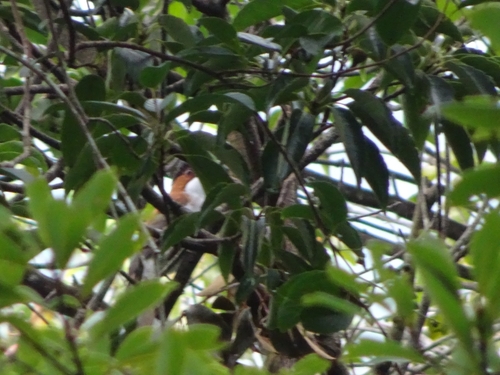 Kastanjerugbuulbuul
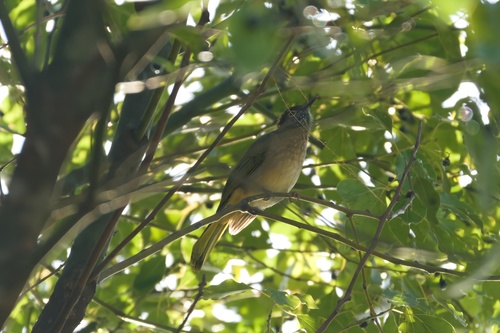 Groenvleugelbuulbuul
Kort gezegd
De meest betrouwbare manier om Kastanjerugbuulbuul van Groenvleugelbuulbuul te scheiden, is door te focussen op de kenmerkende kastanjebruine of roestkleurige kleur op de rug van Kastanjerugbuulbuul, die afwezig is bij Groenvleugelbuulbuul. Groenvleugelbuulbuul wordt soms 'groenvleugelbuulbuul' of 'roestbuikbuulbuul' genoemd, maar het mist de solide kastanjebruine rug en toont in plaats daarvan een meer olijf- of groenachtige vleugeltint. Beide soorten zijn vergelijkbaar in grootte en vorm, en beide behoren tot de buulbuulfamilie, dus structurele verschillen zijn subtiel. Let goed op de bovenkant en vleugelkleur, vooral bij gezeten vogels, aangezien dit de meest consistent zichtbare veldkenmerken zijn. Leeftijdspecifieke vleugelpatronen worden in de bronnen voor geen van beide soorten beschreven, dus concentreer je op de verschillen in volwassen verenkleed.
Herkenningstips
- Zoek naar een kastanjebruine of roestkleurige rug: Kastanjerugbuulbuul toont altijd een rijke kastanjebruine kleur op de rug, die afwezig is bij Groenvleugelbuulbuul. Dit is het enige meest betrouwbare veldkenmerk bij gezeten vogels van alle leeftijden.
- Olijf- of groenachtige vleugels: Groenvleugelbuulbuul heeft olijf- of groenachtige tinten op de vleugels en bovenkant, wat soms leidt tot verwarring met andere groenachtige buulbuuls, maar toont nooit een solide kastanjebruine rug.
- Roestkleurige buik bij Groenvleugelbuulbuul: Hoewel Groenvleugelbuulbuul enige roestkleur op de buik kan vertonen, is dit niet zo uitgebreid of diagnostisch als de kastanjebruine rug van Kastanjerugbuulbuul. Vertrouw niet alleen op de buikkleur voor identificatie.
- Geen onderscheidend juveniel of onvolwassen vleugelpatroon: Geen van beide soorten wordt beschreven met unieke leeftijdspecifieke bovenvleugelpatronen, dus verwacht niet ze in vlucht te scheiden op basis van vleugelmarkeringen.
- Vergelijkbare grootte en structuur: Beide soorten hebben vergelijkbare verhoudingen en grootte, dus gebruik geen bulk of lengte als primaire scheider.
- Gezeten weergaven zijn het beste: De kastanjebruine rug van Kastanjerugbuulbuul is het meest opvallend wanneer de vogel zit, dus geef prioriteit aan weergaven van de bovenkant.
- Vluchtweergaven zijn minder nuttig: Zonder onderscheidende vleugelpanelen of contrasterende vluchtveren, zijn deze soorten het beste te scheiden wanneer ze zitten.
- Habitatoverlap: In gebieden waar beide soorten voorkomen, vertrouw niet alleen op habitat, maar Kastanjerugbuulbuul is waarschijnlijker in laaglandbossen van Zuid-China en Noord-Vietnam.
- Alternatieve namen kunnen misleiden: Groenvleugelbuulbuul wordt soms 'groenvleugelbuulbuul' of 'roestbuikbuulbuul' genoemd, maar deze namen verwijzen naar subtiele verenkleedkenmerken en moeten niet verward worden met de solide kastanjebruine rug van Kastanjerugbuulbuul.
- Geen sterk seksueel dimorfisme: Beide soorten zijn qua uiterlijk vergelijkbaar tussen de geslachten, dus alle veldkenmerken zijn van toepassing op zowel mannelijke als vrouwelijke vogels.
- Negeer stem voor scheiding: Geen diagnostische vocale verschillen worden in de bronnen beschreven, dus probeer deze soorten niet te scheiden op basis van zang of roep.
- Groepsvoeding: Beide soorten kunnen zich bij gemengde groepen voegen, dus controleer elk individu zorgvuldig op de kastanjebruine rug of groenachtige vleugels.
- Strepen en onderkleur: Enige strepen of variatie in onderkleur kan aanwezig zijn bij beide soorten, maar deze zijn niet betrouwbaar voor scheiding.
- Bereikcontext: Als je buiten Zuid-China en Noord-Vietnam bent, is Kastanjerugbuulbuul minder waarschijnlijk, maar bevestig altijd met verenkleed.
- Fotografeer de bovenkant wanneer mogelijk: Bij twijfel zal een duidelijke foto van de rug meestal de identificatie bevestigen.
Grootte
Beide soorten zijn middelgrote buulbuuls met vergelijkbare verhoudingen. Groenvleugelbuulbuul heeft een gedocumenteerd gemiddeld lichaamsgewicht van 33 gram [wikidata], terwijl er geen specifiek gewicht wordt gegeven voor Kastanjerugbuulbuul, maar het is waarschijnlijk vergelijkbaar. Grootte alleen is geen betrouwbare scheider tussen deze twee soorten in het veld.
Verenkleed
Geen leeftijdspecifieke vleugel- of vluchtpatronen worden voor geen van beide soorten beschreven, dus identificatie is afhankelijk van het algemene verenkleed. Kastanjerugbuulbuul wordt het beste herkend aan zijn rijke kastanjebruine of roestkleurige kleur op de rug, wat een opvallend kenmerk is in alle verenkleedvarianten. In tegenstelling tot dat, mist Groenvleugelbuulbuul deze kastanjebruine rug en heeft in plaats daarvan olijf- of groenachtige tinten op de vleugels en bovenkant, wat soms leidt tot de alternatieve naam 'groenvleugelbuulbuul.' Groenvleugelbuulbuul kan ook enige roestkleur op de buik vertonen, maar dit is niet zo uitgebreid of diagnostisch als de kastanjebruine rug van Kastanjerugbuulbuul. Beide soorten kunnen enige strepen of variatie in onderkleur vertonen, maar de rug- en vleugelkleur zijn de meest betrouwbare veldkenmerken.
Gedrag
Beide soorten zijn typische buulbuuls in gedrag, voeden zich in het midden tot de bovenste boomkruin en bewegen vaak in kleine groepen. Geen diagnostische gedragsverschillen worden opgemerkt in de gegeven bronnen.
Habitat
Kastanjerugbuulbuul wordt gevonden in Zuid-China en Noord-Vietnam, terwijl Groenvleugelbuulbuul breder voorkomt in Zuidoost-Azië. Beide soorten bezetten bosrijke habitats, maar Kastanjerugbuulbuul is meer beperkt tot zijn verspreidingsgebied. Habitat alleen is geen betrouwbare scheider waar de verspreidingsgebieden overlappen, maar Kastanjerugbuulbuul is waarschijnlijker in laagland- en voetheuvelbossen in zijn kerngebied, terwijl Groenvleugelbuulbuul vaak wordt geassocieerd met bergachtige of heuvelachtige bossen.
Kastanjerugbuulbuul · Groenvleugelbuulbuul · Mijn lastige vogels