

Motmot

クリイロヒヨドリ 対 ミヤマヒヨドリ

Hemixos castanonotus 対 Ixos mcclellandii

クリイロヒヨドリとミヤマヒヨドリのクイズ
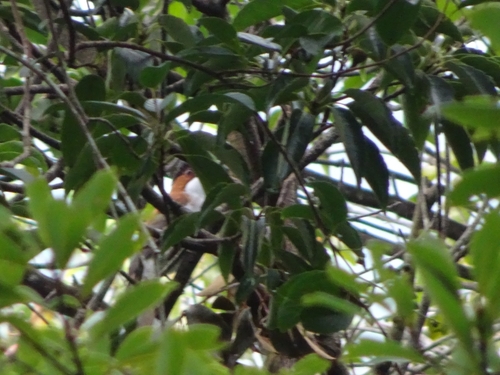
クリイロヒヨドリ (Hemixos castanonotus) クリイロヒヨドリ
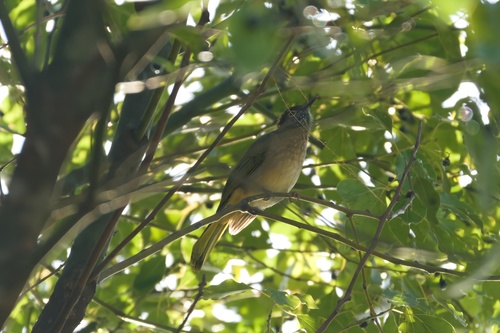
ミヤマヒヨドリ (Ixos mcclellandii) ミヤマヒヨドリ

メディア

読み込み中…

要点

クリイロヒヨドリとミヤマヒヨドリを区別する最も信頼できる方法は、クリイロヒヨドリの背中に見られる特徴的な栗色または赤褐色の色合いに注目することです。これはミヤマヒヨドリには見られません。ミヤマヒヨドリは時々「緑翼ヒヨドリ」や「赤褐色腹ヒヨドリ」と呼ばれますが、しっかりとした栗色の背中はなく、代わりにオリーブ色または緑がかった翼の色合いを示します。両種はサイズと形が似ており、どちらもヒヨドリ科に属するため、構造的な違いは微妙です。特に止まっている鳥の上面と翼の色合いに注意を払いましょう。これらは最も一貫して見えるフィールドマークです。年齢特有の翼のパターンはどちらの種の情報源にも記載されていないため、成鳥の羽毛の違いに焦点を当ててください。

識別のコツ

  1. 栗色または赤褐色の背中を探す: クリイロヒヨドリは常に背中に豊かな栗色の色合いを示し、これはミヤマヒヨドリには見られません。これはすべての年齢の止まっている鳥において最も信頼できるフィールドマークです。
  2. オリーブ色または緑がかった翼: ミヤマヒヨドリは翼と上面にオリーブ色または緑がかった色合いを持ち、時には他の緑がかったヒヨドリと混同されることがありますが、決してしっかりとした栗色の背中は示しません。
  3. ミヤマヒヨドリの赤褐色の腹: ミヤマヒヨドリは腹に赤褐色が見られることがありますが、これはクリイロヒヨドリの栗色の背中ほど広範囲ではなく、診断的でもありません。IDのために腹の色だけに頼らないでください。
  4. 特徴的な幼鳥または未成熟の翼のパターンはない: どちらの種もユニークな年齢特有の上翼パターンが記載されていないため、翼のマークで飛行中に区別することは期待しないでください。
  5. サイズと構造が似ている: 両種はサイズと比率が似ているため、体重や長さを主な区別要因として使用しないでください。
  6. 止まっている姿が最良: クリイロヒヨドリの栗色の背中は、鳥が止まっているときに最も明らかになるため、上面の視点を優先してください。
  7. 飛行中の視点はあまり役立たない: 特徴的な翼のパネルや対照的な飛行羽がないため、これらの種は止まっているときに最もよく区別されます。
  8. 生息地の重複: 両種が生息する地域では、生息地だけに頼らず、クリイロヒヨドリは中国南部とベトナム北部の低地の森林にいる可能性が高いです。
  9. 別名は誤解を招くことがある: ミヤマヒヨドリは時々「緑翼ヒヨドリ」や「赤褐色腹ヒヨドリ」と呼ばれますが、これらの名前は微妙な羽毛の特徴を指し、クリイロヒヨドリのしっかりとした栗色の背中と混同しないでください。
  10. 強い性差はない: 両種は性別間で外見が似ているため、すべてのフィールドマークはオスとメスの両方に適用されます。
  11. 声による区別は無視する: 情報源には診断的な声の違いが記載されていないため、歌や鳴き声でこれらの種を区別しようとしないでください。
  12. 群れでの採餌: 両種は混合群れに参加することがあるため、各個体を注意深く確認して栗色の背中または緑がかった翼を探してください。
  13. 縞模様と腹部の色: 両種にはいくつかの縞模様や腹部の色の変化が見られることがありますが、これらは区別には信頼できません。
  14. 分布の文脈: 中国南部とベトナム北部の外にいる場合、クリイロヒヨドリは可能性が低くなりますが、羽毛で確認してください。
  15. 可能な限り上面を写真に撮る: 疑わしい場合は、背中のクリアな写真が通常IDを確定します。

大きさ

両種は中型のヒヨドリで、比率が似ています。ミヤマヒヨドリの平均体重は33グラムで記録されていますが、クリイロヒヨドリの具体的な体重は示されていませんが、比較可能である可能性が高いです。サイズだけでは、これらの2種をフィールドで信頼できる区別要因とはなりません。

羽色

どちらの種にも年齢特有の翼や飛行パターンは記載されていないため、識別は全体的な羽毛に依存します。クリイロヒヨドリは、背中の豊かな栗色または赤褐色の色合いによって最もよく認識され、これはすべての羽毛において際立った特徴です。それに対して、ミヤマヒヨドリはこの栗色の背中がなく、代わりに翼と上面にオリーブ色または緑がかった色合いを持ち、時には「緑翼ヒヨドリ」という別名につながることがあります。ミヤマヒヨドリは腹に赤褐色が見られることもありますが、これはクリイロヒヨドリの栗色の背中ほど広範囲ではなく、診断的でもありません。両種は腹部の色にいくつかの縞模様や変化を示すことがありますが、背中と翼の色が最も信頼できるフィールドマークです。

行動

両種は行動において典型的なヒヨドリであり、中層から上層の樹冠で採餌し、小さな群れで移動することがよくあります。提供された情報源には診断的な行動の違いは記載されていません。

生息環境

クリイロヒヨドリは中国南部とベトナム北部に見られ、ミヤマヒヨドリは東南アジア全体に広く分布しています。両種は森林の生息地を占めていますが、クリイロヒヨドリはその範囲により制限されています。生息地だけでは、範囲が重なる場所で信頼できる区別要因とはなりませんが、クリイロヒヨドリはそのコア範囲の低地や丘陵の森林にいる可能性が高く、ミヤマヒヨドリはしばしば山地や丘陵の森林に関連しています。

より良い説明を送る

比較と同じ項目を使ってください。文章はすぐに公開されます。

The most reliable way to separate Chestnut Bulbul from Mountain Bulbul is by focusing on the distinctive chestnut or rufous coloration on the back of Chestnut Bulbul, which is absent in Mountain Bulbul. Mountain Bulbul is sometimes called 'green-winged bulbul' or 'rufous-bellied bulbul', but it lacks the solid chestnut back and instead shows a more olive or greenish wing tone. Both species are similar in size and shape, and both belong to the bulbul family, so structural differences are subtle. Pay close attention to the upperparts and wing coloration, especially in perched birds, as these are the most consistently visible field marks. Age-specific wing patterns are not described in the sources for either species, so focus on adult plumage differences.

  1. Look for a chestnut or rufous back: Chestnut Bulbul always shows a rich chestnut coloration on the back, which is absent in Mountain Bulbul. This is the single most reliable field mark in perched birds of all ages.
  2. Olive or greenish wings: Mountain Bulbul has olive or greenish tones on the wings and upperparts, sometimes leading to confusion with other greenish bulbuls, but never shows a solid chestnut back.
  3. Rufous belly in Mountain Bulbul: While Mountain Bulbul may show some rufous on the belly, this is not as extensive or as diagnostic as the chestnut back of Chestnut Bulbul. Do not rely solely on belly color for ID.
  4. No distinctive juvenile or immature wing pattern: Neither species is described with unique age-specific upperwing patterns, so do not expect to separate them in flight by wing markings.
  5. Similar size and structure: Both species have similar proportions and size, so do not use bulk or length as a primary separator.
  6. Perched views are best: The chestnut back of Chestnut Bulbul is most obvious when the bird is perched, so prioritize views of the upperparts.
  7. Flight views are less helpful: Without distinctive wing panels or contrasting flight feathers, these species are best separated when perched.
  8. Habitat overlap: In areas where both species occur, do not rely on habitat alone, but Chestnut Bulbul is more likely in lowland forests of southern China and northern Vietnam.
  9. Alternate names can mislead: Mountain Bulbul is sometimes called 'green-winged bulbul' or 'rufous-bellied bulbul,' but these names refer to subtle plumage features and should not be confused with the solid chestnut back of Chestnut Bulbul.
  10. No strong sexual dimorphism: Both species are similar in appearance between sexes, so all field marks apply to both males and females.
  11. Ignore voice for separation: No diagnostic vocal differences are described in the sources, so do not attempt to separate these species by song or call.
  12. Group foraging: Both species may join mixed flocks, so check each individual carefully for the chestnut back or greenish wings.
  13. Streaking and underpart color: Some streaking or variation in underpart color may be present in both species, but these are not reliable for separation.
  14. Range context: If you are outside southern China and northern Vietnam, Chestnut Bulbul is less likely, but always confirm with plumage.
  15. Photograph upperparts when possible: If in doubt, a clear photo of the back will usually clinch the ID.

Both species are medium-sized bulbuls with similar proportions. The Mountain Bulbul has a documented average body mass of 33 grams [wikidata], while no specific mass is given for Chestnut Bulbul, but it is likely comparable. Size alone is not a reliable separator between these two species in the field.

No age-specific wing or flight patterns are described for either species, so identification relies on overall plumage. Chestnut Bulbul is best recognized by its rich chestnut or rufous coloration on the back, which is a standout feature in all plumages. In contrast, Mountain Bulbul lacks this chestnut back and instead has olive or greenish tones on the wings and upperparts, sometimes leading to the alternate name 'green-winged bulbul.' Mountain Bulbul may also show some rufous on the belly, but this is not as extensive or as diagnostic as the chestnut back of Chestnut Bulbul. Both species may show some streaking or variation in underpart coloration, but the back and wing color are the most reliable field marks.

Both species are typical bulbuls in behavior, foraging in the mid to upper canopy and often moving in small groups. No diagnostic behavioral differences are noted in the sources provided.

Chestnut Bulbul is found in southern China and northern Vietnam, while Mountain Bulbul occurs more broadly in Southeast Asia. Both species occupy forested habitats, but Chestnut Bulbul is more restricted to its range. Habitat alone is not a reliable separator where ranges overlap, but Chestnut Bulbul may be more likely in lowland and foothill forests in its core range, while Mountain Bulbul is often associated with montane or hilly forests.

変更を破棄しますか?

保存していない編集があります。今離れると失われます。

クリイロヒヨドリ · ミヤマヒヨドリ · 苦手な鳥