

Chestnut Bulbul vs Mountain Bulbul
Hemixos castanonotus contro Ixos mcclellandii
Fai un quiz con Chestnut Bulbul e Mountain Bulbul
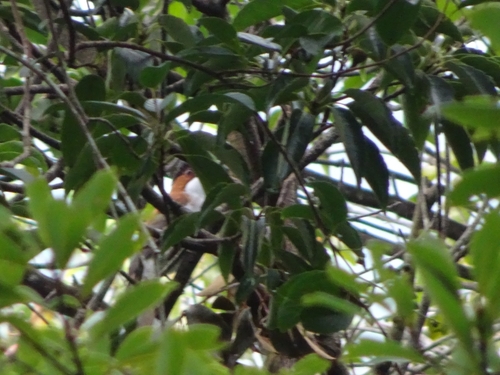 Chestnut Bulbul
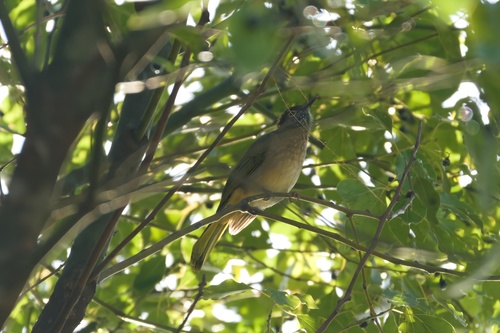 Mountain Bulbul
In breve
Il modo più affidabile per separare il Chestnut Bulbul dal Mountain Bulbul è concentrarsi sulla distintiva colorazione castagna o ruggine sulla schiena del Chestnut Bulbul, che è assente nel Mountain Bulbul. Il Mountain Bulbul è talvolta chiamato 'bulbul dalle ali verdi' o 'bulbul dal ventre ruggine', ma manca della schiena castagna solida e mostra invece una tonalità di ali più oliva o verdastra. Entrambe le specie sono simili in dimensioni e forma, e appartengono alla famiglia dei bulbul, quindi le differenze strutturali sono sottili. Fai attenzione alle parti superiori e alla colorazione delle ali, specialmente negli uccelli in posa, poiché questi sono i segni di campo più visibili e costanti. I modelli di ali specifici per età non sono descritti nelle fonti per nessuna delle due specie, quindi concentrati sulle differenze nel piumaggio degli adulti.
Consigli di identificazione
- Cerca una schiena castagna o ruggine: Il Chestnut Bulbul mostra sempre una ricca colorazione castagna sulla schiena, che è assente nel Mountain Bulbul. Questo è il segno di campo più affidabile negli uccelli in posa di tutte le età.
- Ali olive o verdastre: Il Mountain Bulbul ha tonalità olive o verdastre sulle ali e sulle parti superiori, a volte portando a confusione con altri bulbuli verdastri, ma non mostra mai una schiena castagna solida.
- Ventre ruggine nel Mountain Bulbul: Anche se il Mountain Bulbul può mostrare un po' di ruggine sul ventre, questo non è così esteso o diagnostico come la schiena castagna del Chestnut Bulbul. Non fare affidamento solo sul colore del ventre per l'identificazione.
- Nessun modello distintivo di ali juvenile o immature: Nessuna delle due specie è descritta con modelli unici di ali specifici per età, quindi non aspettarti di separarle in volo in base ai segni delle ali.
- Dimensioni e struttura simili: Entrambe le specie hanno proporzioni e dimensioni simili, quindi non usare la massa o la lunghezza come separatore principale.
- Le viste in posa sono migliori: La schiena castagna del Chestnut Bulbul è più evidente quando l'uccello è in posa, quindi dai priorità alle viste delle parti superiori.
- Le viste in volo sono meno utili: Senza pannelli distintivi sulle ali o piume da volo contrastanti, queste specie sono meglio separate quando sono in posa.
- Sovrapposizione dell'habitat: Nelle aree in cui si trovano entrambe le specie, non fare affidamento solo sull'habitat, ma il Chestnut Bulbul è più probabile che si trovi nelle foreste di pianura del sud della Cina e del nord del Vietnam.
- I nomi alternativi possono ingannare: Il Mountain Bulbul è talvolta chiamato 'bulbul dalle ali verdi' o 'bulbul dal ventre ruggine', ma questi nomi si riferiscono a caratteristiche di piumaggio sottili e non devono essere confusi con la schiena castagna solida del Chestnut Bulbul.
- Nessun forte dimorfismo sessuale: Entrambe le specie sono simili nell'aspetto tra i sessi, quindi tutti i segni di campo si applicano sia ai maschi che alle femmine.
- Ignora la voce per la separazione: Nessuna differenza vocale diagnostica è descritta nelle fonti, quindi non tentare di separare queste specie in base al canto o al richiamo.
- Caccia di gruppo: Entrambe le specie possono unirsi a stormi misti, quindi controlla attentamente ogni individuo per la schiena castagna o le ali verdastre.
- Striature e colore delle parti inferiori: Alcune striature o variazioni nel colore delle parti inferiori possono essere presenti in entrambe le specie, ma questi non sono affidabili per la separazione.
- Contesto dell'areale: Se ti trovi al di fuori del sud della Cina e del nord del Vietnam, il Chestnut Bulbul è meno probabile, ma conferma sempre con il piumaggio.
- Fotografa le parti superiori quando possibile: In caso di dubbio, una foto chiara della schiena di solito confermerà l'identificazione.
Taglia
Entrambe le specie sono bulbuli di dimensioni medie con proporzioni simili. Il Mountain Bulbul ha una massa corporea media documentata di 33 grammi [wikidata], mentre non viene fornita una massa specifica per il Chestnut Bulbul, ma è probabilmente comparabile. La dimensione da sola non è un separatore affidabile tra queste due specie sul campo.
Piumaggio
Nessun modello di ali o di volo specifico per età è descritto per nessuna delle due specie, quindi l'identificazione si basa sul piumaggio complessivo. Il Chestnut Bulbul è meglio riconosciuto per la sua ricca colorazione castagna o ruggine sulla schiena, che è una caratteristica distintiva in tutti i piumaggi. Al contrario, il Mountain Bulbul manca di questa schiena castagna e ha invece tonalità olive o verdastre sulle ali e sulle parti superiori, a volte portando al nome alternativo 'bulbul dalle ali verdi'. Il Mountain Bulbul può anche mostrare un po' di ruggine sul ventre, ma questo non è così esteso o diagnostico come la schiena castagna del Chestnut Bulbul. Entrambe le specie possono mostrare alcune striature o variazioni nel colore delle parti inferiori, ma il colore della schiena e delle ali sono i segni di campo più affidabili.
Comportamento
Entrambe le specie sono bulbuli tipici nel comportamento, foraggiando nella parte centrale e superiore della chioma e spesso muovendosi in piccoli gruppi. Nessuna differenza comportamentale diagnostica è nota nelle fonti fornite.
Habitat
Il Chestnut Bulbul si trova nel sud della Cina e nel nord del Vietnam, mentre il Mountain Bulbul si verifica più ampiamente nel sud-est asiatico. Entrambe le specie occupano habitat forestali, ma il Chestnut Bulbul è più ristretto al suo areale. L'habitat da solo non è un separatore affidabile dove gli areali si sovrappongono, ma il Chestnut Bulbul è più probabile che si trovi nelle foreste di pianura e di piede nelle sue aree principali, mentre il Mountain Bulbul è spesso associato a foreste montane o collinari.
Chestnut Bulbul · Mountain Bulbul · I miei uccelli difficili