

Amerikaanse kerkuil vs Steenuil
Tyto furcata versus Athene noctua
Speel een quiz met Amerikaanse kerkuil en Steenuil
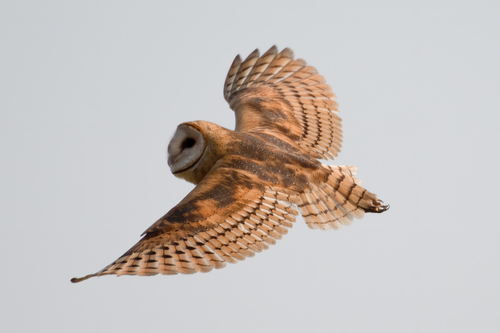 Amerikaanse kerkuil
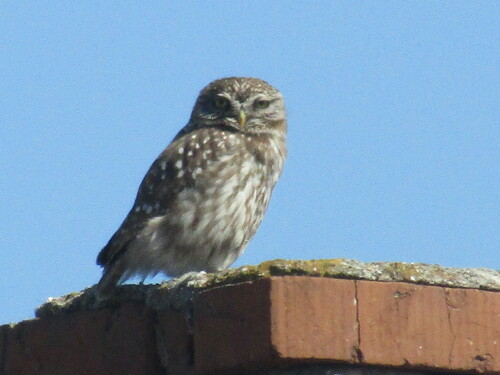 Steenuil
Kort gezegd
Het meest betrouwbare veldkenmerk om Amerikaanse kerkuil van Steenuil te scheiden is de algehele structuur en het gezichts patroon: Kerkuil is veel groter, met lange vleugels en een lichte kleur met een opvallend hartvormig wit gezicht en zwarte ogen, terwijl Steenuil compact, kortstaartig en bruinachtig is met een plat hoofd, gele ogen en prominente witte 'wenkbrauwen.' In de vlucht toont Kerkuil lange, brede vleugels en een korte, vierkante staart, vaak met hangende, gevederde poten, terwijl Steenuil een springende, spechtachtige vlucht heeft met ronde vleugels en een korte staart. Juveniele Steenuilen missen de witte kroonvlekken van volwassenen, maar zelfs dan contrasteren hun gestreepte, bruinachtige verenkleed en strenge uitdrukking scherp met de lichte, spookachtige Kerkuil. De golvende, drijvende vlucht van Kerkuil en de lichte onderzijde zijn op elke leeftijd kenmerkend. Als je een kleine, bruine, gestreepte uil met een fronsend gezicht en gele ogen ziet, is het een Steenuil; een lichte, langvleugelige, hart-gezicht uil is een Kerkuil.
Herkenningstips
- Grootte en structuur: Kerkuil is veel groter, met een lang, slank lichaam, lange vleugels en een korte, vierkante staart. Steenuil is klein, compact en kortstaartig.
- Gezichts patroon: Kerkuil heeft een opvallend, hartvormig wit of buff gezicht met zwarte ogen, wat een 'maskerachtige' uitstraling geeft. Steenuil heeft een plat hoofd, gele ogen en witte 'wenkbrauwen' die een strenge, fronsende look creëren.
- Oogkleur: Kerkuil heeft zwarte ogen; Steenuil heeft gele ogen. Dit is zichtbaar, zelfs bij slecht licht met een verrekijker.
- Verenkleur: Kerkuil is over het algemeen licht, met witte tot buff onderzijde en weinig strepen; Steenuil is bruin boven, zwaar gespikkeld en gestreept, en heeft altijd gestreepte onderzijde.
- Onderzijde patroon: De onderzijde van Kerkuil is meestal eenvoudig of fijn gespikkeld, nooit zwaar gestreept. De onderzijde van Steenuil is altijd gestreept met bruin.
- Bovenkant: Kerkuil is lichtbruin tot grijs, met fijne spikkels; Steenuil is bruin met gedurfde witte vlekken en strepen.
- Vluchtstijl: Kerkuil heeft een drijvende, golvende vlucht met lange, brede vleugels en hangt vaak zijn gevederde poten. Steenuil heeft een springende, spechtachtige vlucht met snelle vleugelslagen en korte glijvluchten.
- Staartvorm: De staart van Kerkuil is kort en vierkant; de staart van Steenuil is ook kort, maar het lichaam is compacter en de staart minder opvallend in de vlucht.
- Zittende houding: Kerkuil lijkt vaak langgerekt en rechtop wanneer hij zit; Steenuil is gedrongen en compact, vaak horizontaal zittend op palen of rotsen.
- Potenkleur: De poten van Kerkuil zijn lang en gevederd, vaak zichtbaar hangend in de vlucht. Steenuil heeft lange poten voor zijn grootte, maar ze zijn minder opvallend en worden meestal niet hangend gezien.
- Stem: Kerkuil is meestal stil of geeft harde krijsen; Steenuil is zeer vocaal, met een herhaald 'kiew' en verschillende jank- en fluitgeluiden, vooral bij schemering of zonsopgang.
- Habitat: Kerkuil is waarschijnlijker in open velden, weilanden en schuren; Steenuil wordt vaak gezien in boomgaarden, dorpen en op rotsen of gebouwen.
- Activiteit: Kerkuil is voornamelijk nachtactief en zelden overdag te zien; Steenuil is vaak actief en zichtbaar tijdens de dag.
- Jongere verwarring: Jonge Steenuilen missen witte kroonvlekken maar zijn nog steeds bruin en gestreept, nooit licht zoals Kerkuil. Kerkuil kuikens zijn wit en ontwikkelen snel het hartvormige gezicht.
- Geslachtsverschillen: Alleen relevant voor Kerkuil: vrouwtjes zijn groter en meer gevlekt onder, maar beide geslachten zijn veel lichter en groter dan Steenuil.
Grootte
Amerikaanse kerkuil is veel groter: het is een middelgrote uil met lange vleugels en een korte, vierkante staart, terwijl Steenuil duidelijk klein en compact is. Steenuil meet ongeveer 22 cm in lengte, met een spanwijdte van 56 cm en een gewicht van ongeveer 180 g. Kerkuil is aanzienlijk zwaarder (vrouwtjes kunnen meer dan 550 g wegen), met een veel langere spanwijdte en een groter lichaam. Het grootteverschil is zelfs op afstand duidelijk, vooral in de vlucht.
Verenkleed
-
Juveniele/onvolwassen kenmerken: Juveniele Steenuilen zijn doffer dan volwassenen en missen de witte kroonvlekken van de volwassenen, maar tonen nog steeds bruin, gestreept verenkleed en een lichte, gestreepte onderzijde. Kerkuil kuikens zijn bedekt met witte dons, en zelfs jonge vogels ontwikkelen snel de hartvormige gezichtsschijf. Er zijn geen onderscheidende juveniele bovenvleugelpatronen in beide soorten die elkaar nabootsen.
-
Volwassenen: Kerkuil is over het algemeen licht, met een helder wit of buff hartvormig gezicht, zwarte ogen en een lichte onderzijde (wit tot roodachtig buff, soms met fijne zwartachtige spikkels). De bovenkant is lichtbruin tot grijs, met fijne spikkels en lichtbruine vleugels met donkerdere banden. Steenuil is bruin boven, zwaar gespikkeld en gestreept met wit, en heeft een lichte, gestreepte onderzijde. Het gezicht is plat, met witte 'wenkbrauwen' en gele ogen, wat een strenge uitstraling geeft. De onderzijde is altijd gestreept, nooit eenvoudig zoals bij sommige Kerkuilen. Het verenkleed van de Steenuil is altijd meer gepattern en donkerder in het algemeen.
-
Geslacht/leeftijd variatie: Vrouwtjes Kerkuil zijn groter en meer gevlekt onder dan mannetjes, maar beide geslachten zijn veel lichter en groter dan enige Steenuil. De geslachten van Steenuil zijn vergelijkbaar in verenkleed.
Gedrag
Kerkuil heeft een golvende, drijvende vlucht met lange, brede vleugels en hangt vaak zijn gevederde poten. Het wordt meestal gezien terwijl het laag over open grond glijdt bij schemering of 's nachts. Steenuil heeft een springende, spechtachtige vlucht, met snelle vleugelslagen en korte glijvluchten, en wordt vaak gezien terwijl het rechtop zit op palen of rotsen gedurende de dag. Zijn bewegingen zijn abrupt en directer, en het bobbelt of buigt vaak wanneer het zich bedreigd voelt. Kerkuil zit zelden openlijk in het daglicht, behalve op rustplaatsen, terwijl Steenuil dagactief is en vaak opvallend is.
Habitat
Kerkuil geeft de voorkeur aan open land, landbouwgrond en graslanden, jaagt vaak over velden en weilanden, en rust in schuren of boomholtes. Steenuil wordt aangetroffen in gematigde en warme gebieden van Europa, Azië en Noord-Afrika, vaak in landbouwgrond, boomgaarden, parken en zelfs dorpen, vaak zittend op gebouwen, hekposts of rotsen. In gebieden van overlap is Steenuil waarschijnlijker om overdag te worden gezien en in meer bebouwde of rotsachtige habitats.
Geluid
Kerkuil is meestal stil maar kan harde krijsen of sisgeluiden geven, vooral nabij het nest. Steenuil is veel vocaler, met een klagende 'kiew, kiew' roep, en verschillende fluit-, triller-, jank- of kletsgeluiden, vooral in het broedseizoen. Als je een herhaalde, piepende of jankende roep van een kleine uil hoort, is het bijna zeker een Steenuil.