

Motmot

アメリカメンフクロウ 対 コキンメフクロウ

Tyto furcata 対 Athene noctua

アメリカメンフクロウとコキンメフクロウのクイズ
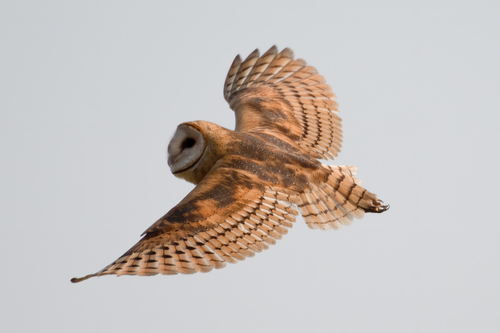
アメリカメンフクロウ (Tyto furcata) アメリカメンフクロウ
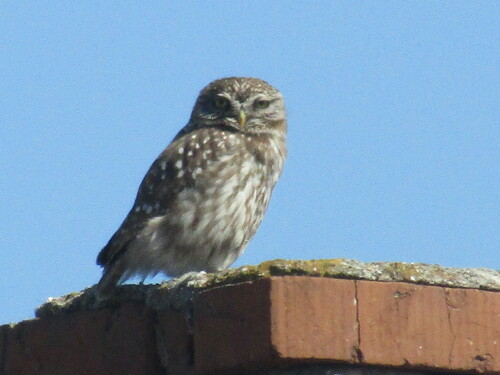
コキンメフクロウ (Athene noctua) コキンメフクロウ

メディア

読み込み中…

要点

アメリカメンフクロウとコキンメフクロウを区別する最も信頼できるフィールドマークは、全体の構造と顔のパターンです:アメリカメンフクロウははるかに大きく、長い翼を持ち、目立つハート型の白い顔と黒い目を持つ淡い色合いで、コキンメフクロウはコンパクトで短い尾を持ち、平らな頭、黄色い目、目立つ白い「眉毛」を持つ茶色がかった色合いです。飛行中、アメリカメンフクロウは長く広い翼と短く四角い尾を示し、しばしばぶら下がった羽毛の脚を持っていますが、コキンメフクロウは丸い翼と短い尾を持つ、跳ねるようなキツツキのような飛行をします。幼鳥のコキンメフクロウは成鳥の白い冠の斑点を欠いていますが、それでもその縞模様のある茶色がかった羽毛と厳しい表情は、淡い幽霊のようなアメリカメンフクロウと鋭く対照的です。アメリカメンフクロウの波打つような浮遊感のある飛行と淡い腹部は、どの年齢でも特徴的です。小さくて茶色の縞模様のあるフクロウで、しかめっ面と黄色い目を持っているのを見たら、それはコキンメフクロウです;淡い色合いで長い翼を持ち、ハート型の顔をしたフクロウはアメリカメンフクロウです。

識別のコツ

  1. Size and structure: アメリカメンフクロウははるかに大きく、長くスリムな体、長い翼、短く四角い尾を持っています。コキンメフクロウは小さく、コンパクトで短い尾を持っています。
  2. Facial pattern: アメリカメンフクロウは目立つハート型の白または淡い色の顔を持ち、黒い目が「マスクのような」外観を与えています。コキンメフクロウは平らな頭、黄色い目、厳しいしかめっ面を作る白い「眉毛」を持っています。
  3. Eye color: アメリカメンフクロウは黒い目を持ち、コキンメフクロウは黄色い目を持っています。これは、双眼鏡での暗い光の中でも見ることができます。
  4. Plumage color: アメリカメンフクロウは全体的に淡い色合いで、白から淡い色の腹部を持ち、ほとんど縞模様がありません;コキンメフクロウは上面が茶色で、重く斑点があり、常に縞模様のある腹部を持っています。
  5. Underpart pattern: アメリカメンフクロウの腹部は通常、平坦または細かく斑点があり、決して重く縞模様がありません。コキンメフクロウの腹部は常に茶色の縞模様があります。
  6. Upperparts: アメリカメンフクロウは淡い茶色から灰色で、細かい斑点があります;コキンメフクロウは茶色で、大きな白い斑点と縞模様があります。
  7. Flight style: アメリカメンフクロウは浮遊感のある波打つような飛行をし、長く広い翼を持ち、しばしば羽毛の脚をぶら下げます。コキンメフクロウは跳ねるようなキツツキのような飛行をし、急速な翼の動きと短い滑空を持っています。
  8. Tail shape: アメリカメンフクロウの尾は短く四角いです;コキンメフクロウの尾も短いですが、体はよりコンパクトで、飛行中に尾が目立たなくなります。
  9. Perched posture: アメリカメンフクロウは止まっているときにしばしば細長く直立して見えます;コキンメフクロウはずんぐりしてコンパクトで、しばしばポストや岩の上に水平に座っています。
  10. Legs: アメリカメンフクロウの脚は長く羽毛があり、飛行中にぶら下がっているのがよく見えます。コキンメフクロウはサイズに対して長い脚を持っていますが、あまり目立たず、通常はぶら下がっているのは見えません。
  11. Voice: アメリカメンフクロウはほとんど静かで、厳しい叫び声を上げることがあります;コキンメフクロウは非常に声が大きく、繰り返しの「キュー」とさまざまな鳴き声や口笛を発し、特に夕暮れや夜明けに活発です。
  12. Habitat: アメリカメンフクロウは開けた野原、草地、農場に多く見られ、コキンメフクロウは果樹園、村、岩や建物の上にしばしば見られます。
  13. Activity: アメリカメンフクロウは主に夜行性で、昼間はほとんど見られません;コキンメフクロウは昼間にしばしば活動的で目立ちます。
  14. Juvenile confusion: 若いコキンメフクロウは白い冠の斑点が欠けていますが、依然として茶色で縞模様があり、アメリカメンフクロウのように淡くはありません。アメリカメンフクロウの雛は白く、すぐにハート型の顔を発達させます。
  15. Sex differences: アメリカメンフクロウにのみ関連します:雌は雄よりも大きく、より多くの斑点がありますが、両方の性はコキンメフクロウよりもはるかに淡く大きいです。

大きさ

アメリカメンフクロウははるかに大きいです:それは中型のフクロウで、長い翼と短く四角い尾を持ち、コキンメフクロウは明らかに小さくコンパクトです。コキンメフクロウは約22 cmの長さで、翼幅は56 cm、体重は約180 gです。アメリカメンフクロウはかなり重く(雌は550 gを超えることがあります)、翼幅がはるかに長く、体も大きいです。サイズの違いは、特に飛行中に遠くからでも明らかです。

羽色

行動

アメリカメンフクロウは長く広い翼を持つ波打つような浮遊感のある飛行をし、しばしば羽毛の脚をぶら下げます。通常、夕暮れや夜に開けた地面を低く滑空しているのが見られます。コキンメフクロウは跳ねるようなキツツキのような飛行をし、急速な翼の動きと短い滑空を持ち、昼間にしばしばポストや岩の上に直立して止まっているのが見られます。その動きはより急激で直接的であり、警戒するとしばしば頭を上下に動かします。アメリカメンフクロウは昼間にオープンな場所に止まることはほとんどなく、コキンメフクロウは日中に活動的で目立つことが多いです。

生息環境

アメリカメンフクロウは開けた国、農地、草地を好み、しばしば野原や草地を狩り、納屋や木の空洞に止まります。コキンメフクロウはヨーロッパ、アジア、北アフリカの温帯および暖かい地域に見られ、農地、果樹園、公園、さらには村にしばしば見られ、建物、フェンスのポスト、または岩の上に止まることが多いです。重複する地域では、コキンメフクロウは昼間に見られる可能性が高く、より建設されたまたは岩の多い生息地に見られます。

声

アメリカメンフクロウはほとんど静かですが、巣の近くで厳しい叫び声やシューという声を上げることがあります。コキンメフクロウははるかに声が大きく、愚痴っぽい「キュー、キュー」という鳴き声や、さまざまな口笛、トリル、鳴き声、またはおしゃべりの音を発し、特に繁殖期に活発です。小さなフクロウから繰り返しの音や鳴き声が聞こえたら、それはほぼ確実にコキンメフクロウです。

より良い説明を送る

比較と同じ項目を使ってください。文章はすぐに公開されます。

The most reliable field mark to separate American Barn Owl from Little Owl is overall structure and facial pattern: Barn Owl is much larger, long-winged, and pale with a striking heart-shaped white face and black eyes, while Little Owl is compact, short-tailed, and brownish with a flat-topped head, yellow eyes, and prominent white 'eyebrows.' In flight, Barn Owl shows long, broad wings and a short, squarish tail, often with dangling feathered legs, whereas Little Owl has a bounding, woodpecker-like flight with rounded wings and a short tail. Juvenile Little Owls lack the white crown spots of adults, but even then, their streaked, brownish plumage and stern expression contrast sharply with the pale, ghostly Barn Owl. Barn Owl's undulating, buoyant flight and pale underparts are distinctive at any age. If you see a small, brown, streaky owl with a frowning face and yellow eyes, it's a Little Owl; a pale, long-winged, heart-faced owl is a Barn Owl.

  1. Size and structure: Barn Owl is much larger, with a long, slim body, long wings, and a short, squarish tail. Little Owl is small, compact, and short-tailed.
  2. Facial pattern: Barn Owl has a striking, heart-shaped white or buff face with black eyes, giving a 'mask-like' appearance. Little Owl has a flat-topped head, yellow eyes, and white 'eyebrows' that create a stern, frowning look.
  3. Eye color: Barn Owl has black eyes; Little Owl has yellow eyes. This is visible even in poor light with binoculars.
  4. Plumage color: Barn Owl is pale overall, with white to buff underparts and little streaking; Little Owl is brown above, heavily speckled and streaked, and always has streaked underparts.
  5. Underpart pattern: Barn Owl's underparts are usually plain or finely speckled, never heavily streaked. Little Owl's underparts are always streaked with brown.
  6. Upperparts: Barn Owl is pale brown to grey, with fine speckles; Little Owl is brown with bold white spots and streaks.
  7. Flight style: Barn Owl has a buoyant, undulating flight with long, broad wings and often dangles its feathered legs. Little Owl has a bounding, woodpecker-like flight with rapid wingbeats and short glides.
  8. Tail shape: Barn Owl's tail is short and squarish; Little Owl's tail is also short but the body is more compact and the tail less noticeable in flight.
  9. Perched posture: Barn Owl often appears elongated and upright when perched; Little Owl is squat and compact, often sitting horizontally on posts or rocks.
  10. Legs: Barn Owl's legs are long and feathered, often visible dangling in flight. Little Owl has long legs for its size but they are less obvious and not usually seen dangling.
  11. Voice: Barn Owl is mostly silent or gives harsh screeches; Little Owl is very vocal, with a repeated 'kiew' and various yelps and whistles, especially at dusk or dawn.
  12. Habitat: Barn Owl is more likely in open fields, meadows, and barns; Little Owl is often seen in orchards, villages, and on rocks or buildings.
  13. Activity: Barn Owl is mainly nocturnal and rarely seen in daylight; Little Owl is often active and visible during the day.
  14. Juvenile confusion: Young Little Owls lack white crown spots but are still brown and streaky, never pale like Barn Owl. Barn Owl nestlings are white and quickly develop the heart-shaped face.
  15. Sex differences: Only relevant for Barn Owl: females are larger and more spotted below, but both sexes are much paler and larger than Little Owl.

American Barn Owl is much larger: it is a medium-sized owl with long wings and a short, squarish tail, while Little Owl is distinctly small and compact. Little Owl measures about 22 cm in length, with a wingspan of 56 cm and a weight of about 180 g. Barn Owl is significantly heavier (females can exceed 550 g), with a much longer wingspan and larger body. The size difference is obvious even at a distance, especially in flight.

  • Juvenile/immature marks: Juvenile Little Owls are duller than adults and lack the adult's white crown spots, but still show brown, streaked plumage and a pale, streaked underside. Barn Owl nestlings are covered in white down, and even young birds quickly develop the heart-shaped facial disk. There are no distinctive juvenile upperwing patterns in either species that mimic each other.

  • Adults: Barn Owl is pale overall, with a bright white or buff heart-shaped face, black eyes, and pale underparts (white to reddish buff, sometimes with fine blackish speckles). Upperparts are pale brown to grey, with fine speckles and light brown remiges with darker bands. Little Owl is brown above, heavily speckled and streaked with white, and has a pale, streaked underside. The face is flat-topped, with white 'eyebrows' and yellow eyes, giving a stern look. The underparts are always streaked, never plain as in some Barn Owls. The Little Owl's plumage is always more patterned and darker overall.

  • Sex/age variation: Barn Owl females are larger and more heavily spotted below than males, but both sexes are much paler and larger than any Little Owl. Little Owl sexes are similar in plumage.

Barn Owl has an undulating, buoyant flight with long, broad wings and often dangles its feathered legs. It is usually seen gliding low over open ground at dusk or night. Little Owl has a bounding, woodpecker-like flight, with rapid wingbeats and short glides, and is often seen perched upright on posts or rocks during the day. Its movements are more abrupt and direct, and it often bobs or bows when alarmed. Barn Owl rarely perches in the open during daylight except at roosts, while Little Owl is diurnal and often conspicuous.

Barn Owl prefers open country, farmland, and grasslands, often hunting over fields and meadows, and roosts in barns or tree cavities. Little Owl is found in temperate and warm regions of Europe, Asia, and North Africa, often in farmland, orchards, parkland, and even villages, frequently perching on buildings, fence posts, or rocks. In areas of overlap, Little Owl is more likely to be seen in daylight and in more built-up or rocky habitats.

Barn Owl is mostly silent but can give harsh screeches or hissing calls, especially near the nest. Little Owl is much more vocal, with a querulous 'kiew, kiew' call, and various whistling, trilling, yelping, or chattering sounds, especially in the breeding season. If you hear a repeated, piping or yelping call from a small owl, it's almost certainly Little Owl.

変更を破棄しますか?

保存していない編集があります。今離れると失われます。

アメリカメンフクロウ · コキンメフクロウ · 苦手な鳥