

American Barn Owl vs Civetta
Tyto furcata contro Athene noctua
Fai un quiz con American Barn Owl e Civetta
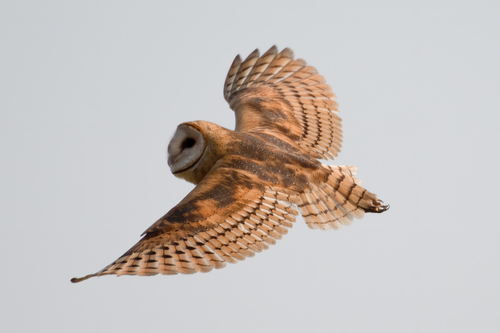 American Barn Owl
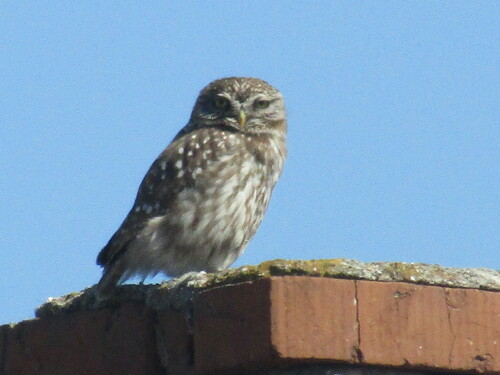 Civetta
In breve
Il segno distintivo più affidabile per separare l'American Barn Owl dalla Civetta è la struttura generale e il pattern facciale: l'American Barn Owl è molto più grande, con ali lunghe e chiare, con un sorprendente volto bianco a forma di cuore e occhi neri, mentre la Civetta è compatta, con una coda corta e marrone, con una testa piatta, occhi gialli e 'sopracciglia' bianche prominenti. In volo, l'American Barn Owl mostra ali lunghe e larghe e una coda corta e squadrata, spesso con gambe piumate penzolanti, mentre la Civetta ha un volo saltellante, simile a quello di un picchio, con ali arrotondate e una coda corta. Le Civette juvenile mancano delle macchie bianche sulla corona degli adulti, ma anche in quel caso, il loro piumaggio marrone striato e l'espressione severa contrastano nettamente con l'American Barn Owl pallido e spettrale. Il volo ondulato e galleggiante dell'American Barn Owl e le sue parti inferiori chiare sono distintivi a qualsiasi età. Se vedi un piccolo gufo marrone e striato con un volto corrucciato e occhi gialli, è una Civetta; un gufo pallido, con ali lunghe e un volto a forma di cuore è un'American Barn Owl.
Consigli di identificazione
- Size and structure: L'American Barn Owl è molto più grande, con un corpo lungo e snello, ali lunghe e una coda corta e squadrata. La Civetta è piccola, compatta e con una coda corta.
- Facial pattern: L'American Barn Owl ha un sorprendente volto bianco o color crema a forma di cuore con occhi neri, che conferisce un aspetto 'mascherato'. La Civetta ha una testa piatta, occhi gialli e 'sopracciglia' bianche che creano un aspetto severo e corrucciato.
- Eye color: L'American Barn Owl ha occhi neri; la Civetta ha occhi gialli. Questo è visibile anche in condizioni di scarsa illuminazione con i binocoli.
- Plumage color: L'American Barn Owl è pallido nel complesso, con parti inferiori bianche o color crema e poche striature; la Civetta è marrone sopra, pesantemente macchiata e striata, e ha sempre parti inferiori striate.
- Underpart pattern: Le parti inferiori dell'American Barn Owl sono solitamente semplici o finemente macchiate, mai pesantemente striate. Le parti inferiori della Civetta sono sempre striate di marrone.
- Upperparts: L'American Barn Owl è di un marrone pallido a grigio, con finissime macchie; la Civetta è marrone con macchie e striature bianche audaci.
- Flight style: L'American Barn Owl ha un volo galleggiante e ondulato con ali lunghe e larghe e spesso penzola le gambe piumate. La Civetta ha un volo saltellante, simile a quello di un picchio, con battiti d'ali rapidi e brevi planate.
- Tail shape: La coda dell'American Barn Owl è corta e squadrata; la coda della Civetta è anch'essa corta, ma il corpo è più compatto e la coda è meno evidente in volo.
- Perched posture: L'American Barn Owl appare spesso allungato e dritto quando è posato; la Civetta è tozza e compatta, spesso seduta orizzontalmente su pali o rocce.
- Legs: Le gambe dell'American Barn Owl sono lunghe e piumate, spesso visibili penzolanti in volo. La Civetta ha gambe lunghe per la sua taglia, ma sono meno evidenti e di solito non si vedono penzolanti.
- Voice: L'American Barn Owl è per lo più silenziosa o emette strida aspre; la Civetta è molto vocale, con un ripetuto 'kiew' e vari guaiti e fischi, specialmente al crepuscolo o all'alba.
- Habitat: L'American Barn Owl è più probabile trovarla in campi aperti, prati e fienili; la Civetta è spesso vista in frutteti, villaggi e su rocce o edifici.
- Activity: L'American Barn Owl è principalmente notturna e raramente vista alla luce del giorno; la Civetta è spesso attiva e visibile durante il giorno.
- Juvenile confusion: I giovani Civette mancano delle macchie bianche sulla corona, ma sono comunque marroni e striati, mai pallidi come l'American Barn Owl. I pulcini dell'American Barn Owl sono bianchi e sviluppano rapidamente il volto a forma di cuore.
- Sex differences: Rilevante solo per l'American Barn Owl: le femmine sono più grandi e più macchiate sotto, ma entrambi i sessi sono molto più chiari e più grandi di qualsiasi Civetta.
Taglia
L'American Barn Owl è molto più grande: è un gufo di dimensioni medie con ali lunghe e una coda corta e squadrata, mentre la Civetta è nettamente piccola e compatta. La Civetta misura circa 22 cm di lunghezza, con un'apertura alare di 56 cm e un peso di circa 180 g. L'American Barn Owl è significativamente più pesante (le femmine possono superare i 550 g), con un'apertura alare molto più lunga e un corpo più grande. La differenza di dimensioni è ovvia anche a distanza, specialmente in volo.
Piumaggio
-
Juvenile/immature marks: I giovani Civette sono più opachi degli adulti e mancano delle macchie bianche sulla corona degli adulti, ma mostrano comunque un piumaggio marrone striato e un sottopiumaggio pallido e striato. I pulcini dell'American Barn Owl sono coperti di piumino bianco e anche i giovani uccelli sviluppano rapidamente il disco facciale a forma di cuore. Non ci sono pattern distintivi delle ali superiori juvenile in nessuna delle due specie che si mimetizzano tra loro.
-
Adults: L'American Barn Owl è pallido nel complesso, con un volto a forma di cuore bianco o color crema brillante, occhi neri e parti inferiori chiare (bianche o color crema rossiccio, a volte con finissime macchie nere). Le parti superiori sono di un marrone pallido a grigio, con finissime macchie e remiganti marroni chiari con bande più scure. La Civetta è marrone sopra, pesantemente macchiata e striata di bianco, e ha un sottopiumaggio pallido e striato. Il volto è piatto, con 'sopracciglia' bianche e occhi gialli, conferendo un aspetto severo. Le parti inferiori sono sempre striate, mai semplici come in alcuni American Barn Owl. Il piumaggio della Civetta è sempre più patternizzato e più scuro nel complesso.
-
Sex/age variation: Le femmine di American Barn Owl sono più grandi e più macchiate sotto rispetto ai maschi, ma entrambi i sessi sono molto più chiari e più grandi di qualsiasi Civetta. I sessi della Civetta sono simili nel piumaggio.
Comportamento
L'American Barn Owl ha un volo ondulato e galleggiante con ali lunghe e larghe e spesso penzola le gambe piumate. Di solito viene vista planare bassa su terreni aperti al crepuscolo o di notte. La Civetta ha un volo saltellante, simile a quello di un picchio, con battiti d'ali rapidi e brevi planate, ed è spesso vista posata in posizione eretta su pali o rocce durante il giorno. I suoi movimenti sono più bruschi e diretti, e spesso si piega o si inchina quando è allarmata. L'American Barn Owl raramente si posa in luoghi aperti durante il giorno, tranne che nei luoghi di riposo, mentre la Civetta è diurna e spesso evidente.
Habitat
L'American Barn Owl preferisce il paese aperto, le terre agricole e le praterie, spesso cacciando su campi e prati, e si riposa in fienili o cavità degli alberi. La Civetta si trova in regioni temperate e calde d'Europa, Asia e Nord Africa, spesso in terreni agricoli, frutteti, parchi e persino villaggi, frequentemente posandosi su edifici, pali o rocce. Nelle aree di sovrapposizione, la Civetta è più probabile che venga vista alla luce del giorno e in habitat più urbanizzati o rocciosi.
Voce
L'American Barn Owl è per lo più silenziosa ma può emettere strida aspre o richiami sibilanti, specialmente vicino al nido. La Civetta è molto più vocale, con un richiamo querulo 'kiew, kiew', e vari suoni di fischi, trilli, guaiti o chiacchiere, specialmente durante la stagione di riproduzione. Se senti un richiamo ripetuto, fischiante o guaitante da un piccolo gufo, è quasi certamente una Civetta.