

Motmot

アシナガウミツバメ 対 コシジロウミツバメ

Oceanites oceanicus 対 Hydrobates leucorhous

アシナガウミツバメとコシジロウミツバメのクイズ
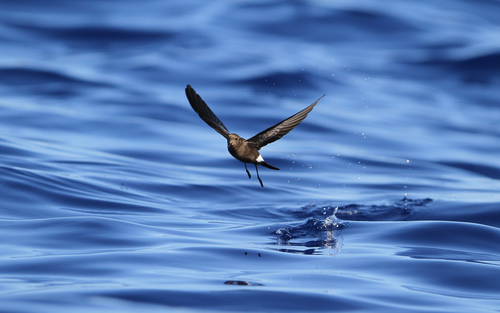
アシナガウミツバメ (Oceanites oceanicus) アシナガウミツバメ
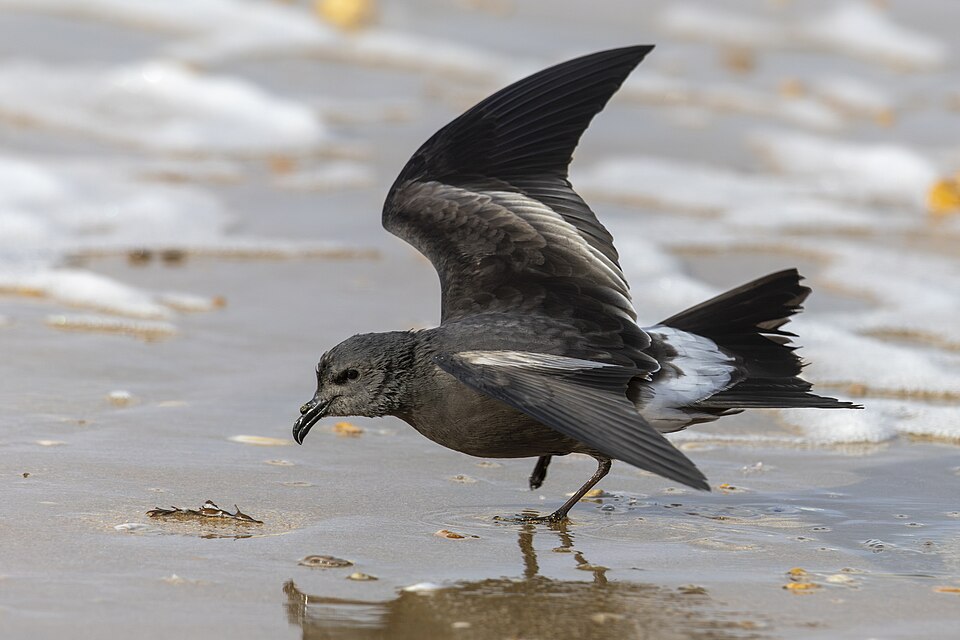
コシジロウミツバメ (Hydrobates leucorhous) コシジロウミツバメ

メディア

読み込み中…

要点

ウィルソンウミツバメとコシジロウミツバメを区別する最も信頼できるフィールドマークは、飛行中の尾の形と尻の模様です:ウィルソンウミツバメは四角い尾ときれいな白い尻を持ち、コシジロウミツバメは明らかに分かれた尾を示し、通常は暗い中央線のある白い尻を持っています。すべての年齢において、ウィルソンウミツバメは上翼のカバーに淡いバンドを示すのに対し、コシジロウミツバメは二次カバーに淡いバーを持ちますが、同じような拡散パネルはありません。ウィルソンウミツバメはわずかに小さく、よりコンパクトで、飛行中に尾を超えて足が突き出ていますが、コシジロウミツバメはこの特徴を示しません。両種は全体的に暗く、白い尻を持っていますが、飛行スタイルと構造の微妙な違いが自信を持った同定の鍵となります。

識別のコツ

  1. Tail shape: 飛行中、ウィルソンウミツバメは四角い尾を持ち、コシジロウミツバメは明確に分かれた尾を示します。これはすべての年齢と季節で最も信頼できるフィールドマークです。
  2. Rump pattern: ウィルソンウミツバメは常にきれいで途切れのない白い尻と側面を持っています。コシジロウミツバメは通常、暗い中央線またはしみのある白い尻を示します、特に大西洋の個体では注意が必要です。太平洋では、白い尻が完全に欠けている暗い尻のコシジロウミツバメに注意してください。
  3. Upperwing pattern: ウィルソンウミツバメは上翼のカバーに淡いバンドを示します(すべての年齢)、一方、コシジロウミツバメは二次カバーに淡い灰褐色のバーを持っています。違いは微妙ですが、良い光の下で見ることができます。
  4. Feet projection: ウィルソンウミツバメでは、脚と足が飛行中に尾を超えてわずかに突き出し、小さな突起を作ります。コシジロウミツバメはこの特徴を示しません;足は尾を超えては見えません。
  5. Flight style: ウィルソンウミツバメはより直接的で滑空し、羽を高く持ち、頻繁に水面で「パタパタ」とする飛行をします。コシジロウミツバメはより跳ねるようで不規則で、滑空がより頻繁でホバリングが少ないです。
  6. Size and shape: ウィルソンウミツバメはわずかに小さく、よりコンパクトです;コシジロウミツバメは翼が長く、より細身です。これは微妙で、直接比較で最もよく使用されます。
  7. Face: コシジロウミツバメはわずかに明るい顔を示すことがありますが、これは常に明らかではありません。
  8. Webbing color: ウィルソンウミツバメの繁殖前の個体は、指の間に黒い斑点のある黄色の水かきがありますが、これは非常に近くでないと見えません。
  9. Plumage pitfalls: 両者は暗く白い尻を持っていますが、太平洋沿岸の暗い尻のコシジロウミツバメには注意が必要で、全体が暗く見え、白い尻が欠けていることがあります。そのような場合は、尾の形と飛行スタイルに頼ってください。
  10. Habitat and context: ウィルソンウミツバメは大きな群れで見られる可能性が高く、世界的に豊富です;コシジロウミツバメはより局所的で、繁殖地から離れた場所で大量に見られる可能性は低いです。
  11. Ship-following: ウィルソンウミツバメは船や漁船を追う可能性が高く、大きな群れで見られることもあります。コシジロウミツバメはこの文脈ではあまり群れません。
  12. Vocalizations: 海上での区別には役立ちません;両種は一般的にコロニーから離れると静かです。
  13. Seasonal overlap: 両種は夏の北の海で一緒に見られることがあるので、同定には季節だけに頼らないでください。
  14. Perched views: 海上では両方とも珍しい;ほとんどの同定は飛行中に行われます。
  15. Juvenile/immature confusion: すべての主要なフィールドマーク(尾の形、尻の模様、上翼のパネル)はすべての年齢に適用されるため、幼鳥は成鳥と同じ特徴で区別されます。

大きさ

ウィルソンウミツバメはわずかに小さく、軽量で、体重は34.0 g [wikidata]、長さは16–18.5 cm、翼幅は38–42 cm [wikipedia]です。コシジロウミツバメは大きく、長さは18–21 cm、翼幅は43–48 cm [wikipedia]です。フィールドでは、このサイズの違いは微妙ですが、コシジロウミツバメはしばしば翼が長く、より細身に見え、ウィルソンウミツバメはよりコンパクトです。

羽色

行動

両種は水面でパタパタしながらプランクトンの食物を拾って餌を取ります。ウィルソンウミツバメはより直接的で滑空する飛行を持ち、羽を高く持つことが多く、水面を「歩く」ようなフラッタリング、ホバリングスタイルで有名です。コシジロウミツバメもパタパタしますが、よりフラッタリーで跳ねるような飛行をし、滑空がより頻繁で不規則な飛行経路を示すことが多いです。ウィルソンウミツバメは非常に群れを成し、しばしば船を追います;コシジロウミツバメはそれほどではありません。

生息環境

両種は外洋性で、繁殖コロニーを除いて陸からはほとんど見られません。ウィルソンウミツバメは世界で最も豊富な海鳥の一つであり、大きな群れで見られる可能性が高く、特に南の海域や北の夏でも見られます。コシジロウミツバメはより局所的で、北大西洋や北太平洋の遠隔地の島で繁殖し、豊富ではありません。フィールドでは、文脈(場所と季節)が役立つことがありますが、両者は沖合で重なることがあります。

声

提供されたノートには、これら二種のフィールド分離のための診断的な鳴き声は記載されていません。両種は一般的に海上では静かです。

より良い説明を送る

比較と同じ項目を使ってください。文章はすぐに公開されます。

The most reliable field mark to separate Wilson's Storm-Petrel from Leach's Storm-Petrel is the tail shape and rump pattern in flight: Wilson's has a square-ended tail and a clean white rump, while Leach's shows a noticeably forked tail and usually a white rump with a dark central line. For all ages, Wilson's also shows a diffuse pale band on the upperwing coverts, whereas Leach's has a paler bar on the secondary coverts but lacks the same diffuse panel. Wilson's is slightly smaller and more compact, with feet that project beyond the tail in flight, which Leach's does not show. Both species are dark overall with white rumps, but subtle differences in flight style and structure are key for confident identification.

  1. Tail shape: In flight, Wilson's Storm-Petrel has a square-ended tail, while Leach's Storm-Petrel shows a distinctly forked tail. This is the most reliable field mark at all ages and seasons.
  2. Rump pattern: Wilson's always has a clean, unbroken white rump and flanks. Leach's typically shows a white rump with a dark central line or smudge, especially in Atlantic birds. Beware of dark-rumped Leach's in the Pacific, which can lack the white rump entirely.
  3. Upperwing pattern: Wilson's shows a diffuse pale band along the upperwing coverts (all ages), while Leach's has a paler grey-brown bar on the secondary coverts. The difference is subtle but visible in good light.
  4. Feet projection: In Wilson's, the legs and feet extend just beyond the tail in flight, creating a tiny projection. Leach's does not show this feature; the feet are not visible beyond the tail.
  5. Flight style: Wilson's has a more direct, gliding, and fluttering flight, often with wings held high and frequent 'pattering' on the water. Leach's is more bounding and erratic, with more frequent glides and less hovering.
  6. Size and shape: Wilson's is slightly smaller and more compact; Leach's is longer-winged and more slender. This is subtle and best used in direct comparison.
  7. Face: Leach's may show a slightly paler face, but this is not always obvious.
  8. Webbing color: Wilson's pre-breeding birds have yellow webbing with black spots between the toes, but this is rarely visible except at very close range.
  9. Plumage pitfalls: Both are dark with white rumps, but beware of dark-rumped Leach's on the Pacific coast, which can appear all-dark and lack the white rump. In such cases, rely on tail shape and flight style.
  10. Habitat and context: Wilson's is more likely in large flocks and is globally abundant; Leach's is more localized and less likely to be seen in large numbers away from breeding sites.
  11. Ship-following: Wilson's is more likely to follow ships and fishing boats, sometimes in large flocks. Leach's is less gregarious in this context.
  12. Vocalizations: Not useful for separation at sea; both are generally silent away from colonies.
  13. Seasonal overlap: Both can occur together in northern oceans during summer, so do not rely on season alone for identification.
  14. Perched views: Rare for both at sea; most identification will be in flight.
  15. Juvenile/immature confusion: All key field marks (tail shape, rump pattern, upperwing panel) apply to all ages, so immatures are separated by the same features as adults.

Wilson's Storm-Petrel is slightly smaller and lighter, with a body mass of 34.0 g [wikidata] and a length of 16–18.5 cm, wingspan 38–42 cm [wikipedia]. Leach's Storm-Petrel is larger, at 18–21 cm in length and a wingspan of 43–48 cm [wikipedia]. In the field, this size difference is subtle, but Leach's often appears longer-winged and more slender, while Wilson's is more compact.

  • Juvenile and immature birds: Both species are dark overall with a white rump, but Wilson's always shows a clean, bright white rump and flanks, while Leach's typically has a white rump with a dark central line or smudge (especially visible in Atlantic birds). On the upperwing, Wilson's has a diffuse pale band along the upperwing coverts, present in all plumages, while Leach's shows a paler grey-brown bar on the secondary coverts but not the same diffuse panel. Leach's can have a slightly paler face.
  • Adults: Wilson's retains the white rump and pale upperwing covert band, with a square tail. Leach's adult shows the white rump (often divided), a forked tail, and a paler bar on the wing. On the Pacific coast, beware of dark-rumped Leach's, which can lack the white rump entirely—this is rare north of southern California but common further south.
  • Feet: In Wilson's, the feet project just beyond the tail in flight, a subtle but consistent mark. Leach's does not show this feature.
  • Webbing: Wilson's pre-breeding age birds have yellow webbing with black spots between the toes, but this is rarely visible in the field.

Both species feed by pattering on the water surface and picking planktonic food items. Wilson's Storm-Petrel has a more direct, gliding flight with wings often held high, and is famous for its fluttering, hovering style as it 'walks' on the water. Leach's Storm-Petrel also patters but tends to have a more fluttery, bounding flight, often interspersed with glides, and is more likely to show a bounding, erratic flight path. Wilson's is highly gregarious and often follows ships; Leach's is less so.

Both are pelagic, rarely seen from land except at breeding colonies. Wilson's Storm-Petrel is one of the most abundant seabirds globally and is likely to be encountered in large flocks, especially in the southern oceans but also in northern summer. Leach's is more localized and less abundant, breeding on remote islands in the North Atlantic and North Pacific. In the field, context (location and season) can help, but both may overlap offshore.

No diagnostic vocalizations are described for field separation between these two species in the provided notes. Both are generally silent at sea.

変更を破棄しますか?

保存していない編集があります。今離れると失われます。

アシナガウミツバメ · コシジロウミツバメ · 苦手な鳥