

Uccello delle tempeste di Wilson vs Uccello delle tempeste codaforcuta
Oceanites oceanicus contro Hydrobates leucorhous
Fai un quiz con Uccello delle tempeste di Wilson e Uccello delle tempeste codaforcuta
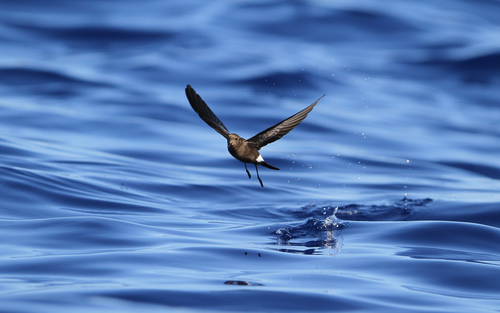 Uccello delle tempeste di Wilson
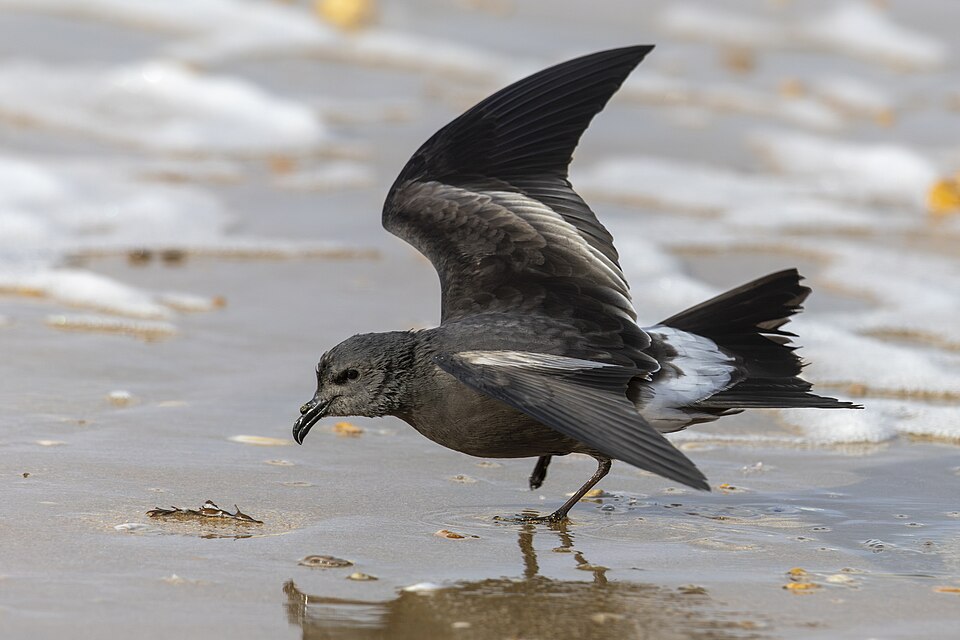 Uccello delle tempeste codaforcuta
In breve
Il segno distintivo più affidabile per separare l'Uccello delle tempeste di Wilson dall'Uccello delle tempeste codaforcuta è la forma della coda e il motivo del sottocoda in volo: l'Uccello delle tempeste di Wilson ha una coda a forma quadrata e un sottocoda bianco pulito, mentre l'Uccello delle tempeste codaforcuta mostra una coda visibilmente forked e di solito un sottocoda bianco con una linea centrale scura. Per tutte le età, l'Uccello delle tempeste di Wilson mostra anche una banda pallida diffusa sulle copritrici delle ali superiori, mentre l'Uccello delle tempeste codaforcuta ha una barra più chiara sulle copritrici secondarie ma manca dello stesso pannello diffuso. L'Uccello delle tempeste di Wilson è leggermente più piccolo e più compatto, con piedi che si proiettano oltre la coda in volo, cosa che l'Uccello delle tempeste codaforcuta non mostra. Entrambe le specie sono scure nel complesso con sottocoda bianchi, ma sottili differenze nello stile di volo e nella struttura sono fondamentali per un'identificazione sicura.
Consigli di identificazione
- Forma della coda: In volo, l'Uccello delle tempeste di Wilson ha una coda a forma quadrata, mentre l'Uccello delle tempeste codaforcuta mostra una coda distintamente forked. Questo è il segno distintivo più affidabile in tutte le età e stagioni.
- Motivo del sottocoda: L'Uccello delle tempeste di Wilson ha sempre un sottocoda e fianchi bianchi puliti e non interrotti. L'Uccello delle tempeste codaforcuta mostra tipicamente un sottocoda bianco con una linea centrale scura o macchia, specialmente negli uccelli atlantici. Fai attenzione agli Uccelli delle tempeste codaforcuta con sottocoda scuro nel Pacifico, che possono mancare completamente del sottocoda bianco.
- Motivo delle ali superiori: L'Uccello delle tempeste di Wilson mostra una banda pallida diffusa lungo le copritrici delle ali superiori (tutte le età), mentre l'Uccello delle tempeste codaforcuta ha una barra grigio-marrone più chiara sulle copritrici secondarie. La differenza è sottile ma visibile in buona luce.
- Proiezione dei piedi: Negli Uccelli delle tempeste di Wilson, le gambe e i piedi si estendono appena oltre la coda in volo, creando una piccola proiezione. L'Uccello delle tempeste codaforcuta non mostra questa caratteristica; i piedi non sono visibili oltre la coda.
- Stile di volo: L'Uccello delle tempeste di Wilson ha un volo più diretto, planante e tremolante, spesso con le ali tenute alte e frequenti 'pattinamenti' sull'acqua. L'Uccello delle tempeste codaforcuta è più saltellante ed erratico, con planate più frequenti e meno sospensione.
- Dimensione e forma: L'Uccello delle tempeste di Wilson è leggermente più piccolo e più compatto; l'Uccello delle tempeste codaforcuta ha ali più lunghe e più slanciate. Questo è sottile e meglio utilizzato in confronto diretto.
- Faccia: L'Uccello delle tempeste codaforcuta può mostrare una faccia leggermente più chiara, ma questo non è sempre ovvio.
- Colore delle membrane: Gli Uccelli delle tempeste di Wilson in età pre-riproduttiva hanno membrane gialle con macchie nere tra le dita, ma questo è raramente visibile tranne che a distanza molto ravvicinata.
- Trappole del piumaggio: Entrambi sono scuri con sottocoda bianchi, ma fai attenzione agli Uccelli delle tempeste codaforcuta con sottocoda scuro sulla costa del Pacifico, che possono apparire completamente scuri e mancare del sottocoda bianco. In tali casi, fai affidamento sulla forma della coda e sullo stile di volo.
- Habitat e contesto: L'Uccello delle tempeste di Wilson è più probabile che si trovi in grandi stormi ed è abbondante a livello globale; l'Uccello delle tempeste codaforcuta è più localizzato e meno probabile da vedere in gran numero lontano dai siti di nidificazione.
- Seguire le navi: L'Uccello delle tempeste di Wilson è più probabile che segua navi e pescherecci, talvolta in grandi stormi. L'Uccello delle tempeste codaforcuta è meno gregario in questo contesto.
- Vocalizzazioni: Non utili per la separazione in mare; entrambi sono generalmente silenziosi lontano dalle colonie.
- Sovrapposizione stagionale: Entrambi possono verificarsi insieme negli oceani settentrionali durante l'estate, quindi non fare affidamento solo sulla stagione per l'identificazione.
- Viste in pericolo: Rare per entrambi in mare; la maggior parte dell'identificazione avverrà in volo.
- Confusione giovanile/immatura: Tutti i segni distintivi chiave (forma della coda, motivo del sottocoda, pannello delle ali superiori) si applicano a tutte le età, quindi gli immaturi sono separati dalle stesse caratteristiche degli adulti.
Taglia
L'Uccello delle tempeste di Wilson è leggermente più piccolo e più leggero, con una massa corporea di 34,0 g [wikidata] e una lunghezza di 16–18,5 cm, apertura alare 38–42 cm [wikipedia]. L'Uccello delle tempeste codaforcuta è più grande, con una lunghezza di 18–21 cm e un'apertura alare di 43–48 cm [wikipedia]. Sul campo, questa differenza di dimensione è sottile, ma l'Uccello delle tempeste codaforcuta appare spesso con ali più lunghe e più slanciate, mentre l'Uccello delle tempeste di Wilson è più compatto.
Piumaggio
- Uccelli giovanili e immaturi: Entrambe le specie sono scure nel complesso con un sottocoda bianco, ma l'Uccello delle tempeste di Wilson mostra sempre un sottocoda e fianchi bianchi puliti e brillanti, mentre l'Uccello delle tempeste codaforcuta ha tipicamente un sottocoda bianco con una linea centrale scura o macchia (specialmente visibile negli uccelli atlantici). Sull'ala superiore, l'Uccello delle tempeste di Wilson ha una banda pallida diffusa lungo le copritrici delle ali superiori, presente in tutti i piumaggi, mentre l'Uccello delle tempeste codaforcuta mostra una barra grigio-marrone più chiara sulle copritrici secondarie ma non lo stesso pannello diffuso. L'Uccello delle tempeste codaforcuta può avere una faccia leggermente più chiara.
- Adulti: L'Uccello delle tempeste di Wilson mantiene il sottocoda bianco e la banda pallida delle copritrici delle ali superiori, con una coda quadrata. L'adulto dell'Uccello delle tempeste codaforcuta mostra il sottocoda bianco (spesso diviso), una coda forked e una barra più chiara sull'ala. Sulla costa del Pacifico, fai attenzione agli Uccelli delle tempeste codaforcuta con sottocoda scuro, che possono mancare completamente del sottocoda bianco—questo è raro a nord della California meridionale ma comune più a sud.
- Piedi: Negli Uccelli delle tempeste di Wilson, i piedi si proiettano appena oltre la coda in volo, un segno sottile ma costante. L'Uccello delle tempeste codaforcuta non mostra questa caratteristica.
- Membrane: Gli uccelli in età pre-riproduttiva dell'Uccello delle tempeste di Wilson hanno membrane gialle con macchie nere tra le dita, ma questo è raramente visibile sul campo.
Comportamento
Entrambe le specie si nutrono pattinando sulla superficie dell'acqua e raccogliendo cibi planctonici. L'Uccello delle tempeste di Wilson ha un volo più diretto e planante con le ali spesso tenute alte, ed è famoso per il suo stile tremolante e sospeso mentre 'cammina' sull'acqua. L'Uccello delle tempeste codaforcuta pattina anch'esso ma tende ad avere un volo più tremolante e saltellante, spesso intervallato da planate, ed è più probabile che mostri un percorso di volo saltellante ed erratico. L'Uccello delle tempeste di Wilson è altamente gregario e spesso segue le navi; l'Uccello delle tempeste codaforcuta è meno così.
Habitat
Entrambi sono pelagici, raramente visti dalla terra tranne che nelle colonie di nidificazione. L'Uccello delle tempeste di Wilson è uno degli uccelli marini più abbondanti a livello globale ed è probabile che venga incontrato in grandi stormi, specialmente negli oceani meridionali ma anche nell'estate settentrionale. L'Uccello delle tempeste codaforcuta è più localizzato e meno abbondante, nidificando su isole remote nell'Atlantico settentrionale e nel Pacifico settentrionale. Sul campo, il contesto (posizione e stagione) può aiutare, ma entrambi possono sovrapporsi al largo.
Voce
Nessuna vocalizzazione diagnostica è descritta per la separazione sul campo tra queste due specie nelle note fornite. Entrambi sono generalmente silenziosi in mare.
Uccello delle tempeste di Wilson · Uccello delle tempeste codaforcuta · I miei uccelli difficili