

Motmot

オジロクロツバメ 対 ヨーロッパコシアカツバメ/アフリカコシアカツバメ/コシアカツバメ

Hirundo nigrita 対 Cecropis daurica

オジロクロツバメとヨーロッパコシアカツバメ/アフリカコシアカツバメ/コシアカツバメのクイズ
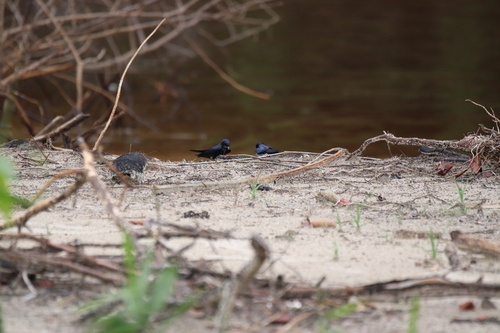
オジロクロツバメ (Hirundo nigrita) オジロクロツバメ
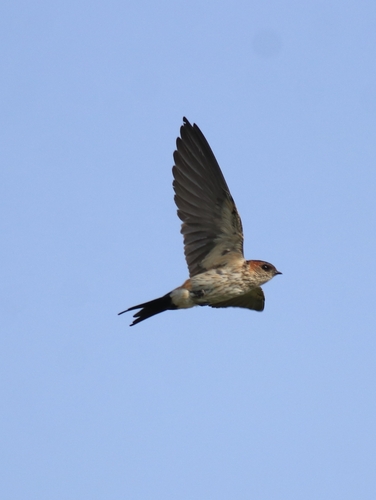
ヨーロッパコシアカツバメ/アフリカコシアカツバメ/コシアカツバメ (Cecropis daurica) ヨーロッパコシアカツバメ/アフリカコシアカツバメ/コシアカツバメ

メディア

読み込み中…

要点

これらの2種のツバメを区別する最も信頼できるフィールドマークは、ヨーロッパコシアカツバメに見られる豊かな栗色または赤みがかった尾羽(しばしば襟も)であり、オジロクロツバメには全く存在しません。幼鳥のヨーロッパコシアカツバメは鈍く、茶色がかっていますが、依然として淡いまたは栗色の尾羽を示します。一方、オジロクロツバメは常に上面が光沢のある濃い青(時には遠くから見ると黒く見える)で、鮮明な白い喉を持ち、どこにも赤褐色はありません。飛行中、ヨーロッパコシアカツバメの深く分かれた尾と淡い尾羽は特徴的であり、オジロクロツバメはより均一に暗く、白いビブがあります。生息地も役立ちます:オジロクロツバメはアフリカの熱帯雨林の川や小川に結びついており、ヨーロッパコシアカツバメはアジアの開けた丘陵地帯や耕作地を好みます。両者はサイズと構造が似ているため、最も迅速に区別するためには尾羽の色と喉の模様に注目してください。

識別のコツ

  1. 尾羽の色が重要: ヨーロッパコシアカツバメは常に栗色または赤みがかった尾羽を示します(時には亜種や年齢によって縞模様や淡い色合いが見られることもあります)、止まっている時も飛んでいる時も見えます。オジロクロツバメは尾羽に赤褐色や栗色を示すことは決してありません—常に光沢のある濃い青または黒っぽいです。
  2. 喉とビブ: オジロクロツバメは鮮明で清潔な白い喉とビブを持ち、濃い青の上面と鋭く対照的です。ヨーロッパコシアカツバメは白い顔と腹部を持っていますが、これらは濃い線で heavily streaked されており、鮮明に定義された白いビブは欠けています。
  3. 尾の形: ヨーロッパコシアカツバメは長い外羽を持つ深く分かれた尾を持っています(幼鳥では短くなります)、一方オジロクロツバメの尾も分かれていますが、そこまで深くはなく、同じ長い流れ羽はありません。
  4. 腹部の縞模様: ヨーロッパコシアカツバメは白い腹部に濃い縞模様を示し、特に胸部と側面に顕著です。オジロクロツバメの腹部は清潔な白(少なくとも喉とビブでは)、縞模様はありません。
  5. 上面の光沢: オジロクロツバメは上面が光沢のある濃い青で、時には遠くから見ると黒く見えます。ヨーロッパコシアカツバメは上面が青ですが、対照的な赤褐色の尾羽と時には赤褐色の襟があります。
  6. 幼鳥の混乱: 幼鳥のヨーロッパコシアカツバメは鈍く、茶色がかっており、淡い尾羽と短い尾を持っていますが、依然として尾羽に淡いまたは栗色の部分を示します。幼鳥のオジロクロツバメは詳細に記述されていませんが、すべての年齢は尾羽に赤褐色がありません。
  7. 飛行中の視点: 飛行中は、ヨーロッパコシアカツバメの淡いまたは栗色の尾羽と長い分かれた尾を探してください。オジロクロツバメは上面がより均一に暗く、下から見える白い喉の斑点があります。
  8. 生息地の文脈: アフリカの熱帯雨林の小川や川の近くにいる場合、オジロクロツバメが可能性があります。開けた丘陵地帯や耕作されたアジアの風景では、ヨーロッパコシアカツバメがはるかに可能性が高いです。
  9. 地理的範囲: ヨーロッパコシアカツバメはアジア(インドから台湾まで)に見られ、オジロクロツバメはアフリカの熱帯雨林ゾーンに制限されています。
  10. 止まっている姿勢: 両種はワイヤーや枝に止まることがありますが、ヨーロッパコシアカツバメは止まっている時に赤褐色の尾羽と縞模様の腹部を示すことが多いですが、オジロクロツバメは清潔な白い喉と光沢のある青い上面を示します。
  11. どこにも赤褐色がない: 尾羽や襟に赤褐色や栗色が見られる場合、オジロクロツバメを除外してください。
  12. 重い縞模様がない: 腹部に重い縞模様がある場合、それはヨーロッパコシアカツバメです;オジロクロツバメは下側が清潔です(少なくとも喉とビブでは)。
  13. 音声の手がかりは提供されていない: 音声はメモに記述されていないため、呼び声や歌に頼って区別しないでください。
  14. 性別は似ている: 両種は両性で似た羽毛を持っているため、性別は有用なフィールドマークではありません。
  15. 季節的移動: オジロクロツバメは一般的に定住しており;ヨーロッパコシアカツバメは移動性または地域的な移動者である可能性がありますが、これは主要なフィールドマークではありません。

大きさ

両種は全体的なサイズと構造が似ており、中型のツバメに典型的です。ヨーロッパコシアカツバメは約19 cmの長さで深く分かれた尾を持ち、オジロクロツバメも中型ですが、メモには正確な測定値は提供されていません。フィールドでの区別に役立つサイズや質量の重要な違いは記載されていません。

羽色

行動

両種は典型的なツバメの飛行を持つ空中昆虫食者ですが、オジロクロツバメは一般的に定住しており、熱帯雨林の水路に結びついているのに対し、ヨーロッパコシアカツバメはより移動性があり、開けた国でよく見られ、時にはワイヤーや露出した枝に止まっています。ヨーロッパコシアカツバメは特に繁殖シーズン外で小さな群れで見られることがあります。フィールドで診断的な主要な行動の違いは、生息地の文脈を超えて記述されていません。

生息環境

生息地は強力な手がかりです:オジロクロツバメはアフリカの熱帯雨林(ダホメーギャップを含む)の熱帯河川、湖、熱帯雨林の小川の近くで一年中見られ、一般的には珍しいです。ヨーロッパコシアカツバメは、東部および南東アジアから北東インドおよび台湾にかけて、開けた丘陵地帯や耕作地に見られます。水の近くの密なアフリカの熱帯雨林にいる場合、オジロクロツバメが可能性があります;開けたアジアの田舎では、ヨーロッパコシアカツバメがはるかに可能性が高いです。

より良い説明を送る

比較と同じ項目を使ってください。文章はすぐに公開されます。

The most reliable field mark to separate these two swallows is the presence of a rich chestnut or reddish rump (and often a collar) on the Red-rumped Swallow, which is entirely absent in the White-throated Blue Swallow. Juvenile Red-rumped Swallows are duller and browner, but still show a pale or chestnut rump, while White-throated Blue Swallow is always glossy dark blue above (sometimes appearing black at a distance) with a crisp white throat and no rufous anywhere. In flight, the Red-rumped Swallow’s deeply forked tail and pale rump are distinctive, while the White-throated Blue Swallow is more uniformly dark with a white bib. Habitat also helps: White-throated Blue Swallow is tied to rainforest rivers and streams in Africa, while Red-rumped Swallow prefers open, hilly, or cultivated areas in Asia. Both are similar in size and structure, so focus on rump color and throat pattern for the quickest separation.

  1. Rump color is key: Red-rumped Swallow always shows a chestnut or reddish rump (sometimes streaked or paler in some subspecies/ages), visible both perched and in flight. White-throated Blue Swallow never shows any rufous or chestnut on the rump—always glossy dark blue or blackish.
  2. Throat and bib: White-throated Blue Swallow has a crisp, clean white throat and bib, sharply contrasting with the dark blue upperparts. Red-rumped Swallow has a white face and underparts, but these are heavily streaked with dark lines and lack a sharply defined white bib.
  3. Tail shape: Red-rumped Swallow has a deeply forked tail with long outer feathers (shorter in juveniles), while White-throated Blue Swallow’s tail is also forked but not as deeply, and lacks the same long streamers.
  4. Underpart streaking: Red-rumped Swallow shows heavy dark streaking on the white underparts, especially on the breast and flanks. White-throated Blue Swallow’s underparts are clean white (at least on the throat and bib), with no streaking.
  5. Upperpart gloss: White-throated Blue Swallow is glossy dark blue above, sometimes appearing black at a distance. Red-rumped Swallow is blue above but with a contrasting rufous rump and sometimes a rufous collar.
  6. Juvenile confusion: Juvenile Red-rumped Swallows are duller and browner, with a paler rump and shorter tail, but still show some pale or chestnut on the rump. Juvenile White-throated Blue Swallow is not described in detail, but all ages lack any rufous on the rump.
  7. Flight views: In flight, look for the Red-rumped Swallow’s pale or chestnut rump and long, forked tail. White-throated Blue Swallow appears more uniformly dark above, with a white throat patch visible from below.
  8. Habitat context: If you are near rainforest streams or rivers in Africa, White-throated Blue Swallow is possible. In open, hilly, or cultivated Asian landscapes, Red-rumped Swallow is much more likely.
  9. Geographic range: Red-rumped Swallow is found in Asia (from India to Taiwan), while White-throated Blue Swallow is restricted to the African tropical rainforest zone.
  10. Perched posture: Both species may perch on wires or branches, but Red-rumped Swallow often shows its rufous rump and streaked underparts when perched, while White-throated Blue Swallow shows a clean white throat and glossy blue upperparts.
  11. No rufous anywhere: If you see any rufous or chestnut on the rump or collar, rule out White-throated Blue Swallow.
  12. No heavy streaking: If the underparts are heavily streaked, it is a Red-rumped Swallow; White-throated Blue Swallow is clean below (at least on the throat and bib).
  13. No voice cues provided: Vocalizations are not described in the notes, so do not rely on calls or song for separation.
  14. Sexes similar: Both species have similar plumage in both sexes, so sex is not a useful field mark.
  15. Seasonal movement: White-throated Blue Swallow is generally resident; Red-rumped Swallow may be migratory or local migrant, but this is not a primary field mark.

Both species are similar in overall size and structure, typical of medium-sized swallows. The Red-rumped Swallow is about 19 cm long with a deeply forked tail, while the White-throated Blue Swallow is also medium-sized, but precise measurements are not provided in the notes. No significant difference in size or mass is noted that would be useful for field separation.

  • Juvenile/immature birds: Juvenile Red-rumped Swallows are duller and browner than adults, with a paler or chestnut rump and shorter outer tail feathers, but always retain some pale or rufous on the rump. Juvenile White-throated Blue Swallows are not described in detail, but all ages are mainly glossy dark blue (sometimes appearing black), with a white throat and no rufous or chestnut tones anywhere.
  • Adults: Adult Red-rumped Swallows have blue upperparts with a distinct reddish (chestnut) rump and sometimes a reddish collar, white underparts heavily streaked with dark, and a deeply forked tail. The White-throated Blue Swallow is glossy dark blue above, with a crisp white throat and bib, and no rufous or chestnut on the rump or collar. Its underparts are not streaked. In flight, the Red-rumped Swallow’s pale rump and forked tail are prominent, while the White-throated Blue Swallow appears more uniformly dark with a white throat patch.

Both species are aerial insectivores with typical swallow flight, but the White-throated Blue Swallow is generally resident and tied to watercourses in rainforest, while the Red-rumped Swallow is more migratory and often seen in open country, sometimes perched on wires or exposed branches. The Red-rumped Swallow may be seen in small groups, especially outside the breeding season. No major behavioral differences are described that would be diagnostic in the field beyond habitat context.

Habitat is a strong supporting clue: White-throated Blue Swallow is found year-round near tropical rivers, lakes, and rainforest streams in the African tropical rainforest (including the Dahomey Gap), and is generally uncommon. Red-rumped Swallow is found in open, often hilly areas with clearings and cultivation across eastern and southeastern Asia to northeastern India and Taiwan. If you are in dense African rainforest by water, White-throated Blue Swallow is possible; in open Asian countryside, Red-rumped Swallow is far more likely.

変更を破棄しますか?

保存していない編集があります。今離れると失われます。

オジロクロツバメ · ヨーロッパコシアカツバメ/アフリカコシアカツバメ/コシアカツバメ · 苦手な鳥