

Motmot

シラオネッタイチョウ 対 エインリーウミツバメ

Phaethon lepturus 対 Hydrobates cheimomnestes

シラオネッタイチョウとエインリーウミツバメのクイズ
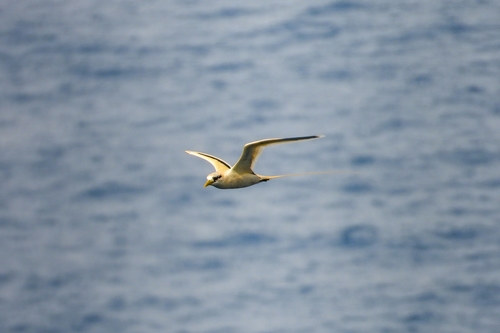
シラオネッタイチョウ (Phaethon lepturus) シラオネッタイチョウ
エインリーウミツバメ (Hydrobates cheimomnestes) エインリーウミツバメ

メディア

読み込み中…

要点

ホワイトテールトロピックバードとエインリーウミツバメを区別する最も信頼性の高いフィールドマークは、全体の色と構造です:トロピックバードは目を引く、主に白い、長い尾を持つ海鳥で、黒い内翼のバーと明るいくちばしを持っています。一方、エインリーウミツバメはずっと小さく、すすけた茶色(遠くから見ると黒っぽく見える)で、白い尾羽と短い分岐した尾を持つ鳥です。幼鳥のトロピックバードは長い尾のストリーマーがなく、細かいバー模様の背中を持っていますが、主に白く、対照的な黒いアイマスクと翼のバーを持っています。均一に暗いウミツバメとは異なります。飛行中、トロピックバードの長く優雅な翼と尾は、ウミツバメの短く鈍い翼とひらひらとした跳ねる飛行と比べて明確です。くちばしの色(トロピックバードは黄色/オレンジ、ウミツバメは黒)と尾の長さは、すべての年齢で重要です。これらの種は、遠くからまたは光が悪い場合を除いて、フィールドで混同されることはほとんどありませんが、未熟なトロピックバードや遠くの淡い背中のウミツバメとの混同が生じる可能性があります。

識別のコツ

  1. 全体の色: ホワイトテールトロピックバードは主に白で黒い模様があり、エインリーウミツバメはすすけた茶色から黒っぽい色で白い尾羽を持っています。ウミツバメの年齢はどれも主に白くはありません。
  2. 尾の形と長さ: トロピックバードの成鳥は非常に長い白い中央尾ストリーマーを持ち、体長の2倍になることもあります。幼鳥はストリーマーがありませんが、比較的長い尾を持っています。ウミツバメは短く適度に分岐した尾を持ち、ストリーマーはありません。
  3. くちばしの色: トロピックバードは明るいオレンジ黄色からオレンジ赤のくちばし(成鳥)または緑黄色(幼鳥)を持ち、ウミツバメのくちばしは常に黒です。くちばしの色は良好な光の中で中程度の距離で見ることができます。
  4. 翼の模様: トロピックバードは内翼に黒いバーを示し(すべての年齢)、白い翼と対照的です。ウミツバメの翼は均一に暗く、対照的なバーやパネルはありません。
  5. アイマスク: トロピックバードは大胆な黒いアイマスクを持ち、ウミツバメは持っていません。
  6. 尾羽の斑点: ウミツバメは白い尾羽を持ち(U字型で中央に暗い部分があります)、トロピックバードの尾羽は白ですが、体の残りの部分と対照的ではありません。
  7. 背中の模様(幼鳥): 幼鳥のトロピックバードは細かいバー模様の背中を持っていますが、これは微妙で、均一に暗いウミツバメとの混同を引き起こす可能性は低いです。
  8. 飛行スタイル: トロピックバードは遅く深い翼の打撃で滑空し、長い尾ストリーマーを引きずります。ウミツバメは水面をひらひらと跳ねたり、波の上をジグザグに飛んだりします。
  9. サイズ: トロピックバードははるかに大きく(翼幅は96 cmまで)、ウミツバメは約18 cmの長さです。遠くからでも、トロピックバードのサイズと比率は独特です。
  10. 脚と足: ウミツバメの脚と足は黒く、飛行中に尾を越えて伸びることはありません。トロピックバードの脚は短く、通常は飛行中に見えません。
  11. 生息地: トロピックバードは通常、島や崖の近く、時には海の遠くで見られます。ウミツバメはほぼ完全に外洋性で、繁殖の小島を除いて陸から遠く離れています。
  12. 鳴き声: トロピックバードは大きく高音の叫び声を上げます。ウミツバメは海では静かで、繁殖コロニーでは夜行性で、柔らかい声を出しますが、バーダーには聞こえないことが多いです。フィールドでは、声はこれらの種を区別するのに役立つことはほとんどありません。
  13. 止まっている姿勢: トロピックバードは崖や開けた地面に止まり、しばしば尾のストリーマーが見えます。ウミツバメは繁殖コロニーで夜に巣穴にいるとき以外は、止まっているのはほとんど見られません。
  14. 季節と範囲: 重複はまれです。不明な場合は、地域の豊富さと範囲を確認してください。トロピックバードは熱帯地域で広く分布しており、ウミツバメは非常に局所的です。
  15. 一般的な落とし穴: 遠くにいるストリーマーのない幼鳥のトロピックバードは、より小さく目立たなく見えることがありますが、白い羽毛と黒い翼のバーを示します。ウミツバメは決して白い頭や体を示しません。光が悪い場合は、構造と飛行スタイルに焦点を当ててください。

大きさ

ホワイトテールトロピックバードは劇的に大きいです:成鳥は全長71–80 cm(非常に長い中央尾羽を含む)で、翼幅は89–96 cmです [wikipedia]。エインリーウミツバメははるかに小さく、約18 cmの長さで、適度に長い分岐した尾と長い翼を持っています [wikipedia]。トロピックバードのサイズと比率は、アジサシや小型のカツオドリに似ており、ウミツバメはツバメや小型のコウライウグイスに近いサイズです。直接比較や混合群れでは、トロピックバードははるかに大きく、長い尾を持って目立ちます。

羽色

行動

ホワイトテールトロピックバードは泳ぎが得意ではありませんが、敏捷な飛行者であり、しばしば遅く優雅な翼の打撃で滑空したり、長い尾ストリーマーを引きずったりします。魚やイカのために高いところから急降下して餌を取り、時には短時間ホバリングします。エインリーウミツバメはひらひらとした跳ねる飛行を持ち、水面をパタパタとしたり、波の上をジグザグに飛んだりすることが多く、ウミツバメの典型的な飛行スタイルです。繁殖コロニーでは夜行性で、止まっているのはほとんど見られません。トロピックバードの飛行は優雅でアジサシのようですが、ウミツバメの飛行は速く、不規則で水面に近いです。

生息環境

ホワイトテールトロピックバードは世界中の熱帯海洋で見られ、特に島や繁殖崖の近くに生息し、海で広くさまよいます。カリブ海、バミューダ、インド洋や太平洋の一部を含む熱帯の島で繁殖します。エインリーウミツバメははるかに局所的で、グアダルーペ島(メキシコ)のいくつかの小島でのみ繁殖し、ガラパゴスに南下し、主に開けた海上で見られます。海では、ウミツバメは繁殖中を除いて、通常は陸から遠く離れています。これらの2種は範囲で重複することはまれであり、メキシコ西部や中央アメリカの例外的な外洋条件でない限り、一緒に見ることはほとんどありません。

声

ホワイトテールトロピックバードは高く叫ぶ「キィーキィークリートクリートクリート」を発します [wikipedia]。エインリーウミツバメは海では一般的に静かで、繁殖コロニーでは夜行性で柔らかい声を出しますが、バーダーには聞こえないことが多いです。フィールドでは、声はこれらの種を区別するのに役立つことはほとんどありません。

より良い説明を送る

比較と同じ項目を使ってください。文章はすぐに公開されます。

The most reliable field mark to separate White-tailed Tropicbird from Ainley's Storm-Petrel is overall color and structure: the tropicbird is a striking, mostly white, long-tailed seabird with black inner wing bars and a bright bill, while Ainley's Storm-Petrel is a much smaller, sooty-brown (appearing blackish at a distance) bird with a white rump and short, forked tail. Juvenile tropicbirds lack the long tail streamers and have a finely barred back, but remain mostly white with a contrasting black eye-mask and wing bar, unlike the uniformly dark storm-petrel. In flight, the tropicbird's long, elegant wings and tail are unmistakable compared to the storm-petrel's shorter, blunt-pointed wings and fluttery, bounding flight. Bill color (yellow/orange in tropicbird, black in storm-petrel) and tail length are key at all ages. These species are rarely confused in the field except at great distance or in poor light, but confusion may arise with immature tropicbirds or distant, pale-backed storm-petrels.

  1. Overall color: White-tailed Tropicbird is mostly white with black markings; Ainley's Storm-Petrel is sooty-brown to blackish with a white rump. No age of storm-petrel is ever mostly white.
  2. Tail shape and length: Tropicbird adults have extremely long, white central tail streamers, easily doubling body length. Juveniles lack streamers but still have a relatively long tail. Storm-petrel has a short, moderately forked tail, never with streamers.
  3. Bill color: Tropicbird has a bright orange-yellow to orange-red bill (adults), or green-yellow (juveniles); storm-petrel's bill is always black. Bill color is visible at moderate range in good light.
  4. Wing pattern: Tropicbird shows a black bar on the inner wing (all ages), contrasting with white wings. Storm-petrel's wings are uniformly dark, with no contrasting bars or panels.
  5. Eye-mask: Tropicbird has a bold black eye-mask; storm-petrel does not.
  6. Rump patch: Storm-petrel has a white rump (U-shaped, with central dark area); tropicbird's rump is white but not contrasting with rest of body.
  7. Back pattern (juveniles): Juvenile tropicbirds have a finely barred back, but this is subtle and not likely to cause confusion with the uniformly dark storm-petrel.
  8. Flight style: Tropicbird soars and glides with slow, deep wingbeats and long tail streamers trailing; storm-petrel flutters, bounds, and patters on the water, with quick, erratic movements.
  9. Size: Tropicbird is much larger (wingspan up to 96 cm) than storm-petrel (about 18 cm long). Even at distance, the tropicbird's size and proportions are distinctive.
  10. Legs and feet: Storm-petrel's legs and feet are black and do not extend beyond the tail in flight; tropicbird's legs are short and not usually visible in flight.
  11. Habitat: Tropicbird is usually seen near islands or cliffs, sometimes far at sea; storm-petrel is almost exclusively pelagic, far from land except at breeding islets.
  12. Vocalizations: Tropicbird gives loud, high-pitched screams; storm-petrel is silent at sea. Voice is rarely diagnostic in the field.
  13. Perched posture: Tropicbird perches on cliffs or open ground, often with tail streamers visible; storm-petrel is rarely seen perched except at night in burrows.
  14. Season and range: Overlap is rare; check local abundance and range if unsure. Tropicbird is much more widespread in the tropics, storm-petrel is highly localized.
  15. Common pitfalls: Distant, streamer-less juvenile tropicbirds may appear smaller and less distinctive, but still show white plumage and black wing bar. Storm-petrels never show white heads or bodies. In poor light, focus on structure and flight style.

White-tailed Tropicbird is dramatically larger: adults measure 71–80 cm in total length (including extremely long central tail feathers), with a wingspan of 89–96 cm [wikipedia]. Ainley's Storm-Petrel is much smaller, about 18 cm long with a moderately long, forked tail and long wings [wikipedia]. The tropicbird's size and proportions are more reminiscent of a tern or small gannet, while the storm-petrel is closer in size to a swallow or small swift. In any direct comparison or mixed flock, the tropicbird will stand out as much larger and longer-tailed.

  • Juvenile/immature birds: Juvenile White-tailed Tropicbirds lack the long tail streamers and have a green-yellow bill and finely barred back, but are still mostly white with a black eye-mask and inner wing bar. Ainley's Storm-Petrel of all ages is sooty-brown to blackish overall, with a white rump (U-shaped, with a central dark area), and never shows extensive white on the head, body, or wings. No age of storm-petrel resembles the white tropicbird.
  • Adults: Adult tropicbirds are pure white above and below, with a bold black bar on the inner wing, black eye-mask, and very long white tail streamers. Their bill is orange-yellow to orange-red. Adult storm-petrels are dark sooty-brown to blackish, with a white rump patch and black bill, legs, and feet. The storm-petrel's wings are uniformly dark, lacking any white or contrasting bars.
  • In flight: Tropicbird shows white wings with a black inner bar, long white tail streamers, and a bright bill; storm-petrel is dark with a white rump, short forked tail, and never shows white in the wings or head.

White-tailed Tropicbird is a poor swimmer but an agile flier, often seen soaring or gliding with slow, graceful wingbeats and long tail streamers trailing behind. It feeds by plunging from height for fish and squid, sometimes hovering briefly. Ainley's Storm-Petrel has a fluttery, bounding flight, often pattering on the water surface or zig-zagging low over waves, typical of storm-petrels. It is rarely seen perched except at breeding colonies, where it is nocturnal. The tropicbird's flight is elegant and tern-like; the storm-petrel's is quick, erratic, and low to the water.

White-tailed Tropicbird is found over tropical oceans worldwide, especially near islands and breeding cliffs, and can wander widely at sea. It breeds on tropical islands, including the Caribbean, Bermuda, and parts of the Indian and Pacific Oceans. Ainley's Storm-Petrel is much more localized, breeding only on a few islets off Guadalupe Island (Mexico) and ranging south to the Galápagos, mainly over open ocean. At sea, the storm-petrel is usually far from land except during breeding. The two species overlap only rarely in range, and are unlikely to be seen together except in exceptional pelagic conditions off western Mexico or Central America.

White-tailed Tropicbird gives a high, screamed 'keee-keee-krrrt-krrt-krrt' [wikipedia]. Ainley's Storm-Petrel is generally silent at sea; at breeding colonies, it is nocturnal and gives soft calls, but these are unlikely to be heard by birders. In the field, voice is rarely useful for separating these species.

変更を破棄しますか?

保存していない編集があります。今離れると失われます。

シラオネッタイチョウ · エインリーウミツバメ · 苦手な鳥