

Motmot

シラギクタイランチョウ 対 ハモンドメジロハエトリ

Elaenia albiceps 対 Empidonax hammondii

シラギクタイランチョウとハモンドメジロハエトリのクイズ
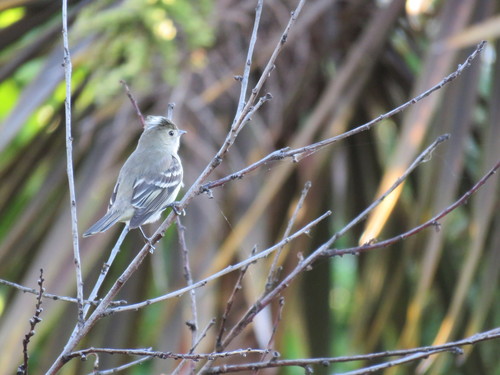
シラギクタイランチョウ (Elaenia albiceps) シラギクタイランチョウ
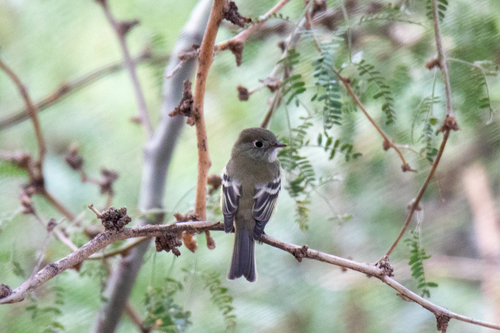
ハモンドメジロハエトリ (Empidonax hammondii) ハモンドメジロハエトリ

メディア

読み込み中…

要点

シラギクタイランチョウとハモンドメジロハエトリの最も信頼できるフィールドマークは全体の構造です:シラギクタイランチョウはふさふさした冠羽と太いくちばしを持ち、よりがっしりとした体型をしていますが、ハモンドメジロハエトリはよりコンパクトで、小さくて細いくちばしと短い尾を持っています。両種はオリーブグレーの上面、淡い下面、2本の淡い翼帯を示し、特に幼鳥では羽毛だけでは識別が難しいです。しかし、シラギクタイランチョウの部分的に隠れた白い冠羽のストライプ(時々持ち上げられたときに見えることがあります)はユニークであり、ハモンドメジロハエトリは常に目立つ白いアイリングを持ち、冠羽はありません。生息地と分布も強力な手がかりです:シラギクタイランチョウは南アメリカの森林の縁や谷に生息し、ハモンドメジロハエトリは成熟した針葉樹林の北アメリカの種です。

識別のコツ

  1. Crest presence: シラギクタイランチョウだけが部分的に隠れた白またはクリーミーなストライプを持つふさふさした冠羽を持っています。これは、鳥が興奮したり、冠羽を持ち上げたりするときに見えることがあります。ハモンドメジロハエトリは冠羽を示しません。
  2. Eyering: ハモンドメジロハエトリは常に大胆で丸い白いアイリングを持っています。シラギクタイランチョウは淡いアイリングを示すことがありますが、それはあまりはっきりせず、特に一部の亜種では不明瞭です。
  3. Bill structure: シラギクタイランチョウは、下顎の淡い基部を持つ太くて広いくちばしを持っています。ハモンドメジロハエトリは小さくて細い全体が黒いくちばしを持っています(雌は雄よりもわずかに短くて広いですが、常にハエトリとしては小さいです)。
  4. Wing bars: 両種は2本の淡い翼帯を持っていますが、ハモンドメジロハエトリ、特に幼鳥では、これらはより広く、バフィーに見えることがあります。シラギクタイランチョウでは、翼帯は白または白っぽく、時々一部の亜種ではあまりはっきりしません。
  5. Upperpart color: 両者は上面がオリーブグレーですが、シラギクタイランチョウはより鈍く、オリーブ色が強く、ハモンドメジロハエトリは特に頭部でわずかにグレーに見えることがあります。
  6. Underparts: シラギクタイランチョウは白い腹部と尾羽の覆いを持ち、淡い灰色または灰褐色の胸を持っています。ハモンドメジロハエトリは灰色がかった胸と黄色がかった側面を示し、下部はより muted で混ざった外観を与えます。
  7. Tail: シラギクタイランチョウの尾は暗く、狭いオリーブ色の縁があります。ハモンドメジロハエトリは暗く、コントラストが少なく、尾は短くてより四角いです。
  8. Size and shape: シラギクタイランチョウはよりがっしりしていて長い(13.5–15 cm、15.6 g)ですが、ハモンドメジロハエトリはより小さく、コンパクトな体型(12–14 cm、8–12 g)です。シラギクタイランチョウは全体的により頑丈に見えることがよくあります。
  9. Jizz in flight: ハモンドメジロハエトリはより活発で、高い止まり木から飛び出し、素早くひらひらとした飛行をします。シラギクタイランチョウはあまりアクロバティックではなく、より慎重に採餌し、しばしば中層または縁で行動します。
  10. Habitat: 北アメリカの成熟した針葉樹林で見られた場合、ほぼ確実にハモンドメジロハエトリです。南アメリカの森林の縁、谷、または低木地で、特に800 m以上で見られた場合、シラギクタイランチョウの可能性が高いです。
  11. Geographic range: シラギクタイランチョウは北アメリカでは見られません。ハモンドメジロハエトリは南アメリカでは見られません。
  12. Vocalization: ハモンドメジロハエトリの歌は、しゃがれた多節のシリーズで、鋭い「ピーク」コールを持っています。シラギクタイランチョウの声は、ぼやけた調整された音符とくしゃみのコールのシリーズです。コールはよく聞こえれば診断的です。
  13. Sex and age: 両性は両種で似ています。幼鳥のハモンドメジロハエトリは、成鳥よりも広く、バフィーな翼帯を持っていますが、冠羽は発達しません。シラギクタイランチョウには年齢特有の上翼パターンは記載されておらず、すべての年齢が似ています。
  14. Pitfalls: 照明が悪いと、両者は淡い翼帯とアイリングを持つオリーブグレーに見えることがあります。冠羽(隠れていても)とくちばしの形状が最も信頼できるマークです。ふさふさした冠羽を持つ小さなハエトリを見たら、それはシラギクタイランチョウです。もし鳥が小さく、短い尾を持ち、丸い白いアイリングと冠羽がなければ、それはハモンドメジロハエトリです。
  15. When marks fail: 冠羽が平らになり、アイリングが薄い(いくつかのシラギクタイランチョウの亜種のように)場合は、くちばしの構造、体の大きさ、そして生息地の文脈に頼ってください。

大きさ

シラギクタイランチョウはハモンドメジロハエトリ(8–12 g、12–14 cm)よりも明らかに大きく、重い(体重約15.6 g、長さ13.5–15 cm)です。シラギクタイランチョウはよりがっしりしていて頑丈に見えますが、ハモンドメジロハエトリは明らかに華奢でコンパクトで、尾が短く、くちばしが小さいです。並べて見ると、シラギクタイランチョウのより大きな質量とわずかに長い体が明らかですが、フィールドでは構造が長さだけよりも信頼できる手がかりです。

羽色

すべての年齢において、両種はオリーブグレーの上面、淡い下面、2本の淡い翼帯を持っていますが、微妙な違いがあります。シラギクタイランチョウは、部分的に隠れた白またはクリーミーな冠羽のストライプを持つ鈍いオリーブからオリーブグレーの頭部、亜種によって変動する白っぽいロアとアイリング、狭いオリーブ色の縁を持つ暗い尾を持っています。翼帯は白または白っぽく、飛翔羽には狭い淡い縁があります。ハモンドメジロハエトリは、成鳥と幼鳥ともに、より一貫して目立つ白いアイリング、白い翼帯、小さなくちばしを示します。幼鳥のハモンドメジロハエトリは成鳥よりも広く、バフィーな翼帯を持っていますが、冠羽は発達しません。シラギクタイランチョウの下面は一般的により白く、特に腹部と尾羽の覆いにおいて、ハモンドメジロハエトリは灰色がかった胸と黄色がかった側面を持っています。冠羽(常に見えるわけではありません)はシラギクタイランチョウに特有であり、ハモンドメジロハエトリはこの特徴を示しません。

行動

シラギクタイランチョウはしばしば単独で採餌し、時には中層や縁を移動し、より開けたまたは低木の多い生息地で見られることがあります。ハモンドメジロハエトリは、密な針葉樹林や混合林の上部に止まることを好み、しばしば飛び出して昆虫を捕まえたり(ハーキング)、ホバリングしながら葉から採餌したりします。ハモンドメジロハエトリは通常、樹冠でより活発でアクロバティックに見えますが、シラギクタイランチョウはより慎重で樹上性が少ないように見えることがあります。両種はハエトリをしているのが見られることがありますが、文脈と採餌の高さが役立つことがあります。

生息環境

生息地は強力な区別要因です。シラギクタイランチョウは南アメリカの亜熱帯および温帯の森林の縁、開けた森林、二次林、低木地に生息し(ボリビア、チリ、コロンビア、エクアドル、ペルー)、しばしば乾燥した山間の谷を好みます。ハモンドメジロハエトリは北アメリカの西部の針葉樹林および混合林に制限され、特に密なモミ、ポプラ、ハナミズキの林に生息します。北アメリカの成熟した針葉樹林にいる場合、ハモンドメジロハエトリが可能性が高いです。アンデスの乾燥した開けたまたは縁の生息地、特に北アメリカの外では、シラギクタイランチョウを見ている可能性が高いです。

声

声は顕著に異なります。シラギクタイランチョウは、亜種によって変動するが一般的に低音で豊かな、くしゃみや下降するコールを伴うぼやけた上昇下降の音符のシリーズを出します。ハモンドメジロハエトリは、しゃがれた多節の歌(ssilit、greeep、silit、pweet)と鋭い「ピーク」コールを提供し、より高い周波数とより急激でぼやけていない質を持っています。ハモンドメジロハエトリは移動中や越冬地では歌わないため、歌は繁殖地で最も有用です。コールはよく聞こえれば診断的です:シラギクタイランチョウの声はより豊かで調整されており、ハモンドメジロハエトリの声はより鋭く、急激です。

より良い説明を送る

比較と同じ項目を使ってください。文章はすぐに公開されます。

The most reliable field mark between White-crested Elaenia and Hammond's Flycatcher is overall structure: the elaenia is bulkier with a bushy crest and a stouter bill, while Hammond's Flycatcher is more compact, with a smaller, thinner bill and a short tail. Both species show olive-gray upperparts, pale underparts, and two pale wing bars, making plumage alone tricky, especially in immatures. However, the partially hidden white crest stripe of the elaenia (sometimes visible when raised) is unique, while Hammond's Flycatcher has a consistently conspicuous white eyering and no crest. Habitat and range are also strong clues: White-crested Elaenia is a South American bird of woodland edges and valleys, while Hammond's Flycatcher is strictly a North American species of mature coniferous forests.

  1. Crest presence: Only White-crested Elaenia has a bushy crest with a partially hidden white or creamy stripe; this may be visible when the bird is agitated or raising its crown feathers. Hammond's Flycatcher never shows a crest.
  2. Eyering: Hammond's Flycatcher always has a bold, round, white eyering. White-crested Elaenia may show a pale eyering, but it is less crisp and can be indistinct, especially in some subspecies.
  3. Bill structure: The elaenia has a stouter, broader bill with a pale base to the mandible; Hammond's Flycatcher has a small, thin, all-dark bill (females slightly shorter and wider than males, but always small for a flycatcher).
  4. Wing bars: Both species have two pale wing bars, but in Hammond's Flycatcher, especially immatures, these are broader and can be buffy. In elaenia, wing bars are white or whitish, sometimes less distinct in some subspecies.
  5. Upperpart color: Both are olive-gray above, but elaenia is duller and more olive, while Hammond's can look slightly grayer, especially on the head.
  6. Underparts: White-crested Elaenia has a whiter belly and undertail coverts, with a light gray or grayish brown breast; Hammond's shows a gray-washed breast and yellowish flanks, giving a more muted, blended look below.
  7. Tail: Elaenia's tail is dusky with narrow olive edges; Hammond's is dark with little contrast, and the tail is shorter and more squared-off.
  8. Size and shape: Elaenia is bulkier and longer (13.5–15 cm, 15.6 g) versus Hammond's smaller, more compact build (12–14 cm, 8–12 g). The elaenia often looks more robust overall.
  9. Jizz in flight: Hammond's Flycatcher is more active, often sallying from high perches, with quick, fluttery flights. Elaenia is less acrobatic, foraging more deliberately, often at mid-level or edge.
  10. Habitat: If seen in mature coniferous forest in North America, it is almost certainly Hammond's. In South American woodland edge, valley, or scrub, especially above 800 m, it is likely White-crested Elaenia.
  11. Geographic range: White-crested Elaenia is never found in North America; Hammond's is never found in South America.
  12. Vocalization: Hammond's song is a hoarse, multi-versed series with a sharp 'peek' call; elaenia's is a series of burry, modulated notes and sneezing calls. Calls are diagnostic if well-heard.
  13. Sex and age: Both sexes are similar in both species. Immature Hammond's have broader, buffier wing bars, but otherwise look like adults. No age-specific upperwing pattern in elaenia is described; all ages similar.
  14. Pitfalls: In poor light, both can look olive-gray with pale wing bars and eyering. The crest (even if hidden) and bill shape are the best fallback marks. If you see a small flycatcher with a bushy crest, it's an elaenia; if the bird is tiny, short-tailed, with a round white eyering and no crest, it's Hammond's.
  15. When marks fail: If the crest is flattened and the eyering is faint (as in some elaenia subspecies), rely on bill structure, body bulk, and habitat context.

White-crested Elaenia is distinctly larger and heavier (body mass ~15.6 g, length 13.5–15 cm) than Hammond's Flycatcher (8–12 g, 12–14 cm). The elaenia appears bulkier and more robust, while Hammond's is noticeably daintier and more compact, with a shorter tail and smaller bill. If seen side by side, the elaenia's greater mass and slightly longer body are apparent, but in the field, structure is a more reliable cue than length alone.

For all ages, both species have olive-gray upperparts, pale underparts, and two pale wing bars, but there are subtle differences. The White-crested Elaenia has a dull olive to olive-gray head with a partially hidden white or creamy crest stripe (sometimes visible when the crest is raised), whitish lores and eyering (variable by subspecies), and a dusky tail with narrow olive edges. Its wing bars are white or whitish, and the flight feathers have narrow pale edges. Hammond's Flycatcher, adult and immature, shows a more consistent and conspicuous white eyering, white wing bars, and a small bill. Immature Hammond's have broader, more buffy wing bars than adults, but do not develop a crest. The elaenia's underparts are generally whiter, especially on the belly and undertail, while Hammond's has a gray-washed breast and yellowish flanks. The crest (even if not always visible) is unique to the elaenia; Hammond's never shows this feature.

White-crested Elaenia often forages singly, sometimes moving through the mid-canopy or edge, and may be seen in more open or scrubby habitats. Hammond's Flycatcher prefers to perch in the upper parts of dense coniferous or mixed forests, often sallying out to catch insects in flight (hawking) or gleaning from foliage while hovering. Hammond's typically appears more active and acrobatic in the canopy, while the elaenia may seem more deliberate and less arboreal. Both species may be seen flycatching, but context and foraging height can help.

Habitat is a strong separator. White-crested Elaenia inhabits subtropical and temperate forest edges, open woodlands, secondary forest, and scrublands in South America (Bolivia, Chile, Colombia, Ecuador, Peru), often favoring drier intermontane valleys. Hammond's Flycatcher is restricted to coniferous and mixed forests of western North America, especially dense fir, aspen, and dogwood stands. If you are in mature coniferous forest in North America, Hammond's is the likely species; in drier, open, or edge habitats in the Andes, especially outside North America, you are likely seeing White-crested Elaenia.

Vocalizations differ notably. White-crested Elaenia gives a series of burry, rising-falling notes with sneezing or descending calls, varying by subspecies but generally lower-pitched and richer. Hammond's Flycatcher delivers a multi-versed, hoarse song (ssilit, greeep, silit, pweet) and a sharp 'peek' call, with higher frequency and a more abrupt, less burry quality. Hammond's does not sing on migration or wintering grounds, so song is most useful on breeding territory. Calls are diagnostic if well-heard: elaenia's are richer and more modulated, Hammond's sharper and more abrupt.

変更を破棄しますか?

保存していない編集があります。今離れると失われます。

シラギクタイランチョウ · ハモンドメジロハエトリ · 苦手な鳥