

Motmot

ホオジロオナガガモ 対 オナガガモ

Anas bahamensis 対 Anas acuta

ホオジロオナガガモとオナガガモのクイズ
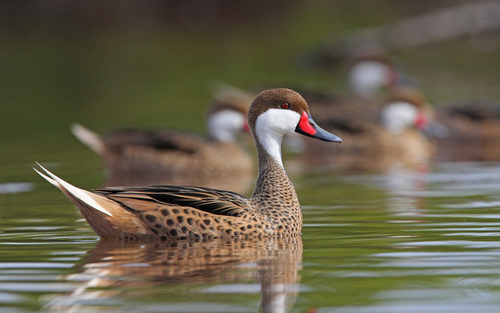
ホオジロオナガガモ (Anas bahamensis) ホオジロオナガガモ
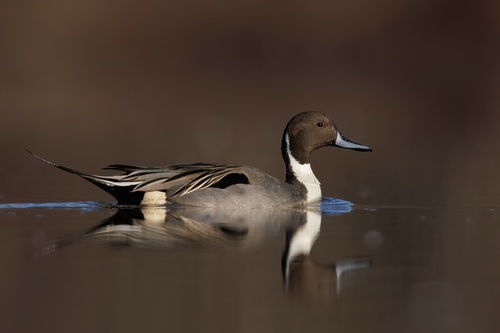
オナガガモ (Anas acuta) オナガガモ

メディア

読み込み中…

要点

ホオジロオナガガモとオナガガモを区別する最も信頼できるフィールドマークは顔です:ホオジロオナガガモは常に鮮明な白い頬と赤い基部のくちばしを示しますが、オナガガモはどちらも欠いており、平坦な茶色またはチョコレート色の頭と青灰色のくちばしを示します。飛んでいる時や休んでいる時、オナガガモははるかに大きく、首が長く(オスでは)劇的に長く尖った尾を持っています。幼鳥と雌のオナガガモは地味で白い頬がなく、しかしそれでも、彼らのサイズ、くちばしの色、全体的な形状は独特です。両種は尖った尾を持っていますが、オナガガモの尾は特に成鳥のオスでははるかに目立ちます。

識別のコツ

  1. 顔のパターンが鍵: ホオジロオナガガモは常に明確な白い頬を持ち、幼鳥や雌でもそうです;オナガガモはどの年齢や性別でも顔に白を示しません。
  2. くちばしの色: ホオジロオナガガモは赤い基部の灰色のくちばしを持ち(幼鳥では鈍い)、オナガガモは基部に赤がない青灰色のくちばしを持っています。
  3. サイズと構造: オナガガモははるかに大きく、より細長く、首が長く、オスでは劇的に長い中央の尾羽を持っています。ホオジロオナガガモはより小さく、よりコンパクトです。
  4. 尾の形: 両者は尖った尾を持っていますが、オナガガモのオスの尾は非常に長く鋭く、特に繁殖羽衣ではそうです。ホオジロオナガガモの尾は尖っていますが、あまり誇張されていません。
  5. スペキュラムの色: 飛んでいる時、ホオジロオナガガモは虹色の緑のスペキュラムを示します;オナガガモは雌/幼鳥では白い後縁を持つ暗い茶色または黒のスペキュラムを持ち、オスでは白い縁を持ちます。
  6. 頭と首: オナガガモのオスはチョコレート色の頭を持ち、首に薄い白いストライプと白い腹部があります;ホオジロオナガガモは全体が茶色で白い頬を持ち、首のストライプはありません。
  7. 体のパターン: オナガガモの雌と幼鳥は平坦な灰色-茶色の頭を持つまだらでスカラップ状の茶色です;ホオジロオナガガモはより均一に茶色で、明確な白い頬のパッチがあります。
  8. 泳ぎの姿勢: オナガガモは水中で低く座り、前方に傾いた首を持っています;ホオジロオナガガモはより典型的なダブリングダックの姿勢を持っています。
  9. 飛行のプロファイル: オナガガモは翼をわずかに後ろに傾けて飛び、長い首とより流線型に見えます;ホオジロオナガガモはよりコンパクトで典型的なダックの飛行シルエットを持っています。
  10. 生息地の文脈: カリブ海と南アメリカではホオジロオナガガモを期待し、北部の温帯または北極地域ではオナガガモを期待します。迷子は珍しいですが可能です。
  11. 性差: 両種は多くのカモよりも性別間のコントラストが少ないですが、オナガガモのオスは繁殖羽衣でははるかに目立ち、ホオジロオナガガモの性別は似ていて、雌はやや鈍いです。
  12. 幼鳥の混乱: 幼鳥のホオジロオナガガモは白い頬と(鈍いですが)赤い基部のくちばしを保持していますが、幼鳥のオナガガモはこれらを欠き、平坦な顔と青灰色のくちばしを持っています。
  13. エクリプス羽衣: エクリプスのオナガガモのオスは雌に似ていますが、長い尾と上翼のパターンを保持しています;ホオジロオナガガモはそのような劇的な季節変化を示しません。
  14. 声: オナガガモの鳴き声のみが記述されています(雌のクワック、オスのホイッスル);ホオジロオナガガモの声は音符において特異ではありません。
  15. 飼育に関する注意: ホオジロオナガガモは時々ヨーロッパで逃げた個体として見られます;捕獲された起源を疑う場合は、白い頬と赤い基部のくちばしを確認してください。

大きさ

オナガガモはホオジロオナガガモよりもかなり大きいです。オナガガモの平均体重は約945.5 g [wikidata]で、ホオジロオナガガモの亜種はオスで約474–710 g、雌で505–670 gの範囲です [wikipedia]。オナガガモはまた、首が長く、オスでは中央の尾羽がはるかに長く、より細長く優雅な外観を持っていますが、ホオジロオナガガモはよりコンパクトです。

羽色

行動

両種はダブリングダックですが、オナガガモはより細長く前方に傾いた泳ぎの姿勢が特徴で、首の基部は水面にほぼ平行です。飛行は非常に速く、翼はわずかに後ろに傾いており、ホオジロオナガガモのより典型的なダックのプロファイルとは異なります。両者は歩くことも泳ぐことも得意ですが、オナガガモの長い首と尾はその動きをより優雅で流線型に見せます。

生息環境

ホオジロオナガガモは南アメリカとカリブ海に点在して分布し、しばしば塩水または塩分のある潟や沿岸の湿地に生息しています。オナガガモは北ヨーロッパ、アジア、北アメリカで繁殖し、はるか南で越冬し、しばしば淡水の湿地、湖、洪水の田んぼに生息します。カリブ海や南アメリカで見られた場合、ほぼ確実にホオジロオナガガモであり、温帯または北極地域ではオナガガモであるでしょう。

声

オナガガモの雌は粗いクワックを出し、オスはフルートのようなホイッスルを出します。ホオジロオナガガモの音声に関する特定の記述はないため、声は区別のための信頼できるフィールドマークではありません。

より良い説明を送る

比較と同じ項目を使ってください。文章はすぐに公開されます。

The most reliable field mark to separate White-cheeked Pintail from Northern Pintail is the face: White-cheeked Pintail always shows crisp white cheeks and a red-based bill, while Northern Pintail lacks both, showing a plain brown or chocolate head and a blue-grey bill. In flight or at rest, Northern Pintail is much larger, with a longer neck and (in males) a dramatically longer, pointed tail. Juvenile and female Northern Pintails are drabber and lack the white cheek, but even then, their size, bill color, and overall shape are distinctive. Both species have pointed tails, but the Northern Pintail's is much more pronounced, especially in adult males.

  1. Face pattern is key: White-cheeked Pintail always has clear white cheeks, even in juveniles and females; Northern Pintail never shows white on the face at any age or sex.
  2. Bill color: White-cheeked Pintail has a red-based grey bill (duller in juveniles), while Northern Pintail has a blue-grey bill with no red at the base.
  3. Size and structure: Northern Pintail is much larger and more elongated, with a longer neck and, in males, a dramatically longer central tail feather. White-cheeked Pintail is smaller and more compact.
  4. Tail shape: Both have pointed tails, but the Northern Pintail male's tail is extremely long and sharp, especially in breeding plumage. White-cheeked Pintail's tail is pointed but less exaggerated.
  5. Speculum color: In flight, White-cheeked Pintail shows an iridescent green speculum; Northern Pintail has a dark brown or black speculum with a white trailing edge (female/juvenile) or white border (male).
  6. Head and neck: Northern Pintail male has a chocolate-brown head with a thin white stripe up the neck and white underparts; White-cheeked Pintail is brown overall with white cheeks and no neck stripe.
  7. Body pattern: Northern Pintail female and juvenile are mottled and scalloped brown with a plain grey-brown head; White-cheeked Pintail is more uniformly brown with a distinct white cheek patch.
  8. Swimming posture: Northern Pintail sits lower in the water with a forward-leaning neck; White-cheeked Pintail has a more typical dabbling duck posture.
  9. Flight profile: Northern Pintail flies with wings swept slightly back and appears longer-necked and more streamlined; White-cheeked Pintail has a more compact, typical duck flight silhouette.
  10. Habitat context: In the Caribbean and South America, expect White-cheeked Pintail; in northern temperate or arctic zones, expect Northern Pintail. Vagrancy is rare but possible.
  11. Sex differences: Both species show less contrast between sexes than many ducks, but Northern Pintail males are much more striking in breeding plumage, while White-cheeked Pintail sexes are similar, with females slightly duller.
  12. Juvenile confusion: Even juvenile White-cheeked Pintails retain the white cheek and (though duller) red-based bill, while juvenile Northern Pintails lack these and have a plain face and blue-grey bill.
  13. Eclipse plumage: Male Northern Pintail in eclipse resembles the female but keeps the long tail and upperwing pattern; White-cheeked Pintail does not show such a dramatic seasonal change.
  14. Voice: Only Northern Pintail's calls are described (female quack, male whistle); White-cheeked Pintail's voice is not distinctive in the notes.
  15. Aviculture note: White-cheeked Pintail is sometimes seen as an escapee in Europe; check for the white cheek and red-based bill if you suspect a captive origin.

Northern Pintail is substantially larger than White-cheeked Pintail. The average body mass for Northern Pintail is about 945.5 g [wikidata], while White-cheeked Pintail subspecies range from roughly 474–710 g for males and 505–670 g for females [wikipedia]. Northern Pintail also has a longer neck and, in males, a much longer central tail feather, giving it a more elongated and graceful appearance compared to the more compact White-cheeked Pintail.

  • Juveniles and females: White-cheeked Pintail of all ages shows a brown body with clear white cheeks and a red-based grey bill (duller in juveniles). Northern Pintail juveniles and females are mottled and scalloped brown, with a plain grey-brown head and blue-grey bill, lacking any white on the face or red at the bill base. Their speculum is dark brown (female/juvenile) or black (male) with a white trailing edge, while White-cheeked Pintail shows an iridescent green speculum.

  • Adult males (breeding): Northern Pintail drake is unmistakable with a chocolate-brown head, thin white neck stripe, white underparts, and very long central tail feathers. White-cheeked Pintail male is overall brown, with white cheeks and a red-based bill, and does not have the striking contrast or long tail of the Northern Pintail.

  • Flight/wing pattern: Both have pointed tails, but the Northern Pintail's is much longer and more pronounced in adult males. Speculum color differs: iridescent green (White-cheeked) vs. dark brown/black with white borders (Northern).

Both species are dabbling ducks, but Northern Pintail is noted for a more elongated, forward-leaning swimming posture, with the base of the neck nearly flush with the water. Its flight is very fast, with wings swept slightly back, unlike the more typical duck profile of White-cheeked Pintail. Both walk and swim well, but Northern Pintail's longer neck and tail make its movements appear more elegant and streamlined.

White-cheeked Pintail is patchily distributed in South America and the Caribbean, often in brackish or saline lagoons and coastal wetlands. Northern Pintail breeds in northern Europe, Asia, and North America, and winters much farther south, often in freshwater wetlands, lakes, and flooded fields. If seen in the Caribbean or South America, a pintail is almost certainly White-cheeked; in temperate or arctic regions, it will be Northern Pintail.

Northern Pintail hens make a rough quack, while drakes give a flute-like whistle. There is no specific vocal description for White-cheeked Pintail in the notes, so voice is not a reliable field mark for separation.

変更を破棄しますか?

保存していない編集があります。今離れると失われます。

ホオジロオナガガモ · オナガガモ · 苦手な鳥