

Motmot

ヨーロッパチュウヒ 対 チュウヒ

Circus aeruginosus 対 Circus spilonotus

ヨーロッパチュウヒとチュウヒのクイズ
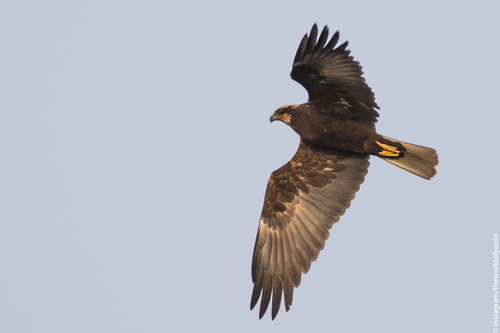
ヨーロッパチュウヒ (Circus aeruginosus) ヨーロッパチュウヒ
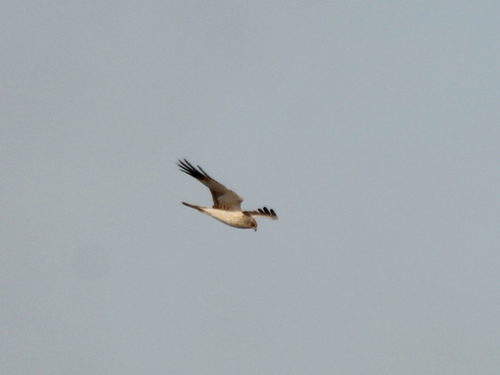
チュウヒ (Circus spilonotus) チュウヒ

メディア

読み込み中…

要点

西洋チュウヒとチュウヒをフィールドで区別するには、特に飛行中の年齢と羽毛に注意を払うことが重要です。成鳥のオスは最も確実に区別できます:西洋チュウヒのオスは、主に赤褐色の体に三色の茶色-灰色-黒の翼模様を示しますが、チュウヒのオスは上面がより暗く、翼の先端に特徴的な白い前縁と白い尾羽があります。メスと幼鳥はより難しいですが、チュウヒはしばしば白っぽい尾羽と下翼により広範な淡色を示し、西洋チュウヒのメスと幼鳥はより均一なチョコレート色でコントラストが少ないです。両種は大きく、広い翼を持つチュウヒで、狩りの飛行は似ていますので、構造だけでは診断は難しいです。特に未成熟個体については、飛行中の翼と尾羽の模様を常に優先してください。

識別のコツ

  1. 成鳥オスの羽毛は最も信頼できる区別点です:西洋チュウヒのオスは三色の翼(茶色の前翼、灰色の二次羽と尾、黒い翼先)を示しますが、チュウヒのオスはより暗い黒っぽい頭と羽覆い、翼の白い前縁、白い尾羽、主に白い腹部を持っています。
  2. 飛行中の白い尾羽を確認してください:すべての年齢のチュウヒはしばしば白っぽい尾羽を示し、特にオスとメスで明らかです;西洋チュウヒはこの特徴がなく、より均一な背中と尾羽を示します。
  3. 幼鳥の下翼模様:幼鳥のチュウヒは下翼に淡い斑点と淡い頭を持っていますが、幼鳥の西洋チュウヒはより均一に暗褐色でコントラストが少なく、下翼に淡い部分がほとんどありません。
  4. メスの尾羽模様:チュウヒのメスは縞模様の尾羽を持っていますが、西洋チュウヒのメスは明らかな縞模様のないより均一な尾羽を持っています。
  5. メスの頭と肩のコントラスト:西洋チュウヒのメスは目立って明るい頭と肩を持ち、時にははっきりと区別されますが、目の周りは暗いままです;チュウヒのメスは頭と腹部により拡散した淡色の縞模様があります。
  6. オスの体色:西洋チュウヒのオスは全体的に赤褐色ですが、チュウヒのオスはより暗く、黒っぽい上面と淡い腹部を持っています。
  7. オスの翼の前縁:チュウヒのオスの翼には白い前縁があり、西洋チュウヒにはありません。
  8. 縞模様のある尾羽と平らな尾羽:尾羽の縞模様は、メスと未成熟のチュウヒの良い特徴です;西洋チュウヒはより均一です。
  9. ハイパーメラニック型:ほぼ完全に黒いチュウヒを見た場合、ハイパーメラニックな西洋チュウヒを考慮してくださいが、これは稀で主に東部に見られます。
  10. 飛行スタイルと構造:両者は大きく、広い翼を持ち、浅いV字型で飛び、脚を垂らします;構造は安全な区別点ではありません。
  11. 生息地:両者は似たような開けた湿地生息地を使用します;生息地を区別に使用しないでください。
  12. 声:鳴き声はめったに聞かれず、診断には使えません。
  13. サイズ:重なりは広範囲にわたります;サイズをフィールドでの区別に使用しないでください。
  14. 季節と範囲:両種が生息する場所では、場所や季節ではなく羽毛に頼ってください。
  15. 摩耗したり異常な鳥に注意:摩耗したメスの両種はコントラストを失い、お互いに似ることがあります;常に複数のフィールドマークを探してください。

大きさ

両種は大きく、がっしりとしたチュウヒで、広い翼と長い尾を持っています。西洋チュウヒは長さ48〜56 cm、翼幅115〜130 cmで、チュウヒは長さ48〜58 cm、翼幅113〜137 cmです。メスは両者ともオスより大きいです。サイズの重なりはかなりあり、フィールドではサイズだけではこの2種を信頼できる区別はできません。[wikipedia][avonet]

羽色

幼鳥と未成熟の鳥は最も難しいです。幼鳥の西洋チュウヒは全体的に暗褐色で、頭と肩に少し黄色が見られますが、これはしばしば成鳥よりも目立たず、かなり限られています。幼鳥のチュウヒも暗褐色ですが、通常は頭により目立つ淡色または淡い斑点と下翼に淡い部分、さらに白っぽい尾羽を持っています。成鳥のオスは最も簡単です:西洋チュウヒのオスは赤褐色で淡い縞模様があり、淡い頭、灰色の尾と二次羽、黒い翼先を持ち、三色の効果を与えます。チュウヒのオスは上面がより暗く、黒っぽい頭、胸、翼の羽覆い、淡い縞模様、翼の白い前縁、白い尾羽、灰色の尾、主に白い腹部を持っています。両者のメスは暗褐色ですが、チュウヒのメスは頭と腹部により多くの淡色の縞模様があり、白っぽい尾羽と縞模様のある尾羽を持っていますが、西洋チュウヒのメスはより均一で、明るい頭と肩を持ちますが、白い尾羽と尾羽の縞模様がありません。ハイパーメラニック型は西洋チュウヒに見られますが、稀で主にその範囲の東部に見られます。

行動

両種は典型的なチュウヒのスタイルで狩りをし、翼を浅いV字型に保ちながら、脚を垂らして開けた地面を低く滑空します。彼らの飛行スタイルと狩りの行動は非常に似ており、区別のための信頼できるフィールドマークではありません。両者は似たような獲物を捕らえ、湿地や葦原の上を飛ぶ姿が見られます。

生息環境

生息地の好みはほぼ同じです:両種は開けた湿地、葦原、湿地を好みます。彼らの範囲が重なる場所や迷子の状況でフィールド識別に使用できる重要な生息地の違いはありません。

声

鳴き声は実用的なフィールドマークではありません。チュウヒは通常静かですが、休息時に鳴き声を発します;西洋チュウヒはフィールドノートでは声があるとは記述されていません。鳴き声はめったに聞かれず、区別には信頼できません。

より良い説明を送る

比較と同じ項目を使ってください。文章はすぐに公開されます。

Separating Western and Eastern Marsh Harriers in the field hinges on careful attention to age and plumage, especially in flight. Adult males are most reliably told apart: Western Marsh Harrier males show a three-toned brown-grey-black wing pattern with a mostly reddish-brown body, while Eastern Marsh Harrier males are darker above with a distinctive white leading edge to the wing and a white rump. Females and juveniles are trickier, but Eastern Marsh Harrier often shows a whitish rump and more extensive pale on the underwing, whereas Western Marsh Harrier females and juveniles are more uniformly chocolate-brown with less contrast. Both species are large, broad-winged harriers with similar hunting flight, so structure alone is rarely diagnostic. Always prioritize wing and rump pattern in flight, especially for immatures.

  1. Adult male plumage in flight is the most reliable separator: Western Marsh Harrier males show a three-toned wing (brown forewing, grey secondaries and tail, black wingtips), while Eastern Marsh Harrier males have a darker, blackish head and coverts, a white leading edge to the wing, white rump, and mostly white underparts.
  2. Check for a white rump in flight: Eastern Marsh Harrier of all ages often shows a whitish rump, especially obvious in males and females; Western Marsh Harrier lacks this feature, showing a more uniform back and rump.
  3. Juvenile underwing pattern: Juvenile Eastern Marsh Harrier has a pale patch on the underwing and a pale head, while juvenile Western Marsh Harrier is more uniformly dark brown with less contrast and little or no pale on the underwing.
  4. Female tail pattern: Eastern Marsh Harrier females have a barred tail, while Western Marsh Harrier females have a more uniform tail without obvious barring.
  5. Head and shoulder contrast in females: Western Marsh Harrier females have a conspicuously paler head and shoulders, sometimes sharply demarcated, but the eye area remains dark; Eastern Marsh Harrier females have more diffuse buff streaking on the head and underparts.
  6. Body color in males: Western Marsh Harrier males are reddish-brown overall, while Eastern Marsh Harrier males are darker, with blackish upperparts and paler underparts.
  7. Leading edge of the wing in males: Look for the white front edge on the wing of Eastern Marsh Harrier males, absent in Western Marsh Harrier.
  8. Barred vs. plain tail: Tail barring is a good mark for female and immature Eastern Marsh Harrier; Western Marsh Harrier is more uniform.
  9. Hypermelanic morphs: If you see an almost entirely black harrier, consider hypermelanic Western Marsh Harrier, but this is rare and mostly eastern.
  10. Flight style and structure: Both are large, broad-winged, and fly with a shallow V and dangling legs; structure is not a safe separator.
  11. Habitat: Both use similar open wetland habitats; do not use habitat for separation.
  12. Voice: Calls are rarely heard and not diagnostic.
  13. Size: Overlap is extensive; do not use size for field separation.
  14. Season and range: Where both species occur, rely on plumage, not location or time of year.
  15. Beware of worn or aberrant birds: Worn females of both species can lose contrast and resemble each other; always look for multiple field marks.

Both species are large, bulky harriers with broad wings and long tails. Western Marsh Harrier measures 48–56 cm in length with a wingspan of 115–130 cm, while Eastern Marsh Harrier is 48–58 cm long with a wingspan of 113–137 cm. Females are larger than males in both. The size overlap is considerable, and in the field, size alone is not a reliable separator between these two species. [wikipedia][avonet]

Juvenile and immature birds are the most challenging. Juvenile Western Marsh Harriers are dark brown overall with some yellowish on the head and shoulders, but this is often less marked than in adults and can be quite limited. Juvenile Eastern Marsh Harriers are also dark brown but typically have a more prominent buff or pale patch on the head and a pale area on the underwing, plus a whitish rump. Adult males are the easiest: Western Marsh Harrier males are reddish-brown with pale streaks, a pale head, grey tail and secondaries, and black wingtips, giving a three-toned effect. Eastern Marsh Harrier males are darker above with blackish head, breast, and wing coverts, pale streaks, a white leading edge to the wing, white rump, grey tail, and mostly white underparts. Females of both are dark brown, but Eastern Marsh Harrier females have more buff streaking on the head and underparts, a whitish rump, and a barred tail, while Western Marsh Harrier females are more uniform with a paler head and shoulders but lack the white rump and tail barring. Hypermelanic morphs occur in Western Marsh Harrier but are rare and mostly in the east of its range.

Both species hunt in typical harrier fashion, gliding low over open ground with wings held in a shallow V and often with dangling legs. Their flight style and hunting behavior are very similar and not a reliable field mark for separation. Both take similar prey and can be seen quartering over marshes and reedbeds.

Habitat preferences are nearly identical: both species favor open wetlands, reedbeds, and marshes. There is no significant habitat difference that can be used for field identification where their ranges overlap or in vagrant situations.

Vocalizations are not a practical field mark. Eastern Marsh Harrier is usually silent but has a mewing call at roosts; Western Marsh Harrier is not described as vocal in the field notes. Calls are rarely heard and not reliable for separation.

変更を破棄しますか?

保存していない編集があります。今離れると失われます。

ヨーロッパチュウヒ · チュウヒ · 苦手な鳥