

Falco di palude vs Eastern Marsh Harrier
Circus aeruginosus contro Circus spilonotus
Fai un quiz con Falco di palude e Eastern Marsh Harrier
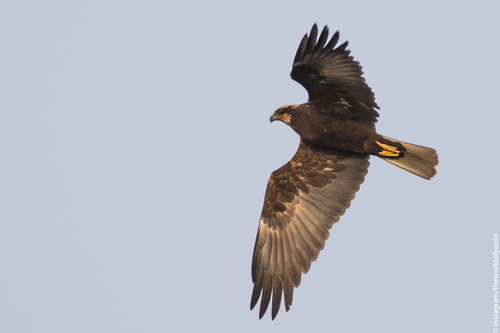 Falco di palude
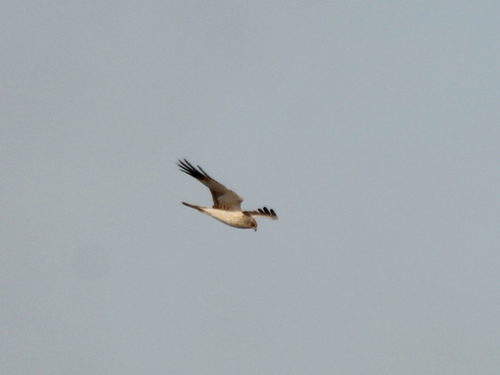 Eastern Marsh Harrier
In breve
Separare il Falco di palude e l'Eastern Marsh Harrier sul campo dipende da un'attenta attenzione all'età e al piumaggio, specialmente in volo. I maschi adulti sono i più facilmente distinguibili: i maschi del Falco di palude mostrano un motivo alare marrone-grigio-nero a tre tonalità con un corpo per lo più marrone-rossiccio, mentre i maschi dell'Eastern Marsh Harrier sono più scuri sopra con un bordo bianco distintivo sull'ala e un sottocoda bianco. Le femmine e i giovani sono più difficili da distinguere, ma l'Eastern Marsh Harrier mostra spesso un sottocoda biancastro e un'area più estesa di chiaro sulla parte inferiore dell'ala, mentre le femmine e i giovani del Falco di palude sono più uniformemente marrone cioccolato con meno contrasto. Entrambe le specie sono grandi, con ali ampie e hanno un volo di caccia simile, quindi la struttura da sola è raramente diagnostica. Dai sempre priorità al motivo dell'ala e del sottocoda in volo, specialmente per gli immaturi.
Consigli di identificazione
- Il piumaggio del maschio adulto in volo è il separatore più affidabile: i maschi del Falco di palude mostrano un'ala a tre tonalità (ala anteriore marrone, secondarie e coda grigie, punte nere), mentre i maschi dell'Eastern Marsh Harrier hanno una testa e copritrici più scure, un bordo bianco sull'ala, un sottocoda bianco e parti inferiori per lo più bianche.
- Controlla se c'è un sottocoda bianco in volo: l'Eastern Marsh Harrier di tutte le età mostra spesso un sottocoda biancastro, particolarmente evidente nei maschi e nelle femmine; il Falco di palude manca di questa caratteristica, mostrando un dorso e un sottocoda più uniformi.
- Motivo della parte inferiore dell'ala nei giovani: il giovane Eastern Marsh Harrier ha una macchia chiara sulla parte inferiore dell'ala e una testa chiara, mentre il giovane Falco di palude è più uniformemente marrone scuro con meno contrasto e poca o nessuna chiarezza sulla parte inferiore dell'ala.
- Motivo della coda nelle femmine: le femmine dell'Eastern Marsh Harrier hanno una coda barrata, mentre le femmine del Falco di palude hanno una coda più uniforme senza evidenti barre.
- Contrasto tra testa e spalle nelle femmine: le femmine del Falco di palude hanno una testa e spalle visibilmente più chiare, a volte nettamente demarcate, ma l'area degli occhi rimane scura; le femmine dell'Eastern Marsh Harrier hanno striature di buff più diffuse sulla testa e sulle parti inferiori.
- Colore del corpo nei maschi: i maschi del Falco di palude sono marrone-rossiccio complessivamente, mentre i maschi dell'Eastern Marsh Harrier sono più scuri, con parti superiori nerastre e parti inferiori più chiare.
- Bordo anteriore dell'ala nei maschi: cerca il bordo anteriore bianco sull'ala dei maschi dell'Eastern Marsh Harrier, assente nel Falco di palude.
- Coda barrata vs. semplice: la barratura della coda è un buon segno per le femmine e i giovani dell'Eastern Marsh Harrier; il Falco di palude è più uniforme.
- Morphs ipermelanici: se vedi un falco quasi completamente nero, considera il Falco di palude ipermelanico, ma questo è raro e per lo più orientale.
- Stile di volo e struttura: entrambi sono grandi, con ali ampie, e volano con una V poco profonda e le gambe penzolanti; la struttura non è un separatore sicuro.
- Habitat: entrambi usano habitat umidi aperti simili; non usare l'habitat per la separazione.
- Voce: le chiamate sono raramente udite e non diagnostiche.
- Dimensione: l'overlap è esteso; non usare la dimensione per la separazione sul campo.
- Stagione e area: dove si trovano entrambe le specie, fai affidamento sul piumaggio, non sulla posizione o sul periodo dell'anno.
- Attenzione agli uccelli usurati o aberranti: le femmine usurate di entrambe le specie possono perdere contrasto e assomigliarsi; cerca sempre più segni sul campo.
Taglia
Entrambe le specie sono grandi, falchi robusti con ali ampie e lunghe code. Il Falco di palude misura 48–56 cm di lunghezza con un'apertura alare di 115–130 cm, mentre l'Eastern Marsh Harrier è lungo 48–58 cm con un'apertura alare di 113–137 cm. Le femmine sono più grandi dei maschi in entrambe. L'overlap di dimensioni è considerevole e sul campo, la dimensione da sola non è un separatore affidabile tra queste due specie. [wikipedia][avonet]
Piumaggio
Gli uccelli giovani e immaturi sono i più difficili. I giovani Falco di palude sono complessivamente marrone scuro con alcune macchie giallastre sulla testa e sulle spalle, ma questo è spesso meno marcato rispetto agli adulti e può essere piuttosto limitato. I giovani Eastern Marsh Harrier sono anch'essi marrone scuro ma tipicamente hanno una macchia di buff o chiara più prominente sulla testa e un'area chiara sulla parte inferiore dell'ala, oltre a un sottocoda biancastro. I maschi adulti sono i più facili: i maschi del Falco di palude sono marrone-rossiccio con striature chiare, una testa chiara, coda grigia e secondarie, e punte nere, dando un effetto a tre tonalità. I maschi dell'Eastern Marsh Harrier sono più scuri sopra con testa, petto e copritrici delle ali nerastre, striature chiare, un bordo bianco sull'ala, sottocoda bianco, coda grigia e parti inferiori per lo più bianche. Le femmine di entrambe sono marrone scuro, ma le femmine dell'Eastern Marsh Harrier hanno più striature di buff sulla testa e sulle parti inferiori, un sottocoda biancastro e una coda barrata, mentre le femmine del Falco di palude sono più uniformi con una testa e spalle più chiare ma mancano del sottocoda bianco e della barratura della coda. I morphs ipermelanici si verificano nel Falco di palude ma sono rari e per lo più nella parte orientale della sua area di distribuzione.
Comportamento
Entrambe le specie cacciano in modo tipico dei falchi, planando bassi su terreni aperti con le ali tenute in una V poco profonda e spesso con le gambe penzolanti. Il loro stile di volo e comportamento di caccia sono molto simili e non sono un segno affidabile per la separazione. Entrambi catturano prede simili e possono essere visti sorvolare paludi e canneti.
Habitat
Le preferenze di habitat sono quasi identiche: entrambe le specie favoriscono habitat umidi aperti, canneti e paludi. Non c'è una differenza di habitat significativa che possa essere utilizzata per l'identificazione sul campo dove le loro aree di distribuzione si sovrappongono o in situazioni di vagabondaggio.
Voce
Le vocalizzazioni non sono un segno pratico sul campo. L'Eastern Marsh Harrier è solitamente silenzioso ma ha un richiamo di mewing nei luoghi di riposo; il Falco di palude non è descritto come vocale nelle note sul campo. Le chiamate sono raramente udite e non affidabili per la separazione.
Falco di palude · Eastern Marsh Harrier · I miei uccelli difficili