

Motmot

オナガミズナギドリ 対 クロハラミズナギドリ

Ardenna pacifica 対 Puffinus opisthomelas

オナガミズナギドリとクロハラミズナギドリのクイズ
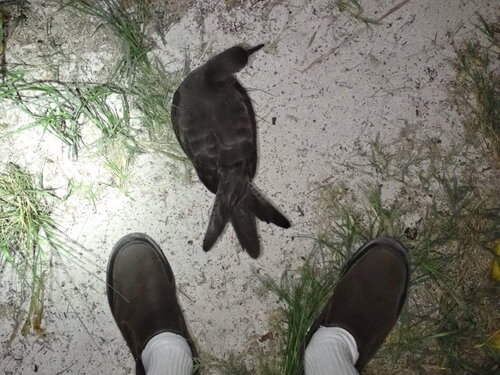
オナガミズナギドリ (Ardenna pacifica) オナガミズナギドリ
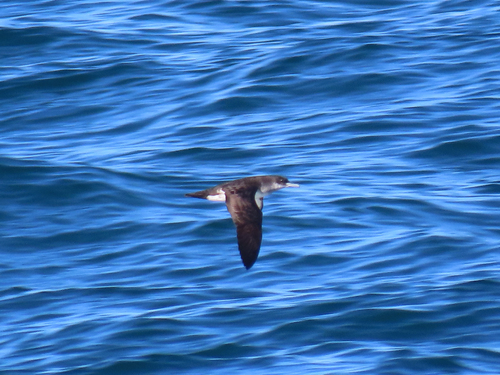
クロハラミズナギドリ (Puffinus opisthomelas) クロハラミズナギドリ

メディア

読み込み中…

要点

オナガミズナギドリとクロハラミズナギドリを区別する最も信頼できるフィールドマークは、オナガミズナギドリの特徴的なくさび形の尾で、特に飛行中に目立ちます。オナガミズナギドリはまた、より広範な羽毛の形態(淡色と暗色)を示しますが、クロハラミズナギドリは上面がより均一に暗く、下面が白く、微妙な汚れがあります。サイズも別の手がかりです:オナガミズナギドリはより大きく、翼が長いです。両種は表面的に似た暗い上面と淡い下面を示すことがありますので、尾の形、全体の構造、微妙な羽毛の違いに注意を払うことが重要です、特に飛行中や遠くから見た場合において。

識別のコツ

  1. Tail shape in flight: オナガミズナギドリは明確なくさび形の尾を持ち、基部が広く、先端に向かって細くなり、直接飛行中やバンキング時に見えます。クロハラミズナギドリの尾はより四角形またはわずかに丸みを帯びており、顕著なくさびがありません。
  2. Overall size and bulk: オナガミズナギドリはクロハラミズナギドリよりも明らかに大きく、体重が重いです。翼幅が長く、より頑丈な外観を持っています。混合群れや他のミズナギドリと一緒に見たときにこれを利用してください。
  3. Plumage morphs (adults and immatures): オナガミズナギドリは淡色(上面が灰褐色、下面が白)または暗色(均一に暗い灰褐色)であることがあります。クロハラミズナギドリは常に上面が暗く、下面が白で、いくつかの茶色の汚れがありますが、最も淡いオナガミズナギドリほど淡くはありません。
  4. Contrast on underparts: クロハラミズナギドリは暗い上面と白い下面の間に鋭いコントラストを示し、時には腹部に茶色の汚れがあります。オナガミズナギドリの淡色形態は似て見えることがありますが、コントラストはしばしばそれほど際立っておらず、頭部は下面からはっきりと区別されていません。
  5. Head and face pattern: 両種は暗い頭を持っていますが、クロハラミズナギドリの頭はより均一に暗い茶色で、オナガミズナギドリの淡色形態はわずかに明るい顔と喉を示すことがあります。
  6. Bill color and shape: オナガミズナギドリは暗く、細いくちばしを持っています。クロハラミズナギドリのくちばしも暗いですが、わずかに短くて太く見えることがあります。これは微妙で、海上では常に信頼できるわけではありません。
  7. Leg color: オナガミズナギドリはサーモンピンクの脚を持っていますが、これらは飛行中や海上ではめったに見えません。実用的なフィールドマークではありません。
  8. Flight style: オナガミズナギドリは長い滑空弧で滑空することが多く、安定性のためにくさび形の尾を使用します。クロハラミズナギドリはより速く、浅い翼の拍動を示し、より直接的な飛行経路を持つ可能性があります。
  9. Habitat and range: 東太平洋では、冬にカリフォルニアの近くの海岸で見られるミズナギドリは、クロハラミズナギドリである可能性が高いです。オナガミズナギドリは熱帯性で、北に迷うことはめったにありません。
  10. Colony behavior: 両種は夜間にコロニーに集まりますが、オナガミズナギドリは熱帯繁殖地域で昼間に巣穴の外で休んでいるのが見られる可能性が高いです。
  11. Vocalizations: オナガミズナギドリのうめき声の「OOO-err」はコロニーで特徴的ですが、呼び声はめったに聞かれません。クロハラミズナギドリの呼び声はうめき声のうなり声ですが、コロニーから離れた場所では通常聞かれません。
  12. Juvenile plumage: クロハラミズナギドリの幼鳥は成鳥よりも暗く、コントラストが強いですが、これは微妙で、オナガミズナギドリとの区別のための強いフィールドマークではありません。
  13. Plumage wear: クロハラミズナギドリの成鳥は、シーズンの後半に淡く見え、より摩耗しているように見えることがありますが、依然として暗い帽子と上面を保持しています。オナガミズナギドリの形態は年齢や摩耗に関連しません。
  14. Pitfalls: 暗色形態のオナガミズナギドリは、特に遠くから見るとクロハラミズナギドリに非常に似て見えることがあります。最良の区別のために尾の形とサイズに焦点を当ててください。
  15. Sex and age: 両種は性的二形性がなく、羽毛の違いは性に関連していません。幼鳥と成鳥のクロハラミズナギドリは似ており、幼鳥はわずかに暗いです。

大きさ

オナガミズナギドリはより大きな種で、平均体重は465 g [wikidata]で、クロハラミズナギドリは約400 g [wikipedia]です。オナガミズナギドリはまた、より長く、頑丈に見え、比例的に長いくさび形の尾を持っています。クロハラミズナギドリは全体的に小さく、長さは30〜38 cm、翼幅は76〜89 cmで、飛行中によりコンパクトで長く見えない傾向があります。

羽色

幼鳥と未成熟の羽毛は、両種の間で強く区別されることはなく、両方とも暗い上面と淡い下面を示しますが、微妙な違いがあります:クロハラミズナギドリの幼鳥は成鳥よりも暗く、コントラストが強いです。暗い茶色の頭と背中、茶色の汚れのある白い下面を持っています。オナガミズナギドリには2つの形態があります:淡色の鳥は灰褐色の上面とより白い下面を示し、暗色の形態は均一に暗い灰褐色です。両方の形態は同じ個体群に存在することがあります。オナガミズナギドリのくさび形の尾は構造的特徴ですが、時には尾羽のパターンによって強調されることがあります。クロハラミズナギドリはこのくさびを欠き、より典型的な丸いまたはわずかに四角い尾を持っています。くちばしと脚の色は遠くからはあまり区別されませんが、オナガミズナギドリは暗いくちばしとサーモンピンクの脚を持ち、クロハラミズナギドリのくちばしと脚はフィールドではあまり見えません。

行動

両種は外洋性で、しばしば海の上を低く滑空しているのが見られますが、オナガミズナギドリは長く安定した滑空で上昇しているのが見られる可能性が高く、くさび形の尾を制御に使用します。クロハラミズナギドリは海岸に近い場所で餌を探す傾向があり、飛行中によりフラッターや直接的に見えることがあります。オナガミズナギドリは夜間に繁殖コロニーに出席しているのがよく見られますが、昼間に巣穴の外で休んでいるのが見られることもあります。クロハラミズナギドリもコロニーで夜行性で、低光量で最も活発ですが、非繁殖シーズンの昼間には海岸近くで見られる可能性が高いです。

生息環境

オナガミズナギドリは熱帯太平洋とインド洋全体に広がっており、島で繁殖し、夜間にコロニーに出席します。クロハラミズナギドリははるかに局所的で、主にバハ・カリフォルニア沖の島で繁殖し、太平洋とカリフォルニア湾で餌を探し、しばしば本土の海岸に近い場所で見られます。北アメリカでは、クロハラミズナギドリは冬にカリフォルニア沖で比較的普通ですが、オナガミズナギドリは熱帯域の北では珍しいです。

声

オナガミズナギドリは、吸入と呼気の成分を含む長い、うめき声の呼び声を出し、特に夜間のコロニーで「OOO-err」と表現されることが多いです。クロハラミズナギドリの呼び声はあまり知られていませんが、うめき声のうなり声や歯科医のドリルと吸引の音に似ており、夜間に出され、配偶者認識に重要である可能性があります。フィールドでは、コロニーから離れた場所では呼び声はめったに聞かれないため、海上での識別には通常役立ちません。

より良い説明を送る

比較と同じ項目を使ってください。文章はすぐに公開されます。

The most reliable field mark to separate Wedge-tailed Shearwater from Black-vented Shearwater is the distinctive wedge-shaped tail of the Wedge-tailed, which is especially noticeable in flight. Wedge-tailed Shearwaters also show a broader range of plumage morphs (pale and dark), while Black-vented Shearwaters are more uniformly dark above and white below, with subtle smudging. Size is another clue: Wedge-tailed is bulkier and longer-winged. Both species can show superficially similar dark upperparts and pale underparts, so careful attention to tail shape, overall structure, and subtle plumage differences is key, especially for birds in flight or at a distance.

  1. Tail shape in flight: Wedge-tailed Shearwater has a distinctly wedge-shaped tail, broad at the base and tapering to a point, visible both in direct flight and when banking. Black-vented Shearwater's tail is more squared or slightly rounded, lacking the pronounced wedge.
  2. Overall size and bulk: Wedge-tailed is noticeably larger and heavier-bodied than Black-vented, with a longer wingspan and more robust appearance. Use this in mixed flocks or when seen alongside other shearwaters.
  3. Plumage morphs (adults and immatures): Wedge-tailed can be pale (grey-brown above, white below) or dark (uniformly dark grey-brown). Black-vented is always dark above and white below, with some brownish smudging but never as pale as the palest Wedge-tailed.
  4. Contrast on underparts: Black-vented shows a sharp contrast between dark upperparts and white underparts, sometimes with brown smudges on the belly. Wedge-tailed pale morphs can look similar, but the contrast is often less stark, and the head is less sharply demarcated from the underparts.
  5. Head and face pattern: Both species have dark heads, but Black-vented's is more uniformly dark brown, while Wedge-tailed's pale morph may show a slightly paler face and throat.
  6. Bill color and shape: Wedge-tailed has a dark, slender bill; Black-vented's bill is also dark but may appear slightly shorter and stubbier. This is subtle and not always reliable at sea.
  7. Leg color: Wedge-tailed has salmon-pink legs, but these are rarely visible in flight or at sea. Not a practical field mark.
  8. Flight style: Wedge-tailed often soars with long, gliding arcs, using its wedge tail for stability. Black-vented is more likely to show quick, shallow wingbeats and a more direct flight path.
  9. Habitat and range: In the eastern Pacific, a shearwater seen close to shore off California in winter is more likely Black-vented. Wedge-tailed is tropical and rarely strays north.
  10. Colony behavior: Both species attend colonies at night, but Wedge-tailed is more likely to be seen resting outside burrows during the day in tropical breeding areas.
  11. Vocalizations: Wedge-tailed's moaning 'OOO-err' is distinctive at colonies, but calls are rarely heard at sea. Black-vented's call is a moaning growl, but also not typically heard away from colonies.
  12. Juvenile plumage: Black-vented juveniles are darker and more contrasted than adults, but this is subtle and not a strong field mark for separation from Wedge-tailed.
  13. Plumage wear: Black-vented adults can appear paler and more worn later in the season, but still retain the dark cap and upperparts. Wedge-tailed's morphs do not relate to age or wear.
  14. Pitfalls: Dark morph Wedge-tailed can look very similar to Black-vented, especially at distance. Focus on tail shape and size for best separation.
  15. Sex and age: Neither species is sexually dimorphic; plumage differences are not related to sex. Juvenile and adult Black-vented are similar, with juveniles slightly darker.

Wedge-tailed Shearwater is the larger species, with an average body mass of 465 g [wikidata], compared to Black-vented Shearwater's approximately 400 g [wikipedia]. Wedge-tailed also appears longer and more robust, with a proportionally longer, wedge-shaped tail. Black-vented Shearwater is smaller overall, with a length of 30–38 cm and a wingspan of 76–89 cm, and tends to look more compact and less elongated in flight.

Juvenile and immature plumages are not strongly distinctive between these two species, as both show dark upperparts and paler underparts, but there are subtle differences: Black-vented Shearwater juveniles are darker and more contrasted than worn adults, with a dark brown head and back, and white underparts with brownish smudges. Wedge-tailed Shearwater comes in two morphs: pale birds show grey-brown upperparts and whiter underparts, while dark morphs are uniformly dark grey-brown. Both morphs can occur in the same population. The wedge-shaped tail of Wedge-tailed is a structural feature but can sometimes be accentuated by the pattern of the tail feathers. Black-vented lacks this wedge and has a more typical rounded or slightly squared tail. Bill and leg color are not highly distinctive at a distance, but Wedge-tailed has a dark bill and salmon-pink legs, while Black-vented's bill and legs are less often visible in the field.

Both species are pelagic and often seen gliding low over the ocean, but Wedge-tailed Shearwater is more likely to be seen soaring with long, steady glides, using its wedge-shaped tail for control. Black-vented Shearwater tends to forage closer to shore and may appear more fluttery or direct in flight. Wedge-tailed is often seen attending breeding colonies at night but can be seen resting outside burrows during the day. Black-vented is also nocturnal at colonies and is most active in low light, but is more likely to be seen nearshore during the day in non-breeding season.

Wedge-tailed Shearwater is widespread throughout the tropical Pacific and Indian Oceans, breeding on islands and attending colonies nocturnally. Black-vented Shearwater is much more localized, breeding mainly on offshore islands off Baja California and foraging in the Pacific and Gulf of California, often closer to the mainland coast. In North America, Black-vented is relatively common off California in winter, while Wedge-tailed is rare north of its tropical range.

Wedge-tailed Shearwater gives a long, moaning call with inhaled and exhaled components, often described as a mournful 'OOO-err', especially at colonies at night. Black-vented Shearwater's call is less well known but is likened to a moaning growl or the sound of a dentist's drill and suction, also given at night and likely important for mate recognition. In the field, vocalizations are rarely heard away from colonies, so they are not usually helpful for at-sea identification.

変更を破棄しますか?

保存していない編集があります。今離れると失われます。

オナガミズナギドリ · クロハラミズナギドリ · 苦手な鳥