

Motmot

キンクロハジロ 対 スズガモ

Aythya fuligula 対 Aythya marila

キンクロハジロとスズガモのクイズ
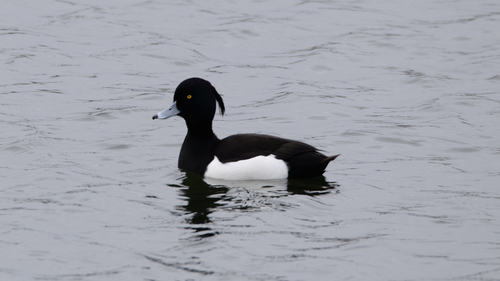
キンクロハジロ (Aythya fuligula) キンクロハジロ
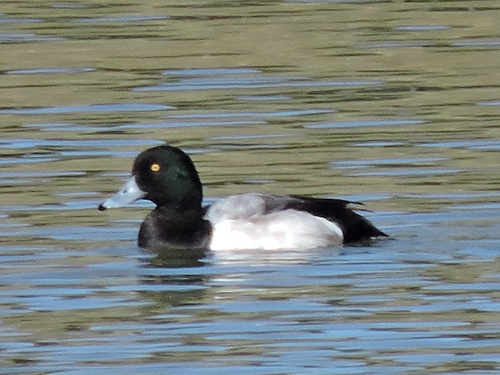
スズガモ (Aythya marila) スズガモ

メディア

読み込み中…

要点

キンクロハジロとスズガモの最も信頼できるフィールドマークは、すべての年齢と性別のキンクロハジロに見られる明確な頭の房の存在であり、スズガモには決して見られません。飛行中、すべての年齢のスズガモは、二次羽から一次羽にかけて広い白い翼のストライプを示しますが、キンクロハジロの白い翼のストライプは二次羽に限られ、一次羽には達しません。成鳥のオスは分けやすいですが、メスや幼鳥は特に水上で混乱を招くことがあります。くちばしの形状と顔の模様は追加の手がかりを提供します:スズガモは、より広く青みがかったくちばしを持ち、より大きな黒い爪と(メスや幼鳥では)くちばしの基部により広い白い斑点があります。サイズと構造は近距離で役立ちますが、重複があるとフィールドでの信頼性が低くなることがあります。

識別のコツ

  1. Head tuft (all ages, sexes): キンクロハジロだけが明確な頭の房や冠を示します; スズガモには決して房はありません。メスや幼鳥の短いまたはぼろぼろの房でもキンクロハジロを指し示します。
  2. Wing stripe in flight (all ages): スズガモは、二次羽から一次羽の先端まで広い白いストライプを示します; キンクロハジロの白は二次羽に限られ、一次羽は暗い色です。これは特にメスや幼鳥にとって、飛行中の最も信頼できるマークです。
  3. Bill shape and color: スズガモは、先端により大きな黒い爪を持つより広く、淡い青いくちばしを持っています。キンクロハジロのくちばしは、より細長く青灰色です。これは近距離または良好な光の下で最も役立ちます。
  4. Facial white patch (females/immatures): メスのスズガモは、くちばしの基部に太い白いバンドと楕円形の斑点を示します; キンクロハジロのメスは小さな白い領域を持つことがありますが、それは決して広範囲ではなく、明確ではありません。
  5. Head shape: スズガモは滑らかに丸い頭のプロファイルを持っています; キンクロハジロの頭はより角ばっており、特に後部に房が見えるときに顕著です。
  6. Male flank and back color: キンクロハジロのオスは純白の脇腹と黒い背中を持っています; スズガモのオスは明るい白の脇腹を持っていますが、淡い灰色の、まだらな背中を持っています。
  7. Eye color: 両種とも成鳥では黄色い目を持っているため、これは信頼できる区別にはなりません。
  8. Body size and bulk: スズガモはより大きく、よりずっしりとしていますが、重複や孤立した鳥には注意が必要です。
  9. Group size and context: 海岸の水域での大きく密な群れはスズガモを好みます; 内陸の湖での小さな群れはキンクロハジロの可能性が高いですが、両方とも混在することがあります。
  10. Leg and foot color: 両方とも灰色の足と足を持っています; 区別には役立ちません。
  11. Juvenile/immature confusion: 幼鳥のスズガモは成鳥のメスに似ており、広い白い翼のストライプを保持しています; 若いキンクロハジロは常に房の発達の兆候を示し、翼に限られた白を持っています。
  12. Eclipse plumage: 蝕のスズガモのオスは鈍い色ですが、まだ白い翼のストライプを示します; キンクロハジロの蝕のオスは房と暗い上面を保持します。
  13. Vocalizations: キンクロハジロのメスは厳しい「カール」という声を出します; スズガモの鳴き声はこの文脈では特徴的ではありません。
  14. Bill nail: スズガモの黒い爪はより大きく、特に近距離で目立ちます。
  15. When in doubt: 房を探してください(存在する場合 = キンクロハジロ)、次に飛行中の翼のストライプを確認してください(広くて一次羽に達する場合 = スズガモ)。

大きさ

スズガモはキンクロハジロよりも明らかに大きく、重いです。約10%長く、20%重いです([wikipedia])。スズガモは39–56 cmの長さで、71–84 cmの翼幅を持ち、726–1,360 gの重さがあります。キンクロハジロは小型の潜水ダックで、スズガモよりも小さく、軽いです。重複はありますが、並んでいるとスズガモはよりずっしりと見え、より広い体と相対的に大きなくちばしを持っています。しかし、孤立した鳥や遠くからの視界では、この違いが微妙に見えることがあります。

羽色

行動

両方とも潜水ダックであり、大きな水域で混合群れで見られることがよくあります。スズガモは、時には数千羽に達する非常に大きな筏を形成する傾向があり、冬には海岸の水域で見られる可能性が高いです。キンクロハジロは内陸の湖や小さな水域でより一般的です。飛行中、スズガモはよりずっしりとしており、より力強く見えますが、キンクロハジロはややコンパクトです。

生息環境

キンクロハジロは北ユーラシア全体に広がっており、淡水の湖、池、貯水池を好み、しばしば内陸に生息しています。スズガモは北の方で繁殖し、冬にはより海岸性で、特に河口や湾の大きな群れで見られますが、大きな湖ではキンクロハジロと重複することがあります。小さな内陸の池で見られる場合、キンクロハジロの可能性が高いですが、海岸の湾ではスズガモの可能性が高いですが、両方とも移動や冬に一緒に発生することがあります。

声

キンクロハジロのメスは、特に飛行中に厳しい、うなり声の「カール」という声を出します; オスは求愛時に単純な「ウィットー」という口笛を除いてほとんど静かです。スズガモの鳴き声はここでは詳細に説明されていませんが、キンクロハジロとは異なります。声はこれらの種のフィールドでの診断にはめったに役立ちません。

より良い説明を送る

比較と同じ項目を使ってください。文章はすぐに公開されます。

The most reliable field mark between Tufted Duck and Greater Scaup is the presence of a distinct head tuft on Tufted Duck of all ages and sexes, which Greater Scaup never shows. In flight, Greater Scaup of all ages show a broad white wing stripe extending from the secondaries well into the primaries, while Tufted Duck’s white wing stripe is limited to the secondaries and does not reach the primaries. Adult males are easier to separate, but females and immatures can be confusing, especially on water. Bill shape and facial pattern offer additional clues: Greater Scaup has a broader, bluer bill with a larger black nail and (in females/immatures) a more extensive white patch at the bill base. Size and structure help at close range, but overlap can make these less reliable in the field.

  1. Head tuft (all ages, sexes): Only Tufted Duck shows a distinct head tuft or crest; Greater Scaup never has a tuft. Even a short or ragged tuft on a female or immature points to Tufted Duck.
  2. Wing stripe in flight (all ages): Greater Scaup shows a broad white stripe extending from the secondaries through the primaries to the wingtip; Tufted Duck’s white is limited to the secondaries, with dark primaries. This is the most reliable mark in flight, especially for females and immatures.
  3. Bill shape and color: Greater Scaup has a broader, paler blue bill with a larger black nail at the tip. Tufted Duck’s bill is more slender and blue-grey. This is most helpful at close range or in good light.
  4. Facial white patch (females/immatures): Female Greater Scaup shows a bold white band and oval patches at the bill base; Tufted Duck females may have a small white area, but it is never as extensive or well-defined.
  5. Head shape: Greater Scaup has a smoothly rounded head profile; Tufted Duck’s head is more angular, especially with the tuft visible at the rear.
  6. Male flank and back color: Tufted Duck males have pure white flanks and a black back; Greater Scaup males have bright white flanks but a pale grey, vermiculated back.
  7. Eye color: Both species have yellow eyes in adults, so this is not a reliable separator.
  8. Body size and bulk: Greater Scaup is larger and bulkier, but beware overlap and lone birds.
  9. Group size and context: Large, dense flocks on coastal waters favor Greater Scaup; smaller groups on inland lakes are more likely Tufted Duck, but both can mix.
  10. Leg and foot color: Both have grey legs and feet; not useful for separation.
  11. Juvenile/immature confusion: Juvenile Greater Scaup look like adult females and retain the broad white wing stripe; young Tufted Ducks always show some tuft development and limited white on the wing.
  12. Eclipse plumage: Greater Scaup males in eclipse are duller but still show the white wing stripe; Tufted Duck eclipse males retain the tuft and dark upperparts.
  13. Vocalizations: Tufted Duck females give a harsh "karr"; Greater Scaup’s calls are not distinctive in this context.
  14. Bill nail: Greater Scaup’s black nail is larger and more obvious, especially at close range.
  15. When in doubt: Look for the tuft (present = Tufted Duck), then check the wing stripe in flight (broad and reaching primaries = Greater Scaup).

Greater Scaup is noticeably larger and heavier than Tufted Duck, being about 10% longer and 20% heavier ([wikipedia]). Greater Scaup measures 39–56 cm in length with a 71–84 cm wingspan and weighs 726–1,360 g. Tufted Duck is a small diving duck, smaller and lighter than Greater Scaup. While there is overlap, side-by-side the scaup will appear bulkier, with a broader body and proportionally larger bill. However, lone birds or distant views may make this difference subtle.

  • In flight (all ages): Greater Scaup shows a strong white wing stripe running from the secondaries through the primaries to the wingtip; Tufted Duck’s white is confined to the secondaries, with the primaries appearing dark ([wikipedia]). This is the most consistent separation in flight, especially for females and immatures.

  • Adult males: Tufted Duck drakes are strikingly black with white flanks and a prominent head tuft; Greater Scaup drakes have a rounded dark head with a greenish or purplish gloss, a paler grey back, and bright white flanks and belly, but lack any head tuft. Both have yellow eyes, but Tufted Duck’s bill is blue-grey and more slender, while Greater Scaup’s is broader and paler blue with a larger black nail.

  • Adult females and immatures: Both are brown with pale flanks, but Tufted Duck females may show a small white patch at the bill base, never as extensive as the bold white band and oval patches on Greater Scaup females. Juvenile Greater Scaup resemble adult females. Tufted Duck females always show a hint of a head tuft, even if short. Greater Scaup females have a rounder head profile and lack any crest.

  • Eclipse males: Greater Scaup males in eclipse are duller but still show the broad white wing stripe; Tufted Duck eclipse males retain the tuft and dark upperparts.

Both are diving ducks, often seen in mixed flocks on large water bodies. Greater Scaup tends to form much larger rafts, sometimes numbering in the thousands, and is more likely to be seen in coastal waters in winter. Tufted Duck is more common on inland lakes and smaller water bodies. In flight, Greater Scaup appears bulkier and more powerful, while Tufted Duck is slightly more compact.

Tufted Duck is widespread across northern Eurasia and favors freshwater lakes, ponds, and reservoirs, often inland. Greater Scaup breeds farther north and is more coastal in winter, especially in large flocks on estuaries and bays, but can overlap with Tufted Duck on large lakes. If seen on a small inland pond, Tufted Duck is more likely; on a coastal bay, Greater Scaup is more probable, but both can occur together in migration or winter.

Tufted Duck females give a harsh, growling "karr" call, especially in flight; males are mostly silent except for a simple "wit-oo" whistle in courtship. Greater Scaup vocalizations are not described in detail here, but are different from Tufted Duck. Voice is rarely diagnostic in the field for these species.

変更を破棄しますか?

保存していない編集があります。今離れると失われます。

キンクロハジロ · スズガモ · 苦手な鳥