

Moretta vs Moretta grigia
Aythya fuligula contro Aythya marila
Fai un quiz con Moretta e Moretta grigia
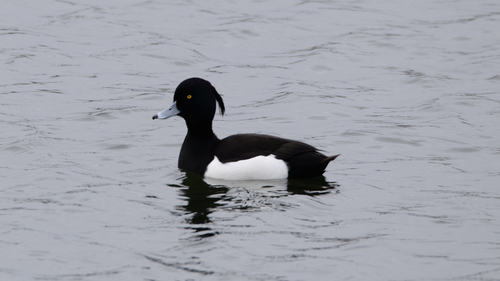 Moretta
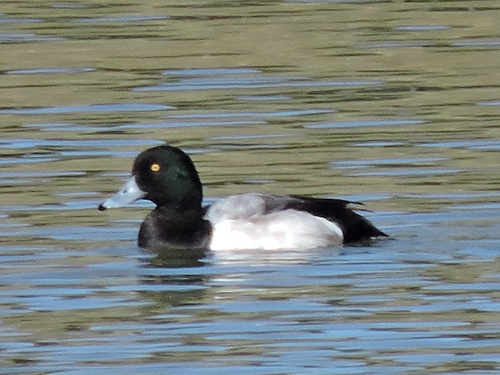 Moretta grigia
In breve
Il segno distintivo più affidabile tra la Moretta e la Moretta grigia è la presenza di un ciuffo distintivo sulla testa della Moretta di tutte le età e sessi, che la Moretta grigia non mostra mai. In volo, la Moretta grigia di tutte le età mostra una larga striscia bianca sulle ali che si estende dalle secondarie fino alle primarie, mentre la striscia bianca della Moretta è limitata alle secondarie e non raggiunge le primarie. I maschi adulti sono più facili da separare, ma le femmine e gli immaturi possono essere confusi, specialmente in acqua. La forma del becco e il motivo facciale offrono ulteriori indizi: la Moretta grigia ha un becco più largo e blu con un'unghia nera più grande e (nelle femmine/gli immaturi) una macchia bianca più estesa alla base del becco. La dimensione e la struttura aiutano a distanza ravvicinata, ma la sovrapposizione può rendere questi segni meno affidabili sul campo.
Consigli di identificazione
- Ciuffo sulla testa (tutte le età, sessi): Solo la Moretta mostra un ciuffo o cresta distintiva; la Moretta grigia non ha mai un ciuffo. Anche un ciuffo corto o strappato su una femmina o un immaturo indica la Moretta.
- Striscia alare in volo (tutte le età): La Moretta grigia mostra una larga striscia bianca che si estende dalle secondarie attraverso le primarie fino alla punta dell'ala; il bianco della Moretta è limitato alle secondarie, con primarie scure. Questo è il segno più affidabile in volo, specialmente per femmine e immaturi.
- Forma e colore del becco: La Moretta grigia ha un becco più largo e bluastro con un'unghia nera più grande all'estremità. Il becco della Moretta è più snello e blu-grigio. Questo è più utile a distanza ravvicinata o in buona luce.
- Macchia bianca facciale (femmine/immaturi): La femmina della Moretta grigia mostra una banda bianca audace e ovali macchie alla base del becco; le femmine della Moretta possono avere una piccola area bianca, ma non è mai così estesa o ben definita.
- Forma della testa: La Moretta grigia ha un profilo della testa arrotondato; la testa della Moretta è più angolare, specialmente con il ciuffo visibile sul retro.
- Colore del fianco e della schiena dei maschi: I maschi della Moretta hanno fianchi bianchi puri e una schiena nera; i maschi della Moretta grigia hanno fianchi bianchi brillanti ma una schiena grigia chiara, vermicolata.
- Colore degli occhi: Entrambe le specie hanno occhi gialli negli adulti, quindi questo non è un separatore affidabile.
- Dimensione e bulk del corpo: La Moretta grigia è più grande e più robusta, ma attenzione alla sovrapposizione e agli uccelli solitari.
- Dimensione del gruppo e contesto: Grandi e dense folate in acque costiere favoriscono la Moretta grigia; gruppi più piccoli su laghi interni sono più probabilmente Moretta, ma entrambi possono mescolarsi.
- Colore delle gambe e dei piedi: Entrambi hanno gambe e piedi grigi; non utile per la separazione.
- Confusione giovanile/immatura: I giovani della Moretta grigia assomigliano a femmine adulte e mantengono la larga striscia bianca sulle ali; i giovani della Moretta mostrano sempre qualche sviluppo del ciuffo e bianco limitato sull'ala.
- Piumaggio in eclissi: I maschi della Moretta grigia in eclissi sono più opachi ma mostrano ancora la striscia bianca sulle ali; i maschi della Moretta in eclissi mantengono il ciuffo e le parti superiori scure.
- Vocalizzazioni: Le femmine della Moretta danno un richiamo aspro "karr"; i richiami della Moretta grigia non sono distintivi in questo contesto.
- Unghia del becco: L'unghia nera della Moretta grigia è più grande e più evidente, specialmente a distanza ravvicinata.
- Quando in dubbio: Cerca il ciuffo (presente = Moretta), poi controlla la striscia alare in volo (larga e che raggiunge le primarie = Moretta grigia).
Taglia
La Moretta grigia è notevolmente più grande e pesante della Moretta, essendo circa il 10% più lunga e il 20% più pesante ([wikipedia]). La Moretta grigia misura 39–56 cm di lunghezza con un'apertura alare di 71–84 cm e pesa 726–1.360 g. La Moretta è un'anatra tuffatrice piccola, più piccola e leggera della Moretta grigia. Anche se c'è sovrapposizione, affiancata la Moretta grigia apparirà più robusta, con un corpo più largo e un becco proporzionalmente più grande. Tuttavia, gli uccelli solitari o le viste distanti possono rendere questa differenza sottile.
Piumaggio
-
In volo (tutte le età): La Moretta grigia mostra una forte striscia bianca sulle ali che corre dalle secondarie attraverso le primarie fino alla punta dell'ala; il bianco della Moretta è confinato alle secondarie, con le primarie che appaiono scure ([wikipedia]). Questa è la separazione più consistente in volo, specialmente per femmine e immaturi.
-
Maschi adulti: I maschi della Moretta sono sorprendentemente neri con fianchi bianchi e un ciuffo prominente; i maschi della Moretta grigia hanno una testa scura arrotondata con una lucentezza verdastra o purpurea, una schiena grigia più chiara e fianchi e ventre bianchi brillanti, ma non hanno alcun ciuffo. Entrambi hanno occhi gialli, ma il becco della Moretta è blu-grigio e più snello, mentre quello della Moretta grigia è più largo e blu più chiaro con un'unghia nera più grande.
-
Femmine adulte e immaturi: Entrambi sono marroni con fianchi chiari, ma le femmine della Moretta possono mostrare una piccola macchia bianca alla base del becco, mai così estesa come la banda bianca audace e le macchie ovali sulle femmine della Moretta grigia. I giovani della Moretta grigia assomigliano a femmine adulte. Le femmine della Moretta mostrano sempre un accenno di ciuffo, anche se corto. Le femmine della Moretta grigia hanno un profilo della testa più arrotondato e non hanno alcuna cresta.
-
Maschi in eclissi: I maschi della Moretta grigia in eclissi sono più opachi ma mostrano ancora la larga striscia bianca sulle ali; i maschi della Moretta in eclissi mantengono il ciuffo e le parti superiori scure.
Comportamento
Entrambi sono anatre tuffatrici, spesso viste in folate miste su grandi corpi d'acqua. La Moretta grigia tende a formare zattere molto più grandi, a volte numerando migliaia, ed è più probabile essere vista in acque costiere in inverno. La Moretta è più comune su laghi interni e corpi d'acqua più piccoli. In volo, la Moretta grigia appare più robusta e potente, mentre la Moretta è leggermente più compatta.
Habitat
La Moretta è diffusa in tutta l'Eurasia settentrionale e favorisce laghi d'acqua dolce, stagni e bacini, spesso all'interno. La Moretta grigia nidifica più a nord ed è più costiera in inverno, specialmente in grandi folate su estuari e baie, ma può sovrapporsi con la Moretta su grandi laghi. Se vista su uno stagno interno piccolo, è più probabile che sia una Moretta; su una baia costiera, è più probabile che sia una Moretta grigia, ma entrambi possono verificarsi insieme in migrazione o in inverno.
Voce
Le femmine della Moretta danno un richiamo aspro e ringhiante "karr", specialmente in volo; i maschi sono per lo più silenziosi tranne per un semplice fischio "wit-oo" in corteggiamento. Le vocalizzazioni della Moretta grigia non sono descritte in dettaglio qui, ma sono diverse da quelle della Moretta. La voce è raramente diagnostica sul campo per queste specie.