

Motmot

タウンゼンドアメリカムシクイ 対 ノドグロミドリアメリカムシクイ

Setophaga townsendi 対 Setophaga virens

タウンゼンドアメリカムシクイとノドグロミドリアメリカムシクイのクイズ
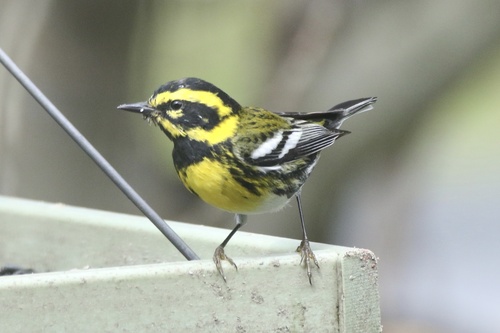
タウンゼンドアメリカムシクイ (Setophaga townsendi) タウンゼンドアメリカムシクイ
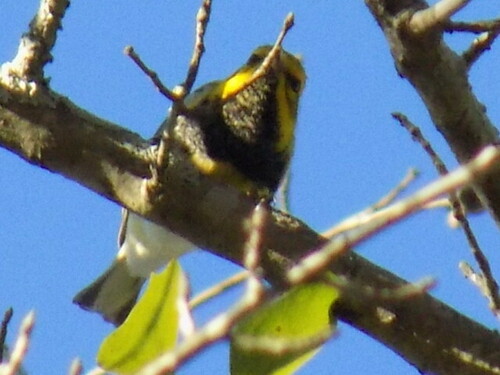
ノドグロミドリアメリカムシクイ (Setophaga virens) ノドグロミドリアメリカムシクイ

メディア

読み込み中…

要点

タウンゼンドアメリカムシクイとノドグロミドリアメリカムシクイを区別する最も信頼できるフィールドマークは顔のパターンです:タウンゼンドは鮮やかな黄色の顔に対して際立った黒い頬のパッチ(マラ/耳の部分)を示し、ノドグロミドリアメリカムシクイは拡散したオリーブの模様しか持たない黄色の顔を持ち、固体の黒い頬はありません。両種は2本の白い翼帯と似たサイズを持っていますが、タウンゼンドは顔と側面により強いマーキングがあります。両方の成鳥のオスは黒い喉を示すことがありますが、顔と頭頂部の黒の範囲とコントラストが重要です。幼鳥と雌はより難しいですが、頬のパターンは強い手がかりのままです。

識別のコツ

  1. Cheek Patch (All Ages): タウンゼンドアメリカムシクイは常に鮮やかな黄色の顔と鋭く対比する大胆な黒い頬のパッチ(マラ/耳の部分)を示します。ノドグロミドリアメリカムシクイは決して固体の黒い頬を持たず、その顔は拡散したオリーブの模様を持つ黄色です。これはすべての羽色において最も信頼できるフィールドマークです。
  2. Face Pattern (All Ages): タウンゼンドはより明るく、きれいな黄色の顔を持ち、シャープな黒い頬を持っていますが、ノドグロミドリアメリカムシクイの黄色の顔はオリーブのにじみがあり、シャープな黒はありません。
  3. Cap Color (Adults): 成鳥のオスのタウンゼンドは黒い頭頂部を持ち、ノドグロミドリアメリカムシクイの冠はオリーブグリーンです。雌のタウンゼンドは暗い(黒ではない)頭頂部を持ち、幼鳥のタウンゼンドは暗い緑の頭頂部と頬を持っています。
  4. Throat Color (Sex/Age): 両方の成鳥のオスは黒い喉を示すことがありますが、タウンゼンドだけが黒を頭頂部と頬にまで広げ、フードのような外観を作ります。雌のタウンゼンドは黄色い喉を持ち、雌/幼鳥のノドグロミドリアメリカムシクイは胸に黒い筋がある淡い喉を持っています。
  5. Flank Streaking (All Ages): タウンゼンドアメリカムシクイはノドグロミドリアメリカムシクイと比較して側面により重く、広範囲にわたる黒い筋があります。
  6. Wing Bars (All Ages): 両方とも2本の白い翼帯を持っています;これは区別にはなりません。
  7. Back Color (All Ages): 両方とも上面はオリーブで黒い筋がありますが、タウンゼンドは顔と側面のマーキングが強いため、より対比が強く見えることがあります。
  8. Underparts (All Ages): 両方とも白い腹部を持っていますが、タウンゼンドはしばしば白い腹部と筋のある側面との間によりシャープなコントラストを示します。
  9. Bill Shape and Structure: 両方ともSetophagaのムシクイに典型的な細く尖ったくちばしを持っています;くちばしの形は信頼できる区別にはなりません。
  10. Flight/Jizz: これら二つの間で飛行パターンや構造において特有の違いは記載されていません;両方とも小さく、活発で、機敏です。
  11. Juvenile/Immature Upperwing: ソースには年齢特有の上翼や飛行パターンの違いは記載されていません;幼鳥のためには顔と頬のパターンに焦点を当ててください。
  12. Habitat/Range: タウンゼンドは北西部の針葉樹林で見られる可能性が高いですが、両方とも渡りや冬に重なることがあります。生息地だけに頼らないでください。
  13. Voice: 歌は似ており、提供されたメモに基づいてフィールドで信頼できる区別はできません。
  14. Sex/Age Pitfalls: 雌と幼鳥のタウンゼンドはノドグロミドリアメリカムシクイと混同されることがありますが、頬のパッチは強い手がかりのままです。常に固体の黒い頬の有無を確認してください。
  15. Hybrid Zone: タウンゼンドはキガシラアメリカムシクイと交雑することがありますが、ノドグロミドリアメリカムシクイとは交雑しません;このペアにおいてハイブリッドは問題ではありません。

大きさ

両種はサイズと構造が非常に似ており、フィールド識別において意味のある違いはありません。ノドグロミドリアメリカムシクイは長さ11〜12 cm、体重8.5〜11.3 g、翼開長17〜20 cmです [wikipedia]。タウンゼンドアメリカムシクイは同じ科の小さな歌鳥として記載されており、比較ソースでは重要なサイズの違いは記載されていません。

羽色

すべての年齢において、頬と顔のパターンが最も診断的です:タウンゼンドアメリカムシクイ(成鳥と幼鳥)は鮮やかな黄色の顔を持ち、耳の覆いにまで延びる大胆な黒い頬のパッチを持っていますが、ノドグロミドリアメリカムシクイは拡散したオリーブの模様を持つ黄色の顔を持ち、決して固体の黒い頬はありません。成鳥のオスのタウンゼンドは黒い頭頂部と黒い喉を示し、下胸には黄色があります;雌は暗い(黒ではない)頭頂部と黄色い喉を持っています。幼鳥のタウンゼンドは雌に似ていますが、暗い緑の頭頂部と頬を持っています。ノドグロミドリアメリカムシクイのオスは黒い喉と上胸を持っていますが、顔はオリーブの模様で黒ではなく黄色のままです。雌と幼鳥のノドグロミドリアメリカムシクイは淡い喉と胸に黒い筋を持っていますが、決して黒い頬のパッチはありません。両種は2本の白い翼帯とオリーブの上面を持ち、背中と側面には黒い筋がありますが、タウンゼンドは側面により広範囲にわたる黒い筋があります。下部は両方とも白ですが、タウンゼンドは白い腹部と筋のある側面との間によりコントラストを示す傾向があります。

行動

両種は樹冠で活発に採餌し、葉から昆虫を採取し、時にはホバリングやフライキャッチングを行います。タウンゼンドアメリカムシクイは針葉樹の高い位置で採餌し、繁殖シーズン外に混成群れに参加することで知られています。ノドグロミドリアメリカムシクイも同様の採餌習性を持っています。行動はこれら二つの間で強く診断的ではありません。

生息環境

タウンゼンドアメリカムシクイは北アメリカの北西海岸に沿った大きな木のある針葉樹林で繁殖します。ノドグロミドリアメリカムシクイの生息地は提供されたメモに詳細が記載されていませんが、両方とも森林の生息地に関連しています。冬にはタウンゼンドはメキシコや中央アメリカを含む南方で見られることがあります。渡りや冬に生息地の重複が可能であるため、文脈だけに頼るのは信頼できる区別にはなりません。

声

タウンゼンドアメリカムシクイの歌は「zee-zee-zee-bzz-zee」または「weazy weazy weazy weazy twea」といったバズ音で、ノドグロミドリアメリカムシクイの歌に似ていますが、メモには明確な区別は提供されていません。両方とも鋭い呼び声を持っています。声は利用可能な情報に基づいて区別するための信頼できるフィールドマークではありません。

より良い説明を送る

比較と同じ項目を使ってください。文章はすぐに公開されます。

The most reliable field mark to separate Townsend's Warbler from Black-throated Green Warbler is the face pattern: Townsend's shows a bold black cheek patch (malar/ear area) sharply set off against a bright yellow face, while Black-throated Green has a yellow face with only diffuse olive markings and no solid black cheek. Both species have two white wing bars and similar size, but Townsend's is more strongly marked on the face and flanks. Adult males of both can show black throats, but the extent and contrast of black on the face and cap are key. Immatures and females are trickier, but the cheek pattern remains a strong clue.

  1. Cheek Patch (All Ages): Townsend's Warbler always shows a bold black cheek patch (malar/ear area) sharply contrasting with a yellow face. Black-throated Green Warbler never has a solid black cheek; its face is yellow with diffuse olive markings. This is the single most reliable field mark in all plumages.
  2. Face Pattern (All Ages): Townsend's has a brighter, cleaner yellow face with a crisp black cheek, while Black-throated Green's yellow face is more muted with olive smudging but no sharp black.
  3. Cap Color (Adults): Adult male Townsend's has a black cap, while Black-throated Green's crown is olive-green. Female Townsend's has a dark (not black) cap, and immature Townsend's have a dark green cap and cheeks.
  4. Throat Color (Sex/Age): Both adult males can show a black throat, but only Townsend's extends the black up onto the cap and cheek, creating a hooded look. Female Townsend's has a yellow throat, while female/immature Black-throated Green has a pale throat with black streaks on the breast.
  5. Flank Streaking (All Ages): Townsend's Warbler has heavier and more extensive black streaking on the flanks compared to Black-throated Green, which has lighter black streaks.
  6. Wing Bars (All Ages): Both have two white wing bars; this is not a separator.
  7. Back Color (All Ages): Both are olive above with black streaks, but Townsend's may appear more contrasting due to the stronger face and flank markings.
  8. Underparts (All Ages): Both have white bellies, but Townsend's often shows a sharper contrast between the white belly and streaked flanks.
  9. Bill Shape and Structure: Both have thin, pointed bills typical of Setophaga warblers; bill shape is not a reliable separator.
  10. Flight/Jizz: No distinctive differences in flight pattern or structure are noted between these two; both are small, active, and agile.
  11. Juvenile/Immature Upperwing: No age-specific upperwing or flight pattern differences are described in the sources; focus on face and cheek pattern for immatures.
  12. Habitat/Range: Townsend's is more likely in coniferous forests of the Northwest, but both can overlap during migration and winter. Do not rely solely on habitat.
  13. Voice: Songs are similar and not reliably separable in the field based on the provided notes.
  14. Sex/Age Pitfalls: Female and immature Townsend's can be confused with Black-throated Green, but the cheek patch remains a strong clue. Always check for the presence or absence of a solid black cheek.
  15. Hybrid Zone: Townsend's can hybridize with Hermit Warbler, but not with Black-throated Green; hybrids are not a concern for this pair.

Both species are very similar in size and structure, with no meaningful difference for field identification. Black-throated Green Warbler measures 11–12 cm in length, weighs 8.5–11.3 g, and has a wingspan of 17–20 cm [wikipedia]. Townsend's Warbler is described as a small songbird of the same family, and no significant size difference is noted in comparative sources.

For all ages, the cheek and face pattern is the most diagnostic: Townsend's Warbler (adults and immatures) has a bright yellow face with a bold black cheek patch extending into the ear coverts, while Black-throated Green Warbler has a yellow face with diffuse olive markings but never a solid black cheek. Adult male Townsend's also shows a black cap and black throat, with yellow on the lower breast; females have a dark (not black) cap and a yellow throat. Immature Townsend's resemble females but with a dark green cap and cheeks. Black-throated Green males have a black throat and upper breast, but the face remains yellow with olive, not black, markings. Females and immature Black-throated Greens have a pale throat and black streaks on the breast, but never a black cheek patch. Both species have two white wing bars and olive upperparts with black streaks on the back and flanks, but Townsend's has more extensive black streaking on the flanks. Underparts are white in both, but Townsend's tends to show more contrast between the white belly and streaked flanks.

Both species are active foragers in the canopy, gleaning insects from foliage and sometimes hovering or flycatching. Townsend's Warbler is noted for foraging higher in conifers and joining mixed flocks outside the breeding season. Black-throated Green Warbler has similar foraging habits. Behavior is not strongly diagnostic between these two.

Townsend's Warbler breeds in coniferous forests with large trees along the northwestern coast of North America. Black-throated Green Warbler's habitat is not detailed in the provided notes, but both are associated with forested habitats. In winter, Townsend's may be found further south, including Mexico and Central America. Habitat overlap is possible during migration and winter, so context alone is not a reliable separator.

Townsend's Warbler's song is a buzzed 'zee-zee-zee-bzz-zee' or 'weazy weazy weazy weazy twea,' similar to Black-throated Green Warbler's song, but the notes do not provide a clear distinction. Both have sharp call notes. Voice is not a reliable field mark for separation based on the available information.

変更を破棄しますか?

保存していない編集があります。今離れると失われます。

タウンゼンドアメリカムシクイ · ノドグロミドリアメリカムシクイ · 苦手な鳥