

Motmot

マミジロアメリカムシクイ 対 ズアカアメリカムシクイ

Leiothlypis peregrina 対 Leiothlypis ruficapilla

マミジロアメリカムシクイとズアカアメリカムシクイのクイズ
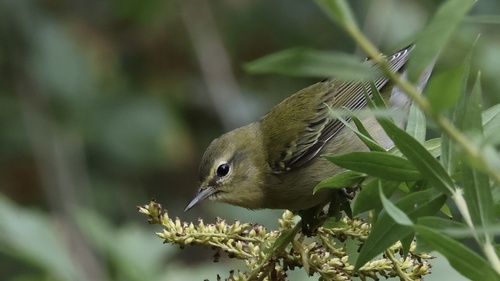
マミジロアメリカムシクイ (Leiothlypis peregrina) マミジロアメリカムシクイ
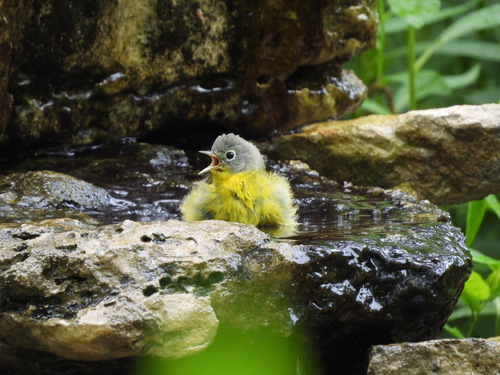
ズアカアメリカムシクイ (Leiothlypis ruficapilla) ズアカアメリカムシクイ

メディア

読み込み中…

要点

テネシーアメリカムシクイとズアカアメリカムシクイを区別する最も信頼できるフィールドマークは、すべての年齢と性別のズアカアメリカムシクイに見られる太く完全な白いアイリングの存在であり、テネシーアメリカムシクイには欠けています。テネシーアメリカムシクイは代わりに淡い眉(スーペルシリウム)を示しますが、完全なアイリングはありません。両種は特に秋や未熟個体の間で、上面がオリーブグリーン、下面が黄味を帯びて見えることがありますが、頭の模様と尾羽の色が重要です:ズアカアメリカムシクイは白いアイリングとともに灰色の頭を持ち、腹部は黄色で肛門まで延びています。一方、テネシーアメリカムシクイは灰色またはオリーブ色の冠を持ち、白い眉と常に白い尾羽の覆羽があります。構造は似ていますが、テネシーアメリカムシクイはわずかに重く、翼が長いです。フィールドでは、アイリング対眉、尾羽の色、頭のコントラストに注目して迅速に区別してください。

識別のコツ

  1. 白いアイリング(ズアカのみ): ズアカアメリカムシクイはすべての年齢と性別で完全で太い白いアイリングを持っています。テネシーアメリカムシクイは決して完全なアイリングを示しません—まずこれを探してください。
  2. 淡いスーペルシリウム(テネシーのみ): テネシーアメリカムシクイは目の上に淡い眉(スーペルシリウム)を持っていますが、これはリングを形成しません。ズアカアメリカムシクイは淡い眉を欠いており、そのアイリングが際立っています。
  3. 尾羽の覆羽: テネシーアメリカムシクイは常に白い尾羽の覆羽を持ち、黄味を帯びた腹部と対照的です。ズアカアメリカムシクイは肛門と尾羽の領域を通って黄色の腹部が延びており—ここには白い斑点はありません。
  4. 頭の色とコントラスト: ズアカアメリカムシクイは灰色の頭(時にはオスの隠れた赤錆色の冠斑点を持つことがあります)を示し、オリーブグリーンの背中と対照的です、特に東部亜種では。テネシーアメリカムシクイの頭は背中とより均一で、灰色またはオリーブ色の冠と後頭部を持ちますが、背中からはっきりと区別されません。
  5. 黄色の腹部: ズアカアメリカムシクイは喉、胸、腹部がより明るい黄色で、黄色は肛門まで延びています。テネシーアメリカムシクイは下面がより淡く、春のオスは灰色がかった白い腹部を持ち、より黄味を帯びていますが、常に白い尾羽の覆羽があります。
  6. 翼の帯: 両種とも翼の帯は持っていないため、これは有用なマークではありません。
  7. 冠斑点(ズアカオス): 成熟したオスのズアカアメリカムシクイは興奮すると赤錆色の冠斑点を示すことがありますが、通常は隠れています。テネシーアメリカムシクイはこの特徴を示しません。
  8. 尾のフリッキング: ズアカアメリカムシクイは採餌中によく尾をフリックしますが、テネシーアメリカムシクイはこれをあまり行いません。これは活発な鳥に役立ちますが、決定的ではありません。
  9. くちばしの形: 両者とも細く尖ったくちばしを持っていますが、テネシーアメリカムシクイのものはわずかに長く、細く見えることがあります。これは微妙で、迅速な同定には信頼できません。
  10. 背中の色: 両者とも上面がオリーブグリーンに見えることがありますが、ズアカアメリカムシクイの背中は灰色の頭からより明確に分かれており(特に東部では)、テネシーアメリカムシクイは上面がより均一にオリーブです。
  11. 性別/年齢の落とし穴: メスと未熟なテネシーアメリカムシクイは鈍く、より黄味を帯びており、ズアカに似ていますが、常に白いアイリングを欠き、白い尾羽の覆羽を持っています。未熟なズアカアメリカムシクイは鈍いですが、アイリングと黄色の肛門を保持しています。
  12. 季節的変動: 秋には、両種とも下面がより黄色く、上面が鈍くなり、混乱が増します。アイリング対眉と尾羽の色に注目してください。
  13. サイズ: テネシーアメリカムシクイはわずかに重く、長いですが、これは直接比較なしではフィールドで有用ではありません。
  14. 生息地/文脈: 渡りの際、両種は混合群れで一緒にいることがあります。繁殖範囲と生息地は夏に役立つかもしれませんが、渡り中は信頼できません。
  15. ハイブリダイゼーション: ハイブリダイゼーションの記録は1件のみですが、ハイブリッドは非常に稀であり、ほとんどの観察者にとって実際の懸念ではありません。

大きさ

テネシーアメリカムシクイはわずかに重く(9.6 g 対 8.8 g)および翼幅がわずかに長い(約19.7 cm 対 17–20 cm)および長さ(11.5 cm 対 11–13 cm)ですが、これらの違いは微妙で、フィールドでは信頼できません。両者とも小さく、スリムなムシクイで、細く尖ったくちばしを持っています。構造的な違いは最小限で、主要なフィールドマークではありません。

羽色

行動

両種は低木や木の中で活発に採餌しますが、ズアカアメリカムシクイは頻繁に尾をフリックし、他の種とともに緩い冬の群れに参加することで知られています。テネシーアメリカムシクイはより樹上性で、尾をフリックする可能性は低いです。これらの行動は文脈で役立つことがありますが、常に明白または一貫しているわけではありません。

生息環境

生息地の重複は渡り中に広範ですが、繁殖範囲は異なります:テネシーアメリカムシクイは北アメリカの東部で繁殖し、ズアカアメリカムシクイはアメリカ北部と西部およびカナダ南部で繁殖します。渡りや冬には、両者は低木や森林の生息地で見られますが、ズアカアメリカムシクイはより茂みの多い低い植生にいる可能性が高く、テネシーアメリカムシクイはより高い樹冠での採餌を好みます。これらの好みは混合群れや渡り中には診断的ではありません。

より良い説明を送る

比較と同じ項目を使ってください。文章はすぐに公開されます。

The most reliable field mark to separate Tennessee Warbler from Nashville Warbler is the presence of a bold, complete white eye ring on Nashville Warbler of all ages and sexes, which Tennessee Warbler lacks. Tennessee Warbler instead shows a pale eyebrow (supercilium) but no full eye ring. Both species can appear olive-green above and yellowish below, especially in fall and among immatures, but the head pattern and undertail color are key: Nashville Warbler has a gray head with a white eye ring and yellow underparts extending to the vent, while Tennessee Warbler has a grayish or olive crown with a white eyebrow and always white undertail coverts. Structure is similar, but Tennessee Warbler is slightly heavier and longer-winged. In the field, focus on the eye ring vs. eyebrow, undertail color, and head contrast for quick separation.

  1. White Eye Ring (Nashville only): Nashville Warbler of all ages and sexes has a complete, bold white eye ring. Tennessee Warbler never shows a full eye ring—look for this first.
  2. Pale Supercilium (Tennessee only): Tennessee Warbler has a pale eyebrow (supercilium) above the eye, but this does not form a ring. Nashville Warbler lacks a pale eyebrow; its eye ring stands out instead.
  3. Undertail Coverts: Tennessee Warbler always has white undertail coverts, contrasting with the yellowish belly. Nashville Warbler has yellow underparts extending through the vent and undertail region—no white patch here.
  4. Head Color and Contrast: Nashville Warbler shows a gray head (sometimes with a hidden rusty crown patch in males) that contrasts with the olive-green back, especially in the eastern subspecies. Tennessee Warbler's head is more uniform with the back, with a grayish or olive crown and nape but not sharply set off from the back.
  5. Yellow Underparts: Nashville Warbler is brighter yellow on the throat, breast, and belly, with the yellow extending to the vent. Tennessee Warbler is paler below, with grayish-white underparts in spring males, more yellowish in fall and immatures, but always with white undertail coverts.
  6. Wing Bars: Neither species has wing bars, so this is not a useful mark.
  7. Crown Patch (Nashville male): Adult male Nashville Warbler may show a rusty crown patch when agitated, but it is usually hidden. Tennessee Warbler never shows this feature.
  8. Tail Flicking: Nashville Warbler often flicks its tail while foraging; Tennessee Warbler does this less frequently. This can help in active birds but is not definitive.
  9. Bill Shape: Both have thin, pointed bills, but Tennessee Warbler's may appear slightly longer and finer. This is subtle and not reliable for quick ID.
  10. Back Color: Both can appear olive-green above, but Nashville Warbler's back is more distinctly separated from the gray head (especially in the east), while Tennessee Warbler is more uniformly olive above.
  11. Sex/Age Pitfalls: Female and immature Tennessee Warblers are duller and more yellowish, resembling Nashville, but always lack the white eye ring and have white undertail coverts. Immature Nashville Warblers are duller but retain the eye ring and yellow vent.
  12. Seasonal Variation: In fall, both species become yellower below and duller above, increasing confusion. Focus on eye ring vs. eyebrow and undertail color.
  13. Size: Tennessee Warbler averages slightly heavier and longer, but this is not useful in the field without direct comparison.
  14. Habitat/Context: During migration, both species can be together in mixed flocks. Breeding range and habitat may help in summer, but are not reliable during migration.
  15. Hybridization: There is a single record of hybridization, but hybrids are extremely rare and not a practical concern for most observers.

Tennessee Warbler is marginally heavier (9.6 g vs. 8.8 g) and has a slightly longer wingspan (about 19.7 cm vs. 17–20 cm) and length (11.5 cm vs. 11–13 cm), but these differences are subtle and not reliable in the field. Both are small, slim warblers with thin, pointed bills. Structural differences are minimal and not a primary field mark.

  • Juvenile and Immature Plumage: Both species' young birds resemble duller versions of the adult female. Tennessee Warbler immatures show a pale yellowish underside, olive upperparts, and a pale supercilium, but never a complete white eye ring. Nashville Warbler immatures always have a full white eye ring, yellow underparts, and a grayish head (less contrasting in western subspecies).

  • Adult Breeding Plumage: Tennessee Warbler males have a slate gray crown and nape, olive back, white underside, and a distinct pale supercilium (eyebrow), with white undertail coverts. Females and non-breeding birds are duller, more yellowish below, but still lack a full eye ring. Nashville Warbler adults have a gray head, olive-green back, bright yellow throat and breast, white belly, and a complete white eye ring. Males may show a rusty crown patch (often hidden). Both sexes have yellow underparts extending to the vent.

  • Fall/Winter Plumage: Tennessee Warbler becomes more yellow below and olive above, but the white undertail coverts and lack of eye ring persist. Nashville Warbler retains its white eye ring and yellow underparts, with the head remaining grayish (less contrast in western birds).

Both species forage actively in shrubs and trees, but Nashville Warbler is noted for frequent tail-flicking and joining loose winter flocks, sometimes with other species. Tennessee Warbler is more arboreal and less likely to flick its tail. These behaviors can help in context, but are not always obvious or consistent.

Habitat overlap is broad during migration, but breeding ranges differ: Tennessee Warbler breeds in eastern North America, Nashville Warbler in northern and western US and southern Canada. In migration and winter, both can be found in shrubby or woodland habitats, but Nashville Warbler is more likely in brushy, lower vegetation, while Tennessee Warbler prefers higher canopy foraging. These preferences are not diagnostic in mixed flocks or during migration.

変更を破棄しますか?

保存していない編集があります。今離れると失われます。

マミジロアメリカムシクイ · ズアカアメリカムシクイ · 苦手な鳥