

Reinita de Tennessee vs Reinita de Nashville
Leiothlypis peregrina frente a Leiothlypis ruficapilla
Juega un quiz con Reinita de Tennessee y Reinita de Nashville
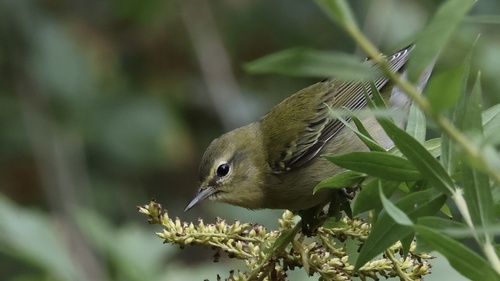 Reinita de Tennessee
 Reinita de Nashville
En breve
La marca de campo más confiable para separar la Reinita de Tennessee de la Reinita de Nashville es la presencia de un anillo ocular blanco completo y audaz en la Reinita de Nashville de todas las edades y sexos, que la Reinita de Tennessee carece. La Reinita de Tennessee, en cambio, muestra una ceja pálida (supercilio) pero no un anillo ocular completo. Ambas especies pueden aparecer de color verde oliva por encima y amarillentas por debajo, especialmente en otoño y entre los inmaduros, pero el patrón de la cabeza y el color de la cola son clave: la Reinita de Nashville tiene una cabeza gris con un anillo ocular blanco y partes inferiores amarillas que se extienden hasta el vent, mientras que la Reinita de Tennessee tiene una corona grisácea u oliva con una ceja blanca y siempre tiene cobertores de cola blancos. La estructura es similar, pero la Reinita de Tennessee es ligeramente más pesada y tiene alas más largas. En el campo, concéntrate en el anillo ocular frente a la ceja, el color de la cola y el contraste de la cabeza para una separación rápida.
Consejos de identificación
- Anillo Ocular Blanco (solo Nashville): La Reinita de Nashville de todas las edades y sexos tiene un anillo ocular blanco completo y audaz. La Reinita de Tennessee nunca muestra un anillo ocular completo; busca esto primero.
- Supercilio Pálido (solo Tennessee): La Reinita de Tennessee tiene una ceja pálida (supercilio) sobre el ojo, pero esto no forma un anillo. La Reinita de Nashville carece de una ceja pálida; su anillo ocular destaca en su lugar.
- Cobertores de Cola: La Reinita de Tennessee siempre tiene cobertores de cola blancos, contrastando con el vientre amarillento. La Reinita de Nashville tiene partes inferiores amarillas que se extienden a través del vent y la región de la cola; no hay parches blancos aquí.
- Color y Contraste de la Cabeza: La Reinita de Nashville muestra una cabeza gris (a veces con un parche de corona oxidado oculto en los machos) que contrasta con la espalda verde oliva, especialmente en la subespecie oriental. La cabeza de la Reinita de Tennessee es más uniforme con la espalda, con una corona y nuca grisácea u oliva, pero no está claramente separada de la espalda.
- Partes Inferiores Amarillas: La Reinita de Nashville es de un amarillo más brillante en la garganta, el pecho y el vientre, con el amarillo extendiéndose hasta el vent. La Reinita de Tennessee es más pálida por debajo, con partes inferiores grisáceas en machos de primavera, más amarillentas en otoño e inmaduros, pero siempre con cobertores de cola blancos.
- Barras Alares: Ninguna de las especies tiene barras alares, por lo que esta no es una marca útil.
- Parche de Corona (macho Nashville): El macho adulto de la Reinita de Nashville puede mostrar un parche de corona oxidado cuando está agitado, pero generalmente está oculto. La Reinita de Tennessee nunca muestra esta característica.
- Movimiento de Cola: La Reinita de Nashville a menudo mueve su cola mientras busca alimento; la Reinita de Tennessee lo hace con menos frecuencia. Esto puede ayudar en aves activas, pero no es definitivo.
- Forma del Pico: Ambas tienen picos delgados y puntiagudos, pero el de la Reinita de Tennessee puede parecer ligeramente más largo y fino. Esto es sutil y no confiable para una identificación rápida.
- Color de la Espalda: Ambas pueden aparecer de color verde oliva por encima, pero la espalda de la Reinita de Nashville está más claramente separada de la cabeza gris (especialmente en el este), mientras que la Reinita de Tennessee es más uniformemente oliva por encima.
- Trampas de Sexo/Edad: Las Reinita de Tennessee hembras e inmaduras son más apagadas y más amarillentas, pareciendo a la Reinita de Nashville, pero siempre carecen del anillo ocular blanco y tienen cobertores de cola blancos. Las Reinita de Nashville inmaduras son más apagadas pero retienen el anillo ocular y el vent amarillo.
- Variación Estacional: En otoño, ambas especies se vuelven más amarillas por debajo y más apagadas por encima, aumentando la confusión. Concéntrate en el anillo ocular frente a la ceja y el color de la cola.
- Tamaño: La Reinita de Tennessee promedia ligeramente más pesada y más larga, pero esto no es útil en el campo sin comparación directa.
- Hábitat/Contexto: Durante la migración, ambas especies pueden estar juntas en bandadas mixtas. El rango de cría y el hábitat pueden ayudar en verano, pero no son confiables durante la migración.
- Hibridación: Hay un solo registro de hibridación, pero los híbridos son extremadamente raros y no son una preocupación práctica para la mayoría de los observadores.
Tamaño
La Reinita de Tennessee es marginalmente más pesada (9.6 g frente a 8.8 g) y tiene una envergadura ligeramente más larga (alrededor de 19.7 cm frente a 17–20 cm) y longitud (11.5 cm frente a 11–13 cm), pero estas diferencias son sutiles y no confiables en el campo. Ambas son pequeñas, delgadas y tienen picos delgados y puntiagudos. Las diferencias estructurales son mínimas y no son una marca de campo primaria.
Plumaje
-
Plumaje Juvenil e Inmaduro: Las aves jóvenes de ambas especies se asemejan a versiones más apagadas de la hembra adulta. Las inmaduras de la Reinita de Tennessee muestran un lado inferior amarillento pálido, partes superiores oliva y un supercilio pálido, pero nunca un anillo ocular blanco completo. Las inmaduras de la Reinita de Nashville siempre tienen un anillo ocular blanco completo, partes inferiores amarillas y una cabeza grisácea (menos contrastante en las subespecies occidentales).
-
Plumaje de Cría Adulto: Los machos de la Reinita de Tennessee tienen una corona y nuca gris pizarra, espalda oliva, parte inferior blanca y un supercilio pálido distinto (ceja), con cobertores de cola blancos. Las hembras y las aves no reproductoras son más apagadas, más amarillentas por debajo, pero aún carecen de un anillo ocular completo. Los adultos de la Reinita de Nashville tienen una cabeza gris, espalda verde oliva, garganta y pecho amarillos brillantes, vientre blanco y un anillo ocular blanco completo. Los machos pueden mostrar un parche de corona oxidado (a menudo oculto). Ambos sexos tienen partes inferiores amarillas que se extienden hasta el vent.
-
Plumaje de Otoño/Invierno: La Reinita de Tennessee se vuelve más amarilla por debajo y oliva por encima, pero los cobertores de cola blancos y la falta de anillo ocular persisten. La Reinita de Nashville retiene su anillo ocular blanco y partes inferiores amarillas, con la cabeza permaneciendo grisácea (menos contraste en las aves occidentales).
Comportamiento
Ambas especies buscan activamente en arbustos y árboles, pero la Reinita de Nashville es conocida por su frecuente movimiento de cola y por unirse a bandadas sueltas en invierno, a veces con otras especies. La Reinita de Tennessee es más arbórea y menos propensa a mover su cola. Estos comportamientos pueden ayudar en contexto, pero no siempre son obvios o consistentes.
Hábitat
La superposición de hábitat es amplia durante la migración, pero los rangos de cría difieren: la Reinita de Tennessee cría en el este de América del Norte, la Reinita de Nashville en el norte y oeste de EE. UU. y el sur de Canadá. En migración e invierno, ambas pueden encontrarse en hábitats arbustivos o boscosos, pero la Reinita de Nashville es más probable que se encuentre en vegetación baja y arbustiva, mientras que la Reinita de Tennessee prefiere forrajear en el dosel más alto. Estas preferencias no son diagnósticas en bandadas mixtas o durante la migración.
Reinita de Tennessee · Reinita de Nashville · Mis aves difíciles