

Tennessee Warbler vs Nashville Warbler
Leiothlypis peregrina contro Leiothlypis ruficapilla
Fai un quiz con Tennessee Warbler e Nashville Warbler
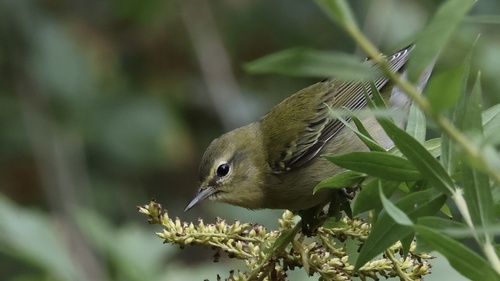 Tennessee Warbler
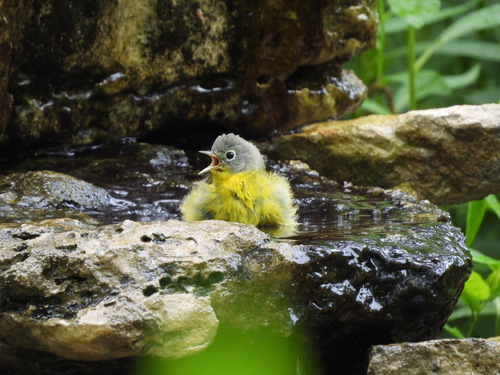 Nashville Warbler
In breve
Il segno di campo più affidabile per separare il Tennessee Warbler dal Nashville Warbler è la presenza di un anello oculare bianco, completo e audace sul Nashville Warbler di tutte le età e sessi, che il Tennessee Warbler non ha. Il Tennessee Warbler mostra invece un sopracciglio pallido (supercilium) ma non un anello oculare completo. Entrambe le specie possono apparire di colore verde oliva sopra e giallastro sotto, specialmente in autunno e tra gli immaturi, ma il motivo della testa e il colore della parte inferiore della coda sono fondamentali: il Nashville Warbler ha una testa grigia con un anello oculare bianco e parti inferiori gialle che si estendono fino al vent, mentre il Tennessee Warbler ha una corona grigia o oliva con un sopracciglio bianco e sempre copritori della parte inferiore della coda bianchi. La struttura è simile, ma il Tennessee Warbler è leggermente più pesante e ha ali più lunghe. Sul campo, concentrati sull'anello oculare rispetto al sopracciglio, sul colore della parte inferiore della coda e sul contrasto della testa per una separazione rapida.
Consigli di identificazione
- Anello Oculare Bianco (solo Nashville): Il Nashville Warbler di tutte le età e sessi ha un anello oculare bianco completo e audace. Il Tennessee Warbler non mostra mai un anello oculare completo—cerca questo per primo.
- Sopracciglio Pallido (solo Tennessee): Il Tennessee Warbler ha un sopracciglio pallido (supercilium) sopra l'occhio, ma questo non forma un anello. Il Nashville Warbler non ha un sopracciglio pallido; il suo anello oculare si distingue invece.
- Copritori della Parte Inferiore della Coda: Il Tennessee Warbler ha sempre copritori della parte inferiore della coda bianchi, in contrasto con il ventre giallastro. Il Nashville Warbler ha parti inferiori gialle che si estendono attraverso il vent e la regione della parte inferiore della coda—nessuna macchia bianca qui.
- Colore della Testa e Contrasto: Il Nashville Warbler mostra una testa grigia (a volte con una macchia coronale rugginosa nascosta nei maschi) che contrasta con il dorso verde oliva, specialmente nella sottospecie orientale. La testa del Tennessee Warbler è più uniforme con il dorso, con una corona e una nuca grigia o oliva ma non nettamente separata dal dorso.
- Parti Inferiori Gialle: Il Nashville Warbler è di un giallo più brillante sulla gola, sul petto e sul ventre, con il giallo che si estende fino al vent. Il Tennessee Warbler è più pallido sotto, con parti inferiori grigio-bianco nei maschi primaverili, più giallastre in autunno e negli immaturi, ma sempre con copritori della parte inferiore della coda bianchi.
- Bande Alari: Nessuna delle due specie ha bande alari, quindi questo non è un segno utile.
- Macchia Coronale (maschio Nashville): Il Nashville Warbler maschio adulto può mostrare una macchia coronale rugginosa quando è agitato, ma di solito è nascosta. Il Tennessee Warbler non mostra mai questa caratteristica.
- Flicking della Coda: Il Nashville Warbler spesso muove la coda mentre cerca cibo; il Tennessee Warbler lo fa meno frequentemente. Questo può aiutare negli uccelli attivi ma non è definitivo.
- Forma del Becco: Entrambi hanno becchi sottili e appuntiti, ma quello del Tennessee Warbler può apparire leggermente più lungo e fine. Questo è sottile e non affidabile per un'identificazione rapida.
- Colore del Dorso: Entrambi possono apparire di colore verde oliva sopra, ma il dorso del Nashville Warbler è più distintamente separato dalla testa grigia (specialmente a est), mentre il Tennessee Warbler è più uniformemente oliva sopra.
- Trappole di Sesso/Età: Le femmine e gli immaturi del Tennessee Warbler sono più opachi e più giallastri, somigliando al Nashville, ma mancano sempre dell'anello oculare bianco e hanno copritori della parte inferiore della coda bianchi. Gli immaturi Nashville Warblers sono più opachi ma mantengono l'anello oculare e il vent giallo.
- Variazione Stagionale: In autunno, entrambe le specie diventano più gialle sotto e più opache sopra, aumentando la confusione. Concentrati sull'anello oculare rispetto al sopracciglio e sul colore della parte inferiore della coda.
- Dimensioni: Il Tennessee Warbler è mediamente più pesante e lungo, ma questo non è utile sul campo senza un confronto diretto.
- Habitat/Contesto: Durante la migrazione, entrambe le specie possono trovarsi insieme in stormi misti. L'area di nidificazione e l'habitat possono aiutare in estate, ma non sono affidabili durante la migrazione.
- Ibridazione: C'è un solo record di ibridazione, ma gli ibridi sono estremamente rari e non rappresentano una preoccupazione pratica per la maggior parte degli osservatori.
Taglia
Il Tennessee Warbler è marginalmente più pesante (9.6 g vs. 8.8 g) e ha un'apertura alare leggermente più lunga (circa 19.7 cm vs. 17–20 cm) e una lunghezza (11.5 cm vs. 11–13 cm), ma queste differenze sono sottili e non affidabili sul campo. Entrambi sono piccoli, snelli warbler con becchi sottili e appuntiti. Le differenze strutturali sono minime e non un segno di campo primario.
Piumaggio
-
Piumaggio Giovanile e Immaturi: I giovani di entrambe le specie somigliano a versioni più opache della femmina adulta. Gli immaturi del Tennessee Warbler mostrano una parte inferiore giallastra pallida, parti superiori olive e un sopracciglio pallido, ma mai un anello oculare bianco completo. Gli immaturi del Nashville Warbler hanno sempre un anello oculare bianco completo, parti inferiori gialle e una testa grigia (meno contrastante nelle sottospecie occidentali).
-
Piumaggio di Riproduzione Adulta: I maschi del Tennessee Warbler hanno una corona e una nuca grigio ardesia, dorso oliva, parte inferiore bianca e un sopracciglio pallido distintivo (sopracciglio), con copritori della parte inferiore della coda bianchi. Le femmine e gli uccelli non in riproduzione sono più opachi, più giallastri sotto, ma mancano ancora di un anello oculare completo. Gli adulti del Nashville Warbler hanno una testa grigia, dorso verde oliva, gola e petto giallo brillante, ventre bianco e un anello oculare bianco completo. I maschi possono mostrare una macchia coronale rugginosa (spesso nascosta). Entrambi i sessi hanno parti inferiori gialle che si estendono fino al vent.
-
Piumaggio Autunnale/Invernale: Il Tennessee Warbler diventa più giallo sotto e oliva sopra, ma i copritori della parte inferiore della coda bianchi e la mancanza di anello oculare persistono. Il Nashville Warbler mantiene il suo anello oculare bianco e le parti inferiori gialle, con la testa che rimane grigia (meno contrasto negli uccelli occidentali).
Comportamento
Entrambe le specie cercano attivamente cibo in arbusti e alberi, ma il Nashville Warbler è noto per il frequente movimento della coda e per unirsi a stormi invernali sciolti, a volte con altre specie. Il Tennessee Warbler è più arboricolo e meno propenso a muovere la coda. Questi comportamenti possono aiutare nel contesto, ma non sono sempre ovvi o coerenti.
Habitat
L'overlap dell'habitat è ampio durante la migrazione, ma le aree di nidificazione differiscono: il Tennessee Warbler nidifica nell'est del Nord America, il Nashville Warbler nel nord e nell'ovest degli Stati Uniti e nel sud del Canada. Durante la migrazione e l'inverno, entrambe possono essere trovate in habitat arbustivi o boschivi, ma il Nashville Warbler è più probabile che si trovi in vegetazione bassa e cespugliosa, mentre il Tennessee Warbler preferisce foraggiare in una chioma più alta. Queste preferenze non sono diagnostiche in stormi misti o durante la migrazione.
Tennessee Warbler · Nashville Warbler · I miei uccelli difficili