

Motmot

モリフクロウ 対 トラフズク

Strix aluco 対 Asio otus

モリフクロウとトラフズクのクイズ
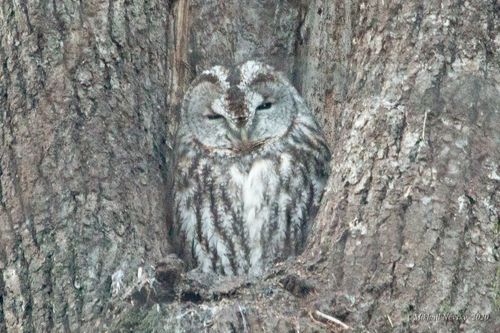
モリフクロウ (Strix aluco) モリフクロウ
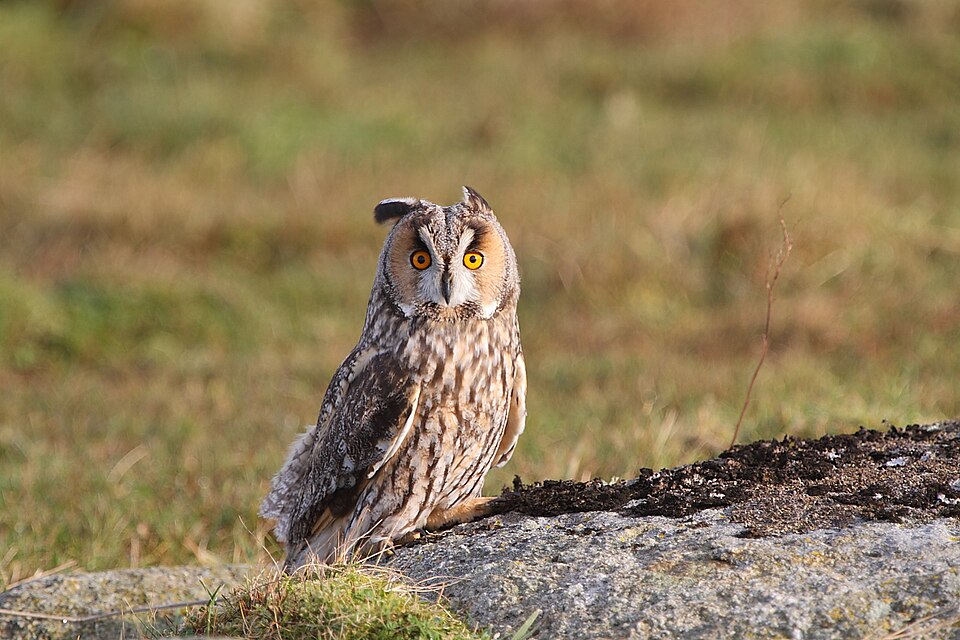
トラフズク (Asio otus) トラフズク

メディア

読み込み中…

要点

モリフクロウとトラフズクを区別する最も信頼できるフィールドマークは、トラフズクに存在する目立つ直立した耳羽であり、モリフクロウには完全に欠けています。飛行中、トラフズクはスリムで長い翼を持っているように見える一方、モリフクロウは著しくずんぐりしていて広い翼を持っています。羽毛の違いは微妙ですが一貫しています:モリフクロウは平坦で丸い顔の円盤と重い縞模様の腹部を示し、トラフズクは暗い縁と縦の縞模様を持つより対照的な顔の円盤を持っています。サイズも手がかりであり、モリフクロウははるかに重くてがっしりしています。これらの違いはすべての年齢に当てはまりますが、特に止まっている鳥や飛行中に良く見える鳥に対して有用です。

識別のコツ

  1. Ear tufts: トラフズクは常に目立つ直立した耳羽(耳ではない)を示し、特に警戒しているときや驚いたときに顕著です。モリフクロウには耳羽がなく、もしそれを見たら、それはモリフクロウではありません。
  2. Head shape: モリフクロウは大きく、丸く、平坦な頭を持ち、突起はありません。トラフズクの頭は耳羽のために狭く、より角ばって見えます。
  3. Facial disc: モリフクロウの顔の円盤は平坦で丸く、暗い茶色の目が溶け込んでいます。トラフズクの顔の円盤は暗い縁で縁取られ、しばしば中央に白い縦の線や「口ひげ」があり、目は明るい黄色からオレンジ赤で、顔に対して際立っています。
  4. Plumage color: モリフクロウは一般的に上面が均一な茶色または灰色で、腹部は淡く、重い縞模様があります。トラフズクはオクラ色の茶色で、変動する暗い縞模様や斑点があり、しばしば対照的な白っぽい肩羽やより模様のある外観を示します。
  5. Underpart markings: モリフクロウは白っぽい腹部に太い茶色の縞模様があります。トラフズクは上胸部に縦の縞模様を示し、下部にはヘリンボーン(シャフトの縞模様と横棒)があり、しばしばより模様のある外観を与えます。
  6. Wing shape in flight: モリフクロウの翼は広くて丸みを帯びており、重くて遅い飛行を提供します。トラフズクの翼は長くてスリムで、より浮力があり、敏捷な飛行をします。
  7. Pale wing panels: 飛行中、トラフズクは特に良い光の下で、初級羽の基部に淡いまたは薄いパネルを示すことがありますが、モリフクロウにはこれがありません。
  8. Size and structure: モリフクロウははるかに重くてがっしりしており、ずんぐりしたコンパクトな体型をしています。トラフズクはスリムで長い翼を持ち、体重が軽いです。
  9. Eye color: モリフクロウは暗い茶色の目を持っています。トラフズクの目はオレンジからオレンジ赤で、近距離での有用なマークです。
  10. Perched posture: モリフクロウはしばしば丸まってずんぐりしているように見えます。トラフズクは直立して座り、時には体と耳羽を伸ばします。
  11. Habitat context: 密な成熟した森林はモリフクロウに有利です。開けた森、エッジ、針葉樹の植林地はトラフズクのテリトリーである可能性が高いです。
  12. Roosting habits: トラフズクは冬に共同で休むことがあり、時には開けたまたは見える場所にいます。モリフクロウは昼間はより孤独で秘密主義です。
  13. Sexual dimorphism: 両種ともに雌が大きいですが、これは通常フィールドでは見えません。
  14. Juvenile confusion: どちらの種にもユニークな幼鳥の上翼のマークは記載されていないため、若い鳥には構造と顔の特徴に頼ってください。
  15. Common pitfalls: 光が悪いと、モリフクロウの灰色の形態は淡いトラフズクに似て見えることがありますが、耳羽と顔の円盤の対比は信頼できます。姿勢に注意してください。トラフズクは時々耳羽を平らにすることがありますが、顔の円盤とスリムな体型はそれを区別します。

大きさ

モリフクロウははるかに重くてがっしりしており、平均体重は475gで、トラフズクの典型的な200〜330gと比較されます(地域による変動はありますが、トラフズクは常にはるかに軽いです)[wikidata, wikipedia]。モリフクロウはまた、わずかに長く(37〜46 cm対31〜40 cm)および同様またはわずかに広い翼幅(81〜105 cm対86〜102 cm)を持っていますが、はるかに頑丈で丸い頭に見えます。トラフズクはスリムで長い翼を持ち、手に持ったときや並べて見たときに明らかに軽いです。

羽色

行動

モリフクロウは重く、遅く、静かな翼の打撃で飛び、広く丸い翼で長い滑空を使用します。その飛行は他のユーラシアフクロウよりも波打たず、通常はより高い位置で行われます。止まっていると、ずんぐりしてコンパクトに見えます。トラフズクは飛行中により敏捷で浮力があり、スリムで長い翼のプロファイルを持っています。止まっていると、トラフズクはしばしば直立して座り、体を伸ばし、耳羽を強調します。両種ともに夜行性で秘密主義ですが、トラフズクは冬に共同で休む可能性が高く、時には露出した場所にいます。

生息環境

モリフクロウは古典的な森林種であり、ヨーロッパと西シベリアの成熟した森林、公園、森林のある都市地域を好みます。トラフズクもヨーロッパとユーラシアで広く繁殖しますが、開けた森林、森林のエッジ、低木、さらには散在する木々のある農地で見られることが多いです。彼らの生息地は重なっていますが、モリフクロウは密な森林に厳密に結びついているのに対し、トラフズクはより開けた生息地を許容し、針葉樹の植林地や生け垣で見られる可能性が高いです。

より良い説明を送る

比較と同じ項目を使ってください。文章はすぐに公開されます。

The most reliable field mark to separate Tawny Owl from Long-eared Owl is the presence of prominent, upright ear tufts on Long-eared Owl, which are completely absent in Tawny Owl. In flight, Long-eared Owl appears slim and long-winged, while Tawny Owl is notably stockier and broad-winged. Plumage differences are subtle but consistent: Tawny Owl shows a plain, rounded facial disc and heavily streaked underparts, whereas Long-eared Owl has a more contrasting facial disc with a dark rim and vertical streaking below. Size is also a clue, with Tawny Owl being much heavier and bulkier. These differences hold for all ages, but are especially useful for perched birds or those seen well in flight.

  1. Ear tufts: Long-eared Owl always shows prominent, upright ear tufts (not ears), especially when alert or disturbed. Tawny Owl never has ear tufts—if you see them, it's not a Tawny.
  2. Head shape: Tawny Owl has a large, rounded, plain head with no projections; Long-eared Owl's head appears narrower and more angular due to the tufts.
  3. Facial disc: Tawny Owl's facial disc is plain and rounded, with dark brown eyes blending in. Long-eared Owl's facial disc is rimmed dark, often with a white vertical line or 'moustache,' and the eyes are bright yellow-orange to orange-red, standing out against the face.
  4. Plumage color: Tawny Owl is generally uniform brown or grey above, with pale, heavily streaked underparts. Long-eared Owl is ochraceous-tawny with variable dark streaks and spots, and often shows contrasting whitish scapulars and a more patterned look.
  5. Underpart markings: Tawny Owl has bold brown streaks on whitish underparts; Long-eared Owl shows vertical streaks on the upper breast and herringbone (shaft-streaks and crossbars) below, often giving a more patterned appearance.
  6. Wing shape in flight: Tawny Owl's wings are broad and rounded, giving a heavy, slow flight. Long-eared Owl's wings are long and slim, with more buoyant, agile flight.
  7. Pale wing panels: In flight, Long-eared Owl can show pale or buffy panels at the base of the primaries, especially in good light—Tawny Owl lacks these.
  8. Size and structure: Tawny Owl is much heavier and bulkier, with a squat, compact jizz. Long-eared Owl is slim, long-winged, and lighter-bodied.
  9. Eye color: Tawny Owl has dark brown eyes; Long-eared Owl's are orange to orange-red, a useful mark at close range.
  10. Perched posture: Tawny Owl often appears hunched and rounded; Long-eared Owl sits upright, sometimes elongating its body and tufts.
  11. Habitat context: Dense, mature woodland favors Tawny Owl; open woods, edges, and conifer plantations are more likely Long-eared Owl territory.
  12. Roosting habits: Long-eared Owl may roost communally in winter, sometimes in open or visible sites. Tawny Owl is more solitary and secretive by day.
  13. Sexual dimorphism: Both species have larger females, but this is not usually visible in the field.
  14. Juvenile confusion: No unique juvenile upperwing marks are described for either species, so rely on structure and facial features for young birds.
  15. Common pitfalls: In poor light, Tawny Owl's grey morph can look similar to a pale Long-eared Owl, but ear tufts and facial disc contrast remain reliable. Beware of posture—Long-eared Owl can sometimes flatten its tufts, but the facial disc and slim build still separate it.

Tawny Owl is substantially heavier and bulkier, with an average body mass of 475 g compared to Long-eared Owl's typical 200–330 g (regional variation exists, but Long-eared is always much lighter) [wikidata, wikipedia]. Tawny Owl is also slightly longer (37–46 cm vs. 31–40 cm) and has a similar or slightly broader wingspan (81–105 cm vs. 86–102 cm), but appears much more robust and round-headed. Long-eared Owl is slim, long-winged, and noticeably lighter in the hand or when seen side-by-side.

  • Juvenile/immature flight: No distinctive upperwing marks are described for either species that are unique to age, but Long-eared Owl's long, slim wings and contrasting pale panels at the base of the primaries can be visible in flight at all ages. Tawny Owl lacks these pale panels and shows broader, more rounded wings.
  • Perched birds/adults: Tawny Owl has a plain, rounded facial disc with dark brown eyes and no ear tufts. Its underparts are pale with brown streaks, and the upperparts can be brown or grey, sometimes rufous, but always relatively uniform. Long-eared Owl has a well-developed facial disc with a dark rim, often a white vertical line down the center (sometimes forming a 'moustache'), and prominent ear tufts. Its plumage is ochraceous-tawny with blackish vertical streaks and variable dark markings, especially on the wings and back. The scapulars are marked whitish, and the underparts show herringbone patterning below the upper breast. Eye color is yellowish-orange to orange-red, contrasting with Tawny Owl's dark brown eyes.

Tawny Owl flies with heavy, slow, and silent wingbeats, using long glides on broad, rounded wings. Its flight is less undulating and typically at greater height than other Eurasian owls. Perched, it appears squat and compact. Long-eared Owl is more agile and buoyant in flight, with a slim, long-winged profile. When perched, Long-eared Owl often sits upright and elongates its body, accentuating its ear tufts. Both species are nocturnal and secretive, but Long-eared Owl is more likely to roost communally in winter, sometimes in exposed sites.

Tawny Owl is a classic woodland species, favoring mature forests, parks, and wooded urban areas across Europe and western Siberia. Long-eared Owl also breeds widely in Europe and the Palearctic, but is more often found in open woodlands, forest edges, scrub, and even farmland with scattered trees. While their ranges overlap, Tawny Owl is more strictly tied to dense woodland, whereas Long-eared Owl tolerates more open habitats and is more likely to be found in conifer plantations or hedgerows.

変更を破棄しますか?

保存していない編集があります。今離れると失われます。

モリフクロウ · トラフズク · 苦手な鳥