

Allocco vs Gufo comune
Strix aluco contro Asio otus
Fai un quiz con Allocco e Gufo comune
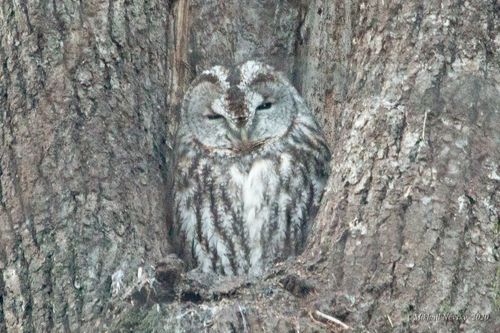 Allocco
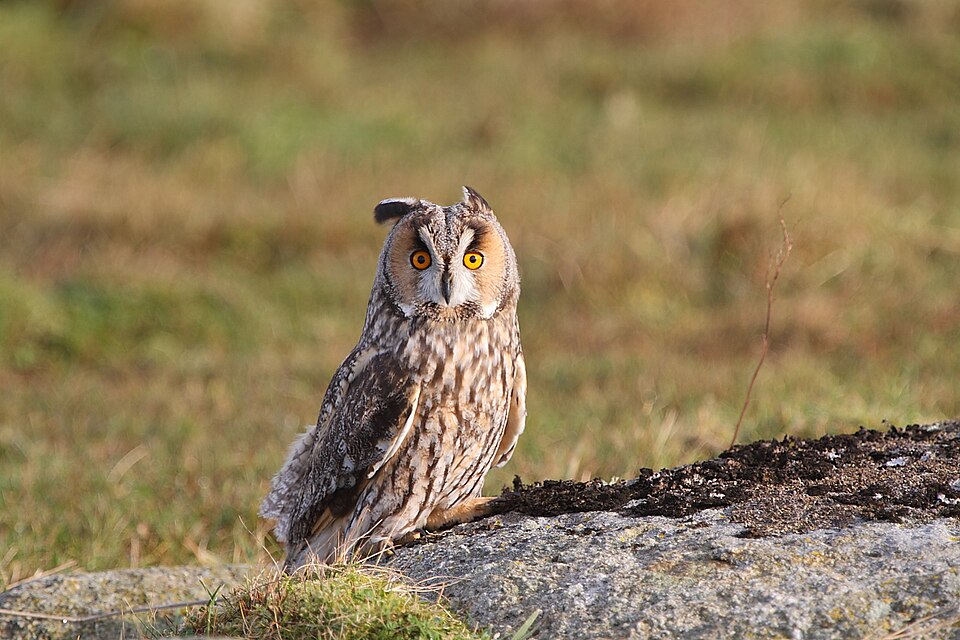 Gufo comune
In breve
Il segno di campo più affidabile per separare l'Allocco dal Gufo comune è la presenza di ciuffi auricolari prominenti e eretti sul Gufo comune, che sono completamente assenti nell'Allocco. In volo, il Gufo comune appare snello e con ali lunghe, mentre l'Allocco è notevolmente più robusto e con ali larghe. Le differenze nel piumaggio sono sottili ma costanti: l'Allocco mostra un disco facciale semplice e arrotondato e parti inferiori fortemente striate, mentre il Gufo comune ha un disco facciale più contrastante con un bordo scuro e striature verticali sotto. Anche le dimensioni sono un indizio, con l'Allocco che è molto più pesante e massiccio. Queste differenze si applicano a tutte le età, ma sono particolarmente utili per gli uccelli in posizione per lo più o quelli visti bene in volo.
Consigli di identificazione
- Ciuffi auricolari: Il Gufo comune mostra sempre ciuffi auricolari prominenti e eretti (non orecchie), specialmente quando è all'erta o disturbato. L'Allocco non ha mai ciuffi auricolari: se li vedi, non è un Allocco.
- Forma della testa: L'Allocco ha una testa grande, arrotondata e semplice senza proiezioni; la testa del Gufo comune appare più stretta e angolare a causa dei ciuffi.
- Disco facciale: Il disco facciale dell'Allocco è semplice e arrotondato, con occhi marroni scuri che si fondono. Il disco facciale del Gufo comune è bordato di scuro, spesso con una linea verticale bianca o 'baffo', e gli occhi sono di un giallo-arancio brillante fino all'arancio-rosso, che si stagliano contro il viso.
- Colore del piumaggio: L'Allocco è generalmente di un marrone o grigio uniforme sopra, con parti inferiori chiare e fortemente striate. Il Gufo comune è di un color ocra-tawny con striature e macchie scure variabili, e spesso mostra scapolari bianche contrastanti e un aspetto più decorato.
- Segni delle parti inferiori: L'Allocco ha striature marroni audaci su parti inferiori bianche; il Gufo comune mostra striature verticali sul petto superiore e un motivo a spina di pesce (strisce del fusto e traverse) sotto, dando spesso un aspetto più decorato.
- Forma delle ali in volo: Le ali dell'Allocco sono larghe e arrotondate, dando un volo pesante e lento. Le ali del Gufo comune sono lunghe e snelle, con un volo più leggero e agile.
- Pannelli delle ali chiari: In volo, il Gufo comune può mostrare pannelli chiari o color crema alla base delle primarie, specialmente in buona luce: l'Allocco non ha questi.
- Dimensioni e struttura: L'Allocco è molto più pesante e massiccio, con una struttura tozza e compatta. Il Gufo comune è snello, con ali lunghe e un corpo più leggero.
- Colore degli occhi: L'Allocco ha occhi marroni scuri; quelli del Gufo comune sono arancio fino all'arancio-rosso, un segno utile a distanza ravvicinata.
- Postura in posizione: L'Allocco appare spesso curvo e arrotondato; il Gufo comune si siede eretto, a volte allungando il corpo e i ciuffi.
- Contesto dell'habitat: La foresta matura e densa favorisce l'Allocco; boschi aperti, bordi e piantagioni di conifere sono più probabili territori del Gufo comune.
- Abitudini di riposo: Il Gufo comune può riposare in modo comunitario in inverno, a volte in luoghi aperti o visibili. L'Allocco è più solitario e riservato durante il giorno.
- Dimorfismo sessuale: Entrambe le specie hanno femmine più grandi, ma questo di solito non è visibile sul campo.
- Confusione giovanile: Non sono descritti segni unici sulle ali superiori per giovani di entrambe le specie, quindi fai affidamento sulla struttura e sulle caratteristiche facciali per gli uccelli giovani.
- Trappole comuni: In scarsa luce, la forma grigia dell'Allocco può sembrare simile a un Gufo comune pallido, ma i ciuffi auricolari e il contrasto del disco facciale rimangono affidabili. Fai attenzione alla postura: il Gufo comune a volte può appiattire i suoi ciuffi, ma il disco facciale e la struttura snella lo separano ancora.
Taglia
L'Allocco è sostanzialmente più pesante e massiccio, con una massa corporea media di 475 g rispetto ai tipici 200–330 g del Gufo comune (esistono variazioni regionali, ma il Gufo comune è sempre molto più leggero) [wikidata, wikipedia]. L'Allocco è anche leggermente più lungo (37–46 cm contro 31–40 cm) e ha un'apertura alare simile o leggermente più ampia (81–105 cm contro 86–102 cm), ma appare molto più robusto e con una testa rotonda. Il Gufo comune è snello, con ali lunghe e visibilmente più leggero al tatto o quando visto fianco a fianco.
Piumaggio
- Volo giovanile/immaturo: Non sono descritti segni distintivi sulle ali superiori per nessuna delle due specie che siano unici per età, ma le ali lunghe e snelle del Gufo comune e i pannelli chiari contrastanti alla base delle primarie possono essere visibili in volo a tutte le età. L'Allocco non ha questi pannelli chiari e mostra ali più larghe e arrotondate.
- Uccelli in posizione/adulti: L'Allocco ha un disco facciale semplice e arrotondato con occhi marroni scuri e senza ciuffi auricolari. Le sue parti inferiori sono chiare con striature marroni, e le parti superiori possono essere marroni o grigie, a volte rugginose, ma sempre relativamente uniformi. Il Gufo comune ha un disco facciale ben sviluppato con un bordo scuro, spesso una linea verticale bianca al centro (a volte formando un 'baffo'), e ciuffi auricolari prominenti. Il suo piumaggio è di un color ocra-tawny con striature verticali nere e segni scuri variabili, specialmente sulle ali e sulla schiena. Le scapolari sono marcate di bianco, e le parti inferiori mostrano un motivo a spina di pesce sotto il petto superiore. Il colore degli occhi è giallo-arancio fino all'arancio-rosso, in contrasto con gli occhi marroni scuri dell'Allocco.
Comportamento
L'Allocco vola con battiti d'ala pesanti, lenti e silenziosi, utilizzando lunghi planati su ali larghe e arrotondate. Il suo volo è meno ondulato e tipicamente a maggiore altezza rispetto ad altri gufi eurasiatici. In posizione, appare tozzo e compatto. Il Gufo comune è più agile e leggero in volo, con un profilo snello e con ali lunghe. Quando è in posizione, il Gufo comune spesso si siede eretto e allunga il corpo, accentuando i suoi ciuffi. Entrambe le specie sono notturne e riservate, ma il Gufo comune è più propenso a riposare in modo comunitario in inverno, a volte in luoghi esposti.
Habitat
L'Allocco è una specie classica di foresta, che favorisce foreste mature, parchi e aree urbane boschive in tutta Europa e nella Siberia occidentale. Il Gufo comune si riproduce anche ampiamente in Europa e nel Paleartico, ma si trova più spesso in boschi aperti, bordi forestali, cespugli e persino terreni agricoli con alberi sparsi. Sebbene i loro territori si sovrappongano, l'Allocco è più strettamente legato a foreste dense, mentre il Gufo comune tollera habitat più aperti ed è più probabile trovarlo in piantagioni di conifere o siepi.