

Motmot

キガシラヒメモズモドキ 対 キノドモズモドキ

Tunchiornis ochraceiceps 対 Vireo flavifrons

キガシラヒメモズモドキとキノドモズモドキのクイズ
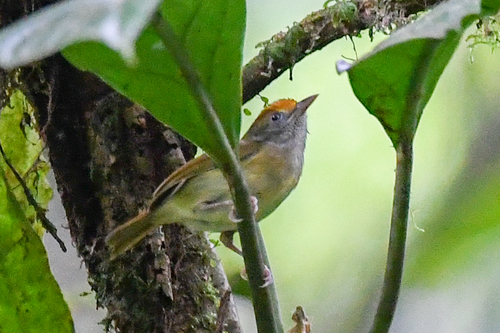
キガシラヒメモズモドキ (Tunchiornis ochraceiceps) キガシラヒメモズモドキ
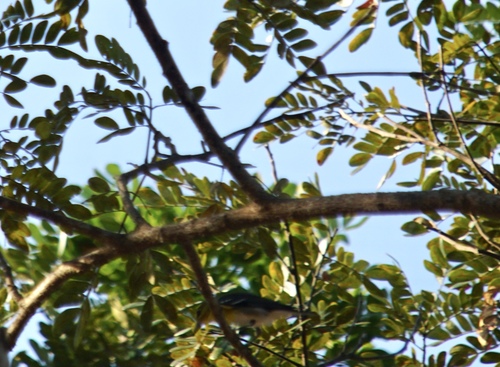
キノドモズモドキ (Vireo flavifrons) キノドモズモドキ

メディア

読み込み中…

要点

キガシラヒメモズモドキとキノドモズモドキを区別する最も信頼できるフィールドマークは、キノドモズモドキに見られる大胆な黄色の「眼鏡」と白い翼帯の存在であり、キガシラヒメモズモドキは平坦な顔と翼帯がないことです。すべての羽色において、キノドモズモドキは白い腹部と鋭く対比する明るい黄色の喉と胸を示し、キガシラヒメモズモドキはより muted なオクラ色または黄色がかった茶色の冠と、対比が少なく鈍い腹部パターンを持っています。構造的には、キノドモズモドキは大きくてずんぐりした体形で、太いくちばしを持ち、キガシラヒメモズモドキは小さくてスリムです。両者は中米に生息しますが、キノドモズモドキは渡り鳥で、キガシラヒメモズモドキは常駐しています。文脈と生息地が助けになりますが、フィールドマークが決定的です。

識別のコツ

  1. 黄色の「眼鏡」(キノドモズモドキのみ): 大胆な黄色のアイリングとロアが「眼鏡」を形成するのは、これら二種の中でキノドモズモドキに特有です。キガシラヒメモズモドキは平坦で鈍い灰色の顔を持っています。すべての年齢と季節に有効です。
  2. 翼帯(キノドモズモドキのみ): キノドモズモドキは常に暗い翼に二つの強い白い翼帯を示します。キガシラヒメモズモドキは微妙なバフブラウンの縁取りのみの平坦な翼を持ち、翼帯はありません。止まっている鳥と飛んでいる鳥でこれを確認してください。
  3. 喉と胸の色: キノドモズモドキは明るい黄色の喉と上胸を持ち、白い腹部と鋭く対比します。キガシラヒメモズモドキの喉は灰色がかっており、淡い黄色がかり、胸はオクラ色、腹部は黄色がかっていますが、決して鮮やかで鋭く定義されているわけではありません。
  4. 冠の色: キガシラヒメモズモドキは黄色がかったまたはキガシラの冠(特に指名亜種とネルソニ亜種)を示し、オリーブブラウンの上面と対比します。キノドモズモドキの冠はオリーブ色で、背中と混ざります。
  5. 顔の対比: キノドモズモドキの顔は眼鏡と黄色の洗いで際立っています。キガシラヒメモズモドキの顔は鈍い灰色で、無地です。
  6. くちばしの構造: キノドモズモドキは太く、青灰色で頑丈なくちばしを持っています。キガシラヒメモズモドキのくちばしはより細く、灰色がかっており、頑丈さが少ないです。これは距離があると微妙ですが、良い視界では明確です。
  7. サイズと体形: キノドモズモドキは大きく、ずんぐりしており、キガシラヒメモズモドキは小さく、スリムで、より繊細です。両者が見られる場合や、馴染みのある参照鳥と一緒に見られる場合にこれを使用してください。
  8. 飛行中の尾と翼のパターン: キノドモズモドキの尾は暗く、白い縁があり、飛行中に白い翼帯を示します。キガシラヒメモズモドキの尾は鈍い茶色でシナモン色の縁があり、翼帯はありません。どちらの種にも強い年齢特有の飛行マークはありませんが、キノドモズモドキのパターンは常により大胆です。
  9. 脚の色: キノドモズモドキは太い青灰色の脚を持っています。キガシラヒメモズモドキの脚はピンクがかっているか灰色がかっています。これは微妙で、フィールドでは診断的であることは稀です。
  10. 生息地の文脈: 中米では、キノドモズモドキは渡り鳥(主に冬)で、より開けたまたはエッジの生息地を好みます。キガシラヒメモズモドキは湿った森林の内部に常駐しています。成熟した森林の奥深くにいる場合、キガシラヒメモズモドキの方が可能性が高いです。
  11. 行動: キノドモズモドキは遅く、より意図的に、しばしばキャノピーの高いところで採餌します。キガシラヒメモズモドキはより敏捷で、より活発で、しばしば中層で低いところにいます。
  12. 亜種の変異(キガシラヒメモズモドキ): 一部のキガシラヒメモズモドキの亜種(例:bulunensis)は、下側がより明るいですが、いずれもキノドモズモドキの鋭い対比や眼鏡を示しません。常に翼帯と顔のパターンを確認してください。
  13. 翼の下の色: キガシラヒメモズモドキの亜種は翼の下の覆い羽の色(黄色から淡い黄色)に変異がありますが、これはフィールドではめったに見えず、キノドモズモドキに対して診断的ではありません。
  14. 声: ノートには詳細が記載されていません。ここでの区別のために歌や呼び声に頼らないでください。
  15. 季節: 北アメリカでは、キノドモズモドキのみが生息しています。中米では、冬に両者が存在する可能性がありますが、キガシラヒメモズモドキは常駐し、キノドモズモドキは通過または冬の渡り鳥です。

大きさ

キノドモズモドキはキガシラヒメモズモドキ(9.5–13 cm、8.4–13.5 g)よりも明らかに大きい(13–15 cm、15–21 g)です[wikipedia][avonet]。キノドモズモドキは明らかにずんぐりしており、太く重いくちばしを持っていますが、キガシラヒメモズモドキは全体的により繊細です。フィールドでは、このサイズの違いは通常、両種が迅速に続けて見られる場合や、馴染みのある参照鳥と一緒に見られる場合に明らかです。

羽色

どちらの種にも年齢特有の翼のパターンは記載されていないため、成人と一般的な羽色に焦点を当てます。キノドモズモドキ(すべての年齢)は、上面がオリーブ色で、明るい黄色の喉と胸を持ち、白い腹部と鋭く区別され、目の周りには大胆な黄色の「眼鏡」と二つの目立つ白い翼帯があります。翼と尾は暗く、白い翼帯と対比しています。キガシラヒメモズモドキは翼帯と眼鏡がなく、代わりに黄色がかったまたはキガシラの冠、鈍い灰色の顔、オリーブブラウンの上面、オクラ色または黄色がかったが、キノドモズモドキよりもはるかに鮮やかで対比が少ない腹部を持っています。翼は平坦な灰色がかった黒でバフブラウンの縁取りがあり、尾は鈍い茶色でシナモン色の縁があり、翼帯は決してありません。キガシラヒメモズモドキの亜種は、腹部と冠の色にわずかに変異がありますが、いずれもキノドモズモドキの大胆な顔のパターンや翼帯には及びません。キノドモズモドキの腹部は常に鋭くパターン化されており、キガシラヒメモズモドキの腹部は muted で混ざり合っています。幼鳥/未熟な特有のマークは、どちらの種にも詳細が記載されていません。

行動

キノドモズモドキは通常、キャノピーの高いところで採餌し、しばしば計画的に動き、昆虫を探すために立ち止まります。キガシラヒメモズモドキは中層または低いキャノピーで見られる可能性が高く、より敏捷に、目立たずに動きます。キノドモズモドキは遅く、より意図的に見えることがありますが、キガシラヒメモズモドキはより活発で敏捷です。両種は混合群れに参加することがありますが、キノドモズモドキのずんぐりした体形と遅い動きが目立ちます。

生息環境

キガシラヒメモズモドキはメキシコから中米、コロンビア、エクアドルにかけての湿った森林の常駐種で、主に成熟したまたは高い二次森林に生息しています。キノドモズモドキは北アメリカの開けた落葉樹林で繁殖し、中米で冬を越し、しばしばキガシラヒメモズモドキよりも開けたまたはエッジの生息地に生息します。中米では、キノドモズモドキは渡り鳥であり、キガシラヒメモズモドキに比べて密な森林の奥深くで見つかる可能性は低く、キガシラヒメモズモドキは森林の内部に常駐しています。

より良い説明を送る

比較と同じ項目を使ってください。文章はすぐに公開されます。

The most reliable field mark to separate Tawny-crowned Greenlet from Yellow-throated Vireo is the presence of bold yellow 'spectacles' and white wingbars on the vireo, versus the greenlet's plain face and lack of wingbars. In all plumages, Yellow-throated Vireo shows a bright yellow throat and breast sharply contrasting with a white belly, while Tawny-crowned Greenlet has a more muted ochraceous or yellow-brown crown and a less contrasting, duller underpart pattern. Structurally, the vireo is larger and chunkier with a stouter bill, while the greenlet is smaller and slimmer. Both can occur in Central America, but the vireo is a migrant and the greenlet is resident; context and habitat can help, but field marks are decisive.

  1. Yellow 'spectacles' (vireo only): The bold yellow eye-ring and lores forming 'spectacles' is unique to Yellow-throated Vireo of these two; Tawny-crowned Greenlet has a plain, dull grayish face. Works for all ages and seasons.
  2. Wingbars (vireo only): Yellow-throated Vireo always shows two strong white wingbars on dark wings; greenlet has plain wings with only subtle buff-brown edging, never wingbars. Check this in perched and flying birds.
  3. Throat and breast color: Vireo has a bright yellow throat and upper breast, sharply contrasting with a white belly. Greenlet's throat is grayish with faint yellow-green, breast ochraceous, and belly yellowish but never as vivid or sharply defined.
  4. Crown color: Greenlet shows a yellowish or tawny crown (especially in nominate and nelsoni subspecies), contrasting with olive-brown upperparts; vireo's crown is olive and blends with the back.
  5. Facial contrast: Vireo's face is striking due to the spectacles and yellow wash; greenlet's face is dull grayish and unmarked.
  6. Bill structure: Vireo has a thick, blue-grey, stout bill; greenlet's bill is finer and grayish, less robust. This is subtle at distance but clear in good views.
  7. Size and build: Vireo is larger, bulkier, and chunkier; greenlet is smaller, slimmer, and more delicate. Use this when both are seen or with familiar reference birds.
  8. Tail and wing pattern in flight: Vireo's tail is dark with white edges and shows white wingbars in flight; greenlet's tail is dull brown with cinnamon edges and no wingbars. No strong age-specific flight marks for either, but the vireo's pattern is always bolder.
  9. Leg color: Vireo has thick blue-grey legs; greenlet's are pinkish to grayish. This is subtle and rarely diagnostic in the field.
  10. Habitat context: In Central America, vireo is a migrant (mainly winter) and favors more open or edge habitats; greenlet is a resident of humid forest interior. If deep in mature forest, greenlet is more likely.
  11. Behavior: Vireo is slower, more deliberate, often higher in the canopy; greenlet is nimbler, more active, and often lower in the mid-story.
  12. Subspecies variation (greenlet): Some greenlet subspecies (e.g., bulunensis) are brighter below, but none show the vireo's sharp contrast or spectacles. Always check for wingbars and facial pattern.
  13. Underwing color: Greenlet subspecies vary in underwing covert color (yellow to pale yellow), but this is rarely visible in the field and not diagnostic versus vireo.
  14. Voice: Not detailed in the notes; do not rely on song or call for separation here.
  15. Season: In North America, only vireo occurs; in Central America, both can be present in winter, but greenlet is resident and vireo is a passage or wintering migrant.

Yellow-throated Vireo is distinctly larger (13–15 cm, 15–21 g) than Tawny-crowned Greenlet (9.5–13 cm, 8.4–13.5 g) [wikipedia][avonet]. The vireo is noticeably bulkier and has a stouter, heavier bill, while the greenlet is more delicate overall. In the field, this size difference is usually apparent when both species are seen in quick succession or with familiar reference birds.

No age-specific wing patterns are described for either species, so focus is on adult and general plumage. Yellow-throated Vireo (all ages) is olive above with a bright yellow throat and breast, sharply demarcated from a white belly, and has bold yellow 'spectacles' around the eye and two prominent white wingbars. Its wings and tail are dark, contrasting with the white wingbars. Tawny-crowned Greenlet lacks wingbars and spectacles; instead, it has a yellowish or tawny crown, dull grayish face, olive-brown upperparts, and underparts that are ochraceous or yellowish but much less vivid and contrasting than the vireo. Its wings are plain grayish-black with buff-brown edges, and the tail is dull brown with cinnamon-brown edges—never with wingbars. Subspecies of the greenlet vary slightly in underpart and crown color, but none approach the vireo's bold facial pattern or wingbars. The vireo's underparts are always sharply patterned, while the greenlet's are muted and blend together. Juvenile/immature-specific marks are not detailed for either species.

Yellow-throated Vireo typically forages higher in the canopy, often moving methodically and pausing to scan for insects, sometimes sallying out. Tawny-crowned Greenlet is more likely to be seen in the mid-story or lower canopy, moving more nimbly and less conspicuously. The vireo may appear slower and more deliberate, while the greenlet is more active and agile. Both species can join mixed flocks, but the vireo's chunkier build and slower movements stand out.

Tawny-crowned Greenlet is a resident of humid forests from Mexico through Central America into Colombia and Ecuador, mainly in mature or tall secondary forest. Yellow-throated Vireo breeds in open deciduous woods in North America and winters in Central America, often in more open or edge habitats than the greenlet. In Central America, the vireo is a migrant and less likely to be found deep in dense forest compared to the greenlet, which is a year-round resident of interior forest.

変更を破棄しますか?

保存していない編集があります。今離れると失われます。

キガシラヒメモズモドキ · キノドモズモドキ · 苦手な鳥