

Tawny-crowned Greenlet vs Yellow-throated Vireo
Tunchiornis ochraceiceps contro Vireo flavifrons
Fai un quiz con Tawny-crowned Greenlet e Yellow-throated Vireo
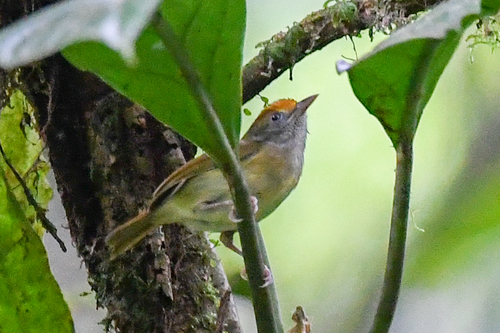 Tawny-crowned Greenlet
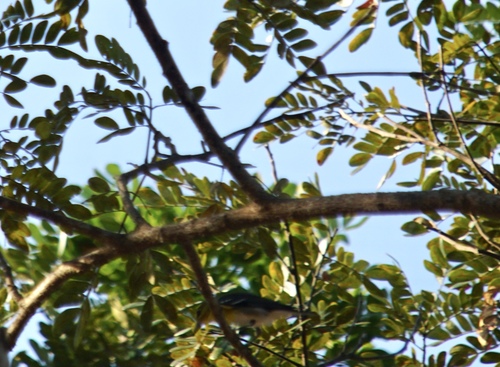 Yellow-throated Vireo
In breve
Il segno di campo più affidabile per separare il Tawny-crowned Greenlet dal Yellow-throated Vireo è la presenza di audaci 'occhiali' gialli e barre alari bianche sul vireo, rispetto al volto semplice del greenlet e alla mancanza di barre alari. In tutte le livree, il Yellow-throated Vireo mostra una gola e un petto giallo brillante che contrastano nettamente con un ventre bianco, mentre il Tawny-crowned Greenlet ha una corona più attenuata di color ocra o giallo-bruno e un pattern delle parti inferiori meno contrastante e più opaco. Strutturalmente, il vireo è più grande e robusto con un becco più tozzo, mentre il greenlet è più piccolo e snello. Entrambi possono verificarsi in America Centrale, ma il vireo è un migratore e il greenlet è residente; il contesto e l'habitat possono aiutare, ma i segni di campo sono decisivi.
Consigli di identificazione
- Yellow 'spectacles' (vireo only): L'audace anello oculare giallo e le lore che formano 'occhiali' sono unici per il Yellow-throated Vireo di questi due; il Tawny-crowned Greenlet ha un volto semplice e opaco di colore grigio. Funziona per tutte le età e stagioni.
- Wingbars (vireo only): Il Yellow-throated Vireo mostra sempre due forti barre alari bianche su ali scure; il greenlet ha ali semplici con solo un sottile bordo color buff-bruno, mai barre alari. Controlla questo in uccelli posati e in volo.
- Throat and breast color: Il vireo ha una gola e un petto giallo brillante, che contrastano nettamente con un ventre bianco. La gola del greenlet è grigia con un leggero giallo-verde, il petto è ocra e il ventre è giallastro ma mai così vivido o nettamente definito.
- Crown color: Il greenlet mostra una corona giallastra o color ocra (specialmente nelle sottospecie nominate e nelsoni), in contrasto con le parti superiori color oliva-bruno; la corona del vireo è oliva e si fonde con il dorso.
- Facial contrast: Il volto del vireo è sorprendente a causa degli occhiali e del lavaggio giallo; il volto del greenlet è grigio opaco e non marcato.
- Bill structure: Il vireo ha un becco spesso, blu-grigio e tozzo; il becco del greenlet è più fine e grigiastro, meno robusto. Questo è sottile a distanza ma chiaro in buone visioni.
- Size and build: Il vireo è più grande, più robusto e massiccio; il greenlet è più piccolo, più snello e più delicato. Usa questo quando entrambi sono visti o con uccelli di riferimento familiari.
- Tail and wing pattern in flight: La coda del vireo è scura con bordi bianchi e mostra barre alari bianche in volo; la coda del greenlet è marrone opaco con bordi cannella e senza barre alari. Non ci sono forti segni di volo specifici per età per entrambi, ma il pattern del vireo è sempre più audace.
- Leg color: Il vireo ha zampe spesse blu-grigio; quelle del greenlet sono rosate o grigie. Questo è sottile e raramente diagnostico sul campo.
- Habitat context: In America Centrale, il vireo è un migratore (principalmente in inverno) e favorisce habitat più aperti o di margine; il greenlet è residente dell'interno delle foreste umide. Se in profondità in una foresta matura, è più probabile trovare il greenlet.
- Behavior: Il vireo è più lento, più deliberato, spesso più in alto nella chioma; il greenlet è più agile, più attivo e spesso più in basso nel sottobosco.
- Subspecies variation (greenlet): Alcune sottospecie di greenlet (ad es., bulunensis) sono più brillanti sotto, ma nessuna mostra il forte contrasto o gli occhiali del vireo. Controlla sempre le barre alari e il pattern facciale.
- Underwing color: Le sottospecie di greenlet variano nel colore delle coperture delle ali inferiori (giallo a giallo pallido), ma questo è raramente visibile sul campo e non diagnostico rispetto al vireo.
- Voice: Non dettagliato nelle note; non fare affidamento su canto o richiamo per la separazione qui.
- Season: In Nord America, si verifica solo il vireo; in America Centrale, entrambi possono essere presenti in inverno, ma il greenlet è residente e il vireo è un migratore di passaggio o invernante.
Taglia
Il Yellow-throated Vireo è decisamente più grande (13–15 cm, 15–21 g) rispetto al Tawny-crowned Greenlet (9.5–13 cm, 8.4–13.5 g) [wikipedia][avonet]. Il vireo è visibilmente più robusto e ha un becco più tozzo e pesante, mentre il greenlet è più delicato nel complesso. Sul campo, questa differenza di dimensioni è solitamente evidente quando entrambe le specie sono viste in rapida successione o con uccelli di riferimento familiari.
Piumaggio
Non sono descritti pattern di ali specifici per età per nessuna delle due specie, quindi ci si concentra sulla livrea adulta e generale. Il Yellow-throated Vireo (tutte le età) è oliva sopra con una gola e un petto giallo brillante, nettamente demarcati da un ventre bianco, e ha audaci 'occhiali' gialli attorno all'occhio e due prominenti barre alari bianche. Le sue ali e la coda sono scure, in contrasto con le barre alari bianche. Il Tawny-crowned Greenlet manca di barre alari e occhiali; invece, ha una corona giallastra o color ocra, un volto grigio opaco, parti superiori color oliva-bruno e parti inferiori che sono ocra o giallastre ma molto meno vivide e contrastanti rispetto al vireo. Le sue ali sono semplici grigio-nerastre con bordi color buff-bruno, e la coda è marrone opaco con bordi color cannella—mai con barre alari. Le sottospecie del greenlet variano leggermente nel colore delle parti inferiori e della corona, ma nessuna si avvicina al pattern facciale audace o alle barre alari del vireo. Le parti inferiori del vireo sono sempre nettamente patternizzate, mentre quelle del greenlet sono attenuate e si fondono insieme. Non sono dettagliati segni specifici per giovani/immaturi per nessuna delle due specie.
Comportamento
Il Yellow-throated Vireo di solito cerca cibo più in alto nella chioma, spesso muovendosi in modo metodico e fermandosi per cercare insetti, a volte lanciandosi fuori. Il Tawny-crowned Greenlet è più probabile che venga visto nel sottobosco o nella chioma bassa, muovendosi in modo più agile e meno appariscente. Il vireo può apparire più lento e più deliberato, mentre il greenlet è più attivo e agile. Entrambe le specie possono unirsi a stormi misti, ma la corporatura più robusta del vireo e i movimenti più lenti si fanno notare.
Habitat
Il Tawny-crowned Greenlet è residente di foreste umide dal Messico attraverso l'America Centrale fino alla Colombia e all'Ecuador, principalmente in foreste secondarie mature o alte. Il Yellow-throated Vireo nidifica in boschi decidui aperti in Nord America e sverna in America Centrale, spesso in habitat più aperti o di margine rispetto al greenlet. In America Centrale, il vireo è un migratore e meno probabile che venga trovato in profondità in foreste dense rispetto al greenlet, che è un residente tutto l'anno dell'interno della foresta.
Tawny-crowned Greenlet · Yellow-throated Vireo · I miei uccelli difficili