

Motmot

キバラノハラムシクイ 対 オレンジハナドリ

Calamanthus fuliginosus 対 Dicaeum trigonostigma

キバラノハラムシクイとオレンジハナドリのクイズ
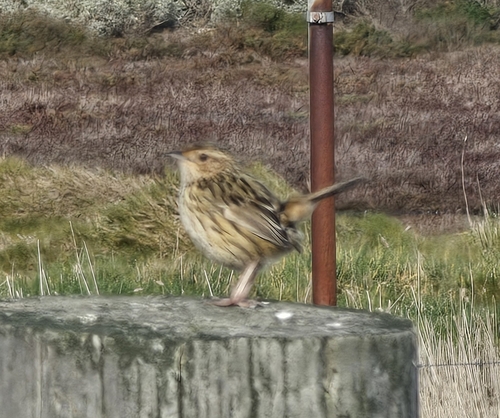
キバラノハラムシクイ (Calamanthus fuliginosus) キバラノハラムシクイ
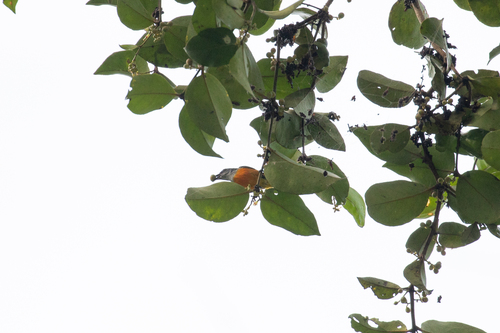
オレンジハナドリ (Dicaeum trigonostigma) オレンジハナドリ

メディア

読み込み中…

要点

ストライテッドフィールドレンとオレンジハナドリの最も信頼できるフィールドマークは全体の羽毛です:フィールドレンは重いストリーキングと傾いたストリークのある尾を示し、オスのハナドリはスレートブルーの上面と炎のようなオレンジの腹を持つ大胆な色合いで、メスのハナドリはプレーンなオリーブブラウンで黄色い腹を持っています。いずれの種についても幼鳥や未熟な翼のパターンは記述されていないため、体と頭の色、尾の形、くちばしの構造に焦点を当ててください。フィールドレンは地面に生息し、密な植生の中でよく隠れていますが、ハナドリは樹冠や中層で活発に活動しています。ハナドリはフィールドレンに比べてはるかに小さく、コンパクトで、短くわずかに下向きのくちばしを持っていますが、フィールドレンは長く、より細身の外観とまっすぐなくちばしを持っています。

識別のコツ

  1. ストリーキング: すべての年齢のストライテッドフィールドレンは体、特に腹部と尾に大胆な黒と茶色のストリークを示します;オレンジハナドリは年齢や性別に関係なく決してストリークがありません。
  2. 尾の形と行動: フィールドレンは長い傾いた尾を持ち、しばしば左右に振られ、ストリークがあります;ハナドリは短くまっすぐな尾を持ち、決して傾いたりストリークがありません。
  3. くちばしの構造: フィールドレンはまっすぐで細いくちばしを持っています;ハナドリのくちばしは短く、太く、先端がわずかに下向きで、特に横から見ると目立ちます。
  4. オスのハナドリの色合い: オスのハナドリは上面がスレートブルーで、背中に大きなオレンジの斑点があり、下腹部は炎のようなオレンジから黄色へのグラデーションです—オーストラリアのフィールドレンはこの色の組み合わせを示しません。
  5. メスのハナドリの色合い: メスのハナドリはプレーンなオリーブブラウンで、黄色い腹と淡いオレンジの尾を持ち、ストリーキングや強い顔のマーキングがありません;フィールドレンは常にストリークがあり、決してこのようにプレーンではありません。
  6. スーペリシリウム: フィールドレンは目の上に明確な白っぽい線(スーペリシリウム)を持っています;ハナドリにはそのような顔のマーキングがありません。
  7. 生息地と採餌の高さ: フィールドレンは常に密なカバーの地面またはその近くにいます;ハナドリは樹木や低木にいて、通常は目の高さの上にいます。
  8. 飛行と動き: フィールドレンは低く飛び立ち、すぐにカバーに戻ります;ハナドリは樹冠の間を迅速かつ直接に移動します。
  9. サイズの印象: フィールドレンは大きくて長いです;ハナドリは小さくてコンパクトで、他の小鳥と比べてもそうです。
  10. 歌: フィールドレンの大きく、羽音のような「ウィットウィットチー...」の歌はその生息地で特徴的です;ハナドリの鳴き声は記述されていないので、フィールドレンが歌っていない限り声に頼らないでください。
  11. 分布: フィールドレンはオーストラリアにのみ見られます;ハナドリはオーストラリアには決して見られず、南アジアと東南アジアに分布しています—場所だけで診断が可能です。
  12. 季節的な可視性: フィールドレンは春に茂みの上から歌っているときにより目立ち、声を出すことがあります;ハナドリはその分布内で年間を通じて活発で、しばしば花や果物を食べているのが見られます。
  13. 性差: オスのハナドリだけが鮮やかな色を持っています;メスは地味ですが、ストリーキングがありません。フィールドレンの性別は似ており、両方ともストリークがあります。
  14. 羽毛の落とし穴: 地味なメスのハナドリはストリークのないフィールドレンと間違えられるかもしれませんが、ストリークの欠如と黄色い腹が重要です;フィールドレンは決して黄色い腹やプレーンなオリーブブラウンの上面を示しません。
  15. 幼鳥の混乱: いずれの種についても特定の幼鳥や未熟な翼のパターンは記述されていないため、すべての年齢について上記のマークに頼ってください。

大きさ

オレンジハナドリはかなり小さく、体重は約7グラムです [wikidata]、一方ストライテッドフィールドレンは約140 mmの長さで大きく [wikipedia](質量は記載されていませんが、明らかに重くて長いです)。ハナドリはコンパクトで太く、フィールドレンは長く、より細長い体と尾を持っています。フィールドでは、ハナドリは小さくて素早く見え、フィールドレンは明らかに大きくてより細長く見えます。

羽色

いずれの種についても年齢特有の上翼や飛行パターンの違いは記述されていません。すべての年齢において、ストライテッドフィールドレンは上面が淡い茶色とオリーブで、体と尾に大胆な黒のストリークがあり、白い腹とストリークのあるバフの前面を持っています。翼は茶色と灰色で大胆なストリークがありますが、飛行羽は細い淡いエッジを持ち、ストリークはありません。白っぽいスーペリシリウム(眉毛)が存在します。オレンジハナドリのオスは明確です:上面はスレートブルー(頭、後頭部、翼、尾)、背中に大きなオレンジの斑点があり、下側は炎のようなオレンジ(下胸)から黄色(肛門)へのグラデーションです。メスのハナドリははるかに地味です:全体が地味なオリーブブラウンで、淡いオレンジの尾と黄色の腹を持ち、フィールドレンのストリーキングがありません。両性のハナドリはストリーキングや大胆な顔のマーキングがありません。要約すると、フィールドレンはストリーキーでアーストーンであり、ハナドリは鮮やかな青オレンジ(オス)またはプレーンなオリーブ/黄色(メス)で、決してストリークがありません。

行動

ストライテッドフィールドレンは通常秘密主義で、密な植生の中で地面の上またはその近くで静かに採餌し、しばしば尾を傾けて左右に振っています。歌っているときは高いところに止まることがありますが、まだ低い位置に留まります。もし飛び立たせると、短い距離を飛んでカバーに戻ります。オレンジハナドリははるかに活発で目立ち、低木や樹木の間を迅速に移動し、しばしば中層から上層の樹冠にいて、地面にはめったにいません。食事はエネルギッシュで、花や果物の間を飛び回り、尾を傾けません。ハナドリの動きはコンパクトで忙しいですが、フィールドレンは細長く、より隠れた存在です。

生息環境

ストライテッドフィールドレンはオーストラリア固有で、厚い地面の植生の中に見られ、しばしばヒースランド、草原、または沿岸の低木の中にいます。地面の専門家です。オレンジハナドリは南アジアと東南アジア(バングラデシュ、ブルネイ、インドネシア、マレーシア、ミャンマー、フィリピン、シンガポール、タイ)に広範囲に分布し、森林の端、庭、二次成長を占め、通常は地面からかなり高い樹木や低木にいます。彼らの分布は重なっておらず、典型的なマイクロハビタットは非常に異なります:フィールドレンは密なカバーの地面に、ハナドリは樹冠や中層にいます。

声

ストライテッドフィールドレンは「ウィットウィットチーウィットウィットピーチュー」と表現される大きな羽音の歌を持ち、春と冬に茂みの上からしばしば歌われます。その歌は強く、響きますが、変動があります。オレンジハナドリの鳴き声は提供されたメモには記述されていないため、ここで信頼できる対比はできません。

より良い説明を送る

比較と同じ項目を使ってください。文章はすぐに公開されます。

The most reliable field mark between Striated Fieldwren and Orange-bellied Flowerpecker is overall plumage: fieldwren shows heavy streaking and a cocked, streaked tail, while male flowerpecker is boldly colored with slaty-blue upperparts and a fiery orange belly, and female flowerpecker is plain olive-brown with a yellow belly. Juvenile or immature wing patterns are not described for either species, so focus on body and head coloration, tail shape, and bill structure. Fieldwrens are ground-dwelling, often skulking in dense vegetation, whereas flowerpeckers are active in the canopy or mid-levels. The flowerpecker is much smaller and more compact, with a short, slightly downcurved bill, compared to the fieldwren's longer, more slender appearance and straight bill.

  1. Streaking: Striated Fieldwren of all ages shows bold black and brown streaks on the body, especially on the underparts and tail; Orange-bellied Flowerpecker is never streaked, regardless of age or sex.
  2. Tail shape and behavior: Fieldwren has a long, cocked tail often flicked side to side, with streaks; flowerpecker has a short, straight tail, never cocked or streaked.
  3. Bill structure: Fieldwren has a straight, slender bill; flowerpecker's bill is short, stubby, and slightly downcurved at the tip—especially noticeable when seen in profile.
  4. Male flowerpecker coloration: Male flowerpecker is slaty-blue above with a large orange patch on the mantle and a fiery orange to yellow belly—no Australian fieldwren shows this color combination.
  5. Female flowerpecker coloration: Female flowerpecker is plain olive-brown with a yellow belly and pale orange rump, lacking any streaking or strong facial markings; fieldwren is always streaked and never this plain.
  6. Supercilium: Fieldwren has a distinct whitish line over the eye (supercilium); flowerpecker lacks any such facial marking.
  7. Habitat and foraging height: Fieldwren is always on or near the ground in dense cover; flowerpecker is in trees and shrubs, usually above eye level.
  8. Flight and movement: Fieldwren flushes low and drops quickly into cover; flowerpecker moves rapidly and directly between perches in the canopy.
  9. Size impression: Fieldwren is larger and longer; flowerpecker is tiny and compact, even compared to other small birds.
  10. Song: Fieldwren's loud, whirring 'whit whit chee...' song is distinctive in its habitat; flowerpecker's calls are not described, so do not rely on voice for separation unless the fieldwren is singing.
  11. Range: Fieldwren is only found in Australia; flowerpecker is never found in Australia, but across South and Southeast Asia—location alone can be diagnostic.
  12. Seasonal visibility: Fieldwren may be more visible and vocal in spring when singing from bush tops; flowerpecker is active year-round in its range, often seen feeding at flowers or fruit.
  13. Sex differences: Only male flowerpecker is brightly colored; female is dull but still lacks streaking. Fieldwren sexes are similar, both streaked.
  14. Plumage pitfalls: A dull female flowerpecker might be mistaken for a streakless fieldwren, but the absence of streaks and the yellow belly are key; fieldwren never shows a yellow belly or plain olive-brown upperparts.
  15. Juvenile confusion: No specific juvenile or immature wing patterns are described for either species, so rely on the above marks for all ages.

Orange-bellied Flowerpecker is substantially smaller, with a body mass of about 7 grams [wikidata], while Striated Fieldwren is larger at about 140 mm in length [wikipedia] (no mass given, but clearly heavier and longer). The flowerpecker is compact and stubby, while the fieldwren is longer, with a more elongated body and tail. In the field, the flowerpecker will appear tiny and quick, whereas the fieldwren is noticeably larger and more elongated.

No age-specific upperwing or flight pattern differences are described for either species. For all ages, Striated Fieldwren is light brown and olive above, with bold black streaks on the body and tail, a white belly, and a buff, streaked front. Its wings are brown and gray with bold streaks, but flight feathers have fine pale edges, not streaks. A whitish supercilium (eyebrow) is present. Orange-bellied Flowerpecker male is unmistakable: slaty-blue above (crown, nape, wings, tail), large orange patch on the mantle, and a gradient from fiery orange (lower breast) to yellow (vent) below. Female flowerpecker is much plainer: drab olive-brown overall, with a pale orange rump and yellow belly, lacking the fieldwren's streaking. Both sexes of flowerpecker lack any streaking or bold facial markings. In summary, fieldwren is streaky and earth-toned; flowerpecker is either strikingly blue-orange (male) or plain olive/yellow (female), never streaked.

Striated Fieldwren is typically secretive, foraging quietly on or near the ground in dense vegetation, often with its tail cocked and flicking side to side. When singing, it may perch up but still stays low. If flushed, it flies a short distance and drops back into cover. Orange-bellied Flowerpecker is much more active and visible, moving rapidly through bushes and trees, often in the mid- to upper canopy, and rarely on the ground. Its feeding is energetic, darting between flowers and fruit, and it does not cock its tail. The flowerpecker's jizz is compact and busy, while the fieldwren is elongated and more furtive.

Striated Fieldwren is endemic to Australia and is found in thick ground vegetation, often in heathland, grassland, or coastal scrub. It is a ground specialist. Orange-bellied Flowerpecker is found across a wide range in South and Southeast Asia (Bangladesh, Brunei, Indonesia, Malaysia, Myanmar, the Philippines, Singapore, Thailand), and occupies forest edges, gardens, and secondary growth, usually in trees and shrubs well above the ground. Their ranges do not overlap, and their typical microhabitats are very different: fieldwren on the ground in dense cover, flowerpecker in the canopy or midstory.

Striated Fieldwren has a loud, whirring song described as 'whit whit chee whit whit pee chew,' often delivered from a bush top in spring and winter. Its song is strong and carries, but is variable. Orange-bellied Flowerpecker's vocalizations are not described in the provided notes, so cannot be reliably contrasted here.

変更を破棄しますか?

保存していない編集があります。今離れると失われます。

キバラノハラムシクイ · オレンジハナドリ · 苦手な鳥