

Motmot

ヒメモリバト 対 コキジバト

Columba oenas 対 Streptopelia turtur

ヒメモリバトとコキジバトのクイズ
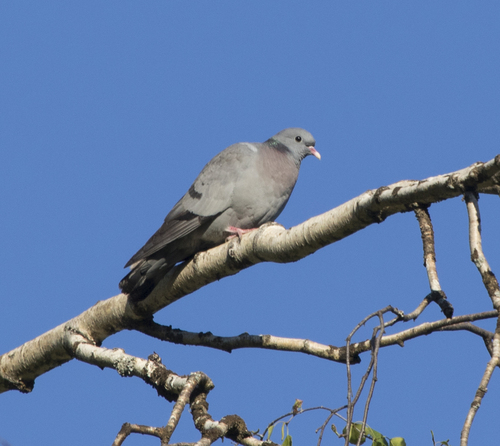
ヒメモリバト (Columba oenas) ヒメモリバト
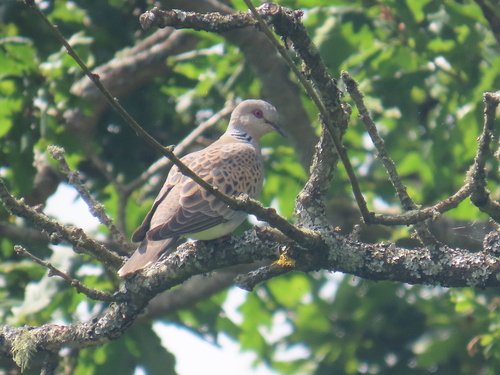
コキジバト (Streptopelia turtur) コキジバト

メディア

読み込み中…

要点

コキジバトとヒメモリバトを区別するための最も信頼できるフィールドマークは、飛行中の翼と尾のパターンです:ヒメモリバトは不完全で短い暗いバーがある均一な灰色の上翼を示し、平坦な灰色の尾を持っていますが、コキジバトは強く斑点のあるシナモンブラウンの翼、暗い中心と白い縁を持つくさび形の尾、そして成鳥には目立つ黒と白の首のパッチがあります。幼鳥のヒメモリバトは虹色の首のパッチが欠けていますが、依然として平坦な灰色の上面と不完全な翼バーを示し、幼鳥のコキジバトは全体的に茶色く、首のパッチが欠けていますが、特徴的な尾のパターンを保持しています。構造的な違いも役立ちます:ヒメモリバトはより大きくて丸みを帯びており、尾が短く、より鳩のような外見を持っていますが、コキジバトは明らかに小さく、より細身で、長い尾を持っています。声、 habitat、行動も役立ちますが、フィールドでの自信のある区別のためには、翼と尾のパターン、全体的な構造に焦点を当ててください。

識別のコツ

  1. Upperwing in flight (all ages): ヒメモリバトはカバーに短く不完全な暗いバーが2本だけある平坦な青灰色の上翼を示します;コキジバトはシナモンブラウンの上翼を持ち、重い黒の斑点があり、平坦な灰色のパネルはありません。
  2. Tail pattern (all ages, especially in flight): ヒメモリバトは広い暗灰色の尾先と平坦な灰色の尾を持っています;コキジバトは暗い中心と鮮明な白い縁と先端を持つくさび形の尾を持ち、後ろからまたは尾が広げられたときに非常に目立ちます。
  3. Rump color: ヒメモリバトの尾は平坦な灰色で背中と混ざります;コキジバトの尾は青灰色ですが、尾のパターンほど目立ちません。
  4. Neck patch (adults only): 成鳥のヒメモリバトは首の側に緑または紫の虹色のパッチを持っています;成鳥のコキジバトは大胆な黒と白のストライプのパッチを持っています。両種の幼鳥はこれらのパッチが欠けているため、若い鳥のためにこのマークに頼らないでください。
  5. Breast and underparts: ヒメモリバトはわずかにピンクがかった紫の胸と灰色の腹部を持っています;コキジバトはワインレッドの胸と白い尾の下のカバーを持ち、尾が上がると目立つことがあります。
  6. Bill and eye color: ヒメモリバトは黄色い先端を持つピンクのくちばしと暗い目を持っています;コキジバトは黒いくちばし、赤い目のリング、赤い脚(幼鳥は茶色)を持っています。
  7. Size and structure: ヒメモリバトは明らかに大きく、ずっしりとしており、丸みを帯びており、尾が短く、より鳩のような外見を持っています;コキジバトは小さく、細身で、長い尾を持ち、より繊細な外見を持っています。
  8. Flight style: ヒメモリバトの飛行は速く、規則的で直接的で、時折鋭い翼のひねりがあり、ディスプレイ中に翼をひねる傾向があります;コキジバトの飛行は矢のようですが、特に速くはなく、遠くでフラッシュする可能性が高いです。
  9. Perching and display: ヒメモリバトはしばしば直立して止まり、ディスプレイ中に膨らんだ首で枝を歩きます;コキジバトはより秘密主義で、オープンにディスプレイする可能性が低いです。
  10. Habitat context: ヒメモリバトは散在する木や農地のある開けた国にいる可能性が高く、しばしば古い木や公園の近くにいます;コキジバトは開けた森林、ヘッジ、日当たりの良いエッジを好み、密な森林や深いカバーではめったに見られません。
  11. Voice: ヒメモリバトの鳴き声は短く、深い、うなり声の「Ooo-uu-ooh」です;コキジバトの歌は柔らかく、うなり声のトリルです。うなり声が聞こえたら、それはヒメモリバトです;優しいうなり声が聞こえたら、それはコキジバトです。
  12. Seasonal context: コキジバトはほとんどのヨーロッパで夏の訪問者で、主に4月下旬から9月まで存在します;ヒメモリバトは居住者または地域的に移動するため、冬の目撃はほぼ確実にヒメモリバトです。
  13. Juvenile pitfalls: 幼鳥のヒメモリバトは首のパッチが欠けていますが、依然として不完全な翼バーを持つ平坦な灰色です;幼鳥のコキジバトは全体的に茶色く、茶色の脚を持ち、成鳥と同じくさび形の尾のパターンを持っています。
  14. Common confusion: ヒメモリバトの不完全で短い翼バーをカワラバト/野生の鳩の完全な長さの太いバーと混同しないでください;コキジバトの翼のパターンはどちらよりもずっと暖かく、よりパターン化されています。
  15. When in doubt: 飛行中の尾のパターンに焦点を当ててください—ヒメモリバトは決して白い縁や先端を示さず、コキジバトは常に示します。鳥が止まっている場合は、全体の体重(ヒメモリバト)と細さと長い尾(コキジバト)を比較し、鳥が成鳥であれば首のパッチを確認してください。

大きさ

ヒメモリバトはコキジバトよりもかなり大きく、重いです。ヒメモリバトは28–34 cmの長さで、翼幅は60–66 cm、オスは303–365 g(メスは286–290 g)[wikipedia]で、頑丈で中型の鳩です。対照的に、コキジバトは小さく、より細身で、長さは26–28 cm、翼幅は47–53 cm、典型的な質量は100–156 g [wikidata]です。フィールドでは、ヒメモリバトは明らかにずっしりとしており、より固く見えますが、コキジバトはより優雅で繊細で、体に対して尾が長いです。

羽色

行動

ヒメモリバトは通常、直立して止まり、ディスプレイ中に枝を歩き、安定した規則的な飛行と時折鋭い翼のひねりを持っています。彼の求愛ディスプレイには、膨らんだ首、下げた翼、扇状の尾で歩くことが含まれ、春には、鞭のように翼をひねりながら円を描きます。コキジバトはより臆病で、開けた森林で地面で餌を食べることを好み、密なカバーに入ることはめったにありません。彼の飛行は矢のように説明されますが、特に速くはなく、求愛の飛行は高くて円を描きます。コキジバトは一般的により秘密主義で、特に狩猟圧のある地域では長時間オープンに見られる可能性が低いです。

生息環境

ヒメモリバトは西パレアクティックに広く分布し、西部および南部地域に居住することが多く、散在する木、農地、公園のある開けた国を好みます。彼はしばしば空洞の木や古いキツツキの穴に巣を作ります。コキジバトは南西パレアクティック、北アフリカを含む地域で繁殖し、サハラの南で冬を越す長距離移動者です。彼は開けた森林、エッジ、ヘッジを好み、密な森林ではめったに見られません。コキジバトは開けた、日当たりの良い生息地で見られる可能性が高く、非常に臆病で、遠くでフラッシュすることがよくあります。

声

ヒメモリバトは短く、深い、うなり声の「Ooo-uu-ooh」を発し、非常に独特で、他の鳩の調整された、引き延ばされたクーイングがありません。コキジバトの声はここでは詳細に説明されていませんが、有名に悲しげで柔らかいです;ヒメモリバトのうなり声とは似ていません。深く短いうなり声が聞こえたら、それはヒメモリバトです;コキジバトは優しい、うなり声の歌を発することが多いです。

より良い説明を送る

比較と同じ項目を使ってください。文章はすぐに公開されます。

The most reliable field mark for separating Stock Dove from European Turtle Dove is the wing and tail pattern in flight: Stock Dove shows a uniform grey upperwing with incomplete, short dark bars and a plain grey rump, while European Turtle Dove has strongly mottled cinnamon-brown wings, a wedge-shaped tail with a dark center and white edges, and a conspicuous black-and-white neck patch in adults. Juvenile Stock Doves lack the iridescent neck patch, but still show the plain grey upperparts and incomplete wingbars, while juvenile Turtle Doves are browner overall and lack the neck patch but retain the distinctive tail pattern. Structural differences are also useful: Stock Dove is bulkier and rounder, with a shorter tail and a more pigeon-like jizz, while Turtle Dove is noticeably smaller, more slender, and long-tailed. Voice, habitat, and behavior can help, but focus on the wing and tail pattern and overall structure for confident separation in the field.

  1. Upperwing in flight (all ages): Stock Dove shows plain blue-grey upperwings with only two short, incomplete dark bars on the coverts; Turtle Dove has cinnamon-brown upperwings with heavy black mottling and no plain grey panel.
  2. Tail pattern (all ages, especially in flight): Stock Dove has a broad dark grey tail tip and a plain grey rump; Turtle Dove has a wedge-shaped tail with a dark center and crisp white edges and tips, highly visible from behind or when the tail is spread.
  3. Rump color: Stock Dove's rump is plain grey and blends with the back; Turtle Dove's rump is blue-grey but less distinctive than the tail pattern.
  4. Neck patch (adults only): Adult Stock Dove has a green or purple iridescent patch on the side of the neck; adult Turtle Dove has a bold black-and-white striped patch. Juveniles of both species lack these patches, so do not rely on this mark for young birds.
  5. Breast and underparts: Stock Dove has a lightly pinkish-purple suffused breast and grey underparts; Turtle Dove has a vinaceous (wine-red) breast and white undertail coverts, which can be conspicuous when the tail is raised.
  6. Bill and eye color: Stock Dove has a pink bill with a yellow tip and dark eyes; Turtle Dove has a black bill, red eye rings, and red legs (brown in juveniles).
  7. Size and structure: Stock Dove is noticeably larger, bulkier, and rounder, with a short tail and a more pigeon-like jizz; Turtle Dove is smaller, slender, and long-tailed, with a more delicate appearance.
  8. Flight style: Stock Dove's flight is quick, regular, and direct, with occasional sharp wing flicks and a tendency to circle with wing cracks during display; Turtle Dove's flight is arrow-like but not especially fast, and it is more likely to flush at a distance.
  9. Perching and display: Stock Dove often perches upright and walks along branches with a swollen neck during display; Turtle Dove is more secretive and less likely to display openly.
  10. Habitat context: Stock Dove is more likely in open country with scattered trees or farmland, often near old trees or parkland; Turtle Dove prefers open woodlands, hedgerows, and sunny edges, and is rarely seen in dense forests or deep cover.
  11. Voice: Stock Dove's call is a short, deep, grunting "Ooo-uu-ooh"; Turtle Dove's song is a soft, purring trill. If you hear a grunt, it's Stock Dove; if you hear a gentle purr, it's Turtle Dove.
  12. Seasonal context: Turtle Dove is a summer visitor in most of Europe, present mainly from late April to September; Stock Dove is resident or only locally migratory, so a winter sighting is almost certainly Stock Dove.
  13. Juvenile pitfalls: Juvenile Stock Dove lacks the neck patch but is still plain grey above with incomplete wing bars; juvenile Turtle Dove is browner, with brown legs and the same wedge-shaped tail pattern as adults.
  14. Common confusion: Do not confuse the incomplete, short wing bars of Stock Dove with the full-length, bold bars of Rock Dove/Feral Pigeon; Turtle Dove's wing pattern is much warmer and more patterned than either.
  15. When in doubt: Focus on the tail pattern in flight—Stock Dove never shows white edges/tips, while Turtle Dove always does. If the bird is perched, look for overall bulk (Stock Dove) versus slenderness and long tail (Turtle Dove), and check for the neck patch if the bird is an adult.

Stock Dove is substantially larger and heavier than European Turtle Dove. Stock Dove measures 28–34 cm in length with a wingspan of 60–66 cm and males weighing 303–365 g (females 286–290 g) [wikipedia], making it a robust, medium-sized pigeon. In contrast, European Turtle Dove is smaller and more slender, at 26–28 cm in length, wingspan 47–53 cm, and a typical mass of 100–156 g [wikidata]. In the field, the Stock Dove appears noticeably bulkier and more solid, while Turtle Dove is daintier and more delicate, with a longer tail relative to its body.

  • Juvenile/immature birds: Juvenile Stock Doves are plain blue-grey above with incomplete, short dark bars on the wing coverts and a grey rump; they lack the iridescent neck patch of adults. Juvenile Turtle Doves are browner and duller overall, with brown legs and no neck patch, but they retain the distinctive wedge-shaped tail with white edges and tips, and mottled cinnamon-brown upperwings with black markings.

  • Adults: Adult Stock Dove is blue-grey overall with a lightly pinkish-purple breast, two short dark bars on the wing coverts (not full-length), a broad dark grey tail tip, and a green/purple iridescent patch on the neck (missing in juveniles). The rump is plain grey, and the underwing is dark grey. Adult Turtle Dove has a blue-grey head, neck, flanks, and rump, a vinaceous breast, white undertail coverts, and cinnamon-brown, black-mottled wings. The black-and-white striped neck patch is diagnostic for adults. The tail is wedge-shaped with a dark center and white borders/tips, highly visible in flight and when the tail is spread. The underwing is not described as contrasting, but the undertail pattern is striking when the bird is in flight or raising its tail.

  • In flight: Stock Dove shows a uniform grey upperwing with a dark trailing edge and no white rump; Turtle Dove shows warm, patterned upperwings and a striking tail pattern with white edges and tips.

Stock Dove typically perches upright and walks along branches during display, with a steady, regular flight and occasional sharp wing flicks. Its nuptial display includes walking with a swollen neck, lowered wings, and fanned tail, and in spring, it circles with wings cracking like a whip. Turtle Dove is more timid and prefers to feed on the ground in open woodlands, rarely venturing into dense cover. Its flight is described as arrow-like but not particularly fast, and its nuptial flight is high and circling. Turtle Dove is generally more secretive and less likely to be seen in the open for long periods, especially in areas with hunting pressure.

Stock Dove is widely distributed in the western Palearctic, often resident in western and southern regions, and favors open country with scattered trees, farmland, and parkland. It often nests in hollow trees or old woodpecker holes. Turtle Dove breeds in the south-western Palearctic, including North Africa, and is a long-distance migrant wintering south of the Sahara. It prefers open woodlands, edges, and hedgerows, and is rarely found in dense forests. Turtle Dove is much more likely to be found in open, sunny habitats and is extremely timid, often flushing at a distance.

Stock Dove gives a short, deep, grunting "Ooo-uu-ooh" call, which is quite distinct and lacks the modulated, drawn-out cooing of other pigeons. Turtle Dove's voice is not described in detail here, but is famously mournful and soft; it is not similar to the Stock Dove's grunting call. If you hear a deep, short grunt, it is Stock Dove; Turtle Dove is more likely to be heard giving a gentle, purring song.

変更を破棄しますか?

保存していない編集があります。今離れると失われます。

ヒメモリバト · コキジバト · 苦手な鳥