

Motmot

ヘラシギ 対 ハシブトアメリカムシクイ

Calidris pygmaea 対 Geothlypis poliocephala

ヘラシギとハシブトアメリカムシクイのクイズ
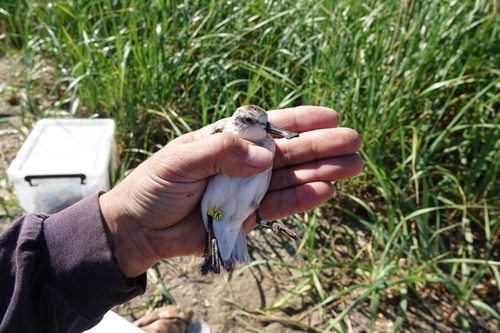
ヘラシギ (Calidris pygmaea) ヘラシギ
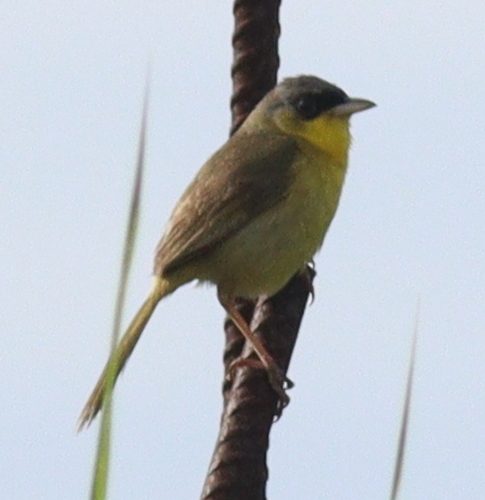
ハシブトアメリカムシクイ (Geothlypis poliocephala) ハシブトアメリカムシクイ

メディア

読み込み中…

要点

ヘラシギとハシブトアメリカムシクイを区別する最も信頼できる方法は、くちばしの形です:ヘラシギのくちばしは先端が独特のスプーン状であり、ハシブトアメリカムシクイは頑丈でわずかに曲がったウグイスのくちばしを持っています。飛んでいるときも休んでいるときも、ヘラシギは黒い脚と白い腹を持つコンパクトで短い脚の shorebird であり、ハシブトアメリカムシクイはオリーブと灰色のトーンを持つ長い尾の黄色い腹の歌鳥です。両者は長さが似ていますが、構造、生息地、行動は完全に異なります。スプーン状のくちばしで干潟を探る鳥を見たら、それはヘラシギです;草原や低木の中で強い黄色の喉と暗い頭を持つ鳥を見たら、それはハシブトアメリカムシクイです。

識別のコツ

  1. くちばしの形は診断的:ヘラシギはすべての年齢と季節で広く平らなスプーン状のくちばしの先端を持っています;ハシブトアメリカムシクイは頑丈でわずかに曲がった尖ったウグイスのくちばしを持っています。スプーン状のくちばしを見たら、それは常にヘラシギです。
  2. 脚の色と長さ:ヘラシギは短い黒い脚を持っています;ハシブトアメリカムシクイは体のサイズに対して相対的に長い暗い茶色の脚を持っていますが、ヘラシギほど明白ではありません。
  3. 尾の形と長さ:ヘラシギは短くまっすぐな尾を持っています;ハシブトアメリカムシクイは長く段階的な尾を持ち、しばしば傾けたり振ったりします。
  4. 体の構造:ヘラシギは小型の shorebird に典型的なコンパクトでしゃがんだ姿勢を持っています;ハシブトアメリカムシクイはより細長く、直立しており、植生に止まります。
  5. 羽毛(繁殖成鳥):ヘラシギは暗い筋模様のある赤褐色の頭と胸、黒っぽい上面にルフス/バフの縁取り、白い腹を持っています;ハシブトアメリカムシクイのオスは灰色の冠、黒い頬、白い目の三日月、オリーブ灰色の上面、黄色い腹を持っています。
  6. 羽毛(非繁殖成鳥):ヘラシギは常に白い腹を持ちながら、上面は淡い茶色がかった灰色になります;ハシブトアメリカムシクイは下が黄色で上がオリーブ/灰色のままです。
  7. 顔の模様:ヘラシギは暗い筋模様のあるシンプルな顔を持っています;ハシブトアメリカムシクイのオスは対照的な灰色の冠、黒い頬、白い目の三日月を持ち、ヘラシギでは見られません。
  8. 幼鳥/未熟な個体の区別:どちらの種についても詳細な上翼の模様は記載されていませんが、ヘラシギのくちばしはすべての年齢で診断的です。
  9. 生息地:ヘラシギは常に干潟、河口、または潮間帯にいます;ハシブトアメリカムシクイは草原、湿地、または低木のある野原におり、開けた泥の上には決していません。
  10. 行動:ヘラシギは泥をスイープする動きで探ります;ハシブトアメリカムシクイは植生の中を移動し、止まったり尾を振ったりします。
  11. 飛行:ヘラシギの飛行は水や泥の上を直接的で低いです;ハシブトアメリカムシクイの飛行は短く、跳ねるようで、通常は植生の間を移動します。
  12. 声:ヘラシギはシンプルで静かな呼び声と、ディスプレイ時のブザー音のトリルを出します;ハシブトアメリカムシクイはおそらくより複雑なウグイスの歌を歌います(ここでは記載されていません)。
  13. 性差:ハシブトアメリカムシクイのオスは大胆な顔の模様を持っています;メスはより地味ですが、依然として黄色い腹とオリーブ/灰色の上面を示します。ヘラシギは性差がほとんどありません。
  14. 季節的文脈:冬に東南アジアの潮間帯にいる場合は、ヘラシギを探してください;中央アメリカの草原や湿地にいる場合は、ハシブトアメリカムシクイを期待してください。
  15. 一般的な落とし穴:ハシブトアメリカムシクイの黄色い腹をヘラシギの白い腹と混同しないでください;ヘラシギの独特のくちばしを見逃さないでください。これはどのウグイスとも一致しません。

大きさ

両種は約14〜16 cmの長さです([wikipedia])、しかしヘラシギは短い尾と黒い脚を持つ小型でコンパクトな水鳥であり、ハシブトアメリカムシクイはやや重い体を持つ長い尾のウグイス(13〜16 g)で、暗い茶色の脚とより直立した姿勢を持っています。ヘラシギの比率は小型の shorebird に典型的であり、ハシブトアメリカムシクイはより細長く、直立して止まります。

羽色

どちらの種についても年齢特有の上翼の模様は記載されていないため、区別は体と頭の羽毛に依存します。ヘラシギ(繁殖成鳥)は暗い筋模様のある赤褐色の頭、首、胸、ルフスとバフの縁取りのある黒っぽい上面、白い腹を示します;非繁殖成鳥は常に白い腹を持ちながら、上面は淡い茶色がかった灰色になります。すべての年齢で最も特徴的な特徴は、広く平らなくちばしの先端です。ハシブトアメリカムシクイのオスは灰色の冠、黒い頬、白い目の三日月、黄色い喉、胸、尾の下覆い、灰色のオリーブ茶色の上面を持っています。メスはより地味で、灰色の頬とコントラストが少ないです。両性ともに黄色い腹とオリーブ/灰色の上面を持ち、ルフスや黒っぽい上面は欠けています。ハシブトアメリカムシクイの顔の模様(灰色の冠、黒い頬、白い三日月)はウグイスの中でユニークですが、ヘラシギのシンプルな顔には決して似ていません。幼鳥/未熟な羽毛はどちらの種についても詳細には記載されていませんが、ヘラシギのスプーン状のくちばしはすべての年齢で存在します。

行動

ヘラシギは通常、沿岸の干潟で独特のくちばしを使って探餌しているのが見られ、小さな群れまたは単独で、しゃがんだ迅速な採餌動作を示します。飛行中はコンパクトで直接的です。ハシブトアメリカムシクイは陸生の歌鳥で、通常は草原、湿地の端、または低木のある野原でペアまたは小さな群れで見られ、植生の中を短い飛行で移動し、頻繁に止まります。泥を探ることや水に浸かることはありません。

生息環境

ヘラシギは厳密に沿岸の干潟と河口の専門家であり、ベーリング海近くの北極ツンドラで繁殖し、東南アジアの潮間帯で越冬します。ハシブトアメリカムシクイはメキシコからパナマまでの草原、湿地、低木のある地域の陸生ウグイスであり、開けた干潟やビーチでは決して見られません。潮間帯から離れた湿地や草原にいる場合は、ハシブトアメリカムシクイを見る可能性がはるかに高いです。

声

ヘラシギは静かな「プリー」または鋭い「ウィーアー」という呼び声を出し、オスのディスプレイソングはブザー音の降下トリル(「プリール-プル-プル」)です。ハシブトアメリカムシクイの声はここでは記載されていませんが、ウグイスとして、ヘラシギのシンプルな呼び声よりも音楽的で多様である可能性があります。泥の上を飛ぶ鳥からブザー音のトリルが聞こえたら、ヘラシギを考慮してください。

より良い説明を送る

比較と同じ項目を使ってください。文章はすぐに公開されます。

The most reliable way to separate Spoon-billed Sandpiper from Grey-crowned Yellowthroat is by bill shape: the sandpiper’s bill is uniquely spatulate at the tip, while the yellowthroat has a stout, slightly curved warbler bill. In flight or at rest, Spoon-billed Sandpiper is a compact, short-legged shorebird with black legs and a white belly, whereas Grey-crowned Yellowthroat is a longer-tailed, yellow-bellied songbird with olive and gray tones. Both are similar in length, but their structure, habitat, and behavior are completely different. If you see a bird probing mudflats with a spoon-shaped bill, it is the sandpiper; if you see a bird flitting in grasslands or shrubs with a strong yellow throat and a dark-capped head, it is the yellowthroat.

  1. Bill shape is diagnostic: Spoon-billed Sandpiper has a broad, flat, spoon-shaped bill tip at all ages and seasons; Grey-crowned Yellowthroat has a stout, slightly curved, pointed warbler bill. If you see a spatulate bill, it is always the sandpiper.
  2. Leg color and length: Spoon-billed Sandpiper has short, black legs; Grey-crowned Yellowthroat has dark brownish legs that are proportionally longer relative to body size, but not as obvious as the sandpiper’s.
  3. Tail shape and length: The sandpiper has a short, straight tail; the yellowthroat has a long, graduated tail often cocked or flicked.
  4. Body structure: Spoon-billed Sandpiper is compact and crouched, typical of small shorebirds; Grey-crowned Yellowthroat is more elongated, upright, and perches in vegetation.
  5. Plumage (breeding adult): Spoon-billed Sandpiper has a red-brown head and breast with dark streaks, blackish upperparts with rufous/buff fringes, and white underparts; Grey-crowned Yellowthroat males have a gray crown, black lores, white eye crescents, olive-gray upperparts, and yellow underparts.
  6. Plumage (non-breeding adult): Spoon-billed Sandpiper becomes pale brownish-gray above with whitish fringing, but always has a white belly and the spatulate bill; yellowthroat remains yellow below and olive/gray above.
  7. Face pattern: Spoon-billed Sandpiper has a plain face with dark streaks; Grey-crowned Yellowthroat males have a contrasting gray crown, black lores, and white eye crescents, never seen in sandpipers.
  8. Juvenile/immature separation: No detailed upperwing pattern is described for either, but the sandpiper’s bill remains diagnostic at all ages.
  9. Habitat: Sandpiper is always on mudflats, estuaries, or tidal areas; yellowthroat is in grasslands, marshes, or shrubby fields, never on open mud.
  10. Behavior: Sandpiper probes mud with a sweeping motion; yellowthroat moves through vegetation, perching and flicking its tail.
  11. Flight: Sandpiper’s flight is direct and low over water or mud; yellowthroat’s flight is short, bounding, and usually between vegetation.
  12. Voice: Sandpiper gives simple, quiet calls and a buzzing trill in display; yellowthroat likely sings a more complex warbler song (not described here).
  13. Sexual dimorphism: Yellowthroat males have bold face patterns; females are duller but still show yellow underparts and olive/gray upperparts. Sandpiper shows little sexual dimorphism.
  14. Seasonal context: If in Southeast Asia on a tidal flat in winter, look for Spoon-billed Sandpiper; if in Central America in grassland or marsh, expect Grey-crowned Yellowthroat.
  15. Common pitfalls: Do not confuse the yellowthroat’s yellow underparts for a sandpiper’s white belly; do not overlook the sandpiper’s unique bill, which is never matched by any warbler.

Both species are about 14–16 cm long ([wikipedia]), but Spoon-billed Sandpiper is a small, compact wader with a short tail and black legs, while Grey-crowned Yellowthroat is a slightly heavier-bodied, longer-tailed warbler (13–16 g) with dark brownish legs and a more upright posture. The sandpiper’s proportions are typical of a small shorebird, whereas the yellowthroat is more elongated and perches upright.

No age-specific upperwing pattern is described for either species, so separation relies on body and head plumage. Spoon-billed Sandpiper (adult breeding) shows a reddish-brown head, neck, and breast with dark streaks, blackish upperparts with buff and rufous fringes, and a white belly; non-breeding adults are pale brownish-gray above with whitish fringing, always with white underparts. The most distinctive feature at all ages is the broad, flat bill tip. Grey-crowned Yellowthroat males have an olive-gray head with a gray crown, black lores, and white eye crescents, with yellow throat, breast, and undertail coverts, and grayish olive-brown upperparts. Females are duller, with grayish lores and less contrast. Both sexes have yellow underparts and olive/gray upperparts, lacking any rufous or blackish upperparts. The yellowthroat’s face pattern (gray crown, black lores, white crescents) is unique among warblers but never resembles a sandpiper’s plain face. Juvenile/immature plumages are not described in detail for either species, but the sandpiper’s spatulate bill is present at all ages.

Spoon-billed Sandpiper is typically seen foraging on coastal mudflats, probing with its unique bill, often in small groups or singly, and shows a crouched, rapid feeding motion. In flight, it is compact and direct. Grey-crowned Yellowthroat is a terrestrial songbird, usually found in pairs or small groups in grasslands, marsh edges, or shrubby fields, moving through vegetation with short flights and frequent perching. It does not probe mud or wade.

Spoon-billed Sandpiper is strictly a coastal mudflat and estuary specialist, breeding in Arctic tundra near the Bering Sea and wintering on Southeast Asian tidal flats. Grey-crowned Yellowthroat is a terrestrial warbler of grasslands, marshes, and shrubby areas from Mexico to Panama, never found on open mudflats or beaches. If you are in a wetland or grassy field away from tidal flats, you are far more likely to see a yellowthroat.

Spoon-billed Sandpiper gives quiet 'preep' or shrill 'wheer' calls, and the male’s display song is a buzzing, descending trill ('preer-prr-prr'). Grey-crowned Yellowthroat’s vocalizations are not described here, but as a warbler, it is likely more musical and varied than the sandpiper’s simple calls. If you hear a buzzing trill from a bird in flight over mudflats, consider Spoon-billed Sandpiper.

変更を破棄しますか?

保存していない編集があります。今離れると失われます。

ヘラシギ · ハシブトアメリカムシクイ · 苦手な鳥