

Motmot

ミナミノドジロムシクイ 対 オナガムシクイ

Curruca conspicillata 対 Curruca undata

ミナミノドジロムシクイとオナガムシクイのクイズ
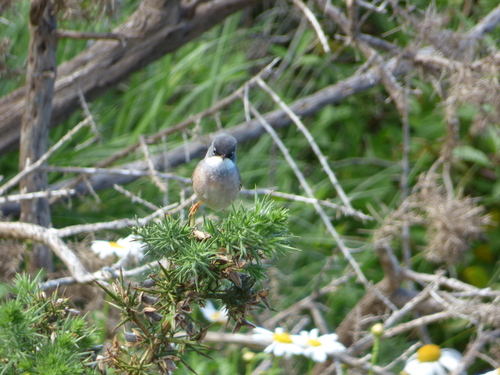
ミナミノドジロムシクイ (Curruca conspicillata) ミナミノドジロムシクイ
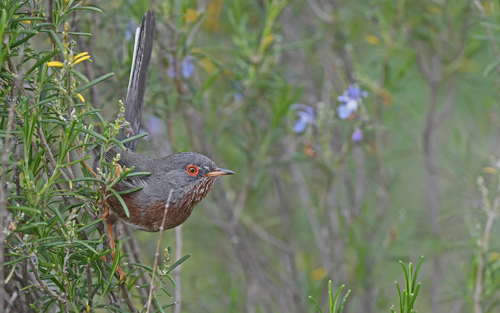
オナガムシクイ (Curruca undata) オナガムシクイ

メディア

読み込み中…

要点

ミナミノドジロムシクイとオナガムシクイの最も信頼できるフィールドマークは、特に成鳥のオスに見られるミナミノドジロムシクイの太い白いアイリングの存在であり、オナガムシクイの赤い目と強いアイリングの欠如と対照的です。オナガムシクイは全体的に明らかに尾が長く、暗い色合いで、赤みがかった腹部と斑点のある喉を持っていますが、ミナミノドジロムシクイは下側がより淡く、バフ色で、白い喉と栗色の翼の斑点があります。未熟なミナミノドジロムシクイは非常に厄介で、成鳥の強い頭の模様が欠けており、雌または幼鳥のオナガムシクイに非常に似ていることがありますが、尾の長さと目の色は役立ちます。両種は南西ヨーロッパと北西アフリカで分布が重なっているため、これらの詳細に注意を払う必要があります。

識別のコツ

  1. 白いアイリング (ミナミノドジロムシクイ): 成鳥のミナミノドジロムシクイのオスは、太くてきれいな白いアイリングを示し、これは最も良いマークです。雌や未熟な個体は淡いアイリングを持つことがありますが、オスほど強くはありません。
  2. 赤い目 (オナガムシクイ): オナガムシクイ(両性および年齢)は赤い目を持ち、強い白いアイリングがないため、ミナミノドジロムシクイの淡いまたは白いリングと対照的です。
  3. 尾の長さ: オナガムシクイは明らかに長くて細い尾を持ち、しばしば傾けて保持します。ミナミノドジロムシクイの尾は短く、目立たないです。これは特に飛行中や直立して止まっているときに顕著です。
  4. 頭の色 (成鳥のオス): ミナミノドジロムシクイのオスは灰色の頭を持ち、オナガのオスは灰褐色または青灰色の頭と背中を持っています。両種の雌はより茶色ですが、オナガは常に上面が暗いです。
  5. 喉の模様: ミナミノドジロムシクイはきれいな白い喉を持ち(特にオス)、オナガムシクイは赤みがかった喉に白い斑点(オス)または淡い、斑点の少ない喉(雌)を持っています。
  6. 腹部の色: オナガムシクイは鈍い赤褐色の腹部を持ち、汚れた白い腹部の斑点があります。ミナミノドジロムシクイはバフ色の腹部を持ち、オナガほど豊かに赤くはありません。
  7. 翼の斑点: ミナミノドジロムシクイは栗色の翼の斑点を示し、近距離で見ることができます。オナガムシクイの翼はより均一に muted で、栗色がありません。
  8. 幼鳥の混乱: 未熟なミナミノドジロムシクイは成鳥の灰色の頭と強いアイリングが欠けており、オナガムシクイの幼鳥に非常に似ています。この場合、尾の長さと目の色が最良の手がかりです。
  9. 羽毛のコントラスト: ミナミノドジロムシクイは一般的により淡く、コントラストが強いですが、オナガはより暗く、鈍く、環境に溶け込んでいます。
  10. 行動: オナガムシクイはより隠れがちで、しばしば長い尾を振ります。ミナミノドジロムシクイはより高く止まって自分を見せる可能性があります。
  11. 生息地: 分布が重なる範囲では、オナガは密なヒースやゴースに好まれ、ミナミノドジロムシクイはよりオープンな低木や野原にいることが多いです。
  12. 飛行: オナガの長い尾は飛行中に明らかです。ミナミノドジロムシクイの短い尾と栗色の翼の斑点は近距離で見ることができます。
  13. 歌: ミナミノドジロムシクイの歌は高く、速いワーブルです。オナガの歌はざらざらしていて、よりガラガラしていますが、これは微妙で分離のために常に信頼できるわけではありません。
  14. 性差: オナガムシクイはより強い性的二形性を示し、オスはより暗く、赤みがかっています。ミナミノドジロムシクイの性別はより似ており、オスだけが完全な灰色の頭と強いアイリングを示します。
  15. 落とし穴: 未熟なミナミノドジロムシクイには注意が必要で、特に雌はオナガムシクイに非常に似ていることがあります。この場合、尾の長さ、目の色、および生息地の文脈に依存してください。

大きさ

オナガムシクイはわずかに大きく、全長約13 cmで、特に長くて細い尾が特徴的で、ミナミノドジロムシクイよりも相対的に長いです。ミナミノドジロムシクイは非常に小さなムシクイで、ノドジロムシクイとトリストラムムシクイの間のサイズですが、常にオナガよりも短い尾を持っています。両種は小さくて細いですが、オナガの長い尾とややがっしりした構造は、止まっているときや飛行中に明らかです。[wikipedia]

羽色

行動

オナガムシクイはしばしば長い尾を傾けて止まり、低い低木の中を隠れるように動きます。ヒースランドやゴースの上を低く飛ぶ姿が見られ、しばしば弱く、ひらひらした飛行と頻繁な尾の振りが見られます。ミナミノドジロムシクイも低い植生の中で活発ですが、隠れがちではなく、オープンな視界で止まる可能性が高いです。両種は昆虫食性で、似たような方法で餌を探しますが、オナガの長い尾とより秘密主義的な行動は特徴的です。

生息環境

両種は南西ヨーロッパと北西アフリカに生息していますが、オナガムシクイは乾燥したヒースランド、ゴース、低木により密接に関連しており、特に西ヨーロッパとイギリスで見られます。ミナミノドジロムシクイは散在する低木のある乾燥したオープンな生息地を好み、沿岸の低木、休耕地、地中海のマキに生息しています。分布が重なる場所では、オナガは密で成熟したヒースやゴースにいる可能性が高く、ミナミノドジロムシクイはよりまばらで低い植生やオープンな場所にいることが多いです。

声

ミナミノドジロムシクイの歌は速く、高音のワーブルで、小さなムシクイに典型的ですが、特に特徴的ではありません。オナガムシクイの歌はメモに記載されていませんが、一般的にはざらざらしたガラガラしたワーブルです。フィールドでは、音声は経験がないと診断できないことがあります。両方とも高音で速いですが、ミナミノドジロムシクイの方が高く、より音楽的で、オナガの方が粗く、よりガラガラしています。

より良い説明を送る

比較と同じ項目を使ってください。文章はすぐに公開されます。

The most reliable field mark between Spectacled Warbler and Dartford Warbler is the presence of a bold white eye-ring on Spectacled Warbler, especially in adult males, versus the Dartford Warbler’s red eye and lack of a strong eye-ring. Dartford Warbler is also noticeably longer-tailed and darker overall, with reddish underparts and a spotted throat, while Spectacled Warbler is paler and more buff below with a white throat and chestnut wing patches. Immature Spectacled Warblers can be very tricky, as they lack the adult's strong head pattern and may closely resemble female or juvenile Dartford Warblers, but the tail length and eye color remain helpful. Both species overlap in range in southwestern Europe and northwest Africa, so careful attention to these details is needed.

  1. White eye-ring (Spectacled Warbler): Adult Spectacled Warbler males show a bold, clean white eye-ring, which is the single best mark. Females and immatures may have a faint pale eye-ring, but never as strong as in males.
  2. Red eye (Dartford Warbler): Dartford Warbler (both sexes and ages) has a red eye and no strong white eye-ring, which contrasts with Spectacled’s pale or white ring.
  3. Tail length: Dartford Warbler has a distinctly long, thin tail, often held cocked; Spectacled Warbler’s tail is shorter and less prominent. This is especially noticeable in flight or when perched upright.
  4. Head color (adult males): Spectacled Warbler males have a grey head, while Dartford males have a grey-brown or bluish-grey head and back. Females of both species are browner, but Dartford is always darker above.
  5. Throat pattern: Spectacled Warbler has a clean white throat (especially in males), while Dartford Warbler has a reddish throat with white spots (males) or a paler, less spotted throat (females).
  6. Underparts color: Dartford Warbler is dull reddish-brown below with a dirty white belly patch; Spectacled Warbler is buff below, never as richly reddish as Dartford.
  7. Wing patches: Spectacled Warbler shows chestnut wing patches, which can be visible at close range; Dartford Warbler’s wings are more uniformly muted and lack chestnut.
  8. Juvenile confusion: Immature Spectacled Warblers lack the adult’s grey head and strong eye-ring, making them very similar to Dartford Warbler juveniles. In these cases, tail length and eye color are the best clues.
  9. Plumage contrast: Spectacled Warbler is generally paler and more contrasting, while Dartford is darker, duller, and more blended with its habitat.
  10. Behavior: Dartford Warbler is more skulking and often flicks its long tail; Spectacled Warbler is more likely to perch up and show itself.
  11. Habitat: In overlapping ranges, Dartford prefers dense heath or gorse, while Spectacled is more often in open scrub or fields.
  12. Flight: Dartford’s long tail is obvious in flight; Spectacled’s shorter tail and chestnut wing patches may be seen at close range.
  13. Song: Spectacled’s song is a high, fast warble; Dartford’s is scratchier and more rattling, but this is subtle and not always reliable for separation.
  14. Sex differences: Dartford Warbler shows stronger sexual dimorphism, with males darker and more reddish below; Spectacled Warbler’s sexes are more similar, with only males showing the full grey head and strong eye-ring.
  15. Pitfalls: Beware of immature Spectacled Warblers, which can look very like Dartford Warbler, especially females. In these cases, rely on tail length, eye color, and habitat context.

Dartford Warbler is slightly larger, measuring about 13 cm in length, and is especially distinctive for its long, thin tail, which is proportionally longer than on Spectacled Warbler. Spectacled Warbler is a very small warbler, intermediate in size between Common Whitethroat and Tristram’s Warbler, but always with a shorter tail than Dartford. Both species are small and slim, but Dartford’s longer tail and slightly bulkier structure can be apparent when perched or in flight. [wikipedia]

  • Juvenile/Immature birds: Both species can be confusing in immature plumage, as both are generally brown above and paler below. However, Dartford Warbler juveniles are more uniformly brownish-grey above and have a duller, less contrasting appearance, with a hint of reddish below and a less marked throat. Spectacled Warbler immatures are buff below and brown above, lacking the adult’s grey head and strong eye-ring, but may show a faint pale eye-ring and paler throat.

  • Adult males: Spectacled Warbler males have a grey head, bold white eye-ring, chestnut wing patches, white throat, and buff underparts. Dartford Warbler males have a grey-brown (sometimes bluish-grey) head and back, a red eye, reddish underparts, a dirty white belly patch, and a reddish throat with white spots. Dartford’s plumage is overall darker and more muted, blending into heathland habitats.

  • Adult females: Dartford Warbler females are browner above and paler below than males, with a paler, less spotted throat and a red eye. Spectacled Warbler females are similar to immatures, lacking the strong grey head and eye-ring, but still paler and with a shorter tail than Dartford.

  • In flight: No distinctive upperwing or tail pattern is described for either species, but Dartford’s long tail is obvious in flight, while Spectacled Warbler’s chestnut wing patches may be visible at close range.

Dartford Warbler often perches with its long tail cocked and moves through low shrubs with a skulking, mouse-like motion. It is more likely to be seen flitting low over heathland or gorse, often with a weak, fluttery flight and frequent tail flicking. Spectacled Warbler is also active in low vegetation but is less skulking and may be more likely to perch up in open view. Both species are insectivorous and forage in similar ways, but Dartford’s longer tail and more secretive behavior can be distinctive.

Both species occur in southwestern Europe and northwestern Africa, but Dartford Warbler is more tightly associated with dry heathland, gorse, and low scrub, especially in western Europe and the UK. Spectacled Warbler prefers dry, open habitats with scattered bushes, including coastal scrub, fallow fields, and Mediterranean maquis. Where their ranges overlap, Dartford is more likely in dense, mature heath or gorse, while Spectacled is more often in sparser, lower vegetation and open areas.

Spectacled Warbler’s song is a fast, high-pitched warble, typical of small warblers but not especially distinctive. Dartford Warbler’s song is not described in the notes, but is generally a scratchy, rattling warble. In the field, vocalizations may not be diagnostic without experience, as both are high-pitched and fast, but Spectacled’s is higher and more musical, while Dartford’s is rougher and more rattling.

変更を破棄しますか?

保存していない編集があります。今離れると失われます。

ミナミノドジロムシクイ · オナガムシクイ · 苦手な鳥