

Sterpazzola della Sardegna vs Magnanina comune
Curruca conspicillata contro Curruca undata
Fai un quiz con Sterpazzola della Sardegna e Magnanina comune
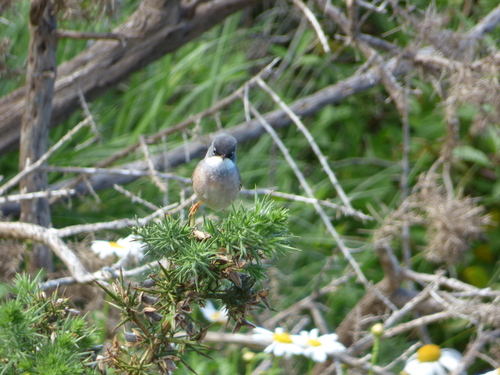 Sterpazzola della Sardegna
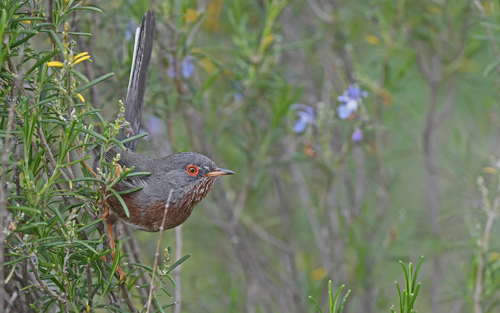 Magnanina comune
In breve
Il segno di campo più affidabile tra la Sterpazzola della Sardegna e la Magnanina comune è la presenza di un audace anello oculare bianco sulla Sterpazzola della Sardegna, specialmente nei maschi adulti, rispetto all'occhio rosso della Magnanina comune e alla mancanza di un forte anello oculare. La Magnanina comune ha anche una coda visibilmente più lunga e un aspetto complessivamente più scuro, con parti inferiori rossastre e una gola macchiata, mentre la Sterpazzola della Sardegna è più chiara e più color crema sotto, con una gola bianca e macchie alari castanee. Le Sterpazzole della Sardegna immature possono essere molto ingannevoli, poiché mancano del forte motivo della testa degli adulti e possono assomigliare da vicino a femmine o giovani Magnanine comuni, ma la lunghezza della coda e il colore degli occhi rimangono utili. Entrambe le specie si sovrappongono nell'areale nel sud-ovest dell'Europa e nel nord-ovest dell'Africa, quindi è necessaria un'attenta attenzione a questi dettagli.
Consigli di identificazione
- Anello oculare bianco (Sterpazzola della Sardegna): I maschi adulti della Sterpazzola della Sardegna mostrano un audace, pulito anello oculare bianco, che è il segno migliore. Le femmine e gli immaturi possono avere un anello oculare pallido, ma mai così forte come nei maschi.
- Occhio rosso (Magnanina comune): La Magnanina comune (entrambi i sessi e le età) ha un occhio rosso e nessun forte anello oculare bianco, che contrasta con l'anello pallido o bianco della Sterpazzola.
- Lunghezza della coda: La Magnanina comune ha una coda distintamente lunga e sottile, spesso tenuta sollevata; la coda della Sterpazzola della Sardegna è più corta e meno prominente. Questo è particolarmente evidente in volo o quando è posata in posizione eretta.
- Colore della testa (maschi adulti): I maschi della Sterpazzola della Sardegna hanno una testa grigia, mentre i maschi della Magnanina hanno una testa e un dorso grigio-bruno o grigio-bluastro. Le femmine di entrambe le specie sono più marroni, ma la Magnanina è sempre più scura sopra.
- Motivo della gola: La Sterpazzola della Sardegna ha una gola bianca pulita (specialmente nei maschi), mentre la Magnanina comune ha una gola rossastra con macchie bianche (maschi) o una gola più chiara e meno macchiata (femmine).
- Colore delle parti inferiori: La Magnanina comune è di un marrone rossastro opaco sotto con una macchia di pancia bianca sporca; la Sterpazzola della Sardegna è color crema sotto, mai così riccamente rossastra come la Magnanina.
- Macchie alari: La Sterpazzola della Sardegna mostra macchie alari castanee, che possono essere visibili a distanza ravvicinata; le ali della Magnanina comune sono più uniformemente attenuate e mancano di castano.
- Confusione giovanile: Le Sterpazzole della Sardegna immature mancano della testa grigia e del forte anello oculare degli adulti, rendendole molto simili ai giovani della Magnanina comune. In questi casi, la lunghezza della coda e il colore degli occhi sono i migliori indizi.
- Contrasto del piumaggio: La Sterpazzola della Sardegna è generalmente più chiara e più contrastante, mentre la Magnanina è più scura, più opaca e più mescolata con il suo habitat.
- Comportamento: La Magnanina comune è più schiva e spesso muove la sua lunga coda; la Sterpazzola della Sardegna è più propensa a posarsi e mostrarsi.
- Habitat: Negli areali sovrapposti, la Magnanina preferisce la brughiera densa o il gorse, mentre la Sterpazzola è più spesso in cespugli aperti o campi.
- Volo: La lunga coda della Magnanina è evidente in volo; la coda più corta della Sterpazzola e le macchie alari castanee possono essere viste a distanza ravvicinata.
- Canto: Il canto della Sterpazzola è un fruscio alto e veloce; quello della Magnanina è più graffiante e più ronzante, ma questo è sottile e non sempre affidabile per la separazione.
- Differenze sessuali: La Magnanina comune mostra un forte dimorfismo sessuale, con i maschi più scuri e più rossastri sotto; i sessi della Sterpazzola della Sardegna sono più simili, con solo i maschi che mostrano la testa grigia completa e il forte anello oculare.
- Trappole: Fai attenzione alle Sterpazzole della Sardegna immature, che possono assomigliare molto alla Magnanina comune, specialmente le femmine. In questi casi, fai affidamento sulla lunghezza della coda, sul colore degli occhi e sul contesto dell'habitat.
Taglia
La Magnanina comune è leggermente più grande, misurando circa 13 cm di lunghezza, ed è particolarmente distintiva per la sua lunga e sottile coda, che è proporzionalmente più lunga rispetto alla Sterpazzola della Sardegna. La Sterpazzola della Sardegna è un piccolo uccello, intermedio in dimensioni tra la Sterpazzola e la Magnanina di Tristram, ma sempre con una coda più corta rispetto alla Magnanina. Entrambe le specie sono piccole e snelle, ma la coda più lunga della Magnanina e la sua struttura leggermente più robusta possono essere evidenti quando sono posate o in volo. [wikipedia]
Piumaggio
-
Uccelli giovanili/immaturi: Entrambe le specie possono essere confuse nel piumaggio immaturo, poiché entrambe sono generalmente marroni sopra e più chiare sotto. Tuttavia, i giovani della Magnanina comune sono più uniformemente grigio-marroni sopra e hanno un aspetto più opaco e meno contrastante, con un accenno di rossastro sotto e una gola meno marcata. Le Sterpazzole della Sardegna immature sono color crema sotto e marroni sopra, mancando della testa grigia e del forte anello oculare degli adulti, ma possono mostrare un debole anello oculare pallido e una gola più chiara.
-
Maschi adulti: I maschi della Sterpazzola della Sardegna hanno una testa grigia, un audace anello oculare bianco, macchie alari castanee, una gola bianca e parti inferiori color crema. I maschi della Magnanina comune hanno una testa e un dorso grigio-bruno (a volte grigio-bluastro), un occhio rosso, parti inferiori rossastre, una macchia di pancia bianca sporca e una gola rossastra con macchie bianche. Il piumaggio della Magnanina è complessivamente più scuro e più attenuato, mescolandosi negli habitat di brughiera.
-
Femmine adulte: Le femmine della Magnanina comune sono più marroni sopra e più chiare sotto rispetto ai maschi, con una gola più chiara e meno macchiata e un occhio rosso. Le femmine della Sterpazzola della Sardegna sono simili agli immaturi, mancando della forte testa grigia e dell'anello oculare, ma sono comunque più chiare e con una coda più corta rispetto alla Magnanina.
-
In volo: Non è descritto alcun motivo distintivo per l'ala superiore o la coda per entrambe le specie, ma la lunga coda della Magnanina è evidente in volo, mentre le macchie alari castanee della Sterpazzola della Sardegna possono essere visibili a distanza ravvicinata.
Comportamento
La Magnanina comune spesso si posiziona con la sua lunga coda sollevata e si muove attraverso i cespugli bassi con un movimento schivo e simile a un topo. È più probabile vederla volare bassa sopra la brughiera o il gorse, spesso con un volo debole e fluttuante e frequenti movimenti della coda. La Sterpazzola della Sardegna è anche attiva nella vegetazione bassa ma è meno schiva e può essere più propensa a posarsi in vista aperta. Entrambe le specie sono insetti e si nutrono in modi simili, ma la coda più lunga della Magnanina e il suo comportamento più riservato possono essere distintivi.
Habitat
Entrambe le specie si trovano nel sud-ovest dell'Europa e nel nord-ovest dell'Africa, ma la Magnanina comune è più strettamente associata a brughiera secca, gorse e cespugli bassi, specialmente nell'Europa occidentale e nel Regno Unito. La Sterpazzola della Sardegna preferisce habitat asciutti e aperti con cespugli sparsi, inclusi cespugli costieri, campi incolti e macchia mediterranea. Dove i loro areali si sovrappongono, la Magnanina è più probabile che si trovi in brughiera densa e matura o gorse, mentre la Sterpazzola è più spesso in vegetazione più rada e bassa e in aree aperte.
Voce
Il canto della Sterpazzola della Sardegna è un fruscio veloce e acuto, tipico dei piccoli uccelli canori ma non particolarmente distintivo. Il canto della Magnanina comune non è descritto nelle note, ma è generalmente un fruscio graffiante e ronzante. Sul campo, le vocalizzazioni potrebbero non essere diagnostiche senza esperienza, poiché entrambe sono acute e veloci, ma quella della Sterpazzola è più alta e musicale, mentre quella della Magnanina è più ruvida e ronzante.
Sterpazzola della Sardegna · Magnanina comune · I miei uccelli difficili