

Motmot

ハイイロミズナギドリ 対 バローロヒメミズナギドリ

Ardenna grisea 対 Puffinus baroli

ハイイロミズナギドリとバローロヒメミズナギドリのクイズ
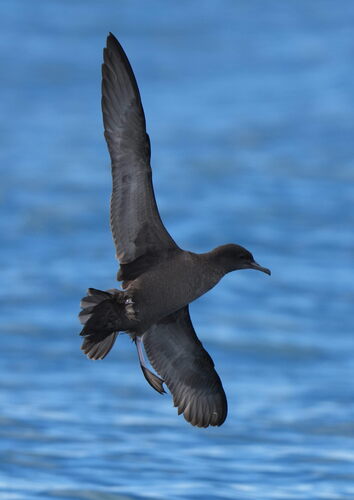
ハイイロミズナギドリ (Ardenna grisea) ハイイロミズナギドリ
バローロヒメミズナギドリ (Puffinus baroli) バローロヒメミズナギドリ

メディア

読み込み中…

要点

ハイイロミズナギドリとバローロヒメミズナギドリを区別する最も信頼できる方法は、全体のサイズと構造によるものです:ハイイロははるかに大きく、翼が長い鳥で、全体がダークチョコレートブラウンに見え、銀色のアンダーウイングストライプがあります。一方、バローロはコンパクトで、顔が淡く、対照的な銀色のアッパーウイングパネルを示します。飛行中、ハイイロの翼は長く、狭く、硬く保持されており、小型のアルバトロスを思わせる力強く、真っ直ぐな飛行をしますが、バローロの翼は短く、より丸みを帯びており、飛行はより速く、よりフラッターします。バローロの淡い顔と青い足は北大西洋のミズナギドリの中でユニークであり、ハイイロは常に暗く、淡い顔の特徴がありません。距離があっても、ハイイロのサイズと暗さは、より小さく、淡く、より模様のあるバローロと比較して通常は明確です。

識別のコツ

  1. Size is the first check: ハイイロミズナギドリはバローロよりもはるかに大きく、翼が長いです。もし鳥が大きくアルバトロスのように見えるなら、それはハイイロです。
  2. Underwing pattern: ハイイロはすべての羽衣でアンダーウイングの中央に銀色のストライプを示しますが、バローロは示しません。もし他が暗い鳥に淡いアンダーウイングストライプが見えたら、それはハイイロです。
  3. Upperwing panel: バローロは飛行中に見えるアッパーウイングに銀色のパネルがありますが、ハイイロのアッパーウイングは均一に暗いです。このコントラストを良い光の中で探してください。
  4. Facial color: バローロは淡い顔と暗い対照的な目を持っていますが、ハイイロは暗い顔で淡い部分がありません。淡い顔はハイイロを除外します。
  5. Overall color: ハイイロは全体がダークチョコレートブラウンから黒っぽいです。バローロは特に顔と腹部がはるかに淡いです。
  6. Flight style: ハイイロは硬く真っ直ぐな翼で滑空し、フラップは少なく、バローロはより頻繁にフラップし、より速く、よりフラッターする飛行と短い滑空をします。
  7. Wing shape: ハイイロの翼は長く狭いですが、バローロの翼は短くより丸みを帯びています。
  8. Feet color: バローロは近くで見ることができる青い足を持っていますが、ハイイロの足は青くありません。
  9. Bill and head shape: ハイイロはより重く、頑丈なくちばしと頭を持っていますが、バローロのくちばしは細く、頭はより繊細に見えます。
  10. Flock size: ハイイロは特に移動中に大きな群れで見られることが多いですが、バローロは単独または小さなグループで見られる可能性が高いです。
  11. Geographic context: ハイイロは太平洋と大西洋の両方で見られ、しばしば陸から遠くにいますが、バローロは北大西洋に制限され、特にマカロネシアの近くにいます。
  12. Habitat: バローロはアゾレスとカナリア諸島でのみ繁殖しますが、ハイイロは南半球で繁殖します。
  13. Voice: 海上では信頼できるフィールドマークではなく、両者とも繁殖地から離れると一般的に静かです。
  14. Pitfalls: 照明が悪いと、ハイイロは全体が黒く見え、バローロは実際よりも暗く見えることがありますが、サイズと構造の違いは残ります。
  15. Age/season: どちらの種にも年齢特有の翼のパターンは記載されていないため、すべての年齢が上記の主要なフィールドマークを示します。

大きさ

ハイイロミズナギドリは中型から大型のミズナギドリで、長さは40〜51 cm、翼幅は94〜110 cmです [wikipedia]。バローロヒメミズナギドリははるかに小さく、「小型のミズナギドリ」として説明されており [wikipedia]、構造がはるかにコンパクトで繊細です。距離があっても、ハイイロは長い翼と重い体に見えますが、バローロは明らかに小さく、短く丸い翼と全体的に太めの外観を持っています。

羽色

年齢特有の翼のパターンは、情報源には詳細が記載されていませんが、ハイイロミズナギドリの成鳥と幼鳥は均一にダークチョコレートブラウンで、照明が悪いとほぼ黒に見え、アンダーウイングの中央に診断的な銀色のストライプがあります。この淡いアンダーウイングストライプはすべての羽衣で見え、重要なフィールドマークです。対照的に、バローロヒメミズナギドリは全体的にはるかに淡く、淡い顔、暗い対照的な目、飛行中に見える特徴的な銀色のアッパーウイングパネル(アンダーウイングではない)を持っています。バローロの上面は暗いですが、ハイイロミズナギドリほど均一にススけてはいません。また、淡い顔は北大西洋のミズナギドリの中でユニークです。ハイイロは淡い顔やアッパーウイングパネルを示しません。バローロは青い足も持っており、フィールドではめったに見えませんが、近距離では診断的です。

行動

ハイイロミズナギドリは硬く真っ直ぐな翼で飛び、フラップはまれで、しばしば水面を低く滑空し、小型のアルバトロスを思わせる力強く直接的な方法で飛びます。特に移動中に大きな群れで見られることが多いです。バローロヒメミズナギドリは小型で、より速く、よりフラッターする飛行を持ち、頻繁にフラップし、短い滑空をします。翼はより丸みを帯びて見え、波の上でより浮遊感があり、敏捷に見えます。ハイイロは通常海上では静かですが、バローロの海上での行動はあまり文書化されていませんが、特に声が大きいとは記載されていません。

生息環境

ハイイロミズナギドリは南半球の島々(ニュージーランド、オーストラリア、フォークランドなど)で繁殖し、長距離を移動し、太平洋と大西洋の両方に現れ、時には巨大な群れで見られます。バローロヒメミズナギドリは北大西洋のアゾレスとカナリア(マカロネシア)で繁殖し、厳密に北大西洋の種であり、太平洋では見られません。したがって、文脈と場所が役立ちます:マカロネシアでの小さな淡い顔のミズナギドリはバローロですが、温帯または亜北極の水域での大きな全暗いミズナギドリはおそらくハイイロです。

声

ハイイロミズナギドリは繁殖地で夜に声を出し、大きなクーとクロークを発しますが、通常は海上では静かで、食べ物を競うとき以外は声を出しません。情報源にはバローロヒメミズナギドリの海上での特有の呼び声は記載されていません。声は海上でこれら二つを区別するための信頼できるフィールドマークではありません。

より良い説明を送る

比較と同じ項目を使ってください。文章はすぐに公開されます。

The most reliable way to separate Sooty Shearwater from Barolo Shearwater is by overall size and structure: Sooty is a much larger, longer-winged bird, appearing dark chocolate-brown all over with a silvery underwing stripe, while Barolo is compact, pale-faced, and shows a contrasting silvery upperwing panel. In flight, Sooty’s wings are long, narrow, and held stiff, giving a powerful, straight flight reminiscent of a small albatross, whereas Barolo’s wings are shorter, more rounded, and its flight is quicker and more fluttery. Barolo’s pale face and blue feet are unique among North Atlantic shearwaters, while Sooty always looks dark and lacks any pale facial features. Even at a distance, the size and darkness of Sooty versus the smaller, paler, and more patterned Barolo are usually clear with good views.

  1. Size is the first check: Sooty Shearwater is much larger and longer-winged than Barolo; if the bird looks big and albatross-like, it's Sooty.
  2. Underwing pattern: Sooty shows a silvery stripe along the center of the underwing in all plumages; Barolo does not. If you see a pale underwing stripe on an otherwise dark bird, it's Sooty.
  3. Upperwing panel: Barolo has a silvery panel on the upperwing, visible in flight; Sooty’s upperwing is uniformly dark. Look for this contrast in good light.
  4. Facial color: Barolo has a pale face with a dark, contrasting eye; Sooty is dark-faced with no pale areas. A pale face rules out Sooty.
  5. Overall color: Sooty is dark chocolate-brown to blackish all over; Barolo is much paler, especially on the face and underparts.
  6. Flight style: Sooty glides on stiff, straight wings with few flaps; Barolo flaps more frequently, with a quicker, more fluttery flight and shorter glides.
  7. Wing shape: Sooty’s wings are long and narrow; Barolo’s are shorter and more rounded.
  8. Feet color: Barolo has blue feet, which can be seen at close range; Sooty’s feet are not blue.
  9. Bill and head shape: Sooty has a heavier, more robust bill and head; Barolo’s bill is finer and the head looks more delicate.
  10. Flock size: Sooty is often seen in large flocks, especially during migration; Barolo is more likely to be seen singly or in small groups.
  11. Geographic context: Sooty is found in both the Pacific and Atlantic, often far from land; Barolo is restricted to the North Atlantic, especially near Macaronesia.
  12. Habitat: Barolo breeds only in the Azores and Canaries; Sooty breeds in the southern hemisphere.
  13. Voice: Not a reliable field mark at sea; both are generally silent away from breeding grounds.
  14. Pitfalls: In poor light, Sooty can look all-black and Barolo can appear darker than it is, but the size and structure differences remain.
  15. Age/season: No age-specific wing patterns are noted for either species, so all ages show the main field marks described above.

Sooty Shearwater is a medium-large shearwater, 40–51 cm in length with a 94–110 cm wingspan [wikipedia]. Barolo Shearwater is much smaller, described as a 'small shearwater' [wikipedia], and is significantly more compact and delicate in build. Even at a distance, Sooty appears long-winged and heavy-bodied, while Barolo is noticeably smaller, with shorter, rounder wings and a stubbier overall appearance.

Age-specific wing pattern is not detailed for either species in the sources, but adults and immatures of Sooty Shearwater are uniformly dark chocolate-brown, appearing almost black in poor light, with a diagnostic silvery stripe along the center of the underwing. This pale underwing stripe is visible in all plumages and is a key field mark. In contrast, Barolo Shearwater is much paler overall, with a pale face, a dark contrasting eye, and a distinctive silvery panel on the upperwing (not underwing), visible in flight. Barolo’s upperparts are dark but not as uniformly sooty as Sooty Shearwater, and the pale face is unique among North Atlantic shearwaters. Sooty never shows a pale face or upperwing panel. Barolo also has blue feet, which are rarely visible in the field but can be diagnostic at close range.

Sooty Shearwater flies with stiff, straight wings, rarely flapping, and often glides low over the water in a powerful, direct manner, reminiscent of a small albatross. It is often seen in large flocks, especially during migration. Barolo Shearwater, being smaller, has a quicker, more fluttery flight with frequent flapping and shorter glides. Its wings appear more rounded and it often looks more buoyant and agile over the waves. Sooty is usually silent at sea, while Barolo’s behavior at sea is less documented but not noted as especially vocal.

Sooty Shearwater breeds on southern hemisphere islands (New Zealand, Australia, Falklands, etc.) and migrates long distances, appearing in both the Pacific and Atlantic Oceans, sometimes in huge flocks. Barolo Shearwater breeds in the Azores and Canaries (Macaronesia) in the North Atlantic and is a strictly North Atlantic species, never found in the Pacific. Thus, context and location can help: a small pale-faced shearwater in Macaronesia is Barolo, while a large, all-dark shearwater in temperate or subarctic waters of either ocean is likely Sooty.

Sooty Shearwater is vocal at night on breeding grounds, with loud coos and croaks, but is usually silent at sea except when competing for food. No distinctive at-sea calls are noted for Barolo Shearwater in the sources. Voice is not a reliable field mark for separating these two at sea.

変更を破棄しますか?

保存していない編集があります。今離れると失われます。

ハイイロミズナギドリ · バローロヒメミズナギドリ · 苦手な鳥