

Motmot

ススイロアホウドリ 対 ハイイロアホウドリ

Phoebetria fusca 対 Phoebetria palpebrata

ススイロアホウドリとハイイロアホウドリのクイズ
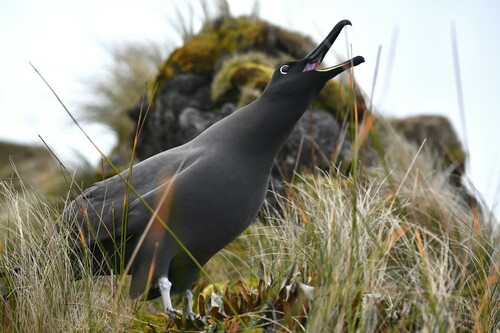
ススイロアホウドリ (Phoebetria fusca) ススイロアホウドリ
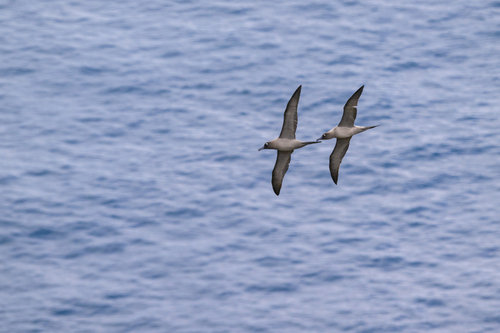
ハイイロアホウドリ (Phoebetria palpebrata) ハイイロアホウドリ

メディア

読み込み中…

要点

ススイロアホウドリとハイイロアホウドリの最も信頼できるフィールドマークは、背中と背の色です:ススイロアホウドリは均一にスス色の茶色からスス色の黒であるのに対し、ハイイロアホウドリは明らかに淡い銀灰色の背中と背を示し、暗い頭部と腹部と対比しています。両種は細長い長い翼のシルエットと似たサイズを共有していますが、ハイイロアホウドリの二色の上面は、特に飛行中に遠くからでも見えます。目の周りのリングとくちばしの色の詳細は近距離で役立ちますが、両種は悪い光の中や下から見ると非常に暗く見えることがあります。ススイロアホウドリの幼鳥と未成熟の羽毛は強く区別されないため、背中の色がすべての年齢での最良の区別となります。

識別のコツ

  1. 淡い背中対均一な暗さ: 最も良いフィールドマークは背中と背の色です。ハイイロアホウドリは常に淡い銀灰色の背中と背を示し、暗い頭部と腹部と対比され、遠くからでもすべての年齢で見えます。ススイロアホウドリは均一にスス色の茶色からスス色の黒であり、淡い背中はありません。
  2. 目の周りのリング: ススイロアホウドリはほぼ全体の目の周りに太い白いリングがあり(内側の隅を除く)、近距離で見えます。ハイイロアホウドリは目の後ろに薄い短い羽毛の灰色の三日月しかなく、目立ちません。
  3. くちばしの色: ススイロアホウドリは下顎に沿って黄色からオレンジ色の線がある光沢のある黒いくちばしを持っています。ハイイロアホウドリのくちばしは黒で、青い溝と灰色がかった黄色の線があります。これは微妙で、近距離で良い光の中で見るのが最適です。
  4. 頭部と腹部: 両種は頭部が暗いですが、ハイイロアホウドリの淡い背中との対比はより際立っています。ススイロアホウドリの頭部は体の他の部分よりわずかに暗いだけです。
  5. 上翼と飛行パターン: 両種には特定の年齢に特有の上翼のマークは見られず、どちらも長く狭い翼を持っています。飛行中は背中の色に注目してください。
  6. 幼鳥/未成熟の混乱: 未成熟のススイロアホウドリは巣立ち後に成鳥のように見えるため、背中の色が重要なマークとなります。ハイイロアホウドリの未成熟も淡い背中を保持します。
  7. 止まっている鳥: 陸上では、ススイロアホウドリは均一に暗く、白い目の周りのリングが見えます;ハイイロアホウドリは淡い背中を示し、目の三日月はあまり目立ちません。
  8. コロニーでの行動: ススイロアホウドリは内気で控えめです;ハイイロアホウドリは求愛中により elaborateな空中および尾のディスプレイを行うことがあります。
  9. 鳴き声: 聞こえた場合、ススイロアホウドリの「ぴーおー」空の呼び声は特徴的ですが、ハイイロアホウドリのトランペットのような呼び声やくちばしを鳴らす音は、求愛や脅威のディスプレイ中により一般的です。
  10. 生息地と文脈: 両種は南の海の崖で繁殖します;ススイロアホウドリは単独または小さな群れで巣を作ることがありますが、ハイイロアホウドリもコロニーを形成します。信頼できる区別ではありません。
  11. サイズ: 両種はサイズと比率が似ており、サイズに頼って同定しないでください。
  12. 照明の落とし穴: 悪い光の中や下から見ると、両種は均一に暗く見えることがあります;常に側面または上面からの背中の対比を探してください。
  13. 海上で: 二色(ハイイロアホウドリ)対均一(ススイロアホウドリ)の外観に注目し、特に上または側から見た滑空する鳥に注目してください。
  14. くちばしの詳細: 優れた視界がある場合のみくちばしの色を使用してください;そうでなければ、羽毛を優先してください。
  15. 性別と季節: 両種には強い性的二形や季節的な羽毛の変化は見られず、同定マークは年間を通じて適用されます。

大きさ

両種は中型のアホウドリで、長さと翼幅が非常に近いため、フィールドでのサイズは信頼できる区別ではありません。ハイイロアホウドリは平均してススイロアホウドリよりわずかに重い(体重約3150 g [wikidata])ですが、ススイロアホウドリは正確な体重が示されていませんが、成鳥は約2.5 kgと説明されています [wikipedia]。この違いは微妙で、海上で簡単に判断できません。両種のオスはメスよりわずかに大きい場合がありますが、これは実用的なフィールドマークではありません。

羽色

行動

両種は非常に空中性が高く、長く狭い翼で海上を低く滑空しているのがよく見られます。ススイロアホウドリは同期した飛行パターンと内気で控えめな相互作用が特徴で、特に繁殖コロニーで顕著です。ハイイロアホウドリは求愛中に空中のディスプレイや編隊飛行を行う可能性が高く、ススイロアホウドリよりもディスプレイで尾を多く使用します。両種は急な崖で繁殖しますが、ススイロアホウドリは単独または小さな群れで巣を作ることがあり、ハイイロアホウドリもコロニーを形成します。海上では、行動は似ており、信頼できる診断にはなりません。

生息環境

両種は外洋性で、南の海を広範囲に移動し、急な崖のある遠隔の島で繁殖します。ススイロアホウドリは南大西洋、南インド洋、南極海に生息し、崖の ledge や急な斜面で繁殖し、しばしば小さなコロニーや単独で見られます。ハイイロアホウドリはこの範囲と生息地の多くを共有し、同様の崖のある島で繁殖します。生息地だけでは両種を信頼できるように区別することはできませんが、ススイロアホウドリは小さな群れまたは単独で巣を作る可能性がわずかに高いです。

声

鳴き声はフィールドでの強い区別要因ではありません。ススイロアホウドリはコロニーで大きく繰り返される「ぴーおー」という空の呼び声で知られています。ハイイロアホウドリは大きく、鋭いトランペットのような呼び声を持ち、脅威を感じたときにくちばしを鳴らしたり、喉から「があああ」と鳴くことがあります。求愛の呼び声や空中のディスプレイはハイイロアホウドリでより顕著ですが、海上では両種とも一般的に静かで、声で区別するのは難しいです。

より良い説明を送る

比較と同じ項目を使ってください。文章はすぐに公開されます。

The most reliable field mark between Sooty Albatross and Light-mantled Albatross is the mantle and back color: Sooty Albatross is uniformly sooty-brown to sooty-black, while Light-mantled Albatross shows a distinctly paler, silvery-grey mantle and back contrasting with a darker head and underparts. Both species share a slender, long-winged silhouette and similar size, but the Light-mantled's two-tone upperparts are visible even at distance, especially in flight. Eye-ring and bill color details can help at close range, but beware that both species can look very dark in poor light or from below. Juvenile and immature plumages are not strongly differentiated in Sooty Albatross, so mantle color remains the best separation in all ages.

  1. Pale mantle vs uniform darkness: The single best field mark is the mantle and back color. Light-mantled Albatross always shows a pale, silvery-grey mantle and back contrasting with a dark head and underparts, visible at distance and in all ages. Sooty Albatross is uniformly sooty-brown to sooty-black, with no pale mantle.
  2. Eye-ring: Sooty Albatross has a bold white ring around almost the entire eye (except the inner corner), visible at close range. Light-mantled has only a thin, short-feathered grey crescent behind the eye, much less conspicuous.
  3. Bill color: Sooty Albatross has a glossy black bill with a yellow to orange line along the lower jaw. Light-mantled's bill is black with a blue sulcus and a greyish-yellow line on the lower mandible. This is subtle and best seen in good light at close range.
  4. Head and underparts: Both species have darker heads, but Light-mantled's contrast with the pale mantle is more striking. Sooty's head is only slightly darker than the rest of the body.
  5. Upperwing and flight pattern: No distinctive age-specific upperwing marks are noted for either species; both have long, narrow wings. Focus on mantle color in flight.
  6. Juvenile/immature confusion: Immature Sooty Albatrosses look like adults after fledging, so mantle color remains the key mark. Light-mantled immatures also retain the pale mantle.
  7. Perched birds: On land, Sooty Albatross appears uniformly dark with a white eye-ring; Light-mantled shows the pale mantle and less obvious eye crescent.
  8. Behavior at colony: Sooty Albatross is shy and less demonstrative; Light-mantled may be seen in more elaborate aerial and tail displays during courtship.
  9. Vocalizations: If heard, Sooty's 'pee-oo' sky call is distinctive, but Light-mantled's trumpet-like calls and bill snapping are more likely during courtship or threat displays.
  10. Habitat and context: Both breed on cliffs in the southern oceans; Sooty may nest singly or in small groups, Light-mantled is also colonial. Not a reliable separator.
  11. Size: Both are similar in size and proportions; do not rely on size for identification.
  12. Lighting pitfalls: In poor light or from below, both can appear uniformly dark; always look for the mantle contrast in side or top views.
  13. At sea: Focus on the two-tone (Light-mantled) vs uniform (Sooty) appearance, especially in gliding birds seen from above or the side.
  14. Bill details: Only use bill color if you have excellent views; otherwise, prioritize plumage.
  15. Sex and season: No strong sexual dimorphism or seasonal plumage changes are noted for either species; identification marks apply year-round.

Both species are medium-sized albatrosses and are very close in length and wingspan, making size an unreliable separator in the field. The Light-mantled Albatross averages slightly heavier (body mass ~3150 g [wikidata]) than Sooty Albatross (no precise mass given, but described as about 2.5 kg for adults [wikipedia]), but this difference is subtle and not easily judged at sea. Males of both species may be marginally larger than females, but this is not a practical field mark.

  • Juvenile/immature plumage: Sooty Albatross immatures look nearly identical to adults after losing down, lacking any obvious pale mantle or distinctive upperwing pattern. Light-mantled Albatross, even as immatures, shows the characteristic pale grey mantle and back contrasting with the darker head and underparts. No age-specific upperwing pattern (like triangles or W-shapes) is noted for either species, so mantle color is the key mark at all ages.
  • Adult plumage: Sooty Albatross is uniformly sooty-brown to sooty-black, sometimes with a slightly darker head and tail, and a prominent white eye-ring. Light-mantled Albatross is darker on the head and underparts but has a paler, silvery-grey mantle and back, giving a two-tone appearance reminiscent of a Siamese cat. The Light-mantled's eye is partly encircled by a thin, short-feathered grey crescent, less obvious than the Sooty's bold white ring. Bill color differs subtly: Sooty has a glossy black bill with a yellow to orange line on the lower jaw, while Light-mantled has a black bill with a blue sulcus and a greyish-yellow line along the lower mandible.

Both species are highly aerial, often seen gliding low over the ocean with long, narrow wings. Sooty Albatross is noted for synchronized flight patterns and shy, reserved interactions, especially at breeding colonies. Light-mantled Albatross is more likely to perform aerial displays and formation flying during courtship, and uses its tail more in display than Sooty. Both species breed on steep cliffs, but Sooty may nest singly or in small groups, while Light-mantled is also colonial. At sea, behavior is similar and not reliably diagnostic.

Both species are pelagic, ranging over the southern oceans and returning to breed on remote islands with steep cliffs. Sooty Albatross is found in the southern Atlantic, southern Indian, and Southern Oceans, breeding on cliff ledges or steep slopes, often in small colonies or singly. Light-mantled Albatross shares much of this range and habitat, breeding on similar cliffy islands. Habitat alone does not reliably separate the two, but Sooty may be slightly more likely to nest in smaller groups or alone.

Vocalizations are not a strong separator in the field. Sooty Albatross is known for loud, repeating 'pee-oo' sky calls at colonies. Light-mantled Albatross has a loud, shrill, trumpet-like call and can snap its bill or give a throaty 'gaaaa' when threatened. Courtship calls and aerial displays are more prominent in Light-mantled, but at sea, both are generally silent and difficult to distinguish by voice.

変更を破棄しますか?

保存していない編集があります。今離れると失われます。

ススイロアホウドリ · ハイイロアホウドリ · 苦手な鳥