

Rußalbatros vs Graumantelalbatros
Phoebetria fusca gegen Phoebetria palpebrata
Ein Quiz mit Rußalbatros und Graumantelalbatros spielen
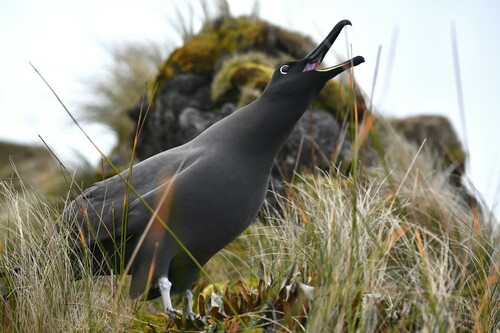 Rußalbatros
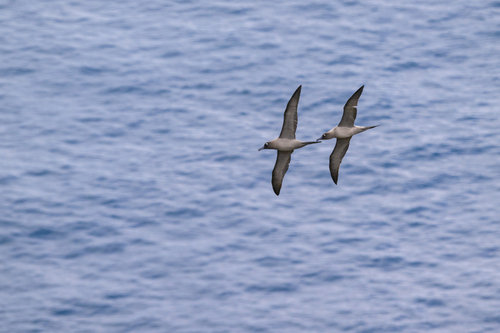 Graumantelalbatros
Kurz gesagt
Das zuverlässigste Feldmerkmal zwischen Rußalbatros und Graumantelalbatros ist die Farbe des Mantels und des Rückens: Rußalbatros ist gleichmäßig rußbraun bis rußschwarz, während Graumantelalbatros einen deutlich helleren, silbergrauen Mantel und Rücken zeigt, der sich von einem dunkleren Kopf und Unterkörper abhebt. Beide Arten teilen eine schlanke, langflügelige Silhouette und ähnliche Größe, aber die zweifarbigen Oberseiten des Graumantelalbatros sind selbst aus der Ferne sichtbar, insbesondere im Flug. Details zur Augenring- und Schnabelfarbe können aus nächster Nähe helfen, aber Vorsicht, beide Arten können bei schlechtem Licht oder von unten sehr dunkel erscheinen. Juvenile und unreife Gefieder sind beim Rußalbatros nicht stark differenziert, sodass die Mantelfarbe das beste Trennmerkmal in allen Altersstufen bleibt.
Bestimmungstipps
- Heller Mantel vs gleichmäßige Dunkelheit: Das beste Feldmerkmal ist die Farbe des Mantels und des Rückens. Graumantelalbatros zeigt immer einen hellen, silbergrauen Mantel und Rücken, die sich von einem dunklen Kopf und Unterkörper abheben, sichtbar aus der Ferne und in allen Altersstufen. Rußalbatros ist gleichmäßig rußbraun bis rußschwarz, ohne hellen Mantel.
- Augenring: Rußalbatros hat einen auffälligen weißen Ring um fast das gesamte Auge (außer der inneren Ecke), sichtbar aus nächster Nähe. Graumantel hat nur einen dünnen, kurzgefiederten grauen Halbmond hinter dem Auge, der viel weniger auffällig ist.
- Schnabelfarbe: Rußalbatros hat einen glänzend schwarzen Schnabel mit einer gelben bis orangefarbenen Linie entlang des Unterkiefers. Der Schnabel des Graumantelalbatros ist schwarz mit einem blauen Sulcus und einer graugelben Linie am Unterkiefer. Dies ist subtil und am besten bei gutem Licht aus nächster Nähe zu sehen.
- Kopf und Unterkörper: Beide Arten haben dunklere Köpfe, aber der Kontrast des Graumantelalbatros mit dem hellen Mantel ist auffälliger. Der Kopf des Rußalbatros ist nur leicht dunkler als der Rest des Körpers.
- Oberflügel und Flugmuster: Für keine der beiden Arten sind spezifische altersabhängige Oberflügelmerkmale zu beobachten; beide haben lange, schmale Flügel. Konzentrieren Sie sich im Flug auf die Mantelfarbe.
- Verwirrung bei juvenilen/unreifen Vögeln: Unreife Rußalbatrosse sehen nach dem Flüggewerden aus wie Erwachsene, sodass die Mantelfarbe das Schlüsselmerkmal bleibt. Unreife Graumantelalbatrosse behalten ebenfalls den hellen Mantel.
- Sitzende Vögel: An Land erscheint der Rußalbatros gleichmäßig dunkel mit einem weißen Augenring; Graumantel zeigt den hellen Mantel und weniger auffälligen Augenhalbmond.
- Verhalten in der Kolonie: Rußalbatros ist scheu und weniger demonstrativ; Graumantel kann während der Balz in aufwendigeren Luft- und Schwanzvorführungen gesehen werden.
- Vokalisationen: Wenn gehört, ist der 'pee-oo' Himmelruf des Rußalbatros charakteristisch, aber die trompetenartigen Rufe und das Schnappen des Schnabels des Graumantelalbatros sind während Balz- oder Bedrohungsanzeigen wahrscheinlicher.
- Lebensraum und Kontext: Beide brüten an Klippen in den südlichen Ozeanen; Rußalbatros kann einzeln oder in kleinen Gruppen nisten, Graumantel ist ebenfalls kolonial. Kein zuverlässiger Trennfaktor.
- Größe: Beide sind in Größe und Proportionen ähnlich; verlassen Sie sich nicht auf die Größe zur Identifikation.
- Lichtfallen: Bei schlechtem Licht oder von unten können beide gleichmäßig dunkel erscheinen; suchen Sie immer nach dem Mantelkontrast in Seiten- oder Draufsichten.
- Auf See: Konzentrieren Sie sich auf das zweifarbige (Graumantel) vs. gleichmäßige (Ruß) Erscheinungsbild, insbesondere bei gleitenden Vögeln, die von oben oder von der Seite gesehen werden.
- Schnabeldetails: Verwenden Sie die Schnabelfarbe nur, wenn Sie hervorragende Sicht haben; priorisieren Sie sonst das Gefieder.
- Geschlecht und Jahreszeit: Für keine der beiden Arten sind starke sexuelle Dimorphismen oder saisonale Gefiederveränderungen zu beobachten; die Identifikationsmerkmale gelten das ganze Jahr über.
Größe
Beide Arten sind mittelgroße Albatrosse und sehr nah in Länge und Flügelspann, was die Größe zu einem unzuverlässigen Trennfaktor im Feld macht. Der Graumantelalbatros wiegt im Durchschnitt etwas mehr (Körpermasse ~3150 g [wikidata]) als der Rußalbatros (keine genaue Masse angegeben, aber als etwa 2,5 kg für Erwachsene beschrieben [wikipedia]), aber dieser Unterschied ist subtil und nicht leicht auf See zu beurteilen. Männchen beider Arten können geringfügig größer sein als Weibchen, aber dies ist kein praktisches Feldmerkmal.
Gefieder
- Juveniles/unreifes Gefieder: Unreife Rußalbatrosse sehen nach dem Verlust des Daunengefieders fast identisch mit Erwachsenen aus und haben keinen offensichtlichen hellen Mantel oder ein charakteristisches Oberflügelmuster. Graumantelalbatros zeigt selbst als Unreife den charakteristischen hellgrauen Mantel und Rücken, der sich von dem dunkleren Kopf und Unterkörper abhebt. Für keine der beiden Arten ist ein altersabhängiges Oberflügelmuster (wie Dreiecke oder W-Formen) zu beobachten, sodass die Mantelfarbe in allen Altersstufen das Schlüsselmerkmal bleibt.
- Erwachsenengefieder: Rußalbatros ist gleichmäßig rußbraun bis rußschwarz, manchmal mit einem leicht dunkleren Kopf und Schwanz und einem auffälligen weißen Augenring. Graumantelalbatros ist dunkler am Kopf und Unterkörper, hat aber einen helleren, silbergrauen Mantel und Rücken, was ein zweifarbige Erscheinung ergibt, die an eine Siamkatze erinnert. Das Auge des Graumantelalbatros ist teilweise von einem dünnen, kurzgefiederten grauen Halbmond umgeben, der weniger auffällig ist als der auffällige weiße Ring des Rußalbatros. Die Schnabelfarbe unterscheidet sich subtil: Ruß hat einen glänzend schwarzen Schnabel mit einer gelben bis orangefarbenen Linie am Unterkiefer, während Graumantel einen schwarzen Schnabel mit einem blauen Sulcus und einer graugelben Linie entlang des Unterkiefers hat.
Verhalten
Beide Arten sind sehr luftakrobatisch und werden oft gesehen, wie sie niedrig über den Ozean mit langen, schmalen Flügeln gleiten. Rußalbatros ist bekannt für synchronisierte Flugmuster und scheue, zurückhaltende Interaktionen, insbesondere in Brutkolonien. Graumantelalbatros ist eher geneigt, während der Balz Luftvorführungen und Formationsflüge durchzuführen und verwendet seinen Schwanz mehr in der Vorführung als der Rußalbatros. Beide Arten brüten an steilen Klippen, aber Ruß kann einzeln oder in kleinen Gruppen nisten, während Graumantel ebenfalls kolonial ist. Auf See ist das Verhalten ähnlich und nicht zuverlässig diagnostisch.
Lebensraum
Beide Arten sind pelagisch, leben über den südlichen Ozeanen und kehren zurück, um auf abgelegenen Inseln mit steilen Klippen zu brüten. Rußalbatros ist im südlichen Atlantik, im südlichen Indischen Ozean und in den südlichen Ozeanen zu finden, brütet an Klippen oder steilen Hängen, oft in kleinen Kolonien oder einzeln. Graumantelalbatros teilt sich einen Großteil dieses Lebensraums und brütet auf ähnlichen klippenreichen Inseln. Der Lebensraum allein trennt die beiden nicht zuverlässig, aber Ruß könnte etwas wahrscheinlicher in kleineren Gruppen oder allein nisten.
Stimme
Vokalisationen sind im Feld kein starkes Trennmerkmal. Rußalbatros ist bekannt für laute, sich wiederholende 'pee-oo' Himmelrufe in Kolonien. Graumantelalbatros hat einen lauten, schrillen, trompetenartigen Ruf und kann seinen Schnabel schnappen oder ein kehliges 'gaaaa' von sich geben, wenn er bedroht wird. Balzrufe und Luftvorführungen sind beim Graumantel ausgeprägter, aber auf See sind beide im Allgemeinen still und schwer durch Stimme zu unterscheiden.