

Sooty Albatross vs Light-mantled Albatross
Phoebetria fusca contro Phoebetria palpebrata
Fai un quiz con Sooty Albatross e Light-mantled Albatross
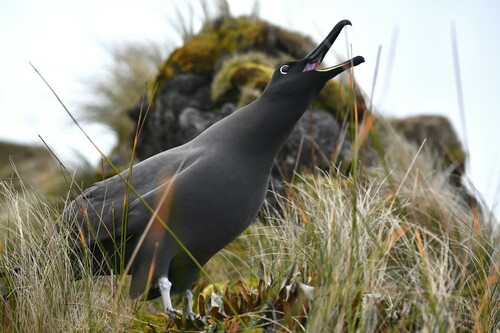 Sooty Albatross
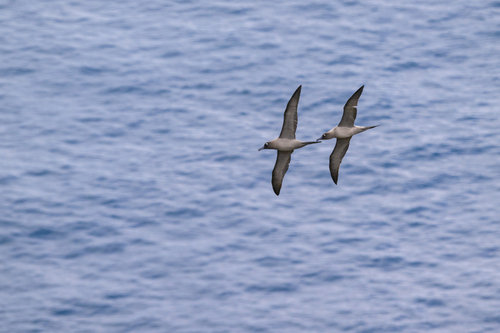 Light-mantled Albatross
In breve
Il segno distintivo più affidabile tra il Sooty Albatross e il Light-mantled Albatross è il colore del mantello e della schiena: il Sooty Albatross è uniformemente bruno-nerastro, mentre il Light-mantled Albatross mostra un mantello e una schiena di un grigio argenteo nettamente più chiaro, in contrasto con una testa e parti inferiori più scure. Entrambe le specie condividono una silhouette snella e con ali lunghe e dimensioni simili, ma le parti superiori bicolori del Light-mantled sono visibili anche a distanza, specialmente in volo. I dettagli del colore dell'anello oculare e del becco possono aiutare a distanza ravvicinata, ma fai attenzione che entrambe le specie possono apparire molto scure in scarsa illuminazione o dal basso. Le piume giovanili e immature non sono fortemente differenziate nel Sooty Albatross, quindi il colore del mantello rimane il miglior segno di separazione in tutte le età.
Consigli di identificazione
- Mantello chiaro vs oscurità uniforme: Il segno distintivo migliore è il colore del mantello e della schiena. Il Light-mantled Albatross mostra sempre un mantello e una schiena di un grigio argenteo chiaro in contrasto con una testa e parti inferiori scure, visibile a distanza e in tutte le età. Il Sooty Albatross è uniformemente bruno-nerastro, senza mantello chiaro.
- Anello oculare: Il Sooty Albatross ha un anello bianco audace attorno a quasi tutto l'occhio (eccetto l'angolo interno), visibile a distanza ravvicinata. Il Light-mantled ha solo un sottile e corto arco grigio dietro l'occhio, molto meno evidente.
- Colore del becco: Il Sooty Albatross ha un becco nero lucido con una linea gialla-arancione lungo la mandibola inferiore. Il becco del Light-mantled è nero con un solco blu e una linea grigio-gialla sulla mandibola inferiore. Questo è sottile e meglio visibile in buona luce a distanza ravvicinata.
- Testa e parti inferiori: Entrambe le specie hanno teste più scure, ma il contrasto del Light-mantled con il mantello chiaro è più marcato. La testa del Sooty è solo leggermente più scura rispetto al resto del corpo.
- Ala superiore e modello di volo: Non si notano segni distintivi specifici per età nelle ali superiori di entrambe le specie; entrambe hanno ali lunghe e strette. Concentrati sul colore del mantello in volo.
- Confusione giovanile/immatura: I Sooty Albatross immaturi assomigliano agli adulti dopo la fase di volo, quindi il colore del mantello rimane il segno chiave. Anche gli immaturi del Light-mantled mantengono il mantello chiaro.
- Uccelli in perlustrazione: A terra, il Sooty Albatross appare uniformemente scuro con un anello oculare bianco; il Light-mantled mostra il mantello chiaro e un arco oculare meno evidente.
- Comportamento nella colonia: Il Sooty Albatross è timido e meno dimostrativo; il Light-mantled può essere visto in esibizioni aeree e di coda più elaborate durante il corteggiamento.
- Vocalizzazioni: Se sentito, il richiamo 'pee-oo' del Sooty è distintivo, ma i richiami simili a trombe e il battito del becco del Light-mantled sono più probabili durante le esibizioni di corteggiamento o minaccia.
- Habitat e contesto: Entrambi nidificano su scogliere negli oceani meridionali; il Sooty può nidificare singolarmente o in piccoli gruppi, il Light-mantled è anche coloniale. Non è un separatore affidabile.
- Dimensioni: Entrambi sono simili in dimensioni e proporzioni; non fare affidamento sulla dimensione per l'identificazione.
- Trappole di illuminazione: In scarsa illuminazione o dal basso, entrambi possono apparire uniformemente scuri; cerca sempre il contrasto del mantello in viste laterali o superiori.
- In mare: Concentrati sull'aspetto bicolore (Light-mantled) rispetto a quello uniforme (Sooty), specialmente negli uccelli in planata visti dall'alto o di lato.
- Dettagli del becco: Usa il colore del becco solo se hai viste eccellenti; altrimenti, dai priorità al piumaggio.
- Sesso e stagione: Non si notano forti dimorfismi sessuali o cambiamenti stagionali nel piumaggio per entrambe le specie; i segni di identificazione si applicano tutto l'anno.
Taglia
Entrambe le specie sono albatros di dimensioni medie e sono molto simili in lunghezza e apertura alare, rendendo la dimensione un separatore inaffidabile sul campo. Il Light-mantled Albatross è mediamente leggermente più pesante (massa corporea ~3150 g [wikidata]) rispetto al Sooty Albatross (non è fornita una massa precisa, ma descritto come circa 2,5 kg per gli adulti [wikipedia]), ma questa differenza è sottile e non facilmente giudicabile in mare. I maschi di entrambe le specie possono essere leggermente più grandi delle femmine, ma questo non è un segno pratico sul campo.
Piumaggio
- Piumaggio giovanile/immaturo: Gli immaturi del Sooty Albatross sembrano quasi identici agli adulti dopo aver perso il piumaggio, privi di qualsiasi mantello chiaro evidente o modello distintivo delle ali superiori. Il Light-mantled Albatross, anche da immaturo, mostra il caratteristico mantello grigio chiaro e la schiena in contrasto con la testa e le parti inferiori più scure. Non si notano modelli specifici per età nelle ali superiori (come triangoli o forme a W) per entrambe le specie, quindi il colore del mantello è il segno chiave in tutte le età.
- Piumaggio adulto: Il Sooty Albatross è uniformemente bruno-nerastro, a volte con una testa e una coda leggermente più scure, e un prominente anello oculare bianco. Il Light-mantled Albatross è più scuro sulla testa e sulle parti inferiori ma ha un mantello e una schiena di un grigio argenteo più chiaro, dando un aspetto bicolore che ricorda un gatto siamese. L'occhio del Light-mantled è parzialmente circondato da un sottile arco grigio con piume corte, meno evidente rispetto al bold anello bianco del Sooty. Il colore del becco differisce sottilmente: il Sooty ha un becco nero lucido con una linea gialla-arancione lungo la mandibola inferiore, mentre il Light-mantled ha un becco nero con un solco blu e una linea grigio-gialla lungo la mandibola inferiore.
Comportamento
Entrambe le specie sono altamente aeree, spesso viste planare basse sull'oceano con ali lunghe e strette. Il Sooty Albatross è noto per i modelli di volo sincronizzati e interazioni timide e riservate, specialmente nelle colonie di nidificazione. Il Light-mantled Albatross è più propenso a eseguire esibizioni aeree e volo in formazione durante il corteggiamento, e utilizza la sua coda più in mostra rispetto al Sooty. Entrambe le specie nidificano su scogliere ripide, ma il Sooty può nidificare singolarmente o in piccoli gruppi, mentre il Light-mantled è anche coloniale. In mare, il comportamento è simile e non è affidabilmente diagnostico.
Habitat
Entrambe le specie sono pelagiche, che si estendono sugli oceani meridionali e tornano a nidificare su isole remote con scogliere ripide. Il Sooty Albatross si trova nell'Atlantico meridionale, nell'Oceano Indiano meridionale e negli Oceani meridionali, nidificando su ledge di scogliera o pendii ripidi, spesso in piccole colonie o singolarmente. Il Light-mantled Albatross condivide gran parte di questo habitat e area, nidificando su isole simili con scogliere. L'habitat da solo non separa affidabilmente i due, ma il Sooty potrebbe essere leggermente più propenso a nidificare in gruppi più piccoli o da solo.
Voce
Le vocalizzazioni non sono un forte separatore sul campo. Il Sooty Albatross è noto per i forti richiami 'pee-oo' ripetuti nelle colonie. Il Light-mantled Albatross ha un richiamo forte, acuto, simile a una tromba e può battere il suo becco o emettere un 'gaaaa' profondo quando minacciato. I richiami di corteggiamento e le esibizioni aeree sono più prominenti nel Light-mantled, ma in mare, entrambi sono generalmente silenziosi e difficili da distinguere per voce.
Sooty Albatross · Light-mantled Albatross · I miei uccelli difficili