

Motmot

オオハシカッコウ 対 ハイムネヤマシトド

Crotophaga ani 対 Geospizopsis plebejus

オオハシカッコウとハイムネヤマシトドのクイズ
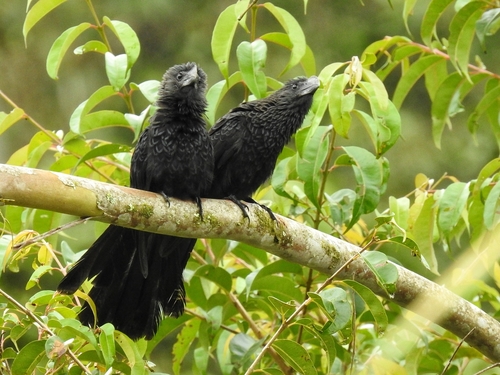
オオハシカッコウ (Crotophaga ani) オオハシカッコウ
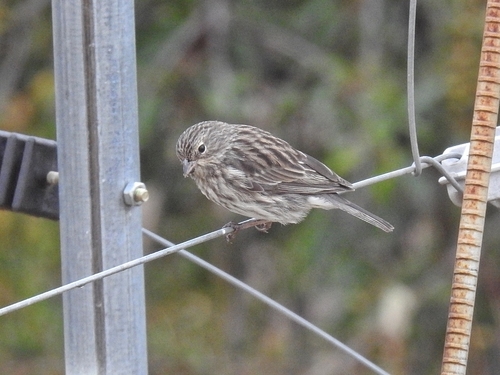
ハイムネヤマシトド (Geospizopsis plebejus) ハイムネヤマシトド

メディア

読み込み中…

要点

オオハシカッコウとハイムネヤマシトドを区別する最も信頼できる方法は、全体の構造とサイズによるものです:オオハシカッコウは、非常に大きく、長い尾を持ち、光沢のある黒い鳥で、巨大で深い溝のあるくちばしを持っています。一方、ハイムネヤマシトドは、小さく、短い尾を持ち、灰色がかった小鳥で、通常の円錐形のくちばしを持っています。飛んでいる時や止まっている時、オオハシカッコウのサイズと形は明確であり、その全体が黒い羽毛はハイムネヤマシトドの灰色がかった茶色の色合いと対照的です。もし素早く見るだけなら、くちばしの形と尾の長さに注目してください。生息地と社会的行動も大きく異なり、オオハシカッコウは開けた低地で騒がしい群れを作り、ハイムネヤマシトドは高地の低木や草地に、通常はペアまたは小さな群れで生息しています。

識別のコツ

  1. Size is the most immediate clue: オオハシカッコウは、どのハイムネヤマシトドよりもはるかに大きいです。もしその鳥がカラスの大きさに見えるなら、それはシトドではありません。これはすべての年齢と性別に当てはまります。
  2. Bill shape is diagnostic: オオハシカッコウは、巨大で深い溝のある、弓形で横に圧縮されたくちばしを持っています。ハイムネヤマシトドは、短く、円錐形の典型的なシトドのくちばしを持っています。遠くからでも、オオハシカッコウのくちばしはその頭に対して大きすぎるように見えます。
  3. Tail length and shape: オオハシカッコウの尾は非常に長く、しばしば傾いているか垂れ下がっています。ハイムネヤマシトドの尾は短く、決して目立つことはありません。
  4. Plumage color: オオハシカッコウは全体が光沢のある黒で、淡いまたは茶色の部分はありません。ハイムネヤマシトドは、上面と下面が灰色がかった茶色で、上面と側面にいくつかの茶色がかったまたは灰色がかった色合いがあり、いくつかの亜種では黒っぽい尾と翼を持っています。ハイムネヤマシトドは決して全体が黒または光沢のあることはありません。
  5. Iris color: オオハシカッコウは茶色の虹彩を持ち、良い光の下で見ることができるかもしれません。ハイムネヤマシトドの目の色は特に目立つものではありません。
  6. Group behavior: オオハシカッコウは常に騒がしい密集した群れにいて、しばしば一緒に走ったり跳ねたりします。ハイムネヤマシトドは通常ペアまたは小さな群れで見られ、あまり社交的でもなく、声も出しません。
  7. Flight style: オオハシカッコウの飛行は弱くて不安定で、しばしば地面に近いです。ハイムネヤマシトドは典型的なシトドの跳ねるような飛行をし、より直接的で敏捷です。
  8. Feeding behavior: オオハシカッコウはしばしば地面で餌を探し、時には家畜の周りで見られ、動物からダニを取り除くのを見ることができます。ハイムネヤマシトドは、開けた低木や草地で種子や昆虫を食べ、決して家畜と関わることはありません。
  9. Habitat: オオハシカッコウは低地の開けた国、農地、または乱れた地域に生息しています。ハイムネヤマシトドは高地のアンデス低木地または草地に生息しています。もしあなたがアンデスの樹木限界を超えているなら、あなたはおそらくオオハシカッコウではなくハイムネヤマシトドを見ているでしょう。
  10. Vocalizations: オオハシカッコウの鳴き声は、大きくてうなり声の「ウーリーク」で、しばしば合唱されます。ハイムネヤマシトドの鳴き声は記載されていませんが、おそらくオオハシカッコウの鳴き声ほど大きくも複雑でもないでしょう。
  11. Season and sex: メモには、どちらの種にも重要な季節的または性的二形性は記載されていないため、これらは区別には役立ちません。
  12. Juvenile/immature plumage: どちらの種にも年齢特有の翼や飛行のマークは記載されていないため、すべての年齢で構造と全体の色に依存してください。
  13. Common pitfalls: 遠くから見ると、孤独なオオハシカッコウは大きな黒い鳥やグラッケルと間違われるかもしれませんが、決してシトドとは間違われません。ハイムネヤマシトドは他の小さなアンデスのシトドと混同されるかもしれませんが、決してオオハシカッコウとは混同されません。
  14. Context: もし低地の牧草地で大きな黒い鳥の騒がしい群れを見たら、それはほぼ確実にオオハシカッコウです。もし高いアンデスの草地で小さな灰色がかった鳥を見たら、それはハイムネヤマシトドです。
  15. When in doubt: くちばしのサイズと形、尾の長さ、全体のサイズに注目してください。これらは常にこの2つの種を区別するための信頼できる指標です。

大きさ

オオハシカッコウは劇的に大きいです:長さ約35 cm、質量97 gで、長い尾と重い、溝のあるくちばしを持っています。それに対して、ハイムネヤマシトドは小さな鳥で、長さはわずか11〜11.5 cm、重さは13〜17.4 gです。オオハシカッコウはハイムネヤマシトドのほぼ3倍の長さで、重さは5倍以上です。遠くからでも、オオハシカッコウのサイズと細長い形は際立っており、ハイムネヤマシトドはコンパクトでスズメのように見えます。

羽色

どちらの種にも年齢特有の上翼のパターンは記載されていないため、全体の色合いと構造に注目してください。オオハシカッコウは全体が光沢のある黒で、翼と尾も含まれ、茶色の虹彩を持っています。季節的または年齢に関連する変異は記載されていません。ハイムネヤマシトドは、亜種によって一般的に上面と下面が灰色がかっており、上面と側面にいくつかの茶色がかったまたは灰色がかった色合いがあり、いくつかの形態では黒っぽい尾と翼を持っています。このシトドは決して全体が黒または光沢のあることはありません。オオハシカッコウの均一な黒い羽毛は、そのサイズの開けた国の鳥の中でユニークであり、ハイムネヤマシトドの灰色と茶色のパターンは小さなアンデスのシトドに典型的です。

行動

オオハシカッコウは非常に群れを作り、常に騒がしい群れの中にいて、しばしば地面を走ったり、開けた場所で一緒に止まったりします。その飛行は弱くて不安定で、しばしば地面で餌を探したり、放牧動物の近くで見られます。ハイムネヤマシトドは通常ペアまたは小さな群れで見られ、低木や草地の高地生息地で種子や昆虫を食べています。典型的なシトドのような跳ねるような飛行を持ち、特に騒がしいわけでもなく、小さな群れを超えて社交的でもありません。

生息環境

オオハシカッコウは、南フロリダからカリブ海、中央アメリカおよび南アメリカの大部分にかけて、農地、牧草地、乱れた地域を含む開けたおよび半開けた低地に生息しています。高地地域には存在しません。ハイムネヤマシトドは、南アメリカのアンデスにある亜熱帯または熱帯の乾燥低木地と高地の草地に限定されています(アルゼンチン、ボリビア、チリ、エクアドル、ペルー)。この2つの種は生息地が重なることはほとんどありません:オオハシカッコウは低地の開けた国に、ハイムネヤマシトドは高地のアンデス地域に生息しています。

声

オオハシカッコウは、群れによってしばしば合唱される特徴的な「ウーリーク」という鳴き声を出します。ハイムネヤマシトドの鳴き声はメモには記載されていませんが、シトドとして、その鳴き声は短く、シンプルなさえずりやトリルである可能性が高く、オオハシカッコウの鳴き声ほど大きくも複雑でもありません。

より良い説明を送る

比較と同じ項目を使ってください。文章はすぐに公開されます。

The most reliable way to separate Smooth-billed Ani from Ash-breasted Sierra Finch is by overall structure and size: the ani is a much larger, long-tailed, glossy black bird with a huge, deep-ridged bill, while the sierra finch is a small, short-tailed, grayish finch with a normal conical bill. In flight or perched, the ani’s size and shape are unmistakable, and its all-black plumage contrasts with the sierra finch’s ash-gray and brownish tones. If only a quick view is had, focus on bill shape and tail length. Habitat and social behavior also differ strongly, with anis in noisy groups in open lowlands and sierra finches in high-altitude shrub or grassland, usually in pairs or small flocks.

  1. Size is the most immediate clue: Smooth-billed Ani is much larger than any sierra finch; if the bird looks crow-sized, it is not a finch. This holds for all ages and sexes.
  2. Bill shape is diagnostic: Ani has a massive, deep, ridged bill that is arched and laterally compressed; sierra finch has a short, conical, typical finch bill. Even at a distance, the ani’s bill looks oversized for its head.
  3. Tail length and shape: Ani’s tail is very long and often held cocked or drooped; sierra finch’s tail is short and never as prominent.
  4. Plumage color: Ani is glossy black all over, with no pale or brown areas; sierra finch is ash-gray with brownish or grayish upperparts and blackish wings/tail in some subspecies. No sierra finch is ever all-black or glossy.
  5. Iris color: Ani has a brown iris, which may be visible in good light; sierra finch’s eye color is not noted as distinctive.
  6. Group behavior: Ani is always in noisy, tight groups, often running or hopping together; sierra finch is usually in pairs or small flocks, not as gregarious or vocal.
  7. Flight style: Ani’s flight is weak and wobbly, often low to the ground; sierra finch has a typical finch bounding flight, more direct and agile.
  8. Feeding behavior: Ani often forages on the ground, sometimes around livestock, and may be seen picking ticks from animals; sierra finch feeds on seeds and insects in open, shrubby or grassy areas, never associating with livestock.
  9. Habitat: Ani is in lowland open country, farmland, or disturbed areas; sierra finch is in high-altitude Andean shrubland or grassland. If you are above the treeline in the Andes, you are likely seeing a sierra finch, not an ani.
  10. Vocalizations: Ani’s call is a loud, whining 'ooo-leeek,' often given in chorus; sierra finch’s calls are not described, but are unlikely to be as loud or complex.
  11. Season and sex: No significant seasonal or sexual dimorphism is noted for either species in the notes, so these are not useful for separation.
  12. Juvenile/immature plumage: No age-specific wing or flight marks are described for either species, so rely on structure and overall color for all ages.
  13. Common pitfalls: At a distance, a lone ani might be mistaken for a large blackbird or grackle, but never for a finch if size and bill are seen. A sierra finch might be confused with other small Andean finches, but never with an ani if bill and tail are checked.
  14. Context: If you see a noisy group of large, black birds in a lowland pasture, they are almost certainly anis. If you see small, grayish birds in a high Andean grassland, they are sierra finches.
  15. When in doubt: Focus on bill size and shape, tail length, and overall size—these are always reliable for separating these two species.

Smooth-billed Ani is dramatically larger: about 35 cm in length and 97 g in mass, with a long tail and heavy, ridged bill. In contrast, Ash-breasted Sierra Finch is a small bird, only 11–11.5 cm long and weighing 13–17.4 g. The ani is nearly three times as long and over five times as heavy as the sierra finch. Even at a distance, the ani’s size and elongated shape stand out, while the sierra finch appears compact and sparrow-like.

No age-specific upperwing patterns are described for either species, so focus is on overall coloration and structure. Smooth-billed Ani is glossy black all over, including wings and tail, with a brown iris. There is no seasonal or age-related variation noted. Ash-breasted Sierra Finch, depending on subspecies, is generally ash-gray above and below, with some brownish or grayish tones on the upperparts and flanks, and a blackish tail and wings in some forms. The finch never appears all-black or glossy. The ani’s uniform black plumage is unique among open-country birds of its size, while the sierra finch’s gray and brown pattern is typical of small Andean finches.

Smooth-billed Ani is highly gregarious, always in noisy groups, often running on the ground or perching together in the open. Its flight is weak and wobbly, and it is often seen feeding on the ground or near grazing animals. Ash-breasted Sierra Finch is usually seen in pairs or small flocks, feeding on seeds and insects in shrubby or grassy highland habitats. It has a typical finch-like, bounding flight and is not notably noisy or social beyond its small groups.

Smooth-billed Ani is found in open and semi-open lowland country, including farmland, pastures, and disturbed areas, from southern Florida through the Caribbean and much of Central and South America. It is absent from high-altitude regions. Ash-breasted Sierra Finch is restricted to subtropical or tropical dry shrubland and high-altitude grassland in the Andes of South America (Argentina, Bolivia, Chile, Ecuador, Peru). The two species rarely, if ever, overlap in habitat: anis in lowland open country, sierra finches in high Andean zones.

Smooth-billed Ani gives a distinctive whining 'ooo-leeek' call, often repeated in chorus by groups. Ash-breasted Sierra Finch’s vocalizations are not described in the notes, but as a finch, its calls are likely to be short, simple chirps or trills, never as loud or drawn-out as the ani’s calls.

変更を破棄しますか?

保存していない編集があります。今離れると失われます。

オオハシカッコウ · ハイムネヤマシトド · 苦手な鳥