

Garrapatero Aní vs Yal Plebeyo
Crotophaga ani frente a Geospizopsis plebejus
Juega un quiz con Garrapatero Aní y Yal Plebeyo
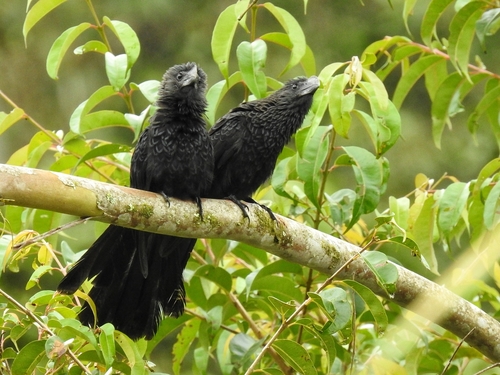 Garrapatero Aní
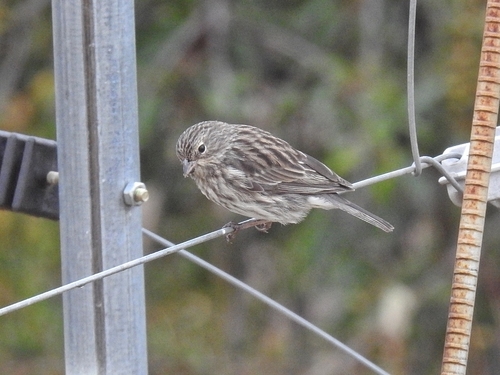 Yal Plebeyo
En breve
La forma más confiable de separar el Garrapatero Aní del Yal Plebeyo es por su estructura y tamaño general: el aní es un ave mucho más grande, de cola larga, negra brillante, con un pico enorme y profundamente estriado, mientras que el yal es un pequeño pinzón de cola corta y color grisáceo con un pico cónico normal. En vuelo o posado, el tamaño y la forma del aní son inconfundibles, y su plumaje completamente negro contrasta con los tonos gris ceniza y marrón del yal. Si solo se tiene una vista rápida, enfóquese en la forma del pico y la longitud de la cola. El hábitat y el comportamiento social también difieren fuertemente, con los anís en grupos ruidosos en tierras bajas abiertas y los yales en arbustos o praderas de gran altitud, generalmente en parejas o pequeños grupos.
Consejos de identificación
- El tamaño es la pista más inmediata: El Garrapatero Aní es mucho más grande que cualquier yal; si el ave parece del tamaño de un cuervo, no es un pinzón. Esto se aplica a todas las edades y sexos.
- La forma del pico es diagnóstica: El aní tiene un pico masivo, profundo y estriado que está arqueado y comprimido lateralmente; el yal tiene un pico corto, cónico, típico de un pinzón. Incluso a distancia, el pico del aní parece sobredimensionado para su cabeza.
- Longitud y forma de la cola: La cola del aní es muy larga y a menudo se sostiene en ángulo o caída; la cola del yal es corta y nunca tan prominente.
- Color del plumaje: El aní es negro brillante por completo, sin áreas pálidas o marrones; el yal es gris ceniza con partes superiores marrones o grisáceas y alas/cola negruzcas en algunas subespecies. Ningún yal es completamente negro o brillante.
- Color del iris: El aní tiene un iris marrón, que puede ser visible en buena luz; el color del ojo del yal no se nota como distintivo.
- Comportamiento en grupo: El aní siempre está en grupos ruidosos y compactos, a menudo corriendo o saltando juntos; el yal generalmente está en parejas o pequeños grupos, no tan gregarios o vocales.
- Estilo de vuelo: El vuelo del aní es débil y tambaleante, a menudo bajo al suelo; el yal tiene un vuelo típico de pinzón, más directo y ágil.
- Comportamiento alimenticio: El aní a menudo busca alimento en el suelo, a veces alrededor del ganado, y puede ser visto recogiendo garrapatas de los animales; el yal se alimenta de semillas e insectos en áreas abiertas, arbustivas o herbáceas, nunca asociándose con el ganado.
- Hábitat: El aní se encuentra en tierras bajas abiertas, tierras agrícolas o áreas perturbadas; el yal está en arbustos o praderas de gran altitud en los Andes. Si estás por encima de la línea de árboles en los Andes, es probable que estés viendo un yal, no un aní.
- Vocalizaciones: El canto del aní es un fuerte y quejumbroso 'ooo-leeek', a menudo dado en coro; los cantos del yal no se describen, pero es poco probable que sean tan fuertes o complejos.
- Temporada y sexo: No se nota un dimorfismo sexual o estacional significativo para ninguna de las especies en las notas, por lo que no son útiles para la separación.
- Plumaje juvenil/inmaduro: No se describen marcas de alas o vuelo específicas de edad para ninguna de las especies, por lo que se debe confiar en la estructura y el color general para todas las edades.
- Trampas comunes: A distancia, un aní solitario podría confundirse con un gran mirlo o tordo, pero nunca con un pinzón si se ven el tamaño y el pico. Un yal podría confundirse con otros pequeños pinzones andinos, pero nunca con un aní si se revisan el pico y la cola.
- Contexto: Si ves un grupo ruidoso de grandes aves negras en un pastizal de tierras bajas, son casi con seguridad anís. Si ves pequeñas aves grisáceas en una pradera andina alta, son yales.
- Cuando tengas dudas: Enfócate en el tamaño y la forma del pico, la longitud de la cola y el tamaño general; estos son siempre confiables para separar estas dos especies.
Tamaño
El Garrapatero Aní es dramáticamente más grande: aproximadamente 35 cm de longitud y 97 g de masa, con una cola larga y un pico pesado y estriado. En contraste, el Yal Plebeyo es un ave pequeña, de solo 11–11.5 cm de largo y que pesa entre 13 y 17.4 g. El aní es casi tres veces más largo y más de cinco veces más pesado que el yal. Incluso a distancia, el tamaño y la forma alargada del aní destacan, mientras que el yal parece compacto y similar a un gorrión.
Plumaje
No se describen patrones de alas específicos de edad para ninguna de las especies, por lo que el enfoque está en la coloración y estructura general. El Garrapatero Aní es negro brillante por completo, incluidas las alas y la cola, con un iris marrón. No se nota ninguna variación estacional o relacionada con la edad. El Yal Plebeyo, dependiendo de la subespecie, es generalmente gris ceniza por encima y por debajo, con algunos tonos marrones o grisáceos en las partes superiores y flancos, y una cola y alas negruzcas en algunas formas. El pinzón nunca aparece completamente negro o brillante. El plumaje negro uniforme del aní es único entre las aves de campo abierto de su tamaño, mientras que el patrón gris y marrón del yal es típico de los pequeños pinzones andinos.
Comportamiento
El Garrapatero Aní es altamente gregario, siempre en grupos ruidosos, a menudo corriendo por el suelo o posándose juntos en el campo. Su vuelo es débil y tambaleante, y a menudo se le ve alimentándose en el suelo o cerca de animales de pastoreo. El Yal Plebeyo generalmente se ve en parejas o pequeños grupos, alimentándose de semillas e insectos en hábitats de alta montaña arbustivos o herbáceos. Tiene un vuelo típico de pinzón, saltando, y no es notablemente ruidoso o social más allá de sus pequeños grupos.
Hábitat
El Garrapatero Aní se encuentra en tierras bajas abiertas y semiabiertas, incluyendo tierras agrícolas, pastizales y áreas perturbadas, desde el sur de Florida a través del Caribe y gran parte de Centro y Sudamérica. Está ausente de regiones de gran altitud. El Yal Plebeyo está restringido a arbustos secos subtropicales o tropicales y praderas de gran altitud en los Andes de Sudamérica (Argentina, Bolivia, Chile, Ecuador, Perú). Las dos especies rara vez, si es que alguna vez, se superponen en hábitat: anís en tierras bajas abiertas, yales en zonas andinas altas.
Voz
El Garrapatero Aní emite un distintivo canto quejumbroso 'ooo-leeek', a menudo repetido en coro por grupos. Las vocalizaciones del Yal Plebeyo no se describen en las notas, pero como un pinzón, sus cantos probablemente sean chirridos o trinos cortos y simples, nunca tan fuertes o prolongados como los cantos del aní.