

Motmot

ギンバシベニフウキンチョウ 対 シコンヒワ

Ramphocelus carbo 対 Volatinia jacarina

ギンバシベニフウキンチョウとシコンヒワのクイズ
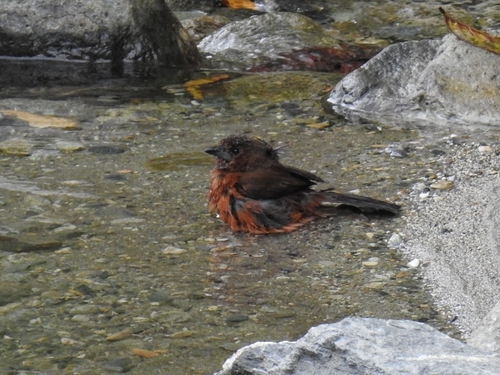
ギンバシベニフウキンチョウ (Ramphocelus carbo) ギンバシベニフウキンチョウ
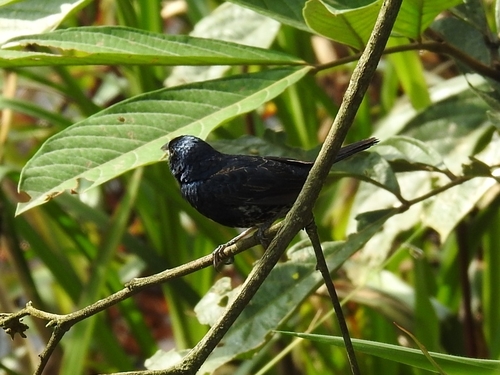
シコンヒワ (Volatinia jacarina) シコンヒワ

メディア

読み込み中…

要点

シルバービークタンジェリンとシコンヒワを区別するための最も信頼できるフィールドマークは、全体のサイズとくちばしの構造です:シルバービークタンジェリンははるかに大きく、厚くて重い、淡い基部のくちばしを持っていますが、シコンヒワは非常に小さく、短い円錐形のくちばしを持っています。未成熟または雌の鳥については、翼と腹部の模様に注目してください:雌/未成熟のタンジェリンは豊かな赤褐色で、地味な翼を持ち、雌/未成熟のシコンヒワは暖かい茶色で、縞模様の腹部と淡い翼の帯を持っています。飛行中、成鳥の雄のシコンヒワは白い翼の下の斑点を示し、タンジェリンにはありません。両種は性による二形性を持っていますが、シコンヒワの雄だけが光沢のある青黒色であり、タンジェリンの雄は深い赤から黒っぽい色で、目を引く銀色のくちばしを持っています。サイズと構造は、距離があっても区別するのに十分なことがよくあります。

識別のコツ

  1. Size: シルバービークタンジェリンはシコンヒワのほぼ2倍の長さで、はるかに重いです。もし、ずんぐりしたロビンサイズの鳥を見たら、それはタンジェリンです;スズメサイズの鳥はシコンヒワです。これはすべての年齢と性別に当てはまります。
  2. Bill shape and color: タンジェリンは厚く、深い基部のくちばしを持ち、銀色の下顎(雄)または地味な茶色(雌)です;シコンヒワは小さく、鋭く円錐形のくちばしを持ち、上は黒っぽく、下は淡いです。くちばしの色は成鳥の雄に最も役立ちますが、形は常に役立ちます。
  3. Adult male plumage: タンジェリンの雄は深い赤から黒っぽい色で、ベルベットのような見た目と目を引く銀色のくちばしを持っています;シコンヒワの雄は光沢のある青黒色で、決して赤やベルベットのようではなく、淡いくちばしを持ちません。
  4. Female and immature plumage: 雌/未成熟のタンジェリンは上も下も豊かな赤褐色で、地味な翼を持ち、縞模様や翼の帯がありません。雌/未成熟のシコンヒワは暖かい茶色で、縞模様の冠と背中、2つの淡い翼の帯、縞模様の胸と側面を持っています。シコンヒワの縞模様の腹部と翼の帯を探してください。
  5. Juvenile grassquit: 成鳥の雌よりもさらに多くの縞模様があり、翼と尾が暗いです;タンジェリンの幼鳥は地味な赤褐色で、決して縞模様ではありません。
  6. Wing pattern in flight (adult male grassquit): シコンヒワの雄は、飛行中に翼の下の基部に白い斑点を示します。シルバービークタンジェリンは翼に白を示しません。
  7. Tail: シコンヒワの尾は短く、茶色(雌/未成熟)または黒(雄)で、時々バフの先端がありますが、すり減ります。タンジェリンの尾は長く、黒っぽい(雄)または地味な(雌)で、淡い先端はありません。
  8. Leg color: 両方とも暗い脚を持っています;区別には役立ちません。
  9. Iris color: 両方とも茶色から赤褐色の虹彩を持っています;区別には役立ちません。
  10. Behavior: シコンヒワはしばしば草の茎やワイヤーに直立して止まり、短く跳ねるような飛行をします;タンジェリンは低木の中をよりゆっくりと移動し、開けた草の中で見られる可能性が低いです。
  11. Habitat: シコンヒワは開けた草地や雑草の生えたフィールドを好み、タンジェリンはより密な低木や森林の縁を好みます。これを補助的な文脈として使用します。
  12. Sexual dimorphism: 両種は性による二形性を持っていますが、シコンヒワの雄だけが光沢のある青黒色であり、タンジェリンの雄だけが銀色のくちばしを持つ深い赤です。
  13. Subspecies variation: ほとんどのフィールドマークは亜種にわたって適用されますが、一部のタンジェリンの亜種はより淡いまたは暗いことに注意してください;色の変異に関係なく、常にくちばしの形とサイズを確認してください。
  14. Mixed flocks: 両種が一緒にいるのを見た場合、サイズと構造の違いは際立っています。
  15. Voice: 提供されたメモからは診断できません。

大きさ

シルバービークタンジェリンはシコンヒワ(8.7–10.9 cm、8–12 g)よりもはるかに大きい(16–17 cm、21–37.5 g)です [wikipedia]。タンジェリンはほぼ2倍の長さで、少なくとも2倍の質量です。タンジェリンはまた、明らかに重く、広いくちばしを持っていますが、シコンヒワのくちばしは小さく円錐形です。フィールドでも、このサイズの違いは通常明らかであり、特に両種が同じ生息地で見られる場合は顕著です。

羽色

行動

シコンヒワは非常に活発で、短く跳ねるような飛行をし、特に雄は急速な翼のフリックでディスプレイするのがよく見られます。彼らはしばしば露出した草の茎やワイヤーに直立して止まり、時には緩い群れを作ります。シルバービークタンジェリンはより慎重で、低木や低木の中をゆっくりと移動し、しばしばペアや小さな群れで行動します。彼らは開けた草の中でディスプレイしたり、繰り返し短い飛行をする可能性が低いです。飛行中、タンジェリンはシコンヒワよりもずんぐりしていて、敏捷性が低いように見えます。

生息環境

両種は広く分布が重なり、似たようなエッジや二次成長の生息地に出現することがあります。しかし、シコンヒワは開けた草地、雑草の生えた場所、牧草地、道路脇により密接に結びついており、しばしば低い植生の中にいます。シルバービークタンジェリンは低木のあるエッジ、森林の境界、より密な植生を好み、開けた草地や農地に見られる可能性は低いです。生息地だけでは診断できませんが、他のマークと組み合わせることで識別をサポートできます。

より良い説明を送る

比較と同じ項目を使ってください。文章はすぐに公開されます。

The most reliable field mark for separating Silver-beaked Tanager from Blue-black Grassquit is overall size and bill structure: Silver-beaked Tanager is much larger and has a thick, heavy, pale-based bill, while Blue-black Grassquit is tiny, with a short, conical bill. For immature or female birds, focus on the wing and underpart patterns: female/immature tanagers are rich reddish-brown with plain dusky wings, while female/immature grassquits are warm brown with streaked underparts and faint wing bars. In flight, adult male grassquits show a white underwing patch, absent in tanagers. Both species are sexually dimorphic, but only the grassquit male is glossy blue-black; tanager males are plush deep red to blackish with a striking silvery bill. Size and structure are often enough for separation even at a distance.

  1. Size: Silver-beaked Tanager is nearly twice as long and much heavier than Blue-black Grassquit. If you see a chunky, robin-sized bird, it's the tanager; a sparrow-sized bird is the grassquit. This works for all ages and sexes.
  2. Bill shape and color: Tanager has a thick, deep-based bill with a silvery lower mandible (male) or dusky brown (female); grassquit has a small, sharply conical bill, blackish above and pale below. Bill color is most useful on adult males, but shape is always helpful.
  3. Adult male plumage: Tanager males are plush deep red to blackish with a velvety look and a striking silvery bill; grassquit males are glossy blue-black, never red or plush, and lack a pale bill.
  4. Female and immature plumage: Female/immature tanagers are rich reddish-brown above and below, plain-winged, and lack streaks or wing bars. Female/immature grassquits are warm brown with streaked crowns and backs, two faint wing bars, and a streaked breast and flanks. Look for the streaky underparts and wing bars on grassquits.
  5. Juvenile grassquit: Shows even more streaking below and darker wings/tail than adult female; tanager juveniles are plain reddish-brown and never streaked.
  6. Wing pattern in flight (adult male grassquit): Blue-black Grassquit males show a white patch at the base of the underwing, visible in flight. Silver-beaked Tanager never shows white in the wing.
  7. Tail: Grassquit tail is short and brown (female/immature) or black (male), sometimes with buff tips that wear off. Tanager tail is longer, dusky black (male) or dusky (female), with no pale tips.
  8. Leg color: Both have dark legs; not useful.
  9. Iris color: Both have brown to reddish-brown irises; not useful.
  10. Behavior: Grassquits often perch upright on grass stems or wires and make short, bouncing flights; tanagers move more slowly through shrubs and are less likely to be seen in open grass.
  11. Habitat: Grassquits favor open, grassy or weedy fields; tanagers prefer denser shrubbery and forest edge. Use as supporting context.
  12. Sexual dimorphism: Both species are sexually dimorphic, but only the grassquit male is glossy blue-black; only the tanager male is plush deep red with a silvery bill.
  13. Subspecies variation: Most field marks apply across subspecies, but note that some tanager subspecies are paler or darker; always check for bill shape and size regardless of color variation.
  14. Mixed flocks: If you see both species together, the size and structure difference is striking.
  15. Voice: Not diagnostic from the provided notes.

Silver-beaked Tanager is much larger (16–17 cm, 21–37.5 g) than Blue-black Grassquit (8.7–10.9 cm, 8–12 g) [wikipedia]. The tanager is nearly twice the length and at least double the mass. The tanager also has a noticeably heavier, broader bill, while the grassquit's bill is small and conical. Even in the field, this size difference is usually obvious, especially if both species are seen in the same habitat.

  • Juvenile and female/immature birds: Silver-beaked Tanager females and immatures are rich reddish-brown above and below, with plain dusky wings and no wing bars or streaks. Blue-black Grassquit females and juveniles are warm brown above with faint darker streaks on the crown and back, brown wings with two faint wing bars, and buffy edges on the tertials. Their underparts are buff with a cinnamon wash and a band of darker streaks across the breast and flanks. Juvenile grassquits are even more streaked below and have darker wings and tail than adult females.

  • Adult males: Silver-beaked Tanager males are deep plush carmine to blackish with a velvety appearance, and a striking silvery-white lower mandible. Their wings and tail are dusky black with no blue gloss or white patches. Blue-black Grassquit males are glossy blue-black all over, with a small white patch at the base of the underwing (visible in flight only), and a blackish bill with a pale gray to horn-colored lower mandible. Their wings and tail are flat black, lacking the plush or velvety texture of the tanager.

  • Bill color: Male tanagers have a two-toned bill (dark blue-gray above, silvery white below with a black tip); female tanagers have a uniformly brownish dusky bill. Grassquits have a blackish upper mandible and a pale gray to horn-colored lower mandible in both sexes.

  • Iris and legs: Both species have brown to reddish-brown irises and dark legs, not useful for separation.

Blue-black Grassquit is highly active, often seen making short, bouncing flights and displaying with rapid wing-flicks, especially males. They often perch upright on exposed grass stems or wires, sometimes in loose groups. Silver-beaked Tanager is more deliberate, moving slowly through shrubs or low trees, often in pairs or small groups. They are less likely to display in open grass or make repeated short flights. In flight, tanagers appear bulkier and less agile than the grassquit.

Both species overlap widely in range and can occur in similar edge and second-growth habitats. However, Blue-black Grassquit is more closely tied to open grassy fields, weedy patches, pastures, and roadsides, often in low vegetation. Silver-beaked Tanager prefers shrubby edges, forest borders, and denser vegetation, and is less likely to be found in open grassland or agricultural fields. Habitat alone is not diagnostic but can support identification when combined with other marks.

変更を破棄しますか?

保存していない編集があります。今離れると失われます。

ギンバシベニフウキンチョウ · シコンヒワ · 苦手な鳥