

Motmot

セグロムクドリモドキ 対 ムラサキノジコ

Icterus parisorum 対 Passerina versicolor

セグロムクドリモドキとムラサキノジコのクイズ
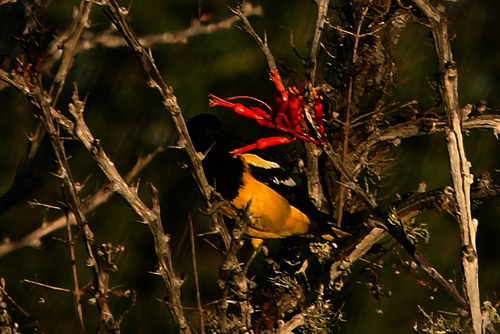
セグロムクドリモドキ (Icterus parisorum) セグロムクドリモドキ
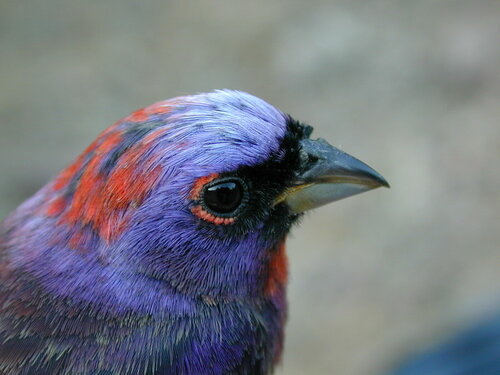
ムラサキノジコ (Passerina versicolor) ムラサキノジコ

メディア

読み込み中…

要点

スコットムクドリモドキとムラサキノジコを区別する最も信頼できるフィールドマークはサイズと構造です:スコットムクドリモドキははるかに大きく、細長く、長い尾と尖ったくちばしを持ち、ムラサキノジコは小さく、がっしりとした短尾のフィンチのような鳥です。成鳥のオスのスコットムクドリモドキは目を引く黒と黄色ですが、オスのムラサキノジコは紫赤色で赤い後頭部の斑点があります。両種の雌は地味ですが、スコットムクドリモドキの雌はオリーブ色と黄色のトーンを示し、斑点がありますが、ムラサキノジコの雌は斑点のない普通の茶色です。飛んでいる時や止まっている時は、サイズ、形、翼の模様に注目して最も早く区別してください。

識別のコツ

  1. Size and shape: スコットムクドリモドキははるかに大きく、細長く、長い尾と尖ったくちばしを持ちます。ムラサキノジコは小さく、がっしりとした短尾で、丸みを帯びたフィンチのようなくちばしを持っています。これは距離があっても飛んでいる時でも明らかです(すべての年齢)。
  2. Wing bars: スコットムクドリモドキ(両性、すべての年齢)は暗い翼に2本の目立つ白い翼帯を示し、オスには淡い黄色のエポレットがあります。ムラサキノジコは翼帯を示さず、翼は普通で暗いです(すべての年齢)。
  3. Yellow vs. purple/red: 成鳥のオスのスコットムクドリモドキは黒とレモンイエローで、腹部と尾羽に黄色があります。オスのムラサキノジコは紫赤色で赤い後頭部を持ち、決して黄色ではありません。これは繁殖羽毛の成鳥オスの診断に役立ちます。
  4. Female plumage: 雌のスコットムクドリモドキは上面が灰色がかったオリーブ色で、斑点があり、黄色がかった腹部を持っています;しばしば暗い喉と翼帯を示します。雌のムラサキノジコは普通の淡い茶色で、斑点や翼帯、黄色のトーンがありません。
  5. Tail pattern: スコットムクドリモドリモドキの尾は主に黒(オス)またはオリーブ(雌)で、黄色の基部と白い先端があり、特に外側の羽に顕著です。ムラサキノジコの尾は短くて普通で、対照的な基部や先端がありません。
  6. Bill color and shape: スコットムクドリモドキは黒または青黒い、細長く尖ったくちばしを持ち、灰色の基部があります。ムラサキノジコは短くて厚い円錐形のくちばしを持ち、決して鋭く尖っていません。
  7. Perching behavior: スコットムクドリモドキはしばしば高い場所に目立って止まり、特にユッカや開いた枝に止まります。ムラサキノジコは密な茂みの中で低く隠れる傾向があり、あまり露出しません。
  8. Habitat context: 鳥がユッカやアガベのある開けた砂漠にいる場合、スコットムクドリモドキの可能性が高いです。密で棘のある茂みや水の近くでは、ムラサキノジコが好まれます。
  9. Flight profile: 飛んでいるスコットムクドリモドキは長くて細い印象で、長い尾を持っています;ムラサキノジコはコンパクトで短尾です。
  10. Seasonal male color: オスのムラサキノジコは秋に茶色がかりますが、依然として黄色や翼帯はありません。スコットムクドリモドリモドキのオスは黒と黄色のままです。
  11. Streaking: 雌のスコットムクドリモドキは上面に微妙な斑点を示します;雌のムラサキノジコは斑点がありません。
  12. Iris and leg color: 両者ともに暗い虹彩と灰色がかった脚を持ち、区別には役立ちません。
  13. Voice: メモには記載されていません;ここでの区別には歌に頼らないでください。
  14. Juvenile/immature marks: どちらの種にも特有の幼鳥や未熟な上翼の模様は記載されていないため、若い鳥にはサイズ、構造、翼帯に頼ってください。
  15. Common pitfalls: 雌や未熟なスコットムクドリモドキは地味なノジコと間違えられることがありますが、常に翼帯と黄色のトーンを確認してください。ムラサキノジコは決して黄色や翼帯を持ちません。

大きさ

スコットムクドリモドキはかなり大きく、約23 cm(9.1インチ)で、翼幅は32 cm(13インチ)、体重は32〜41 gです。対照的に、ムラサキノジコははるかに小さく軽量で、長さは11〜14 cm(4.3〜5.5インチ)、翼幅は21 cm(8.3インチ)、質量はわずか11〜13 gです[wikipedia][wikidata]。オリオールの長い尾と細い体は距離があっても明らかですが、ノジコはコンパクトで短尾で、明らかに軽いです。

羽色

どちらの種にも特有の幼鳥や未熟な上翼の模様は記載されていないため、成鳥と雌の羽毛に注目してください。

成鳥のオスのスコットムクドリモドキは間違いなく、黒い頭、背中、喉、胸を持ち、明るいレモンイエローの腹部、尾、上尾覆いがあります。翼は黒で淡い黄色のエポレット(小羽と中羽)と白い先端の大羽と中羽からの2本の白い翼帯があります。尾は主に黒で、黄色の基部と白い先端があり、特に外側の羽に顕著です。

成鳥のオスのムラサキノジコは全体が深い紫赤色で、明るい赤い後頭部の斑点があり、翼帯やエポレットはありません;色は秋に茶色がかります。

雌のスコットムクドリモドキは上面が灰色がかったオリーブ色で、暗い斑点があり、黒い顎/喉/上胸、淡いオリーブ黄色の腹部を持っています。翼は黒っぽい茶色でオリーブ/黄色の縁取りがあり、2本の白い翼帯があります。尾はオリーブ色で黄色の基部があります。

雌のムラサキノジコは全体が普通の淡い茶色で、斑点や翼帯がなく、洗い流されたような雌のルリノジコに似ています。

要約すると:両性のスコットムクドリモドキは翼帯といくつかの黄色またはオリーブを示しますが、ムラサキノジコは常に普通の翼を持ち、決して黄色がかりません。

行動

スコットムクドリモドキはしばしばユッカや開いた枝に目立って止まり、オリオール特有のゆっくりとした意図的な動きで移動します。オープンウッドランドや砂漠の端で昆虫や蜜を探しているのが見られることがあります。ムラサキノジコはより秘密主義で、密な棘のある茂みや藪の中で低く餌を探し、オープンに止まるよりも隠れる傾向があります。その動きはフィンチのようで、オリオールよりも細長くありません。

生息環境

スコットムクドリモドリモドキは開けた森林や砂漠の斜面を好み、特にユッカやアガベがある場所で、しばしばアメリカ南西部やメキシコで見られます[wikipedia]。ムラサキノジコは密で棘のある茂み、棘のある森林、そして藪のある森林により密接に結びついており、しばしば水の近くに見られ、一般的に同じ南西部の地域で見られますが、より密で茂みの多い生息地を好みます[wikipedia]。範囲が重なる一方で、スコットムクドリモドキは開けた乾燥した風景にいる可能性が高く、ムラサキノジコは密で低い植生にいます。

より良い説明を送る

比較と同じ項目を使ってください。文章はすぐに公開されます。

The most reliable field mark to separate Scott's Oriole from Varied Bunting is size and structure: Scott's Oriole is much larger and more elongated, with a long tail and pointed bill, while Varied Bunting is a small, stocky, short-tailed finch-like bird. Adult male Scott's Orioles are strikingly black and yellow, whereas male Varied Buntings are purple-red with a red nape patch. Females of both species are duller, but Scott's Oriole females show olive and yellow tones with streaking, while Varied Bunting females are plain brown without streaking. In flight or perched, focus on size, shape, and wing pattern for the quickest separation.

  1. Size and shape: Scott's Oriole is much larger and more elongated, with a long tail and pointed bill. Varied Bunting is small, stocky, short-tailed, and has a rounded, finch-like bill. This is often obvious even at a distance or in flight (all ages).
  2. Wing bars: Scott's Oriole (both sexes, all ages) shows two prominent white wing bars on a dark wing, plus pale yellow epaulets in males. Varied Bunting never shows wing bars—its wings are plain and dark (all ages).
  3. Yellow vs. purple/red: Adult male Scott's Oriole is black and lemon yellow, with yellow on the underparts and rump. Male Varied Bunting is purple-red with a red nape, never yellow. This is diagnostic for adult males in breeding plumage.
  4. Female plumage: Female Scott's Oriole is grayish olive above with streaking and yellowish underparts; it often shows a dark throat and wing bars. Female Varied Bunting is plain light brown, with no streaking, no wing bars, and no yellow tones.
  5. Tail pattern: Scott's Oriole has a mostly black (male) or olive (female) tail with yellowish bases and white tips, especially on outer feathers. Varied Bunting's tail is short and plain, lacking contrasting bases or tips.
  6. Bill color and shape: Scott's Oriole has a black or bluish-black, slender, pointed bill with a gray base. Varied Bunting has a short, thick, conical bill typical of buntings and finches, and is never as sharply pointed.
  7. Perching behavior: Scott's Oriole often perches high and conspicuously, especially on yucca or open branches. Varied Bunting is more likely to skulk low in dense brush and is rarely as exposed.
  8. Habitat context: If the bird is in open desert with yucca or agave, Scott's Oriole is more likely. In dense, thorny brush or near water, Varied Bunting is favored.
  9. Flight profile: Scott's Oriole in flight looks long and slim with a long tail; Varied Bunting is compact and short-tailed.
  10. Seasonal male color: Male Varied Bunting becomes browner in fall, but still lacks yellow and wing bars. Scott's Oriole males remain black and yellow.
  11. Streaking: Female Scott's Oriole shows subtle streaking above; female Varied Bunting is unstreaked.
  12. Iris and leg color: Both have dark irises and grayish legs, not useful for separation.
  13. Voice: Not described in the notes; do not rely on song for separation here.
  14. Juvenile/immature marks: No distinctive juvenile or immature upperwing pattern is described for either species; rely on size, structure, and wing bars for young birds.
  15. Common pitfalls: Female and immature Scott's Orioles may be mistaken for drab buntings, but always check for wing bars and yellowish tones. Varied Buntings are never yellow or wing-barred.

Scott's Oriole is substantially larger, about 23 cm (9.1 in) long with a 32 cm (13 in) wingspan and weighing 32–41 g. In contrast, Varied Bunting is much smaller and lighter, at 11–14 cm (4.3–5.5 in) long, a 21 cm (8.3 in) wingspan, and only 11–13 g in mass [wikipedia][wikidata]. The oriole's long tail and slender body are obvious even at a distance, while the bunting is compact, short-tailed, and noticeably lighter.

No distinctive juvenile or immature upperwing pattern is described for either species, so focus on adult and female plumages.

Adult male Scott's Oriole is unmistakable: black head, back, throat, and breast, with bright lemon yellow underparts, rump, and uppertail coverts. The wings are black with pale yellow epaulets (lesser and median coverts) and two white wing bars from white-tipped greater and median coverts. The tail is mostly black with yellow bases and white tips, especially towards the outer feathers.

Adult male Varied Bunting is deep purple-red overall, with a bright red nape patch, and lacks wing bars or epaulets; the color becomes browner in fall.

Female Scott's Oriole is grayish olive above with darker streaks, a black chin/throat/upper breast, and pale olive-yellow underparts. The wings are blackish brown with olive/yellowish edges and two white wing bars. The tail is olive with yellowish bases.

Female Varied Bunting is plain light brown overall, lacking streaking or any wing bars, and resembles a washed-out female Indigo Bunting.

In summary: Scott's Oriole of both sexes shows wing bars and some yellow or olive, while Varied Bunting is always plain-winged and never yellowish.

Scott's Oriole often perches conspicuously on yuccas or open branches, moving with a slow, deliberate manner typical of orioles. It may be seen foraging for insects or nectar in open woodland or desert edges. Varied Bunting is more secretive, foraging low in dense, thorny brush or thickets, and tends to skulk rather than perch in the open. Its movements are more finch-like and less elongated than the oriole.

Scott's Oriole prefers open woodlands and desert slopes, especially where yucca or agave are present, and is often found in the southwestern U.S. and Mexico [wikipedia]. Varied Bunting is more closely tied to dense, thorny brush, thorn forests, and scrubby woodlands, often near water, and is generally found in similar southwestern regions but with a preference for denser, brushier habitats [wikipedia]. While ranges overlap, Scott's Oriole is more likely in open, arid landscapes, and Varied Bunting in dense, low vegetation.

変更を破棄しますか?

保存していない編集があります。今離れると失われます。

セグロムクドリモドキ · ムラサキノジコ · 苦手な鳥