

Motmot

アカエリバト 対 アカハシバト

Patagioenas squamosa 対 Patagioenas flavirostris

アカエリバトとアカハシバトのクイズ
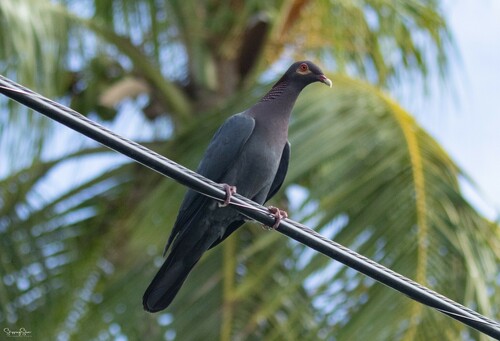
アカエリバト (Patagioenas squamosa) アカエリバト
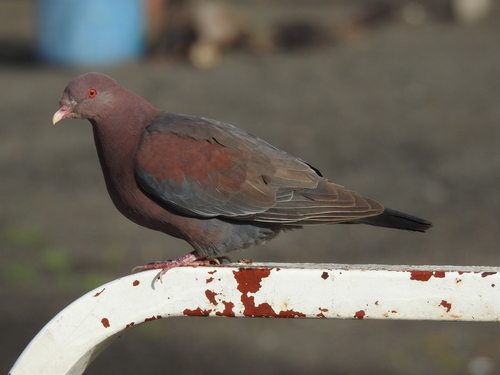
アカハシバト (Patagioenas flavirostris) アカハシバト

メディア

読み込み中…

要点

アカエリバトとアカハシバトの間で最も信頼できるフィールドマークは、アカエリバトに見られる鱗状の後頭部と裸の赤みがかったまたは黄色がかったアイリングの存在です。一方、アカハシバトは滑らかなマルーンの頭部と首を持ち、明確なオレンジの眼窩リングがあります。どちらも大きくて頑丈な鳩で、全体的な構造とスレートグレーの体は似ていますが、頭部、首、裸の部分の色合いに微妙な違いがあることが重要です。幼鳥のアカハシバトは鈍く、茶色がかっており、アカエリバトと混同されることがありますが、アカエリバトの鱗状の後頭部と赤いアイスキンは独特です。くちばしの色と模様、腹部と尾羽の覆い羽の色合いの微妙な違いも、彼らを区別するのに役立ちます。生息地も手がかりになることがありますが、一部の地域では重複があるため、常に信頼できるわけではありません。

識別のコツ

  1. 鱗状の後頭部(アカエリバトのみ): 後頭部の鱗状またはチェック模様の外観を探してください。これはすべての年齢のアカハシバトにはありません。
  2. 裸のアイスキンの色: アカエリバトは目の周りに裸の皮膚の部分があり、オスは赤みがかり、メスは黄色がかっています。アカハシバトはオレンジの眼窩リングを持っていますが、同じ裸の部分の効果はありません。
  3. 頭部と首の色: アカハシバトは滑らかで虹色や鱗状の模様がないマルーンから紫の頭部と首を持っています。アカエリバトのマルーンは首により制限されており、鱗状の後頭部が伴います。
  4. くちばしの色と模様: 両者ともくちばしの基部に赤がありますが、アカハシバトは先端が黄色で、アカエリバトのくちばしは基部が赤で先端が明るい色(黄色ではない)です。
  5. 腹部と尾羽の覆い羽: アカハシバトは青灰色の腹部と尾羽の覆い羽を示し、マルーンの頭部と首と対照的です。アカエリバトは下部がより均一にスレートグレーです。
  6. 幼鳥の混乱: 幼鳥のアカハシバトは鈍く、茶色がかっており、暗い肩を持っていますが、アカエリバトの鱗状の後頭部と裸のアイスキンは依然として欠けています。未成熟のアカエリバトは鱗状の後頭部と裸のアイスキンを保持するべきです。
  7. 性差: メスのアカエリバトはより黄色がかったアイリングを持っていますが、メスのアカハシバトは全体的に鈍いだけです。
  8. 飛行時の視点: どちらの種にも特有の上翼や飛行パターンの違いは記載されていないため、飛行中でも頭部、首、裸の部分の色合いに頼ってください。
  9. 生息地と範囲: カリブ海(ジャマイカとバハマを除く)で見られた場合、アカエリバトが期待されます。南テキサスからコスタリカの本土ではアカハシバトが可能性が高いです。重複は最小限です。
  10. 声: 長く高音の呼び声が聞こえ、引き延ばされた「コー」と三つの「ククククー」という音が聞こえたら、それはアカハシバトです。アカエリバトの声はここでは記載されていません。
  11. 脚の色: アカエリバトは赤い脚を持っています。アカハシバトの脚の色は指定されていませんが、主要な区別要因ではありません。
  12. 背中の色: アカハシバトは似た種よりも背中が茶色が少ないですが、これはアカエリバトとの強い区別要因ではありません。
  13. 群れの行動: 両種は通常、単独または小さな群れで見られます。これは区別には役立ちません。
  14. くちばしの構造: 両者とも頑丈な鳩で、くちばしの形状は似ています。構造は信頼できる区別要因ではありません。
  15. 季節的文脈: アカハシバトはその範囲のほとんどで冬に稀ですが、アカエリバトはカリブ海に年間を通じて生息しています。

大きさ

両種は大きな鳩です。アカエリバトは体重が約312gであるのに対し、アカハシバトは230〜425gの範囲が報告されています。したがって、かなりの重複があります。両者は長さも似ています(アカエリバト:14〜16インチ;アカハシバト:12〜15インチ)。現場では、サイズだけでは信頼できる区別要因ではありません。

羽色

行動

両種は通常、単独または小さな群れで見られます。アカエリバトは警戒心が強く、すぐに飛び立ち、しばしば木の上や地面で餌を食べます。アカハシバトも頑丈で警戒心が強く、離陸時に特有の翼の拍手音を出します。現場での強い行動の区別要因はありません。

生息環境

アカエリバトはカリブ海全域に分布し、特に熱帯雨林に生息していますが、乾燥した森林や集落の近くでも見られます。アカハシバトは南テキサスからメキシコを経てコスタリカにかけて生息し、乾燥した森林や川沿いの森林を好み、特に沿岸や低地の地域に生息しています。両者はさまざまな森林生息地に出現することがありますが、アカエリバトは厳密にカリブ海に生息し、アカハシバトは大陸(メキシコ/中央アメリカ)に生息しています。したがって、場所は強い手がかりとなります:カリブ海の島々はアカエリバトを示し、本土の中央アメリカとメキシコはアカハシバトを示します。

声

アカハシバトは特有の長く高音の呼び声を持っています:引き延ばされた「コー」に続いて三つの「ククククー」という音が聞こえ、しばしば上昇します。離陸時に翼が拍手音を出します。提供されたメモにはアカエリバトの特定の声は記載されていないため、声はアカハシバトのユニークな呼び声が聞こえた場合のみ区別要因となります。

より良い説明を送る

比較と同じ項目を使ってください。文章はすぐに公開されます。

The most reliable field mark between Scaly-naped Pigeon and Red-billed Pigeon is the presence of a scaly-looking nape and a bare reddish or yellowish eye-ring in Scaly-naped, versus a smoother maroon head and neck with a distinct orange orbital ring in Red-billed. Both are large, robust pigeons with similar overall structure and slate-gray bodies, but subtle differences in head, neck, and bare part coloration are key. Juvenile Red-billed Pigeons are duller and browner, which can cause confusion with Scaly-naped, but the scaly nape and red eye skin of Scaly-naped remain distinctive. Bill color and pattern, as well as subtle differences in belly and tail covert coloration, also help separate them. Habitat can be a clue, but is not always reliable due to overlap in some regions.

  1. Scaly nape (Scaly-naped only): Look for the scaly or checkered appearance on the nape—this is absent in Red-billed of all ages.
  2. Bare eye skin color: Scaly-naped shows a bare patch of skin around the eye, reddish in males and yellowish in females; Red-billed has an orange orbital ring but not the same bare patch effect.
  3. Head and neck color: Red-billed has a maroon to purple head and neck that is smooth and lacks iridescence or scaliness; Scaly-naped's maroon is more restricted to the neck and is accompanied by the scaly nape.
  4. Bill color and pattern: Both have red at the base of the bill, but Red-billed has a yellow tip, while Scaly-naped's bill is red at the base and light-colored (not yellow) at the tip.
  5. Belly and tail coverts: Red-billed shows blue-gray belly and tail coverts, contrasting with the maroon head and neck; Scaly-naped is more uniformly slate-gray below.
  6. Juvenile confusion: Juvenile Red-billed Pigeons are duller and browner, with dusky shoulders, but still lack the scaly nape and bare eye skin of Scaly-naped. Immature Scaly-naped should retain the scaly nape and bare eye skin.
  7. Sex differences: Female Scaly-naped has a more yellowish eye ring, while female Red-billed is just duller overall.
  8. Flight views: No distinctive upperwing or flight pattern differences are described for either species, so rely on head, neck, and bare part coloration even in flight.
  9. Habitat and range: If seen in the Caribbean (except Jamaica and the Bahamas), Scaly-naped is expected; if on the mainland from southern Texas to Costa Rica, Red-billed is likely. Overlap is minimal.
  10. Voice: If you hear a long, high-pitched call with a drawn-out 'coooo' and three 'cuk-c'-c'-coo' notes, it's Red-billed. Scaly-naped's vocalizations are not described here.
  11. Leg color: Scaly-naped has red legs; Red-billed leg color is not specified, but is not a primary separator.
  12. Back color: Red-billed is less brown on the back than similar species, but this is not a strong separator from Scaly-naped.
  13. Group behavior: Both species are usually solitary or in small groups; this does not help with separation.
  14. Bill structure: Both are robust pigeons with similar bill shape; structure is not a reliable separator.
  15. Seasonal context: Red-billed is rare in winter in most of its range, while Scaly-naped is resident in the Caribbean year-round.

Both species are large pigeons. Scaly-naped Pigeon averages about 312 g in body mass [wikidata], while Red-billed Pigeon has a reported range of 230–425 g [wikipedia], so there is considerable overlap. Both are similar in length (Scaly-naped: 14–16 in; Red-billed: 12–15 in). In the field, size alone is not a reliable separator.

  • Juveniles/immatures: Juvenile Red-billed Pigeons are noticeably duller than adults, with dark, dusky shoulders and a browner mantle and wings. This can make them resemble Scaly-naped Pigeon, but they still lack the scaly nape pattern and the bare red/yellow eye skin of Scaly-naped. Juvenile Scaly-naped Pigeons are not described in detail, but the scaly nape and bare eye skin are consistent features.
  • Adults: Scaly-naped Pigeon shows a maroon patch around the neck and a distinctly scaly appearance on the nape. The bare skin around the eye is red in males, yellowish in females. The bill is red at the base with a pale tip. Red-billed Pigeon has a maroon to purple head, neck, and wing coverts, with a blue-gray belly and tail coverts. Its orbital ring is orange, and the bill is red with a yellow tip. Red-billed lacks the scaly nape and has a smoother, less brown back than similar species. Both species are largely slate-gray, but Scaly-naped is more uniform, while Red-billed shows more contrast between the maroon/purple head and blue-gray belly.

Both species are typically seen alone or in small groups. Scaly-naped Pigeon is wary and quick to flush, often feeding both in trees and on the ground. Red-billed Pigeon is also robust and wary, with a distinctive wing-clapping sound on takeoff. There is no strong behavioral separator between the two in the field.

Scaly-naped Pigeon is found throughout the Caribbean, especially in rainforests but also in drier woodlands and near settlements. Red-billed Pigeon occurs from southern Texas through Mexico to Costa Rica, favoring dry forests and riverside woodlands, especially in coastal and lowland areas. While both can occur in a range of wooded habitats, Scaly-naped is strictly Caribbean, while Red-billed is continental (Mexico/Central America). Thus, location is a strong clue: Caribbean islands point to Scaly-naped, mainland Central America and Mexico to Red-billed.

Red-billed Pigeon has a distinctive, long, high-pitched call: a drawn-out 'coooo' followed by three 'cuk-c'-c'-coo' notes, often ascending. Its wings make a clapping noise on takeoff. No specific vocalization is described for Scaly-naped Pigeon in the provided notes, so voice is only a separator if the Red-billed's unique call is heard.

変更を破棄しますか?

保存していない編集があります。今離れると失われます。

アカエリバト · アカハシバト · 苦手な鳥